Bolnisi-german culture (Katharinenfeld)
Active
8h - 9h
For a full refund, cancel at least 24 hours before the scheduled departure time.
Instant confirmation
Mobile or paper ticket accepted
About this experience
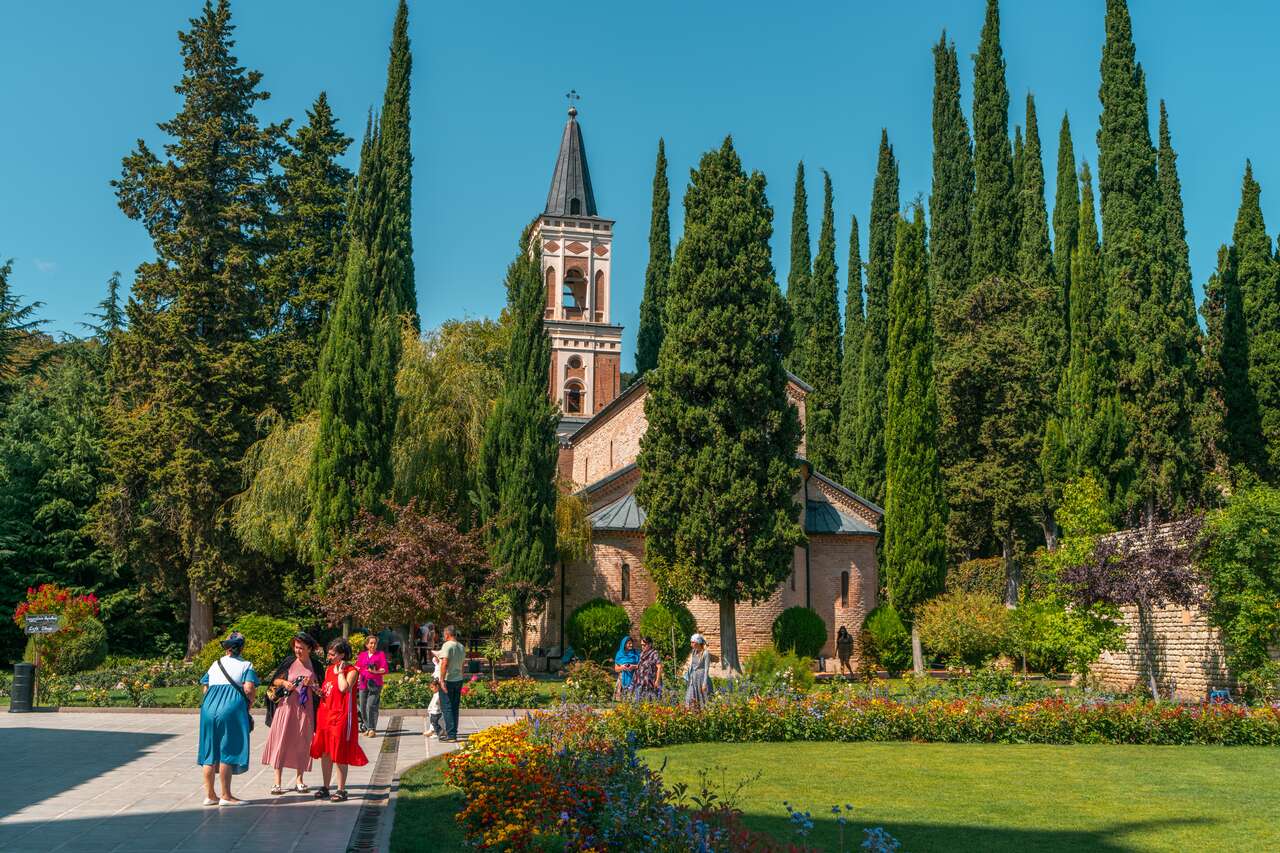
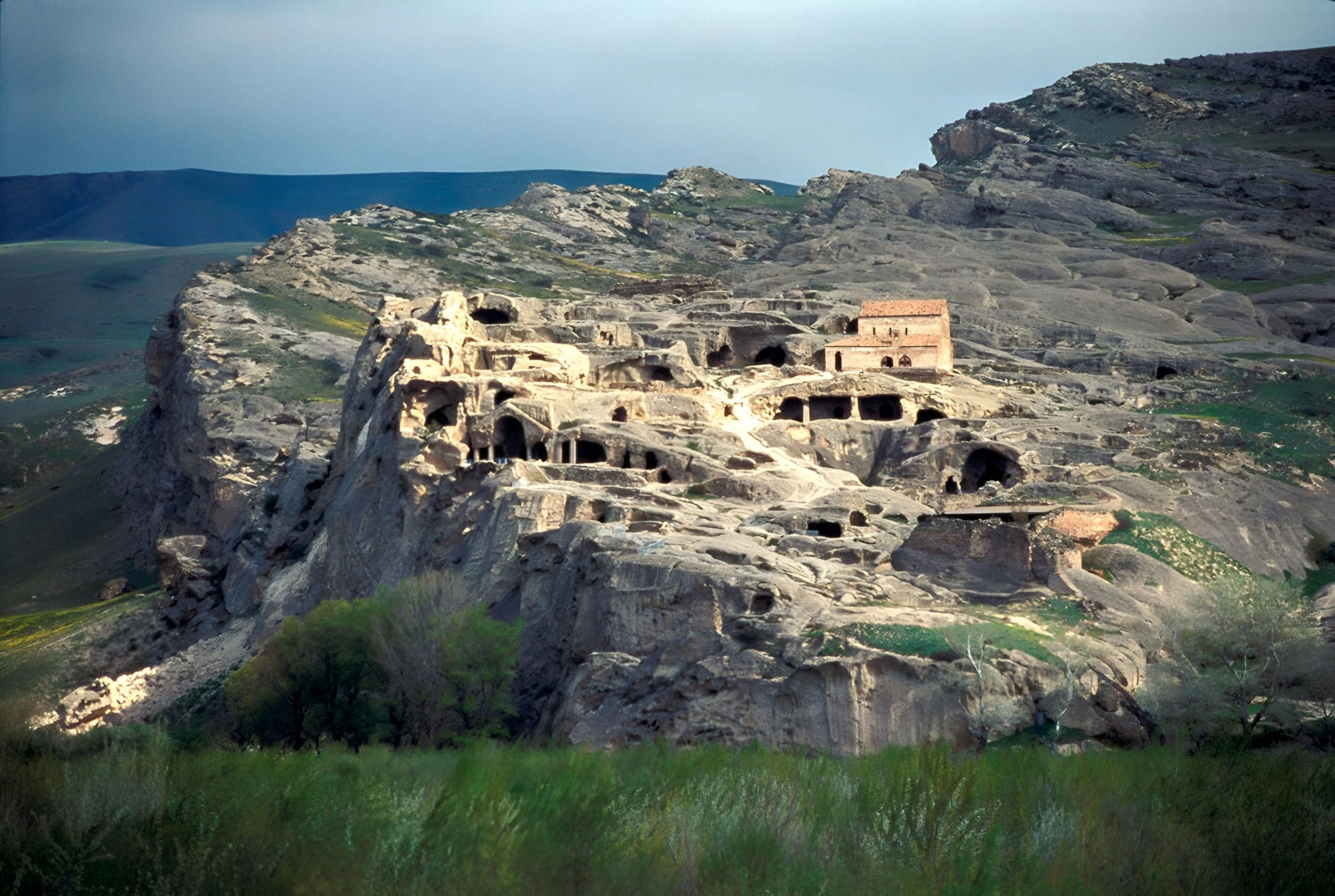
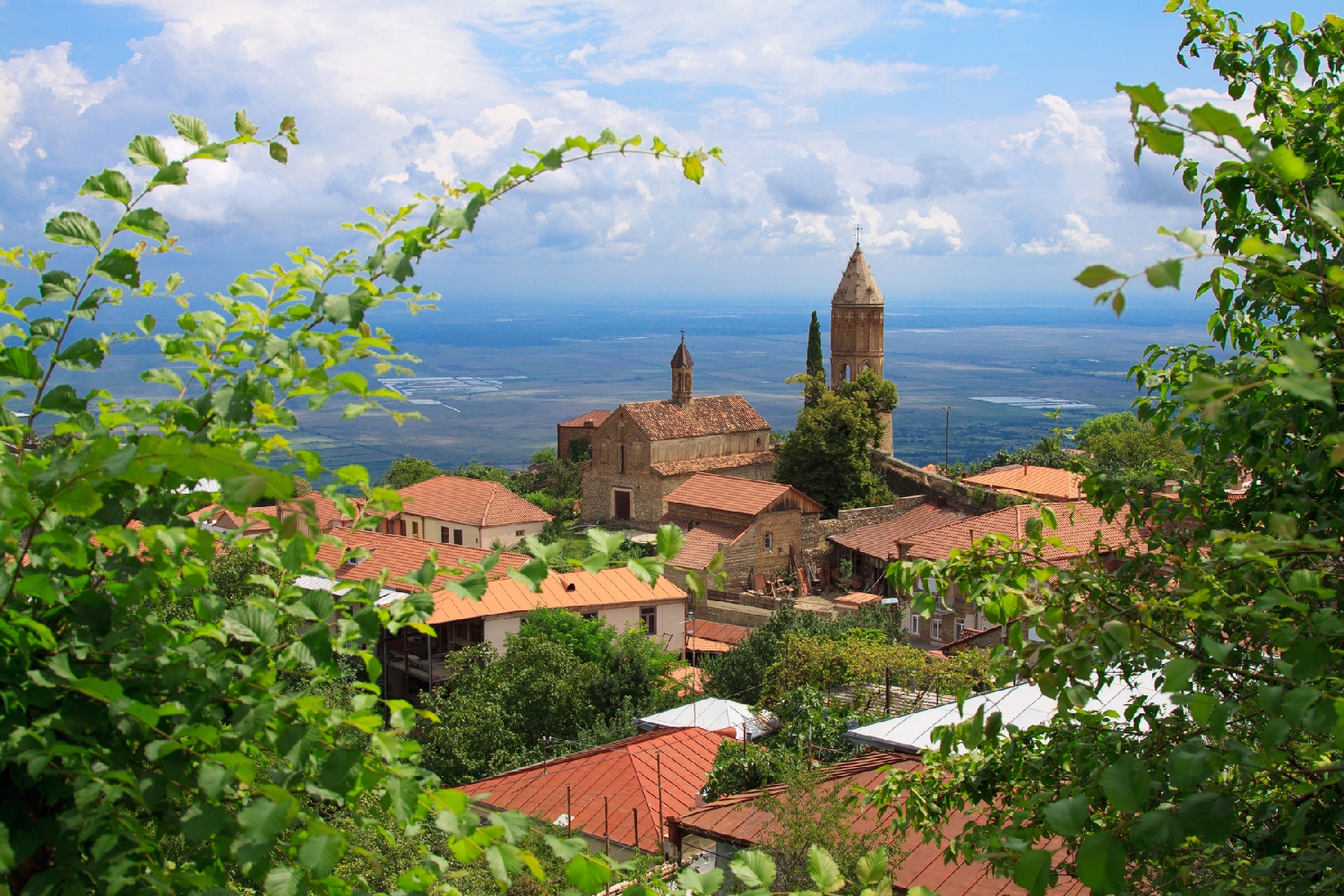
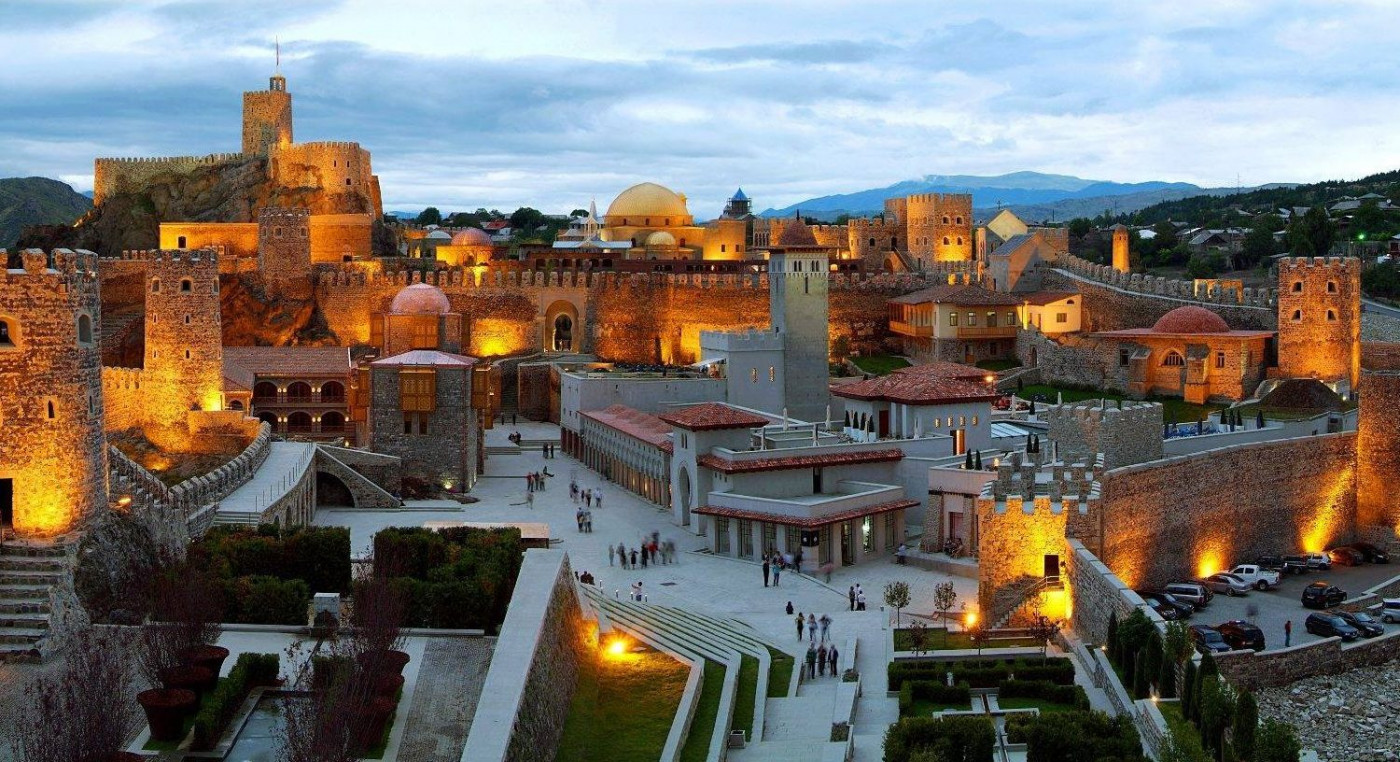
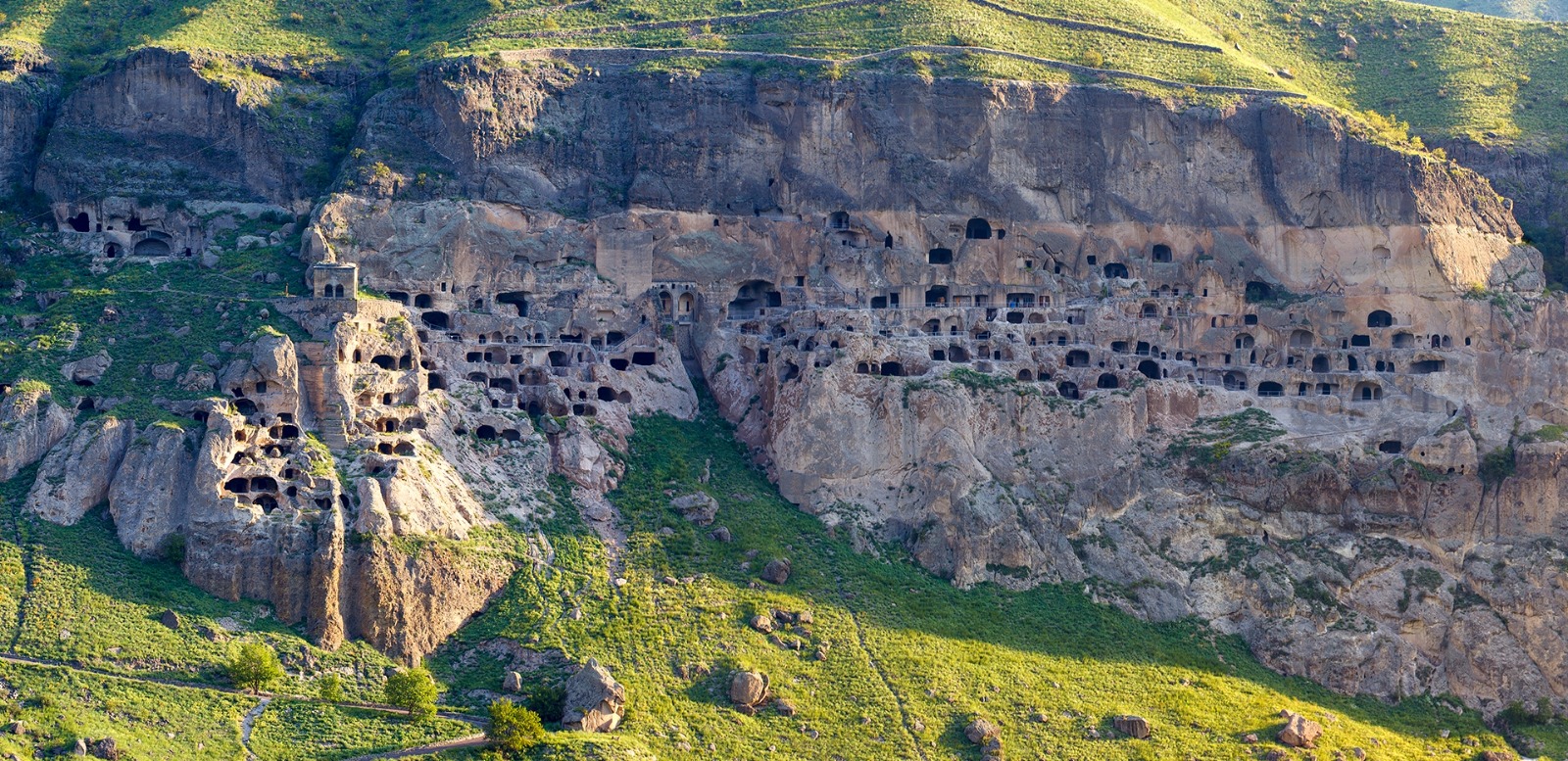
Kvemo Kartli (“kwemo“ - the lower one) is historically one of the most important regions of Georgia. This is a region whose artifacts give a clearer outline of the European identity of Georgians. This is an area where a century ago two independent cultures, Georgian and German, merging with each other, have survived to this day. The land where every monument, church, monastery, every carving is the response of a rich Georgian culture.
in order to open a new culture, to make a journey into the past and to feel the charm of assimilation of cultures, to imagine clearly the reality in which the Germans built their culture on a foreign land with reverence, caressing every stone as a native one, and this particular spirit is still clearly felt in Bolnisi.
Available options
Bolnisi-german culture (Katharinenfeld)
Pickup included
What's included
All Fees and Taxes
Hotel pickup and drop-off
Bottled water
WiFi on board
Air-conditioned vehicle
Detailed itinerary
1
Bolnisi Zion (Sioni) is the oldest temple of the V century, which is located in the village of Bolnisi and is an important monument of Georgian architecture, since it was Bolnisi Zion that preserved for us the oldest inscription on the alphabet “asomtavruli“ and the Bolnisi Cross.
2
The Peter and Paul Church, which became for Bolnisi the most important event of the immediate past, as another religious center was added to already existing churches and temples. Rising to the skies, a magnificent temple like a pearl adorns Mount Elias, where Kvemo Kartli is entirely visible like on the palm of the hand, filling visitors with indelible impressions.
3
The Bolnisi Museum of Local History is a place where the past of this city is carefully represented. The museum stores all literary, creative or working materials, with which the Germans created a unique culture in the place of Bolnisi and left as an example to the Georgian people.
4
Bolnisi is a city that for a century has been a place of residence for Germans in the neighborhood with Georgians. Escaped from adversity, the Germans settled on the flavoured territory of Bolnisi, founded the commune Katharinenfeld, where everything was created with great work and love, as evidenced by the almost extant homes, huge wine cellars and water mills.
What's not included
Food
Available languages
Guide guide
RU
EN
Important information
Public transportation options are available nearby
Suitable for all physical fitness levels
About Tbilisi
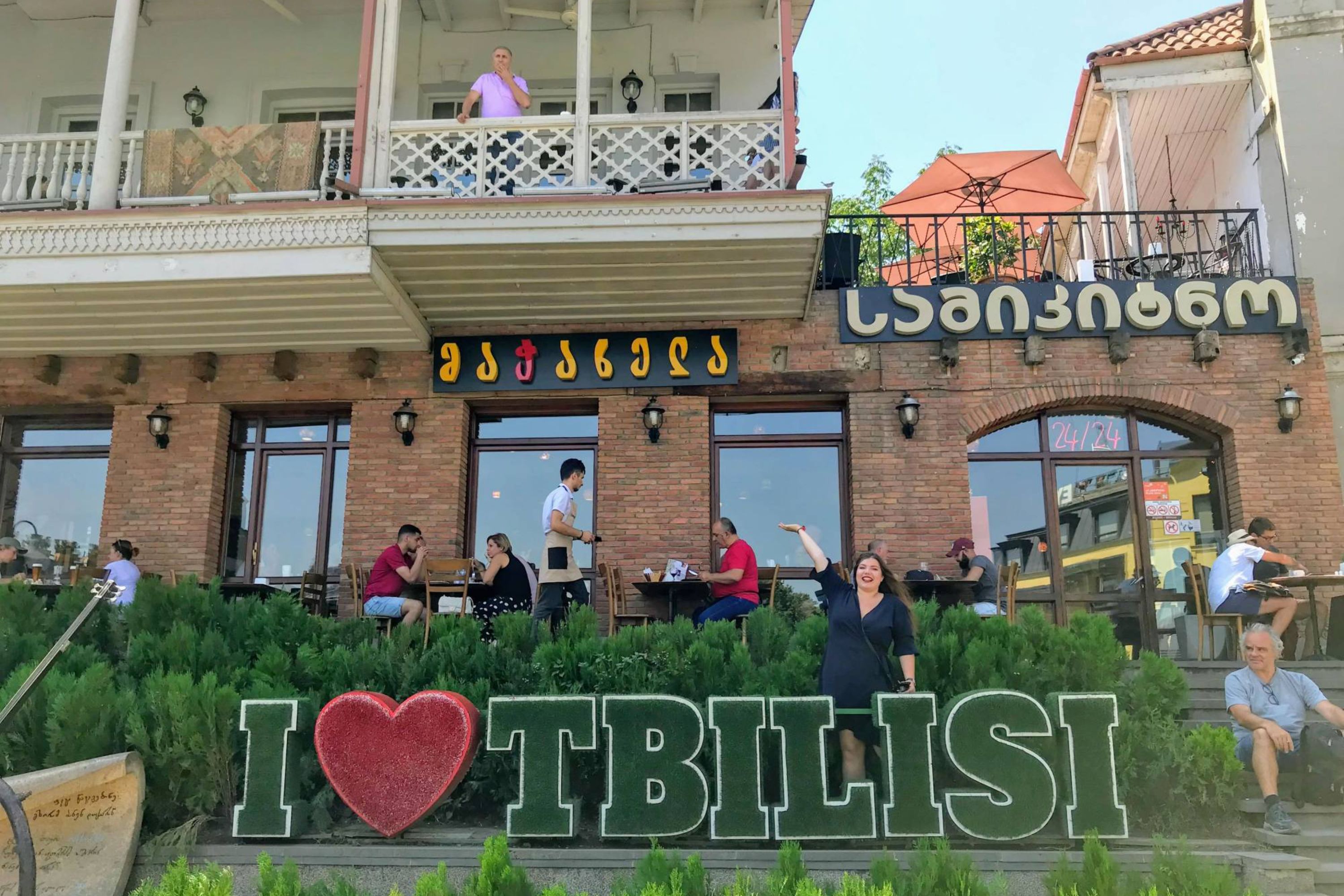
Tbilisi, the capital of Georgia, is a vibrant city where ancient history meets modern culture. Known for its unique architecture, thermal baths, and rich culinary scene, it offers a blend of European and Asian influences that make it a captivating destination for travelers.
Top Attractions
Narikala Fortress
This ancient fortress offers panoramic views of Tbilisi and is a symbol of the city's rich history.
Historical
1-2 hours
Free
Sulfur Baths
A unique historical landmark where people have been bathing in sulfur-rich waters for centuries.
Religious
1-2 hours
10-20 GEL (3-6 USD)
Sameba Cathedral
One of the largest religious buildings in the Caucasus, this cathedral is an architectural masterpiece.
Religious
1 hour
Free
Mtatsminda Park
A beautiful park with panoramic views of the city, perfect for a relaxing stroll or picnic.
Nature
2-3 hours
Free
Dry Bridge Market
A popular flea market where you can find antiques, souvenirs, and local crafts.
Shopping
1-2 hours
Varies
Must-Try Local Dishes
Khachapuri
A cheesy bread filled with melted cheese, often with an egg in the center.
Main Dish
Vegetarian
Khinkali
Dumplings filled with spiced meat or mushrooms, typically served with a side of soup.
Main Dish
Vegetarian options available
Badrijani Nigvzit
Fried eggplant rolls filled with a walnut paste.
Appetizer
Vegetarian
Lobio
A rich, spicy bean stew often served in clay pots.
Side Dish
Vegetarian
Popular Activities
Hiking in the mountains
Paragliding
Rafting
Spa treatments
Thermal baths
Picnics in parks
Visiting museums
Attending festivals
Best Time to Visit
May to October
This is the best time to visit Tbilisi as the weather is warm and pleasant, ideal for exploring the city's outdoor attractions and festivals.
20°C to 35°C
68°F to 95°F
Practical Information
Language
- Official: Georgian
- Widely spoken: Russian, English
- English: Moderately spoken
Currency
Georgian Lari (GEL)
Time Zone
GMT+4
Electricity
220VV, 50HzHz
Safety Information
Overall Safety Rating: Generally safe
Tbilisi is generally safe for travelers, but petty crime and pickpocketing can occur in crowded areas.
Important Precautions:
- • Be cautious of pickpockets in crowded areas
- • Use official taxis or ride-hailing apps
- • Avoid walking alone late at night
Getting there
By air
- Shota Rustaveli Tbilisi International Airport • 17 km from city center
By train
Tbilisi Central Railway Station
By bus
Ortachala Bus Station, Didube Bus Station
Getting around
Public transport
The metro is efficient and affordable, with stations well-connected to major attractions.
Taxis
Available • Apps: Bolt, Yandex.Taxi
Rentals
Car, Bike, Scooter
Neighborhoods
Old Town
Vake
Avlabari
Day trips
Mtskheta
20 km from Tbilisi • Half day
Mtskheta is an ancient city and the former capital of Georgia, known for its historic churches and monasteries.
Kazbegi
160 km from Tbilisi • Full day
Kazbegi is a stunning mountain region with breathtaking views and outdoor activities.
Gori
80 km from Tbilisi • Half day
Gori is a city known for its historic sites, including the birthplace of Joseph Stalin.
Festivals
Tbilisi International Film Festival • March
Tbilisi Open Air • July
Tbilisi Wine Festival • October
Pro tips
- Visit the Dry Bridge Market early in the morning for the best selection of antiques and souvenirs
- Try traditional Georgian dishes at local restaurants and street food vendors
- Explore the Old Town on foot to discover hidden gems and historic sites
- Take a day trip to Mtskheta to experience Georgia's ancient history and culture
- Attend a traditional Georgian supper club for an authentic dining experience
From $25
per person
Price varies by option
Secure booking
Free cancellation available
Instant confirmation