Private Tour: Warsaw best of 3-Hour Sightseeing Tour
Active
3h
For a full refund, cancel at least 24 hours before the scheduled departure time.
Instant confirmation
Mobile or paper ticket accepted
About this experience
The best and very comfortable way to sightsee all highlight of Warsaw in 3 hours. During entire tour you are driven in brand new Mercedes car.
Available options
Private car up to 3 travellers
Pickup included
Private V-class up to 6pax
Pickup included
What's included
Private transportation
Waiting for you in the vehicle.
All Fees and Taxes
Detailed itinerary
1
Łazienki Park or Royal Baths Park is the largest park in Warsaw, Poland, occupying 76 hectares of the city center. The park-and-palace complex lies in Warsaw's central district on Ujazdów Avenue, which is part of the Royal Route linking the Royal Castle with Wilanów Palace to the south. Originally designed in the 17th century as a baths park for nobleman Stanisław Herakliusz Lubomirski, in the 18th century Łazienki was transformed by Poland's last monarch, Stanisław II Augustus, into a setting for palaces, villas, classicist follies, and monuments. In 1918 it was officially designated a public park.
Łazienki is visited by tourists from all over Poland and the world, and serves as a venue for music, the arts, and culture. The park is also home to peacocks and a large number of squirrels.
2
You will sightsee entire territory of Jewish Ghetto Warsaw - the biggest in World's history. See The Umschlagplatz, Mila 18 & walk the area of Polin Museum - outside, with it's commemorations and sculptures. Natan Rapaport monument, Jan Karski, Leon Suzin sculptures.
3
Stop 3
The Old Town is a bustling tourism hub, with cobblestone alleys and medieval buildings reconstructed after WWII. At its heart is Rynek Starego Miasta, a busy square lined with burgher houses and upscale Polish eateries. Nearby, St. John's Archcathedral dates back to the 14th century and hosts summer concerts. The area is also home to the restored apartments and manicured gardens of the Royal Castle.
4
Stop 4
The building was originally known as the Joseph Stalin's Palace of Culture and Science, but in the wake of destalinization the dedication to Stalin was revoked. Stalin's name was removed from the colonnade, interior lobby and one of the building's sculptures.
Construction started in 1952 and lasted until 1955. A gift from the Soviet Union to the people of Poland, the tower was constructed, using Soviet plans, by 3,500 to 5,000 Soviet workers and 4,000 Polish workers.
Today the Palace is a notable high-rise building in central Warsaw. With a total height of 237 metres (778 ft) it is the tallest building in Poland.
Motivated by Polish historical architecture and American art deco high-rise buildings, the PKiN was designed by Soviet Russian architect Lev Rudnev in "Seven Sisters" style and is informally referred to as the Eighth Sister. The Palace was also the tallest clock tower in the world until the installation of a clock mechanism on the NTT Docomo Yoyogi Building in Tokyo, Japan.
5
A 5 kilometres-long riverside promenade is a great place for a walk, a bike ride, as well as a night of fun in one of the seasonal clubs operating here. Along the boulevards are gazebos with sun loungers, stone benches and seats made from tree branches. There is also a lookout point and a mini beach with wicker baskets. In such a place, there has to be a place for the symbol of the river and Warsaw – the Mermaid. Stop at the monument and take a photo.
6
The PGE Narodowy (official name since 2015) or National Stadium is a retractable roof football stadium located in Warsaw, Poland. It is used mostly for football matches and is the home stadium of Poland national football team.
With a seating capacity of 58,580, the stadium is the largest association football arena in Poland. Its construction was started in 2008 and was finished in November 2011. It is located on the site of the former 10th-Anniversary Stadium, on Aleja Zieleniecka in Praga Południe district, near the city center. The stadium has a retractable PVC roof which unfolds from a nest on a spire suspended above the centre of the pitch. The retractable roof is inspired by the cable-supported unfolding system of Commerzbank-Arena in Frankfurt, Germany, and is similar to the newly renovated roof of BC Place in Vancouver.
The National Stadium hosted the opening match, the 2 group matches, a quarterfinal, and the semifinal of the UEFA Euro 2012, co-hosted by Poland and Ukraine.
7
Stop 7
The Warsaw Uprising Museum in the Wola district of Warsaw, Poland, is dedicated to the Warsaw Uprising of 1944. The institution of the museum was established in 1983, but no construction work took place for many years. It opened on July 31, 2004, marking the 60th anniversary of the uprising.
The museum sponsors research into the history of the uprising, and the history and possessions of the Polish Underground State. It collects and maintains hundreds of artifacts ranging from weapons used by the insurgents to love letters to present a full picture of the people involved. The museum's stated goals include the creation of an archive of historical information on the uprising and the recording of the stories and memories of living participants. Its director is Jan Ołdakowski, with historian Dariusz Gawin from the Polish Academy of Sciences as his deputy.
The museum is a member organisation of the Platform of European Memory and Conscience.
8
We will take a closer look at Maria Sklodowska-Curie birthplace and museum. She was the first Female Noble Prize winner.
9
The Monuments to the Warsaw Uprising were first established in Warsaw in the 1970s. Prior to that, there were only monuments to the Red Army soldiers and the Polish National Army. The role of the latter in the city fights in 1944 was exaggerated and overrated. Most of the victims of the Uprising who were buried in graves all over the city were later exhumed and buried in mass graves far away from the city centre, with a small concrete monument to "the victims of the war with Nazism". No mention of the Uprising was allowed till 1989.
10
Umschlagplatz was the term used during The Holocaust to denote the holding areas adjacent to railway stations in occupied Poland where Jews from ghettos were assembled for deportation to Nazi death camps. The largest collection point was in Warsaw next to the Warsaw Ghetto.
11
Ulica Miła 18 was the headquarters "bunker" of the Jewish Combat Organization, a Jewish resistance group in the Warsaw Ghetto in Poland during World War II.
Available languages
Guide guide
RU
EN
PL
Reviews breakdown
Viator
5.0
3 reviews
5★
3
4★
0
3★
0
2★
0
1★
0
Tripadvisor
5.0
4 reviews
5★
4
4★
0
3★
0
2★
0
1★
0
Important information
Infants are required to sit on an adult’s lap
Specialized infant seats are available
Service animals allowed
Suitable for all physical fitness levels
Public transportation options are available nearby
Infants and small children can ride in a pram or stroller
All areas and surfaces are wheelchair accessible
Transportation options are wheelchair accessible
Wheelchair accessible
About Warsaw
Warsaw, the capital of Poland, is a city of resilience and vibrant culture. Known for its complete reconstruction after WWII, it offers a mix of modern architecture and historic sites, making it a unique destination rich in history and contemporary energy.
Top Attractions
Old Town (Stare Miasto)
The Old Town is a UNESCO World Heritage site, showcasing the city's rich history and stunning architecture. It was meticulously rebuilt after WWII, earning Warsaw the nickname 'The Phoenix City'.
Historical/Architecture
2-3 hours
Free to explore, Royal Castle entry fee: 30 PLN
Warsaw Uprising Museum (Muzeum Powstania Warszawskiego)
This museum commemorates the 1944 Warsaw Uprising and provides a powerful insight into the city's resilience and history during WWII. The exhibits are interactive and emotionally impactful.
Historical/Museum
2-3 hours
25 PLN
Łazienki Park (Park Łazienkowski)
This vast park is a green oasis in the heart of the city, featuring beautiful gardens, palaces, and ponds. It's perfect for a relaxing stroll or a picnic.
Nature/Historical
2-3 hours
Free, Palace entry fee: 20 PLN
Warsaw Zoo (Ogrod Zoologiczny w Warszawie)
One of the largest zoos in Poland, Warsaw Zoo is home to a wide variety of animals and is known for its conservation efforts. It's a great place for families and animal lovers.
Nature/Entertainment
2-3 hours
30 PLN
Palace of Culture and Science (Pałac Kultury i Nauki)
This iconic Stalinist skyscraper is a symbol of Warsaw and offers panoramic views of the city from its observation deck. It's a must-visit for its historical significance and stunning vistas.
Architecture/Historical
1-2 hours
25 PLN
Must-Try Local Dishes
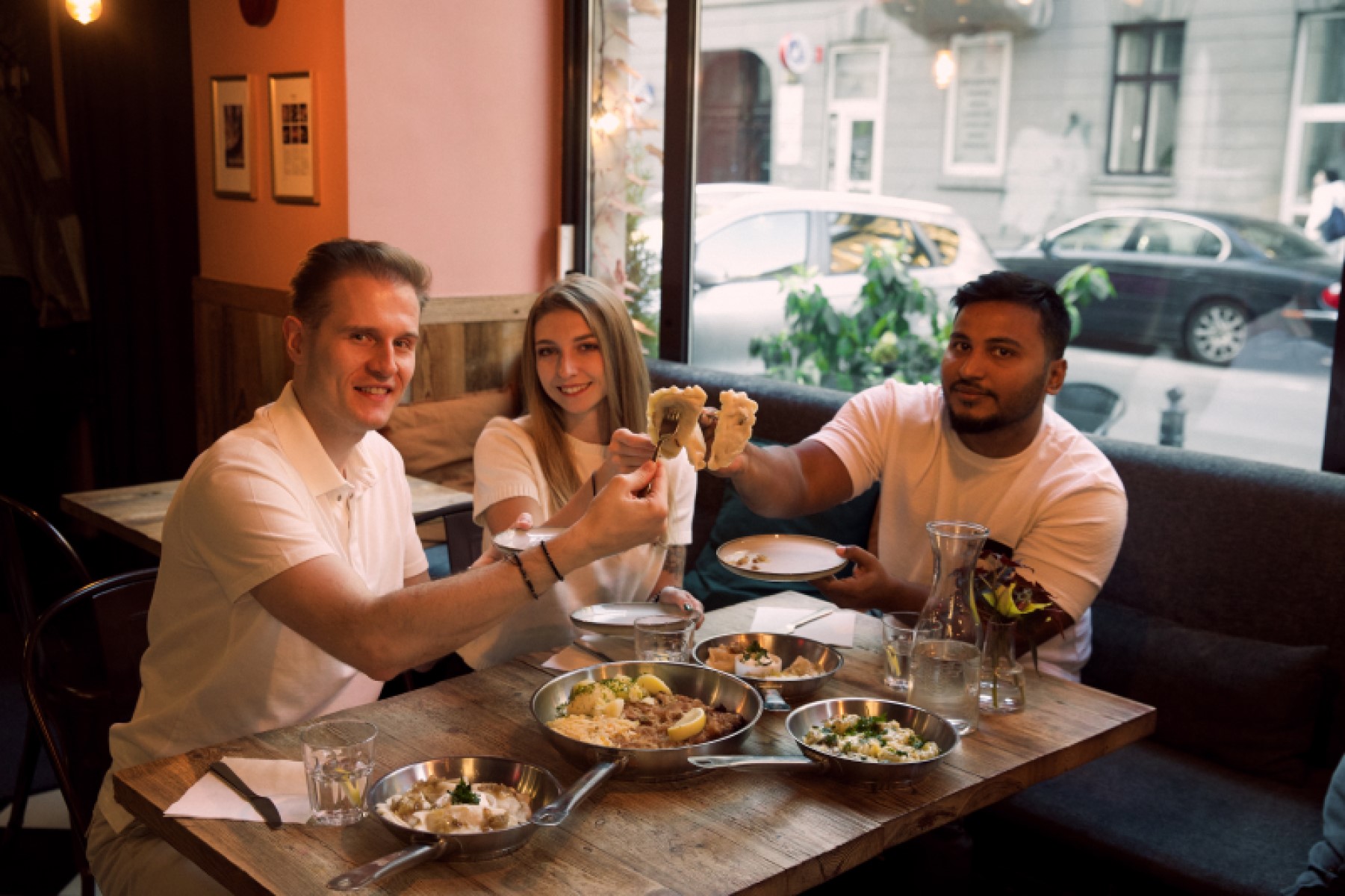
Pierogi
Dumplings filled with various ingredients such as meat, cheese, potatoes, or fruits. They are a staple of Polish cuisine and come in both savory and sweet varieties.
Dinner
Vegetarian options available, can be made vegan or gluten-free upon request.
Żurek
A sour rye soup often made with sausage, potatoes, and hard-boiled eggs. It's traditionally served in a bread bowl.
Lunch/Dinner
Contains meat, can be made vegetarian with substitutions.
Bigos
A hearty hunter's stew made with sauerkraut, fresh cabbage, various meats, and mushrooms. It's often considered Poland's national dish.
Dinner
Contains meat, can be made vegetarian with substitutions.
Pączki
Deep-fried doughnuts filled with jam, custard, or other sweet fillings. They are a popular treat, especially during Fat Thursday (Tłusty Czwartek).
Dessert
Vegetarian, can be made vegan or gluten-free.
Popular Activities
Biking in Łazienki Park
Kayaking on the Vistula River
Picnicking in Łazienki Park
Visiting a traditional Polish spa
Attending a classical music concert at the National Philharmonic
Exploring the Warsaw Uprising Museum
Boating on the ponds in Łazienki Park
Ice skating at the Winter Stadium
Best Time to Visit
June to August
Summer is the peak tourist season with warm weather and numerous outdoor events. It's ideal for exploring the city's parks and outdoor attractions.
15°C to 25°C
59°F to 77°F
Practical Information
Language
- Official: Polish
- Widely spoken: English, German, Russian
- English: Moderately spoken, especially among younger people and in tourist areas
Currency
Polish Złoty (PLN)
Time Zone
GMT+2 (Central European Time, CET)
Electricity
230VV, 50HzHz
Safety Information
Overall Safety Rating: Generally safe, with some areas requiring caution
Warsaw is generally a safe city for travelers, with low violent crime rates. However, petty crime, such as pickpocketing and bag snatching, can occur in tourist areas and on public transportation. Exercise caution and be aware of your surroundings, especially in crowded places and at night.
Important Precautions:
- • Keep valuables secure and out of sight, especially in crowded areas
- • Use licensed taxis or ride-sharing services to avoid scams
- • Be cautious of strangers approaching you with petitions or surveys
Getting there
By air
- Warsaw Chopin Airport • 10 km from city center
By train
Warsaw Central Station, Warsaw Wschodnia Station
By bus
Warsaw Zachodnia Bus Station, Warsaw Wschodnia Bus Station
Getting around
Public transport
The metro system is efficient, clean, and easy to navigate. It's a great way to get around quickly.
Taxis
Available • Apps: Uber, Bolt
Rentals
Car, Bike, Scooter
Neighborhoods
Old Town (Stare Miasto)
Praga
Wola
Śródmieście
Day trips
Łowicz
50 km from Warsaw • Half day to full day
A charming town known for its traditional Polish architecture, horse-drawn carriages, and the famous 'Łowiczki' horse shows. It offers a glimpse into Poland's rural past.
Modlin Fortress
40 km from Warsaw • Half day
A historic 19th-century fortress located on the Narew River, offering a fascinating insight into Poland's military history. The fortress is partially in ruins but is open for exploration and guided tours.
Nieporęt
30 km from Warsaw • Half day
A small town with a rich history, known for its beautiful palace and park complex. The palace is a great example of neoclassical architecture and offers a glimpse into the lives of Polish nobility.
Festivals
Warsaw Autumn Festival • September
Warsaw Film Festival • October
Christmas Markets • December
Pro tips
- Visit the Warsaw Uprising Museum for a powerful and emotional insight into the city's history during WWII
- Explore the vibrant and artsy Praga district for a glimpse into Warsaw's creative scene and local culture
- Take a guided tour of the Warsaw sewer system for a unique and fascinating perspective on the city's history
- Try traditional Polish dishes, such as pierogi, żurek, and bigos, at local restaurants or street food vendors
- Attend a classical music concert at the National Philharmonic or Teatr Wielki for a world-class cultural experience
From $25
per person
Price varies by option
Secure booking
Free cancellation available
Instant confirmation