Kilimanjaro Climbing Maragu Route
Active
7d
For a full refund, cancel at least 24 hours before the scheduled departure time.
Instant confirmation
Mobile or paper ticket accepted
About this experience
The Marangu or main route is by far the most popular way to the summit. The accommodation on the way up and down is provided in mountain huts with all the basic necessities. It usually takes 5 days/4nights for the round trip. The trek can also be taken in 6 days/5 nights to add acclimatization with an extra day at Horombo Hut. The supplementary cost for an extra day is indicated separately as an option.
Available options
Kilimanjaro Climbing Maragu Route
What's included
Bottled water
National Park fees
Alcoholic Beverages
Snacks
Lunch
Dinner
Breakfast
Accommodation as per itinerary
Coffee and/or Tea
What you'll see
Day 1 Pick up from Arusha town or Kilimanjaro International Airport and transfer to Moshi town, which is commonly known as the gateway to Mount Kilimanjaro. Half Board accommodation at a Base Hotel in Moshi.
Day 2 After breakfast and a short tour briefing from the guide, we will depart to Marangu gate of Kilimanjaro National Park (it is a 45-minute drive from Moshi to the Marangu Gate). Upon registering with park authorities, our climb will officially commence with a four-hour walk to the Mandara encampment. We will pass through a thick rainforest zone, where there is a high chance of rain in the afternoon. We will spend the night at Mandara Hut (2,750m), an attractive collection of buildings. Bathrooms are available with running water.
Day 3 Today we will continue our ascent through the forest for a short time, before reaching the heather and moorland zone at roughly 3,000m (approximately a six-hour walk). Enjoy stunning views of the mountain peaks at this altitude. We will spend the night at Horombo Hut (3,720m), which lies in a valley surrounded by giant lobelia and groundsel, flora which are characteristic of this semi-alpine zone. Bathrooms are available with running water.
Day 4 Our trek continues past the final watering point, and ascends onto the saddle of Kilimanjaro, between the peaks of Kibo and Mawenzi. The vegetation thins out as we enter the desert-like alpine zone (approximately 4,000m) and, once we cross the saddle, Kibo peak comes into view. The saddle is an alpine desert that resembles a lunar landscape. Be careful to notice signs of altitude sickness. This seven-hour walk will be taken at a slow pace. We will spend the night at Kibo Hut (4,703m), a comfortable stone construction (no running water at Kibo Hut). This semi-desert zone receives an annual rainfall of under 250mm; the ground often freezes at night, but ground temperatures soar to above 30 degrees Celsius by day. Few plants other than lichens and grasses survive in these conditions.
Day 5 Shortly after midnight, we will commence our climb to the summit of Kilimanjaro, since it is easier to climb the scree slope to Gillman's Point (5,861m) on the crater rim when it is frozen and an early start for the six-hour hike improves our chances of reaching the summit in time for sunrise. From Gilman's Point, it is a further two-hour round trip along the crater's edge to Uhuru Peak, the highest point in Africa. From the summit, it is downhill all the way to Horombo Hut where we will spend our last night on the mountain.
Day 6 Today’s descent continues past the Mandara encampment to the bottom of the mountain, where each hiker will receive a well-earned certificate. From here, you will be transferred to a Base Hotel in Moshi for dinner and overnight.
Day 7 After breakfast, transfer back to Arusha town. End of our services
What's not included
Alcoholic drinks (available to purchase)
Available languages
Guide guide
EN
Important information
Not recommended for travelers with spinal injuries
Not recommended for travelers with poor cardiovascular health
Travelers should have at least a moderate level of physical fitness
Dress code is smart casual Minimum Age 12 years
About Arusha
Arusha is a vibrant city nestled at the foot of Mount Meru in northern Tanzania. Known as the gateway to some of Africa's most famous national parks, including Serengeti and Ngorongoro Crater, it offers a blend of urban amenities and natural wonders. The city is also a cultural melting pot, with a mix of African, Arab, and European influences.
Top Attractions
Mount Meru
Mount Meru is an active volcano and the second-highest peak in Tanzania. It offers challenging treks and stunning views.
Nature
2-3 days for trekking
Moderate
Arusha National Park
This compact park offers a variety of landscapes, including mountains, forests, and lakes. It's a great place for wildlife viewing and outdoor activities.
Nature
Half day to full day
Moderate
Serengeti National Park
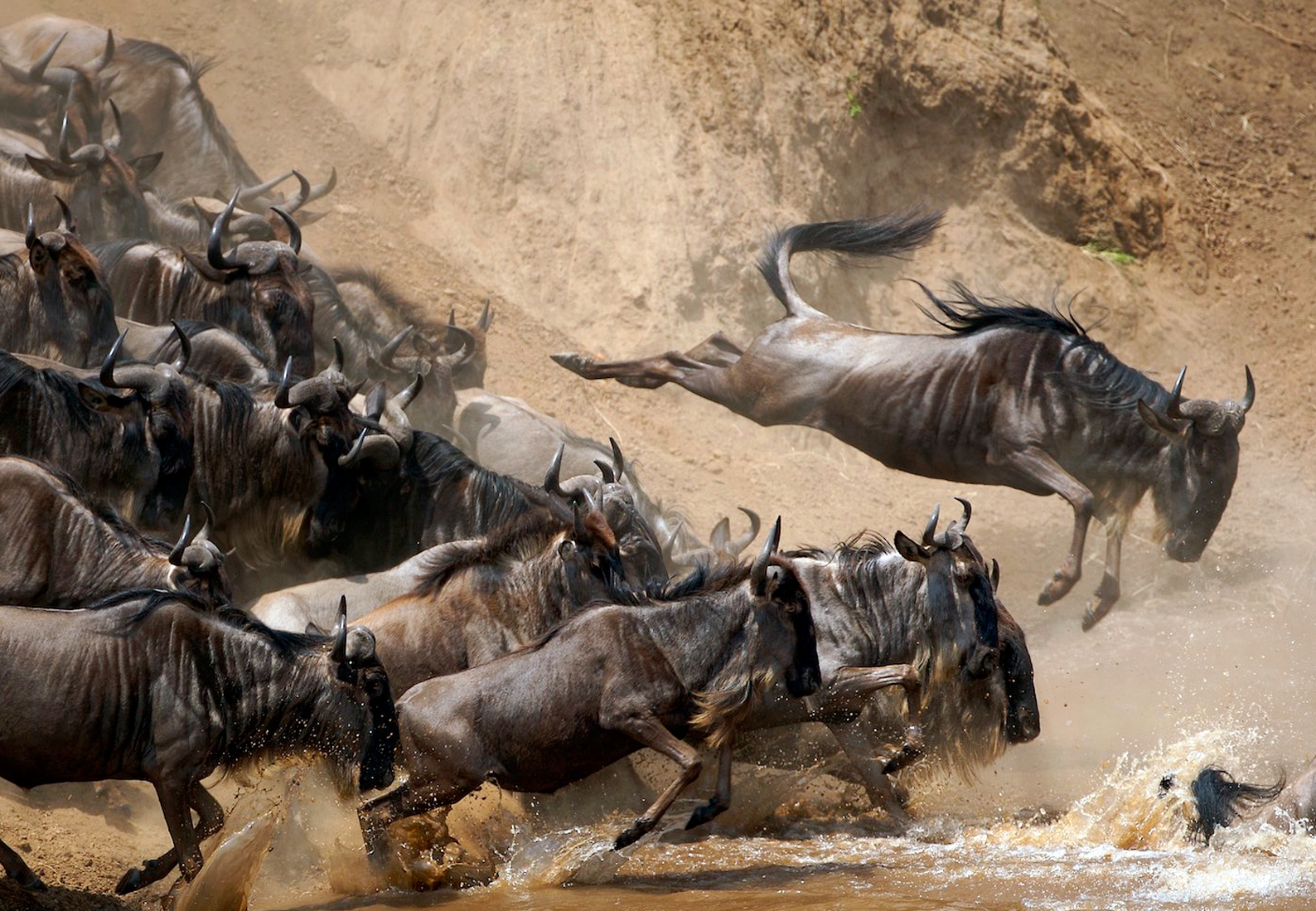
One of the most famous national parks in the world, the Serengeti is known for its annual wildebeest migration and abundant wildlife.
Nature
Full day to multi-day safari
Expensive
Ngorongoro Conservation Area
This UNESCO World Heritage Site is known for its Ngorongoro Crater, a natural amphitheater filled with wildlife.
Nature
Full day to multi-day safari
Expensive
Tarangire National Park
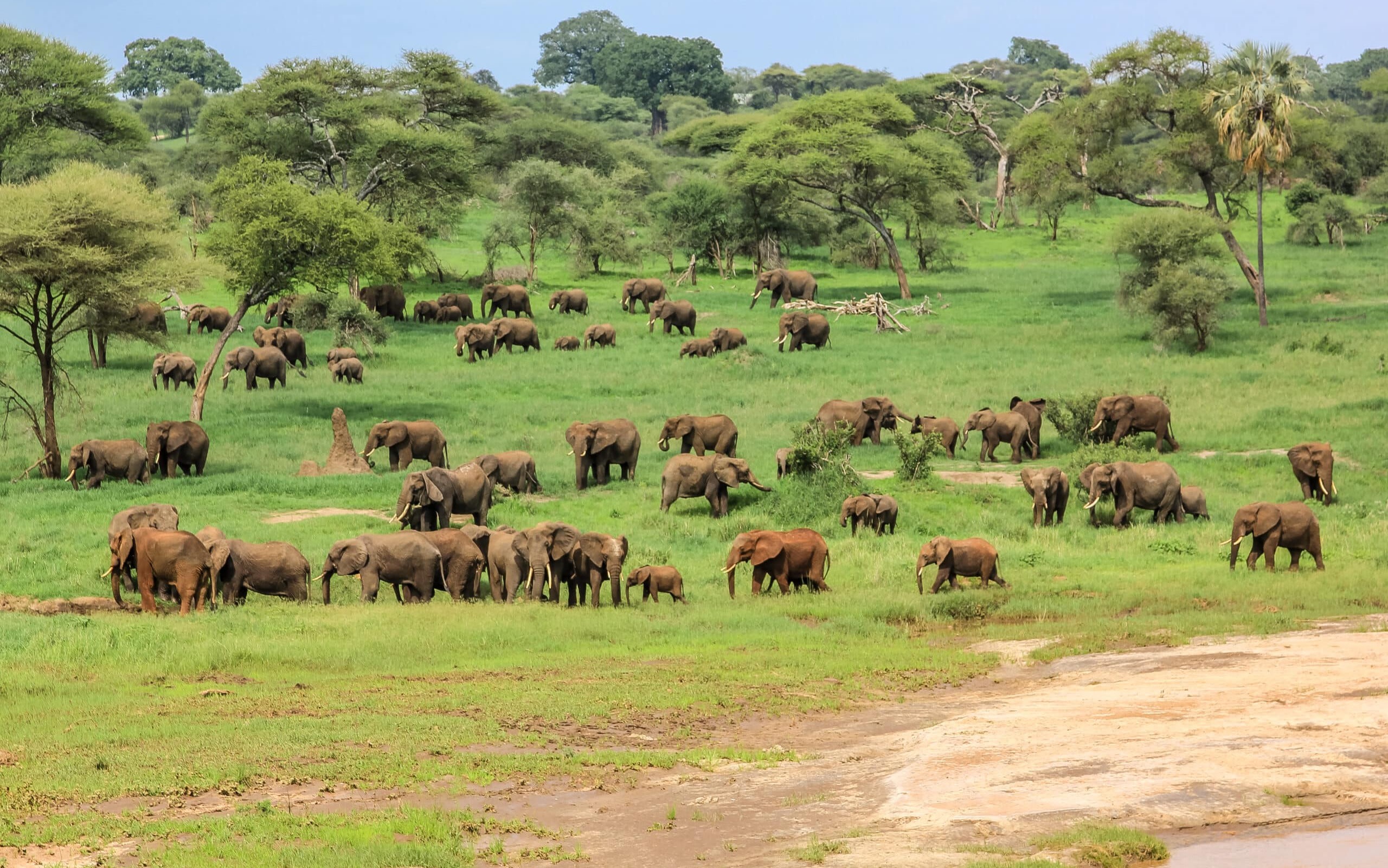
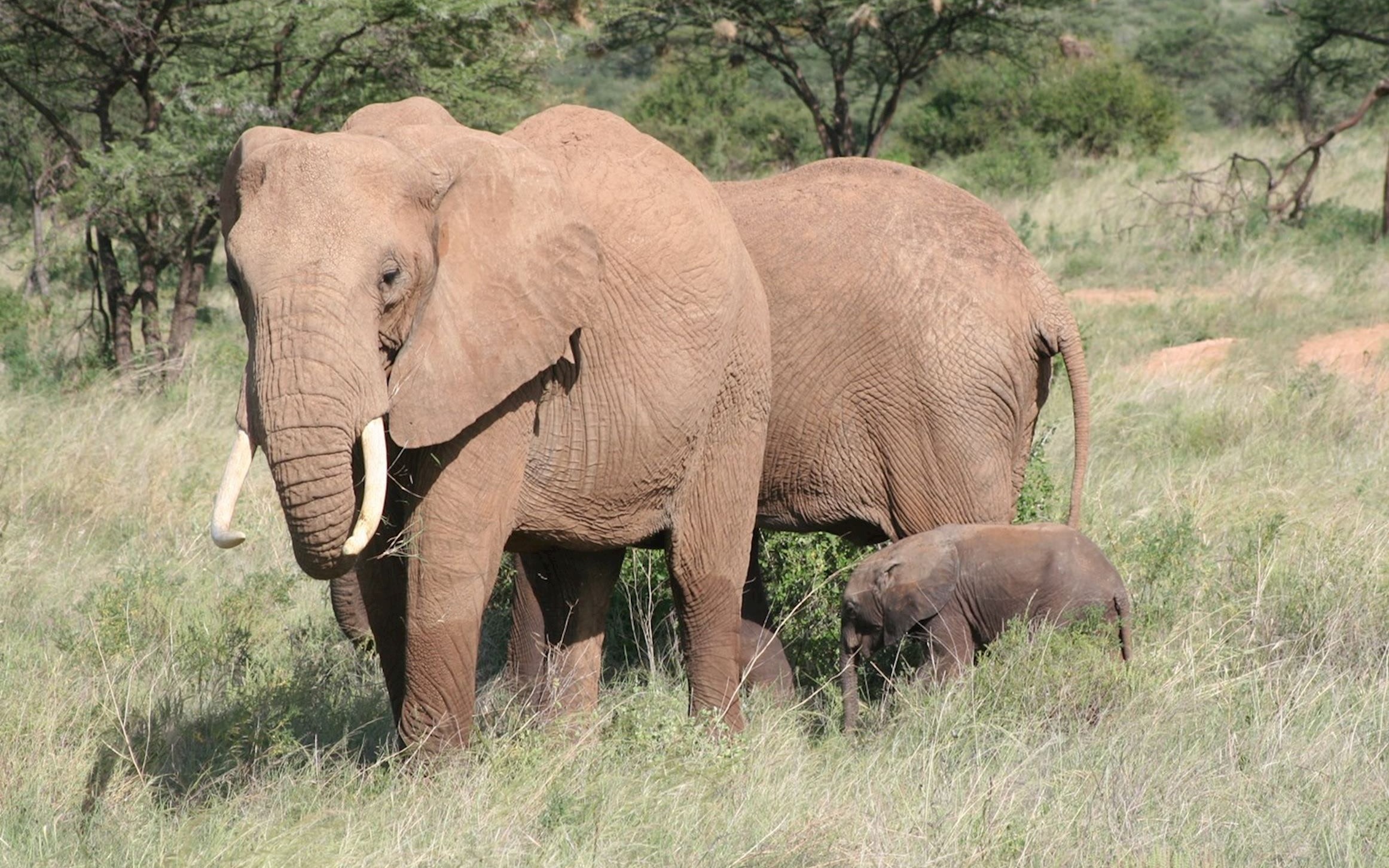
Known for its large elephant herds and ancient baobab trees, Tarangire offers a unique safari experience.
Nature
Full day
Moderate
Arusha Cultural Heritage Centre
This center showcases the rich cultural heritage of Tanzania, with a focus on the Maasai and other local tribes.
Cultural
1-2 hours
Low
Must-Try Local Dishes
Ugali
A thick porridge made from cornmeal, often served with stews or sauces.
Staple food
Vegetarian
Nyama Choma
Grilled meat, often served with kachumbari (a tomato and onion salad).
Main dish
Contains meat
Pilau
A spiced rice dish cooked with meat and vegetables.
Main dish
Contains meat
Mandazi
Sweet fried dough, often served with tea.
Snack
Vegetarian
Popular Activities
Trekking Mount Meru
Safari in Serengeti National Park
Hot air balloon safari in Serengeti
Visit Lake Momella
Coffee tasting at local cafes
Spa treatments at luxury hotels
Visit Arusha Cultural Heritage Centre
Cultural tour of Mto wa Mbu
Best Time to Visit
June to October
This is the dry season, offering the best wildlife viewing conditions. The weather is warm and sunny, making it ideal for safaris and outdoor activities.
15-25°C
59-77°F
Practical Information
Language
- Official: Swahili, English
- Widely spoken: Swahili, English, Maasai
- English: Widely spoken in tourist areas, moderately spoken elsewhere
Currency
Tanzanian Shilling (TZS)
Time Zone
GMT+3
Electricity
230VV, 50HzHz
Safety Information
Overall Safety Rating: Generally safe with exercise of caution
Arusha is generally safe for tourists, but petty crime and scams can occur. Exercise caution, especially at night and in crowded areas.
Important Precautions:
- • Be cautious of strangers offering help or services
- • Use reputable tour operators and guides
- • Avoid displaying valuables in public
Getting there
By air
- Arusha Airport • 4 km from city center
- Kilimanjaro International Airport • 45 km from Arusha
By bus
Arusha Bus Terminal
Getting around
Public transport
Daladala are minibuses that are the primary mode of public transport in Arusha. They are affordable but can be crowded.
Taxis
Available • Apps: Uber, Bolt
Rentals
Car, Bike, Scooter
Neighborhoods
Downtown Arusha
Themi
Ngurdoto
Day trips
Lake Manyara National Park
126 km from Arusha • Full day
Known for its diverse landscapes and abundant wildlife, including tree-climbing lions and large flocks of flamingos.
Mount Kilimanjaro
70 km from Arusha • Multi-day trek
The highest peak in Africa, offering challenging treks and breathtaking views.
Mto wa Mbu
30 km from Arusha • Half day
A vibrant village known for its cultural diversity and traditional markets.
Festivals
Arusha International Film Festival • July
Maasai Cultural Festival • Varies, typically during the dry season
Arusha Festival of Lights • December
Pro tips
- Book tours and accommodations in advance, especially during peak seasons
- Hire a reputable guide for trekking and safaris
- Learn a few basic Swahili phrases to enhance your cultural experience
- Carry small denominations for markets and tipping
- Dress modestly and respect local customs and traditions
From $25
per person
Price varies by option
Secure booking
Free cancellation available
Instant confirmation