Full Day Trip From Belgrade: Studenica Monastery And Zica Monastery Tour
Active
9h
For a full refund, cancel at least 24 hours before the scheduled departure time.
Instant confirmation
Mobile or paper ticket accepted
About this experience
1. Hotel pick up
2. Two people form a group, send a group every day
3. Comfortable air-conditioned car throughout the journey
4.WhatsApp group follow up, service quality
Available options
Shared Travel (No Guide)
Small Group<br/>Pickup included
Private Travel(English Guide)
Small Group<br/>Pickup included
What's included
All Fees and Taxes
Air-conditioned vehicle
Detailed itinerary
1
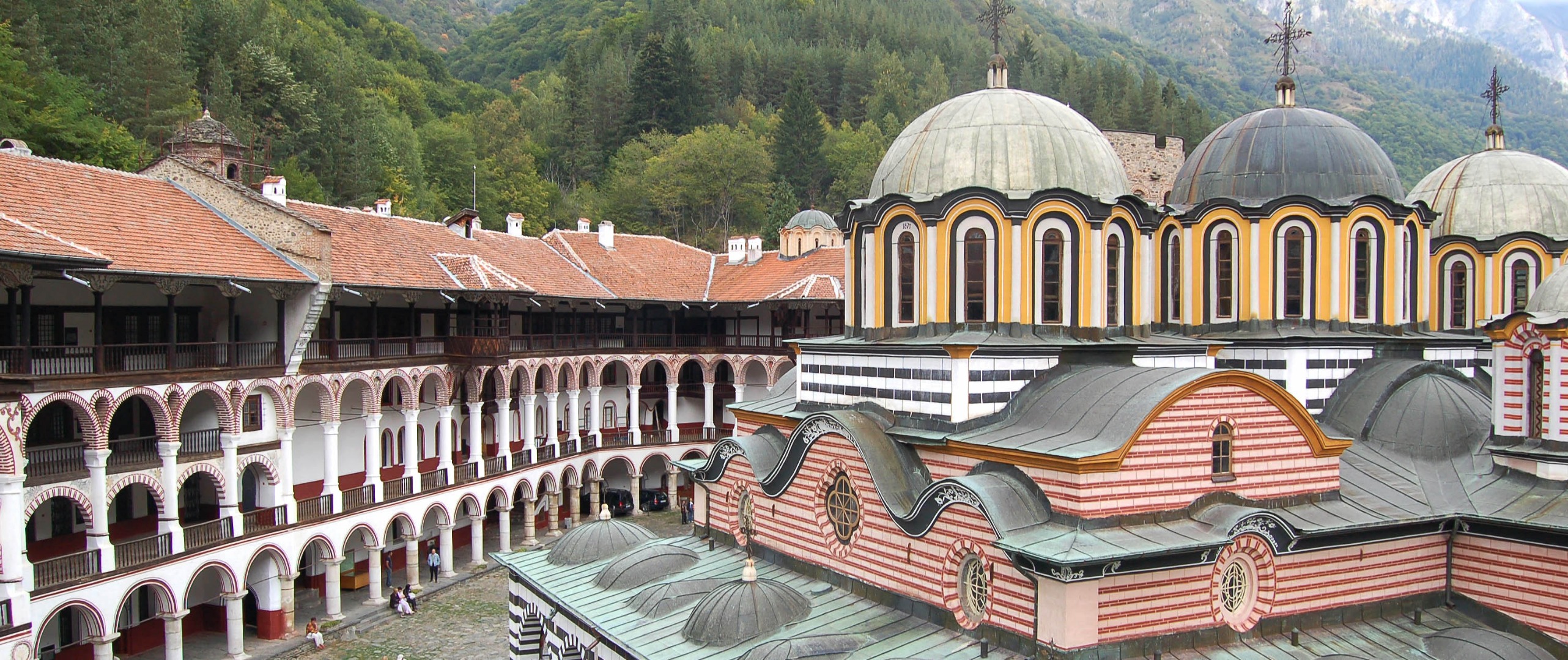
Zica Monastery is one of the more important medieval churches in Serbia. The monastery looks mediocre, but it has a lot of background. It is the first monastery in Serbia to receive the seat of bishop. St. Sava is here for the coronation and anointing ceremony of Stefan Nimanya II. Here, you can admire the murals in the courtyard, listen to the monks telling the monastery’s past, present and past, and feel the past glory of the Nimanya dynasty.
2
The exact date and builder of Maglic fortress are unknown, and there is no record of the fortress's early days. According to archaeological findings, it was built in the 13th century. The fort was built on the top of a mountain surrounded by water on three sides. It has a unique monitoring perspective and guarded the only way from the ancient city of Las to the central Serbia plain at that time. All people and horses must pass by the river at the foot of the fort, which is a natural danger. . The fortress is surrounded by eight towers and connected city walls. Inside the fortress are weapons depots, barracks, command rooms, churches and other ruins. When it was built, it was used to defend nearby towns and monasteries. It also served as an army station during the Ottoman Empire. During the Serbian Revolution, it was used as a stronghold for an uprising, and it is one of the fortress sites in Serbia today that are relatively intact.
3
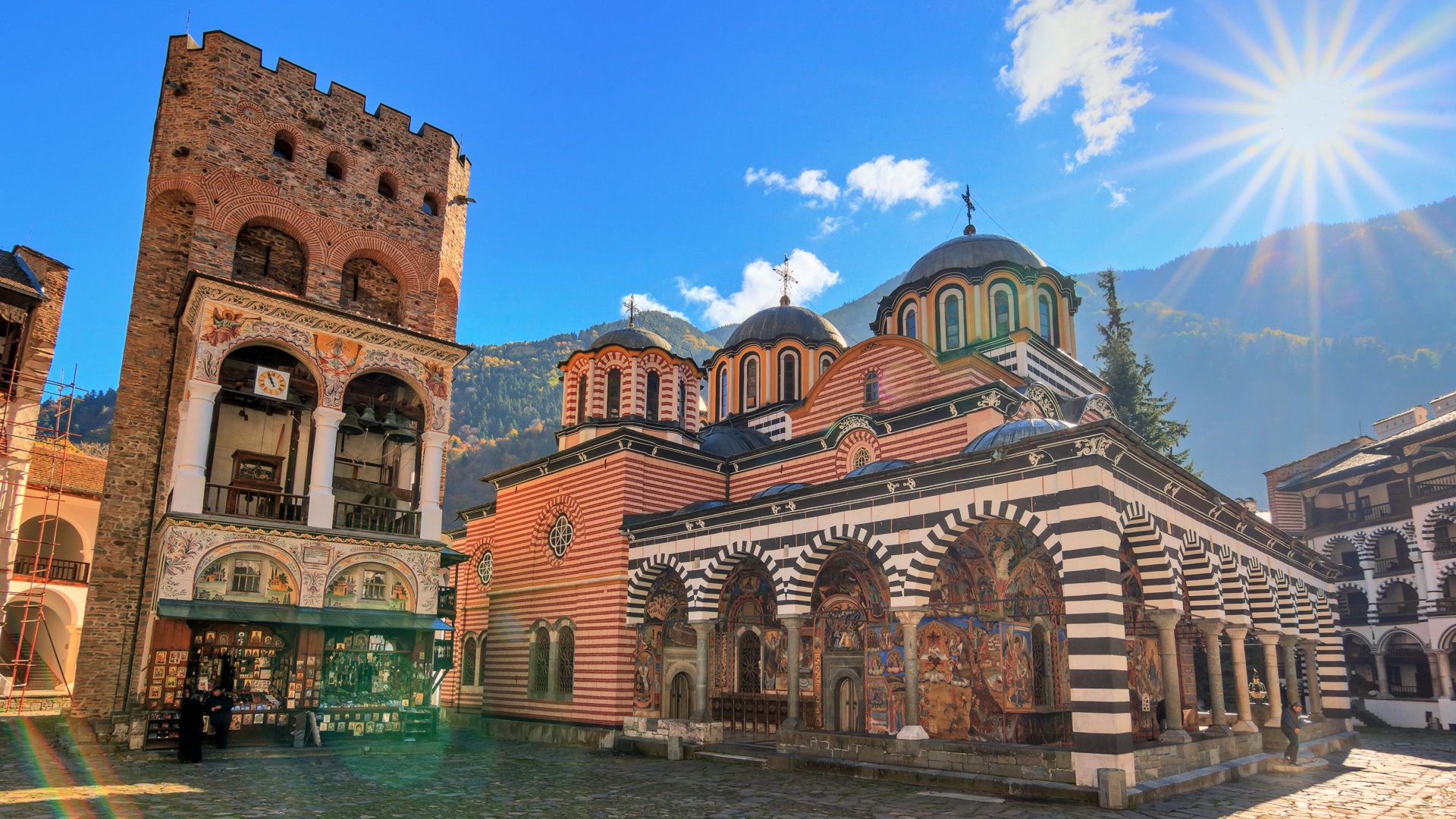
The Nimanya dynasty in the Middle Ages is the most glorious page in Serbian history. Many monasteries built here have become Serbian precious cultural heritage. The Studenica Monastery was built by the founder of the Nimanya dynasty, Stefan Nimanya I. He was finally buried here. The importance of the monastery is self-evident. It has become one of the four world cultural heritage sites in Serbia. Here, you can visit the exquisite frescoes and learn about the history of the monastery and even Serbia’s medieval history with the monks.
What's not included
Lunch
entrance fee
Available languages
Guide guide
EN
ZH-CN
Reviews breakdown
Tripadvisor
5.0
1 reviews
5★
1
4★
0
3★
0
2★
0
1★
0
Important information
Public transportation options are available nearby
Specialized infant seats are available
Not recommended for pregnant travelers
Not recommended for travelers with poor cardiovascular health
Suitable for all physical fitness levels
About Belgrade
Belgrade, the vibrant capital of Serbia, is a city where ancient history and modern life intersect. Known for its lively nightlife, rich cultural heritage, and strategic location at the confluence of the Sava and Danube rivers, Belgrade offers a unique blend of Eastern and Western European influences. Its resilient spirit and diverse attractions make it a captivating destination for travelers.
Top Attractions
Belgrade Fortress
The Belgrade Fortress is one of the city's most iconic landmarks, offering stunning views of the confluence of the Sava and Danube rivers. The fortress has a rich history dating back to the Roman era and has been the site of numerous battles and sieges.
Historical/Architecture
1-2 hours
Free
Knez Mihailova Street
Knez Mihailova Street is one of the most famous pedestrian streets in Belgrade, lined with historic buildings, shops, and cafes. It's a great place to experience the city's vibrant atmosphere and do some shopping.
Shopping/Cultural
1-2 hours
Free to explore
Saint Sava Temple
Saint Sava Temple is one of the largest Orthodox churches in the world and a significant religious and cultural landmark in Belgrade. The temple is dedicated to Saint Sava, the founder of the Serbian Orthodox Church, and features stunning Byzantine-style architecture and intricate mosaics.
Religious/Architecture
1-2 hours
Free
Skadarlija
Skadarlija is a charming, bohemian street in the heart of Belgrade, known for its traditional restaurants, live music, and artistic atmosphere. It's a great place to experience the city's vibrant nightlife and sample some delicious Serbian cuisine.
Cultural/Entertainment
1-2 hours
Moderate (for dining and drinks)
Ada Ciganlija
Ada Ciganlija is a popular recreational area and artificial lake in Belgrade, often referred to as the 'Belgrade Sea'. It's a great place to escape the city's hustle and bustle, with numerous beaches, sports facilities, and picnic areas.
Nature/Recreation
Half day to full day
Free (some activities may have fees)
Must-Try Local Dishes
Ćevapi
Ćevapi are small, grilled sausages made from a mixture of minced meats, usually beef and pork. They are typically served with flatbread, onions, and ajvar (a red pepper and eggplant spread).
Main course
Contains meat
Pljeskavica
Pljeskavica is a Serbian-style burger made from a mixture of minced meats, usually beef and pork, and seasoned with various spices. It is typically served with flatbread, onions, and ajvar.
Main course
Contains meat
Sarma
Sarma is a traditional Serbian dish made from cabbage leaves stuffed with a mixture of minced meat, rice, and spices. It is usually served with mashed potatoes and ajvar.
Main course
Contains meat
Burek
Burek is a flaky, layered pastry filled with a variety of ingredients, such as minced meat, cheese, or spinach. It is a popular street food and can be found in bakeries and fast-food restaurants throughout the city.
Snack/Dessert
Can be vegetarian or vegan (cheese or spinach filling)
Popular Activities
Hiking in Tara National Park
Boat tours on the Danube River
Skiing in Zlatibor
Picnicking in Ada Ciganlija
Spa treatments in luxury hotels
Wine tasting in Oplenac
Visiting museums and galleries
Attending traditional music and dance performances
Best Time to Visit
May to September
This period offers warm weather and numerous outdoor festivals, making it the most popular time to visit. However, it can be crowded, especially in July and August.
15°C to 30°C
59°F to 86°F
Practical Information
Language
- Official: Serbian
- Widely spoken: English, Russian, German
- English: Moderately spoken
Currency
Serbian Dinar (RSD)
Time Zone
CET (GMT+1) / CEST (GMT+2, during daylight saving time)
Electricity
220VV, 50HzHz
Safety Information
Overall Safety Rating: Generally safe
Belgrade is generally a safe city for travelers, with low levels of violent crime. However, petty crime, such as pickpocketing and bag snatching, can occur in crowded areas and on public transportation. It's important to be aware of your surroundings and take precautions to protect your belongings.
Important Precautions:
- • Be aware of your surroundings and keep your belongings secure
- • Use licensed taxis or ride-sharing services, and insist on the meter being turned on
- • Check the menu and prices before ordering in restaurants and bars
Getting there
By air
- Belgrade Nikola Tesla Airport • 18 km (11 miles) from city center
By train
Belgrade Central Station
By bus
Lasta Bus Terminal, Lasta Bus Terminal 2
Getting around
Public transport
Belgrade's bus network is extensive and covers most of the city. Buses are generally reliable and affordable, but can be crowded during peak hours.
Taxis
Available • Apps: Yandex.Taxi, Bolt
Rentals
Car, Bike, Scooter
Neighborhoods
Stari Grad (Old Town)
Savski Venac
Palilula
Zvezdara
New Belgrade
Day trips
Novi Sad
90 km (56 miles) from Belgrade • Full day
Novi Sad is a charming city in northern Serbia, known for its historic architecture, vibrant cultural scene, and proximity to the Danube River. It's a great destination for a day trip from Belgrade, offering a mix of history, culture, and natural beauty.
Golubac Fortress
100 km (62 miles) from Belgrade • Half day to full day
Golubac Fortress is a stunning medieval fortress located on the banks of the Danube River, near the town of Golubac. It's a great destination for a day trip from Belgrade, offering a mix of history, architecture, and natural beauty.
Oplenac
130 km (81 miles) from Belgrade • Full day
Oplenac is a small town in central Serbia, known for its stunning Byzantine-style churches and royal mausoleums. It's a great destination for a day trip from Belgrade, offering a mix of history, architecture, and natural beauty.
Festivals
Belgrade Beer Fest • Late August to early September
Belgrade International Theatre Festival (BITEF) • September
Belgrade Jazz Festival • October
Pro tips
- Visit the Belgrade Fortress at sunset for a romantic and breathtaking view of the city
- Explore the city's vibrant nightlife in Skadarlija, a charming, bohemian street lined with traditional restaurants and live music venues
- Try some local delicacies, such as ćevapi, pljeskavica, and burek, at one of the city's many street food stalls and markets
- Take a day trip to Novi Sad, a charming city in northern Serbia known for its historic architecture, vibrant cultural scene, and proximity to the Danube River
- Visit the Ada Ciganlija, a popular recreational area and artificial lake in Belgrade, offering a variety of beaches, sports facilities, and picnic areas.
From $25
per person
Price varies by option
Secure booking
Free cancellation available
Instant confirmation