Private Abusimbel Day Tour with lunch
Active
10h - 12h
For a full refund, cancel at least 24 hours before the scheduled departure time.
Instant confirmation
Mobile or paper ticket accepted
About this experience
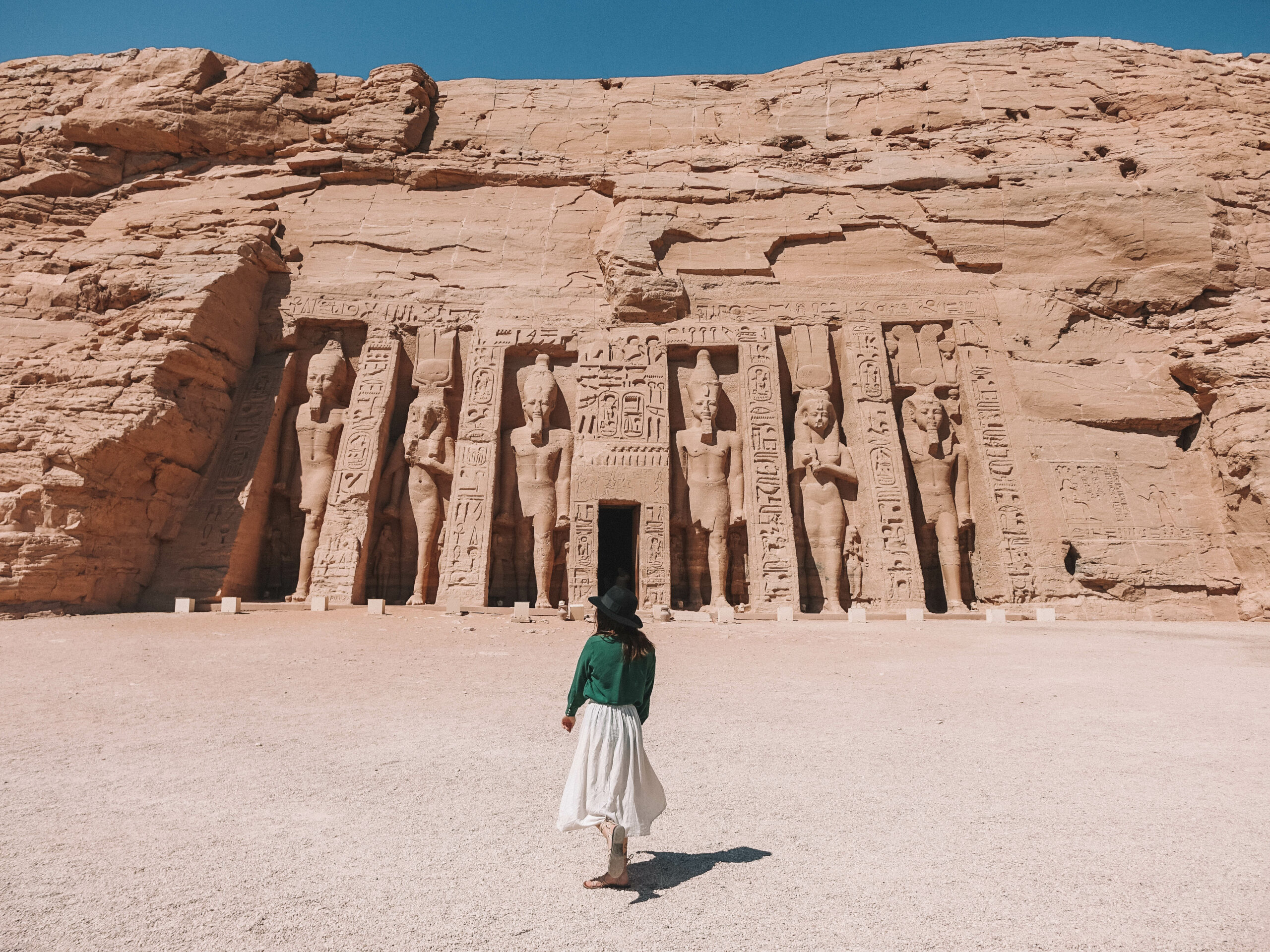
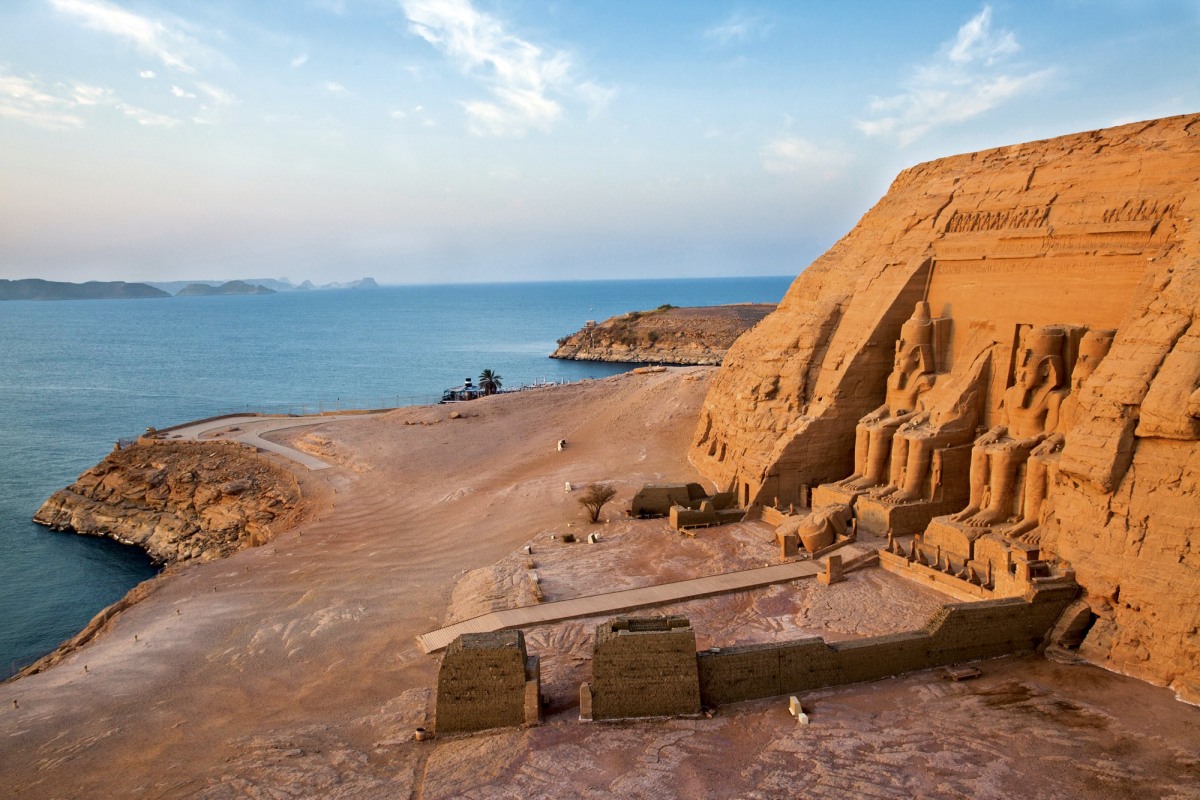
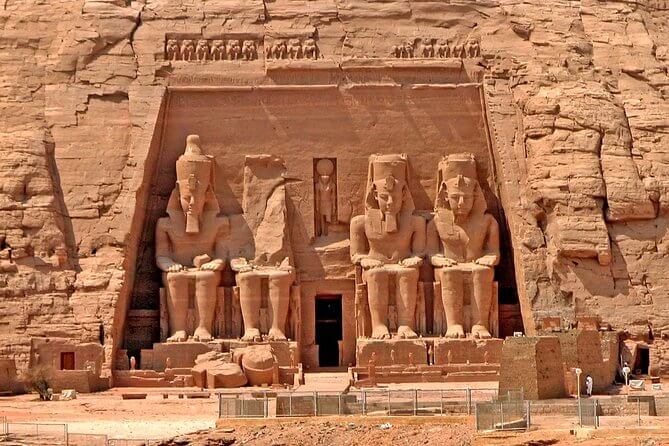
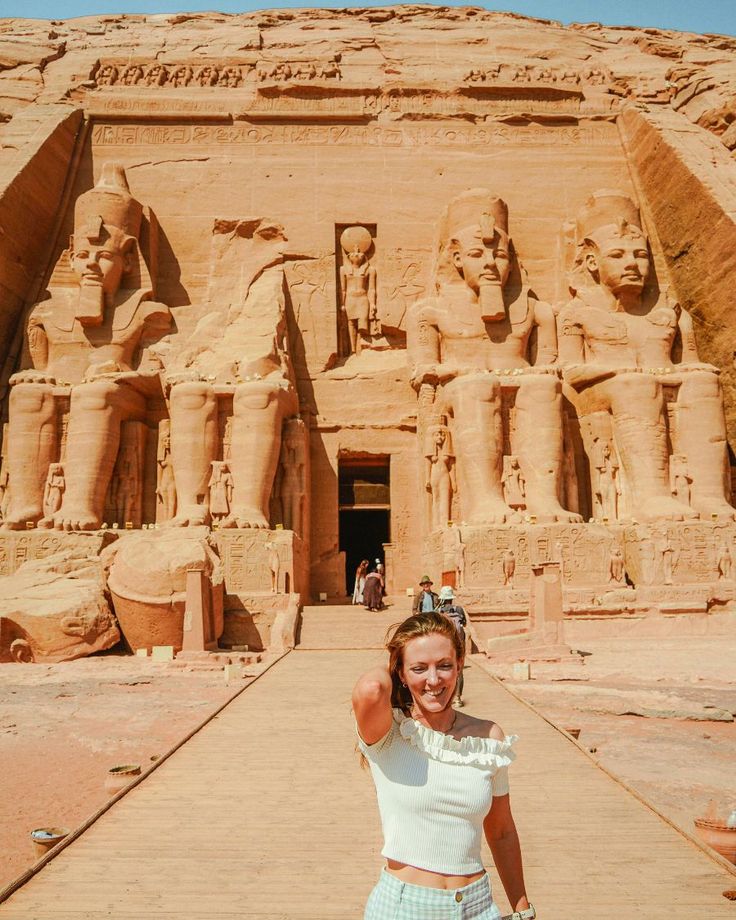
Abu Simbel is two massive rock-cut temples in the village of Abu Simbel (Arabic: أبو سمبل), Aswan Governorate, Upper Egypt, near the border with Sudan. They are situated on the western bank of Lake Nasser, about 230 km (140 mi) southwest of Aswan (about 300 km (190 mi) by road). The complex is part of the UNESCO World Heritage Site known as the "Nubian Monuments",[1] which run from Abu Simbel downriver to Philae (near Aswan), and include Amada, Wadi es-Sebua, and other Nubian sites. The twin temples were originally carved out of the mountainside in the 13th century BC, during the 19th Dynasty reign of the Pharaoh Ramesses II. They serve as a lasting monument to the king Ramesses II. His wife Nefertari and children can be seen in smaller figures by his feet, considered to be of lesser importance and were not given the same position of scale. This commemorates his victory at the Battle of Kadesh. Their huge external rock relief figures have become iconic.
Available options
Private Abusimbel Day Tour with lunch
Pickup included
What's included
Lunch
pickup&drop off services
All Fees and Taxes
Local licensed guides
Admission
Detailed itinerary
1
Stop 1
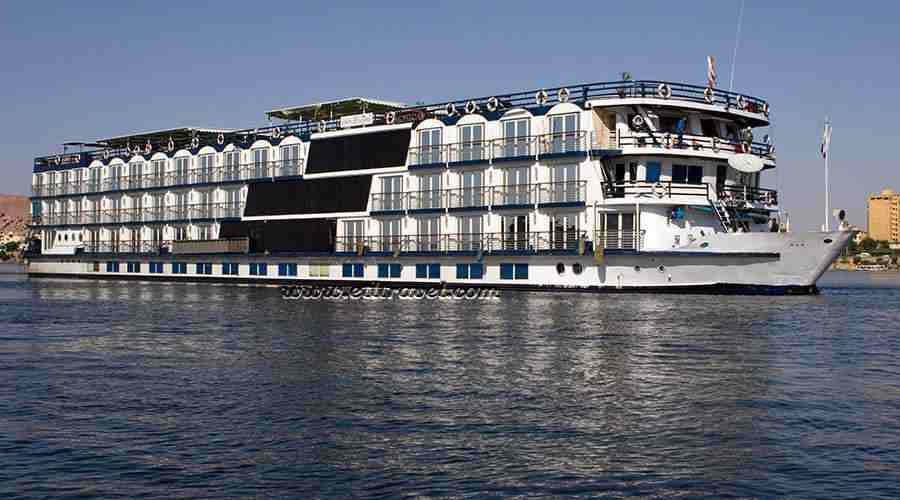
Our representative will pick you up from your hotel in Aswan,airport, rial way station or your Nile Cruise to start your Abu Simbel tour by a private air conditioned vehicle. 290 KM south of Aswan,The temple has been discovered by Burckhardt in 1813 and penetrated by Giovanni Belzoni in 1817. Today, as a result of the international effort which moved the huge, cliff-cut temple and the Small Temple to higher around during the construction of the Aswan High Dam in the 1960.
The temple was called simply Hut Ramesses Meryamun, “The Temple of Ramesses, Beloved of Amun.
The Great Temples of Abusimbel are rock cut temples temple was built in honour of Ramesses II and another for his beloved wife, Nefertari, and the goddess Hathor, the deity most closely associated with queen ship in ancient Egypt. Alocal guide will be waiting for you upon arrival .at the End of your Abu Simbel tour, drive 5 minutes to Kabara restaurant ,lake view for lunch ,drive back to Aswan ,drop off any where you choose.
What's not included
Driver,s tipping
Personal gratitues
Available languages
Guide guide
DE
EN
IT
FR
ES
Reviews breakdown
Viator
5.0
1 reviews
5★
1
4★
0
3★
0
2★
0
1★
0
Tripadvisor
4.5
2 reviews
5★
1
4★
1
3★
0
2★
0
1★
0
Important information
Wheelchair accessible
Infants and small children can ride in a pram or stroller
Service animals allowed
Public transportation options are available nearby
Infants are required to sit on an adult’s lap
Specialized infant seats are available
Transportation options are wheelchair accessible
All areas and surfaces are wheelchair accessible
Suitable for all physical fitness levels
About Aswan
Aswan is a charming city on the Nile River, known for its rich history, ancient temples, and stunning Nile landscapes. It offers a more relaxed and authentic Egyptian experience compared to the bustling cities of Cairo and Luxor.
Top Attractions
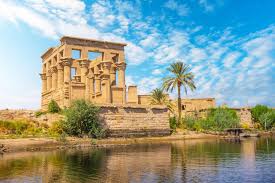
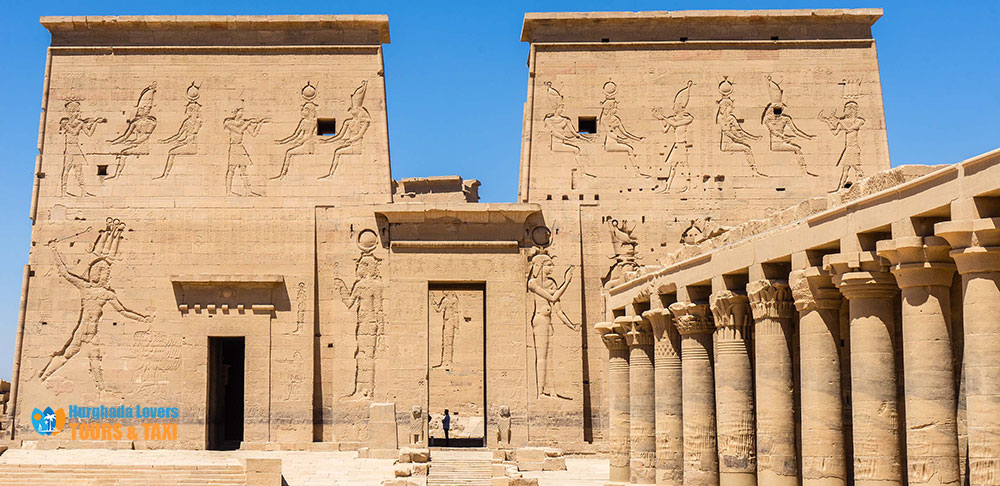
Philae Temple
A stunning temple complex dedicated to the goddess Isis, relocated to Agilkia Island due to the Aswan High Dam.
Historical
2-3 hours
EGP 180
Aswan High Dam
A massive dam on the Nile River, built to control flooding and generate hydroelectric power.
Historical
1-2 hours
EGP 10
Abu Simbel
A magnificent temple complex built by Ramses II, featuring colossal statues of the pharaoh.
Historical
Full day
EGP 300 (including transport)
Elephantine Island
An island in the Nile River with ancient ruins and a rich history dating back to the Old Kingdom.
Historical
2-3 hours
EGP 100
Nubian Museum
A museum dedicated to the history and culture of the Nubian people, featuring artifacts and exhibits.
Museum
1-2 hours
EGP 100
Must-Try Local Dishes
Ful Medames
A traditional fava bean dish, often served with falafel and tahini.
Breakfast
Vegetarian
Grilled Nile Fish
Fresh Nile fish grilled and served with garlic sauce and vegetables.
Dinner
Gluten-free
Koshari
A popular street food made with rice, lentils, pasta, and crispy onions, topped with tomato sauce.
Lunch
Vegetarian
Basbousa
A sweet semolina cake soaked in syrup, often flavored with coconut or rosewater.
Dessert
Vegetarian
Popular Activities
Nile cruises
Fishing on Lake Nasser
Quad biking in the desert
Boat trips on the Nile
Spa treatments
Sunset cruises
Visiting Philae Temple
Exploring the Nubian Museum
Best Time to Visit
October to April
This period offers pleasant weather with cooler temperatures, making it ideal for sightseeing and outdoor activities.
18°C to 30°C
64°F to 86°F
Practical Information
Language
- Official: Arabic
- Widely spoken: English, French
- English: Moderately spoken
Currency
Egyptian Pound (EGP)
Time Zone
EET (GMT+2)
Electricity
220VV, 50HzHz
Safety Information
Overall Safety Rating: Generally safe
Aswan is generally safe for tourists, but standard precautions should be taken to avoid scams and petty theft.
Important Precautions:
- • Bargain for prices in markets and taxis.
- • Be cautious of strangers offering unsolicited help or tours.
- • Keep valuables secure and be aware of your surroundings.
Getting there
By air
- Aswan International Airport • 10 km from city center
By train
Aswan Railway Station
By bus
Aswan Bus Station
Getting around
Public transport
Buses are the most common form of public transport, connecting major areas within the city.
Taxis
Available • Apps: Uber, Careem
Rentals
Car, Bike, Scooter
Neighborhoods
Corniche El-Nil
Souq Area
West Aswan
Day trips
Abu Simbel
280 km • Full day
A stunning temple complex built by Ramses II, featuring colossal statues of the pharaoh.
Lake Nasser
50 km • Half day to full day
A vast artificial lake created by the Aswan High Dam, offering scenic views and water activities.
Kom Ombo
50 km • Half day
A temple complex dedicated to the crocodile god Sobek, offering insights into ancient Egyptian history.
Festivals
Aswan International Festival of Nubian Arts • February
Aswan Film Festival for Nubian Arts • October
Ramadan • Varies (Islamic calendar)
Pro tips
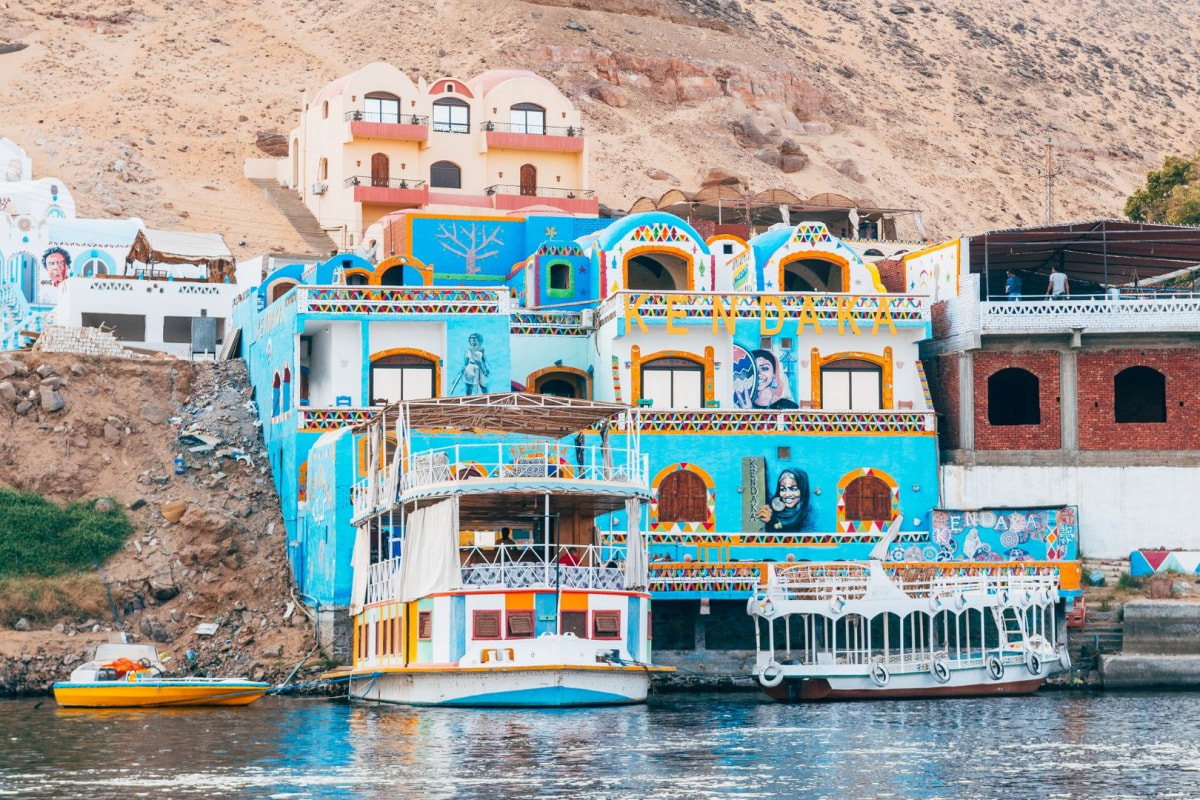
- Visit the Nubian villages for an authentic cultural experience.
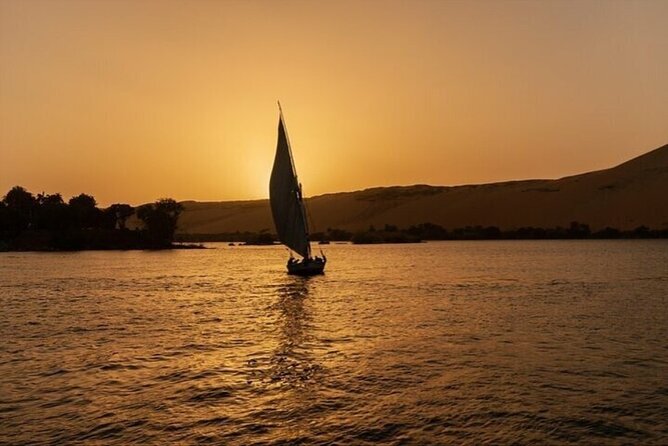
- Take a felucca sailboat ride on the Nile at sunset for stunning views.
- Bargain for prices in markets and taxis to get the best deals.
- Carry small denominations of Egyptian pounds for tips and small purchases.
- Dress modestly and respect local customs, especially in religious sites.
From $25
per person
Price varies by option
Secure booking
Free cancellation available
Instant confirmation