Cathedral Crypts and Medieval History Tour
Active
2h - 3h
For a full refund, cancel at least 24 hours before the scheduled departure time.
Instant confirmation
Mobile or paper ticket accepted
About this experience
Travel back in time and uncover the medieval history of Vilnius, exploring the city’s past and its legendary rulers. From ancient settlers to the Grand Dukes, this tour offers a captivating look at how Vilnius and Lithuania developed through the centuries.
Your adventure begins at the monument of Grand Duke Gediminas, where you’ll meet your guide, easily recognizable by a yellow sign, umbrella, or bag. During the first hour, you’ll explore key historical sites, including the Old Arsenal, the National Museum and Gediminas Castle (viewed from below, without climbing the hill). Along the way, you’ll learn about Lithuania’s first inhabitants, the Baltic tribes and much more!
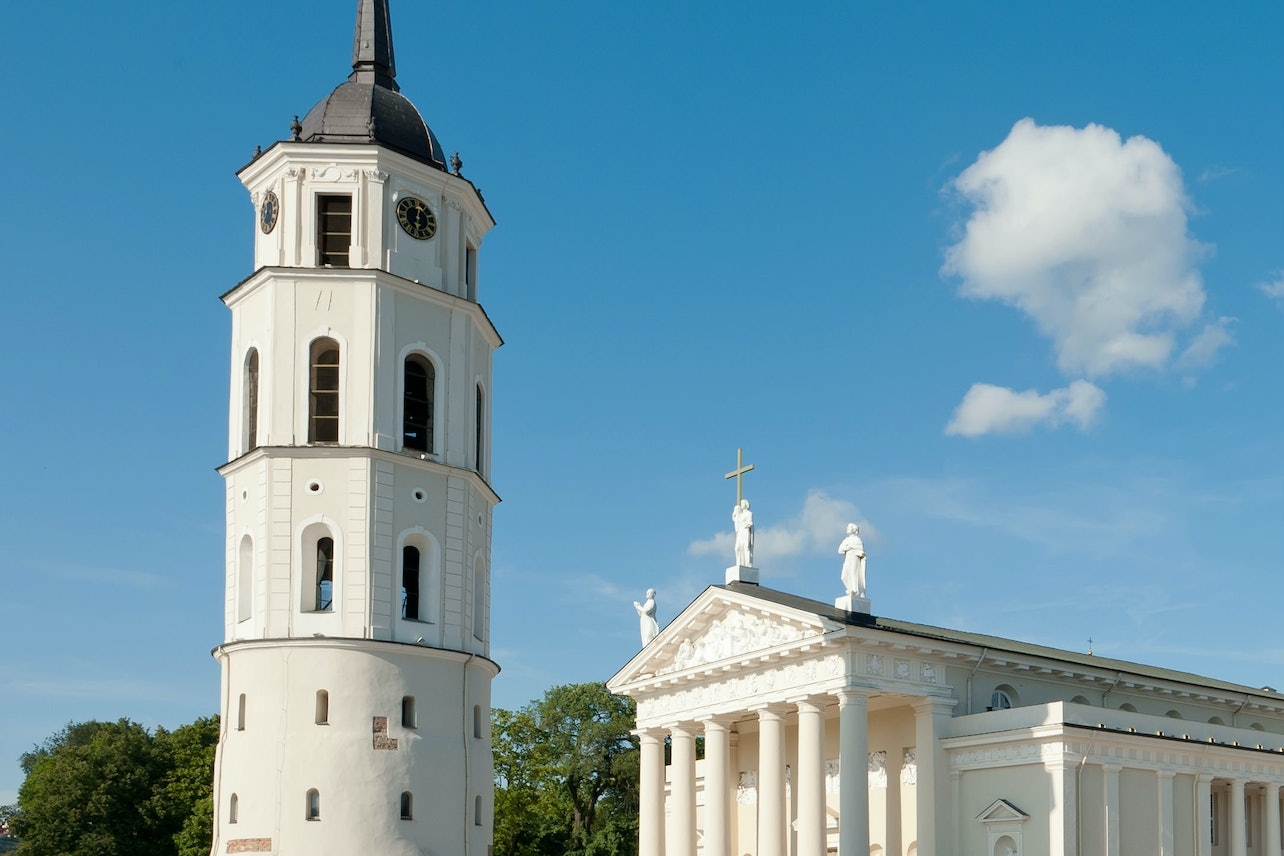
Next, step inside Vilnius Cathedral and descend beneath its grand halls into the crypts. These chambers hold centuries-old secrets, from noble burials to hidden stories waiting to be revealed. Learn about the significance of the Cathedral, the rulers laid to rest here, and the mysteries that still linger.
Available options
Cathedral Crypts and Medieval History Tour
What's included
Knowledgeable guide
Ticket to the Cathedral crypts
Detailed itinerary
1
Meeting point. The guide is recognizable by a yellow sign, umbrella, or bag!
2
We discuss the earliest inhabitants of the area, how the Baltic tribes emerged here, what the Pagan religion was about and how the city oh Vilnius was established at this location
3
Stop 3
Pass by
We explain what the building was before and what to expect in case you decide to visit it later after the tour
4
We cover the conditions under which the Lithuanian Kingdom was created in 13th century. The early development of the Medieval country
5
Stop 5
Pass by
We do not climb to the hill, we check the beautiful view of the tower from the bottom and discuss the purpose of the defensive castle in Vilnius
6
Stop 6
We visit the yard of the palace and understand why it was build here, learn about the great historical rulers and what we can find in the palace nowadays (we are not visiting the museum itself)
7
After walking outside, we descend into the mysterious crypts beneath Vilnius Cathedral, where we visit the chambers. We learn about the significance of the Cathedral, the people laid to rest here, the history of religious development of the country and the mysteries that still linger in its depths.
8
We learn about the buildings surrounding the Cathedral square, what was their initial purpose at the formation of the city of Vilnius
What's not included
Gratuities
The tour does not bring you up to Gediminas hill and castle
Available languages
Guide guide
EN
Reviews breakdown
Viator
4.8
6 reviews
5★
5
4★
1
3★
0
2★
0
1★
0
Tripadvisor
4.7
7 reviews
5★
6
4★
0
3★
1
2★
0
1★
0
Important information
Public transportation options are available nearby
Infants are required to sit on an adult’s lap
Suitable for all physical fitness levels
Not recommended for travelers with mobility difficulties
Not recommended for travelers with claustrophobia
Meeting point
A monument of a man (Gediminas) standing next to a horse, at the Cathedral square
About Vilnius
Vilnius is the charming capital of Lithuania, known for its medieval Old Town, a UNESCO World Heritage site, and its rich history blending various cultures. The city offers a unique mix of baroque architecture, vibrant arts scene, and lively café culture, making it a captivating destination for travelers.
Top Attractions
Vilnius Old Town
A UNESCO World Heritage site, the Old Town is the heart of Vilnius, filled with cobblestone streets, baroque churches, and colorful buildings.
Historical/Architecture
Half day to full day
Free to explore
Gediminas Castle Tower
A symbol of Vilnius, this castle tower offers panoramic views of the city and is a key historical landmark.
Historical/Architecture
1-2 hours
€5
Užupis Republic
A bohemian district with its own constitution and flag, Užupis is known for its artistic community and unique charm.
Cultural/Artistic
1-2 hours
Free
Vilnius Cathedral
The main cathedral of Vilnius, located in the heart of the Old Town, is a stunning example of neoclassical architecture.
Religious/Architecture
30 minutes to 1 hour
Free (€5 for the crypts and bell tower)
Vilnius University
One of the oldest universities in Eastern Europe, Vilnius University is known for its beautiful courtyards and historic buildings.
Historical/Educational
1-2 hours
€3 for a guided tour
Must-Try Local Dishes
Cepelinai
Large dumplings filled with minced meat, curd cheese, or mushrooms, typically served with sour cream.
Main Course
Vegetarian options available (cheese or mushroom filling)
Šaltibarščiai
A cold beetroot soup made with kefir, cucumbers, and dill, perfect for summer.
Soup
Vegetarian
Kibinai
Lithuanian pastries filled with meat, cheese, or vegetables, originating from the Lithuanian Karaites.
Snack
Vegetarian options available
Šakotis
A traditional Lithuanian tree cake made from a batter of flour, eggs, and sugar, baked on a spit.
Dessert
Contains gluten and eggs
Popular Activities
Hiking in the nearby forests and parks
Cycling along the EuroVelo routes
Spa and wellness treatments
Strolling through the Old Town and parks
Visiting museums and art galleries
Attending local festivals and events
Boat rides on the Vilnia River and nearby lakes
Skiing and snowboarding at nearby resorts
Best Time to Visit
June to August
This is the warmest and most popular time to visit, with long daylight hours and plenty of festivals and outdoor activities.
15°C to 25°C
59°F to 77°F
Practical Information
Language
- Official: Lithuanian
- Widely spoken: English, Russian
- English: Moderately spoken, especially among younger people and in tourist areas
Currency
Euro (EUR)
Time Zone
GMT+2 (EET), GMT+3 (EEST) during daylight saving time
Electricity
230VV, 50HzHz
Safety Information
Overall Safety Rating: Generally safe
Vilnius is generally safe for tourists, with low crime rates and a welcoming atmosphere. However, as with any destination, it's important to stay aware of your surroundings and take basic precautions.
Important Precautions:
- • Keep valuables secure and be aware of your surroundings in crowded areas.
- • Use licensed taxis or ride-sharing apps to avoid overcharging.
- • Be cautious when accepting drinks from strangers to avoid drink spiking.
Getting there
By air
- Vilnius Airport • 6 km from city center
By train
Vilnius Railway Station
By bus
Vilnius Bus Station
Getting around
Public transport
Buses are the most common form of public transport in Vilnius. The system is efficient and covers most of the city.
Taxis
Available • Apps: Bolt, Taxify
Rentals
Car, Bike, Scooter
Neighborhoods
Old Town (Senamiestis)
Užupis
Žvėrynas
Naujamiestis
Day trips
Trakai Island Castle
26 km from Vilnius • Half day to full day
A stunning medieval castle located on an island in Lake Galvė, offering a glimpse into Lithuania's rich history and beautiful surroundings.
Kaunas
93 km from Vilnius • Full day
The second-largest city in Lithuania, known for its rich history, vibrant arts scene, and beautiful architecture.
Hill of Crosses
12 km from Šiauliai (140 km from Vilnius) • Full day
A unique and moving site featuring thousands of crosses, a symbol of Lithuanian faith and resistance.
Festivals
Vilnius International Film Festival • March
Street Music Day • June
Vilnius Christmas Market • December
Pro tips
- Visit the Užupis Republic for a unique and quirky experience, and read the Užupis Constitution for a taste of the district's independent spirit.
- Take a guided tour of the Old Town to learn about Vilnius' rich history and hidden gems.
- Try traditional Lithuanian dishes like cepelinai, šaltibarščiai, and kibinai for an authentic culinary experience.
- Explore the local craft beer scene by visiting breweries and beer bars, such as Pilies Vartai and Alaus ir Kava.
- Visit the Hill of Crosses for a deeply spiritual and culturally significant experience, best done with a guided tour for context.
From $25
per person
Price varies by option
Secure booking
Free cancellation available
Instant confirmation