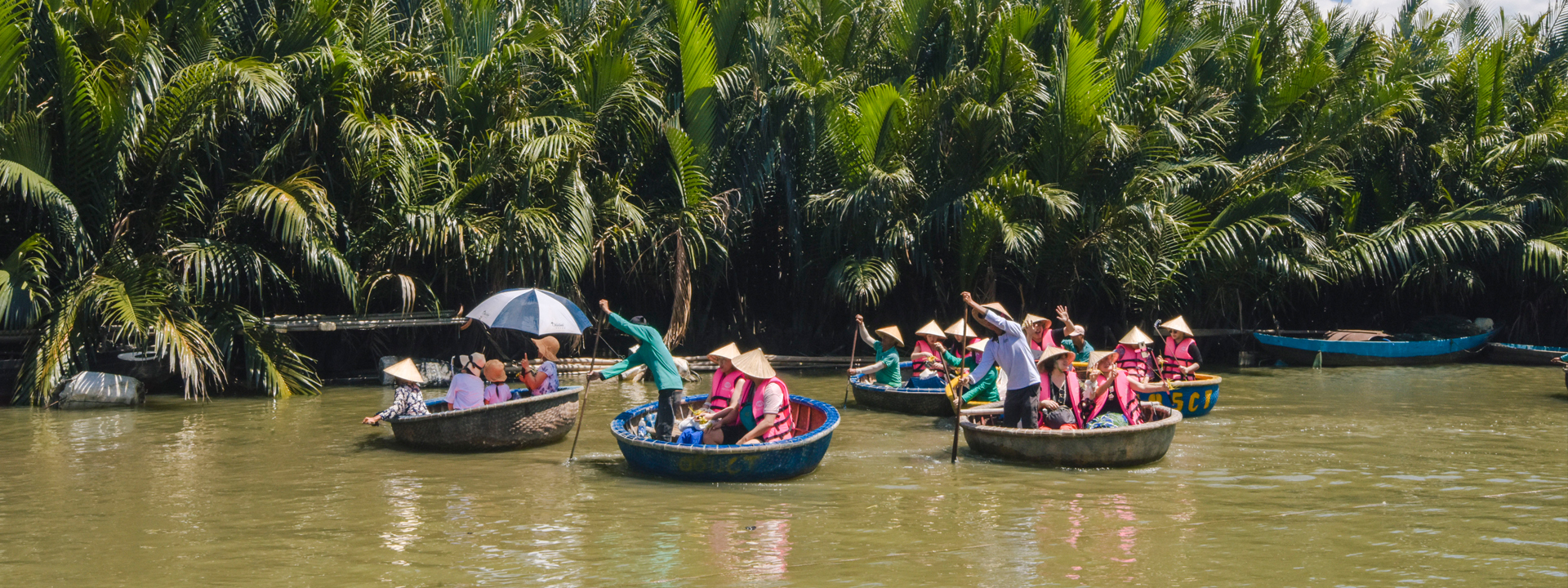
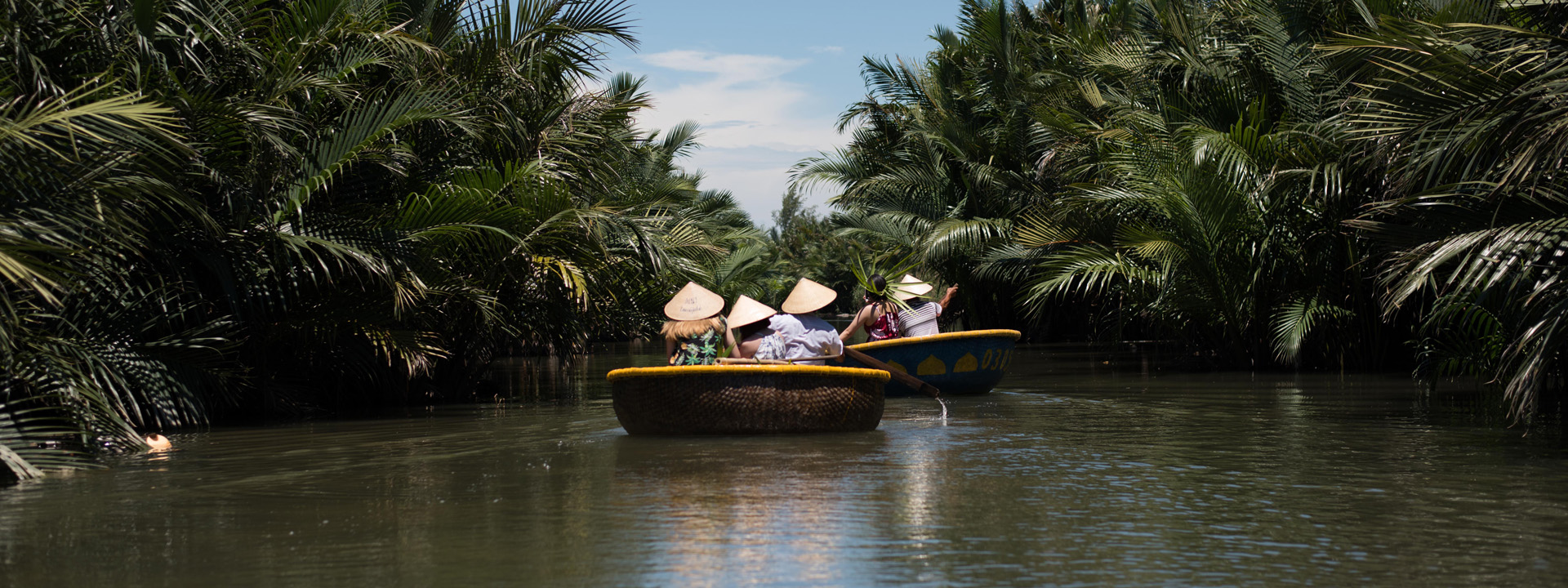
Hoian city tour & coffee making class with coconut or egg, salt
Active
4h - 6h
For a full refund, cancel at least 24 hours before the scheduled departure time.
Instant confirmation
Mobile or paper ticket accepted
About this experience
Exploring Hội An’s old quarter with a local guide goes beyond just seeing the sights:
Off-the-beaten-path locations: A local guide knows the hidden alleyways, secret courtyards, and lesser-known architectural marvels that many tourists miss.
Historical storytelling: The guide brings Hội An's history to life, offering in-depth knowledge about ancient trading routes, the multicultural influences of the town, and the UNESCO World Heritage status of Hội An.
Authentic interactions: The guide facilitates interactions with locals, from artisans crafting lanterns to tailors designing traditional garments, providing a richer, more personal connection to the culture.
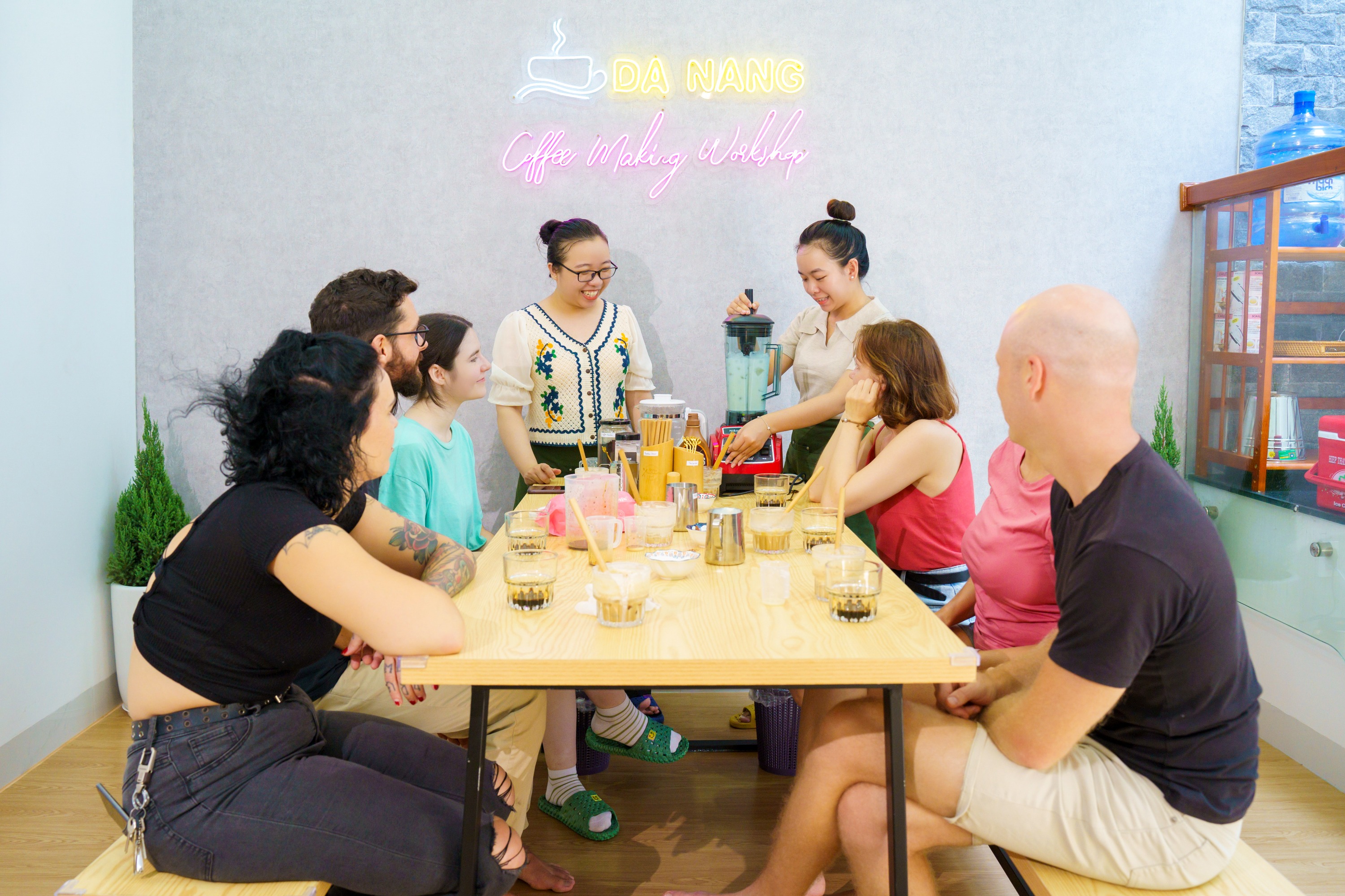
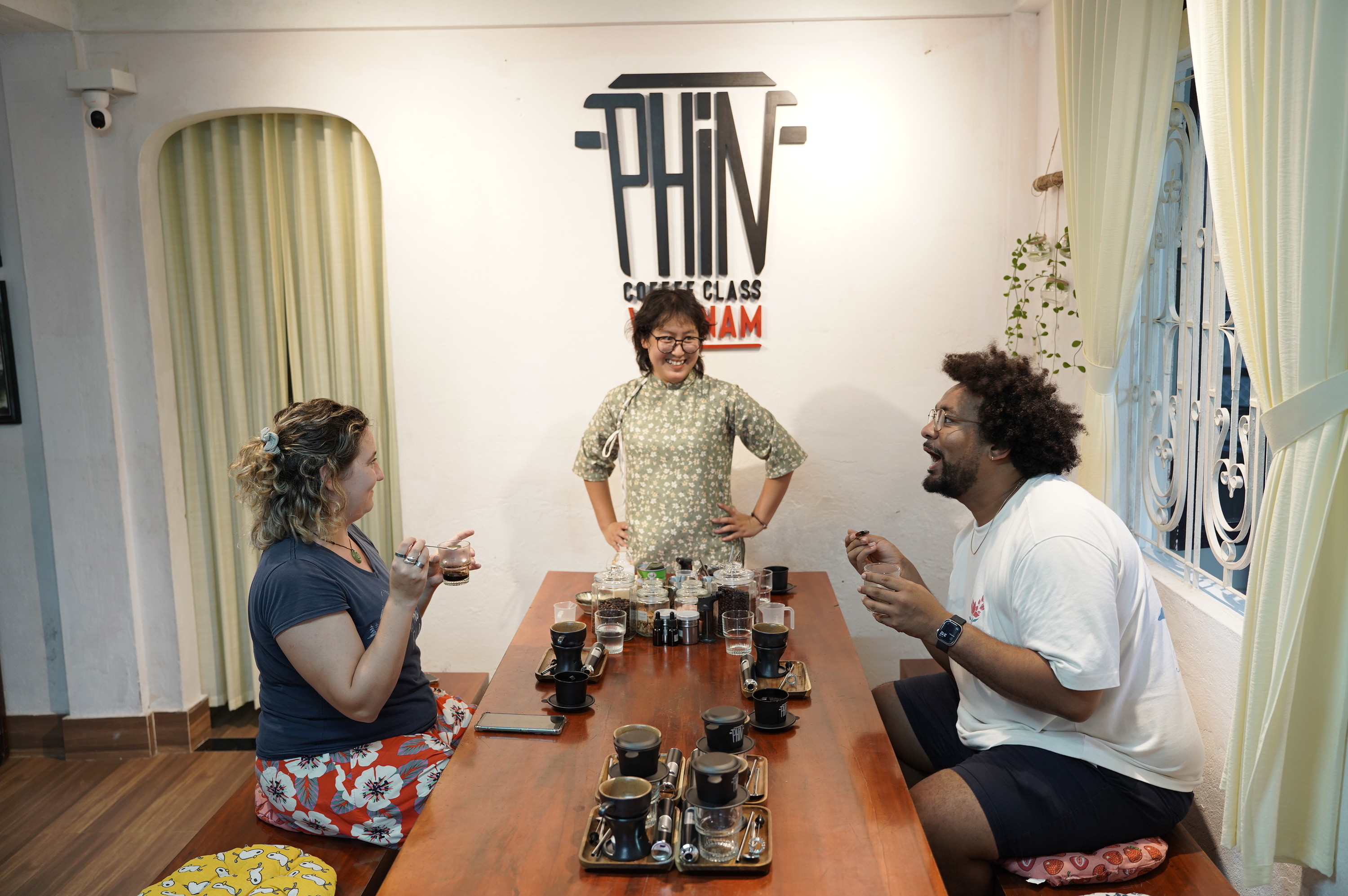
Learn from local artisans: The class is often led by experienced locals who share personal stories about Vietnam’s unique coffee preparation techniques, such as egg coffee or coconut coffee.
Hands-on experience: make your own cup of coffee, blending Vietnamese coffee beans, learning the correct brewing process
Available options
Hoian city tour & coffee making class with coconut or egg, salt
What's included
Tour guide
One way transfer by electronic car to the Coffee Factory
Landing and facility fees
Coffee and/or Tea
Detailed itinerary
1
Stop 1
Japanese covered bridge, Tan Ky ancient house, Chinese Assembly halls, Fork-lore museum, Family Chapel, handycrafts and tailor shops. Hoai River and local market.
This experience allows tourists to witness how Hội An has preserved its ancient charm while embracing modern trends. Visitors see:
Traditional houses and modern café culture: Wander through centuries-old streets and experience how modern coffee culture seamlessly blends into these historical surroundings.
Learn sustainable practices: Many local coffee-making classes in Hội An promote eco-friendly practices, such as using organic beans and sustainable farming methods.
By joining a local guide and coffee-making class, tourists directly contribute to the sustainable tourism movement in Hội An, supporting local businesses and artisans. This ensures the town’s cultural heritage and traditions continue to thrive.
This experience will be offering tourists a meaningful and enriching connection to Hội An’s soul.
2
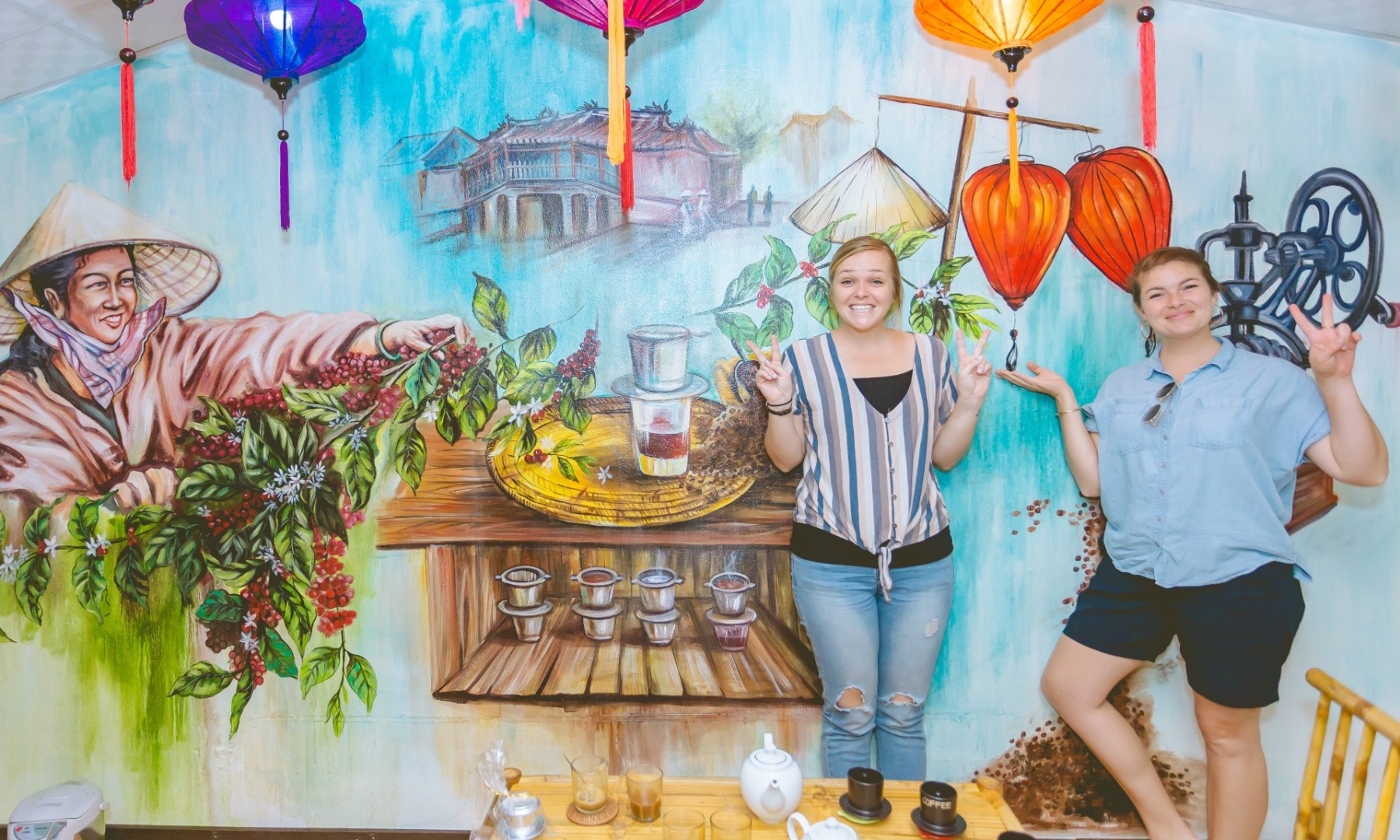
The coffee making courses not only teach you about the cultural significance and history of Vietnamese coffee, but they also provide you with an exclusive opportunity to witness the fascinating coffee beans roasting process. You can also enjoy some of the best drinks in town while admiring our stunning field view.
Don't pass up this limited-time opportunity to up your coffee game and learn how to make the perfect cup of Vietnamese coffee.
TRI LONG ROASTERY
- Welcoming tourists to experience the traditional Vietnamese filter coffee roasting process.
- Special coffee experience classes: filter coffee, egg coffee, coconut coffee, etc.
- Special: There are programs to support and cooperate with hotels, villas, homestays, and tour guides on an interesting coffee experience model at the shop.
3
If you're planning to visit Hoi An and are interested in silk, Thang Loi is definitely worth considering, described as a silk production workshop and showroom. It offers a great opportunity to learn about the silk-making process and purchase authentic Vietnamese silk products.
Focus on the entire silk-making process: Thang Loi showcases the complete process of silk production, from raising silkworms and harvesting cocoons to spinning silk threads, weaving fabric, and creating finished products like clothing and handicrafts.
Demonstrations and tours: They often have demonstrations where visitors can see each step of the silk-making process. This makes it a popular destination for tourists interested in learning about traditional Vietnamese crafts.
Showroom and shop: Thang Loi has a showroom where they display and sell a wide range of silk products, including clothing, scarves, accessories, and home decor items.
What's not included
entrance tickets
Gratuities
Private transportation
Available languages
Written guide
CMN
FR
Guide guide
EN
Reviews breakdown
Tripadvisor
5.0
1 reviews
5★
1
4★
0
3★
0
2★
0
1★
0
Important information
Wheelchair accessible
Infants and small children can ride in a pram or stroller
Service animals allowed
Public transportation options are available nearby
Infants are required to sit on an adult’s lap
Specialized infant seats are available
Transportation options are wheelchair accessible
All areas and surfaces are wheelchair accessible
Not recommended for travelers with poor cardiovascular health
Suitable for all physical fitness levels
Meeting point
There will be a shuttle bus waiting lounge at the entrance of this museum
About Da Nang
Da Nang is a vibrant coastal city known for its stunning beaches, impressive bridges, and rich cultural heritage. It serves as a gateway to some of Vietnam's most iconic destinations, including the ancient town of Hoi An and the breathtaking landscapes of the Ba Na Hills.
Top Attractions
My Khe Beach
My Khe Beach is one of the most beautiful beaches in the world, known for its white sand and clear waters.
Beach
Half day to full day
Free
Dragon Bridge
The Dragon Bridge is an iconic symbol of Da Nang, featuring a massive steel dragon structure.
Architecture
1-2 hours
Free
Ba Na Hills
Ba Na Hills is a mountainous area with a cool climate, home to the Golden Bridge and various amusement parks.
Nature
Full day
300,000 VND (13 USD) for entrance and cable car
Marble Mountains
The Marble Mountains are a cluster of five marble and limestone hills, each named after an element (Metal, Wood, Water, Fire, Earth).
Nature
Half day
40,000 VND (1.80 USD) for entrance
Hoi An Ancient Town
Hoi An Ancient Town is a well-preserved example of a Southeast Asian trading port, known for its lantern-lit streets and historic architecture.
Historical
Full day
120,000 VND (5.50 USD) for entrance ticket
Must-Try Local Dishes
Mi Quang
A noodle dish with turmeric-infused rice noodles, shrimp, pork, and herbs.
Main dish
Contains seafood and pork
Banh Xeo
A crispy Vietnamese pancake made with rice flour, water, and turmeric powder, filled with shrimp, pork, and bean sprouts.
Main dish
Contains seafood and pork
Bun Cha Ca
A noodle soup with fish cake, herbs, and a tangy broth.
Main dish
Contains fish
Ca Voi (Whale Meat)
A local delicacy made from whale meat, often served as a steak or in a hotpot.
Main dish
Contains whale meat
Popular Activities
Hiking in Ba Na Hills
Snorkeling and diving in the Cham Islands
Water sports in My Khe Beach
Beach relaxation in My Khe Beach
Spa and wellness treatments
Yoga and meditation
Exploring Hoi An Ancient Town
Visiting the Marble Mountains
Best Time to Visit
February to May
This period offers warm, sunny weather with minimal rainfall, making it ideal for beach activities and sightseeing.
25°C to 30°C
77°F to 86°F
Practical Information
Language
- Official: Vietnamese
- Widely spoken: English
- English: Moderately spoken
Currency
Vietnamese Dong (VND)
Time Zone
GMT+7
Electricity
220VV, 50HzHz
Safety Information
Overall Safety Rating: Generally safe
Da Nang is generally safe for travelers, but common precautions should be taken to avoid petty crimes like pickpocketing and scams.
Important Precautions:
- • Use reputable taxi services or ride-hailing apps
- • Keep valuables secure
- • Be cautious of strangers offering unsolicited help
Getting there
By air
- Da Nang International Airport • 3 km from city center
By train
Da Nang Station
By bus
Da Nang Bus Station
Getting around
Public transport
The bus system is affordable and covers most major attractions.
Taxis
Available • Apps: Grab, Gojek
Rentals
Car, Bike, Scooter
Neighborhoods
My An
Son Tra Peninsula
Hoa Cuong
Day trips
Hoi An Ancient Town
30 km from Da Nang • Full day
Hoi An is a well-preserved ancient town known for its lantern-lit streets, historic architecture, and rich cultural heritage.
Ba Na Hills
30 km from Da Nang • Full day
Ba Na Hills is a mountainous area with a cool climate, home to the Golden Bridge and various amusement parks.
Cham Islands
25 km from Da Nang • Full day
The Cham Islands are a group of eight islands known for their pristine beaches, diving spots, and biodiversity.
Festivals
Hoi An Lantern Festival • 14th day of each lunar month
Da Nang International Fireworks Festival • Annual, typically in May
Ba Na Hills Flower Festival • Annual, typically in February
Pro tips
- Visit the Dragon Bridge on weekends to see the fire and water show
- Try local specialties like Mi Quang and Banh Xeo at local eateries
- Explore the Non Nuoc Fine Arts Village for unique souvenirs and cultural experiences
- Take a day trip to the Cham Islands for snorkeling and diving
- Visit the Marble Mountains for a mix of nature, history, and culture
From $25
per person
Price varies by option
Secure booking
Free cancellation available
Instant confirmation