Ancient Agrigento Private Guided Tour With Phd Archeologist
Active
3h
All sales are final. No refund is available for cancellations.
Manual confirmation
Mobile or paper ticket accepted
About this experience
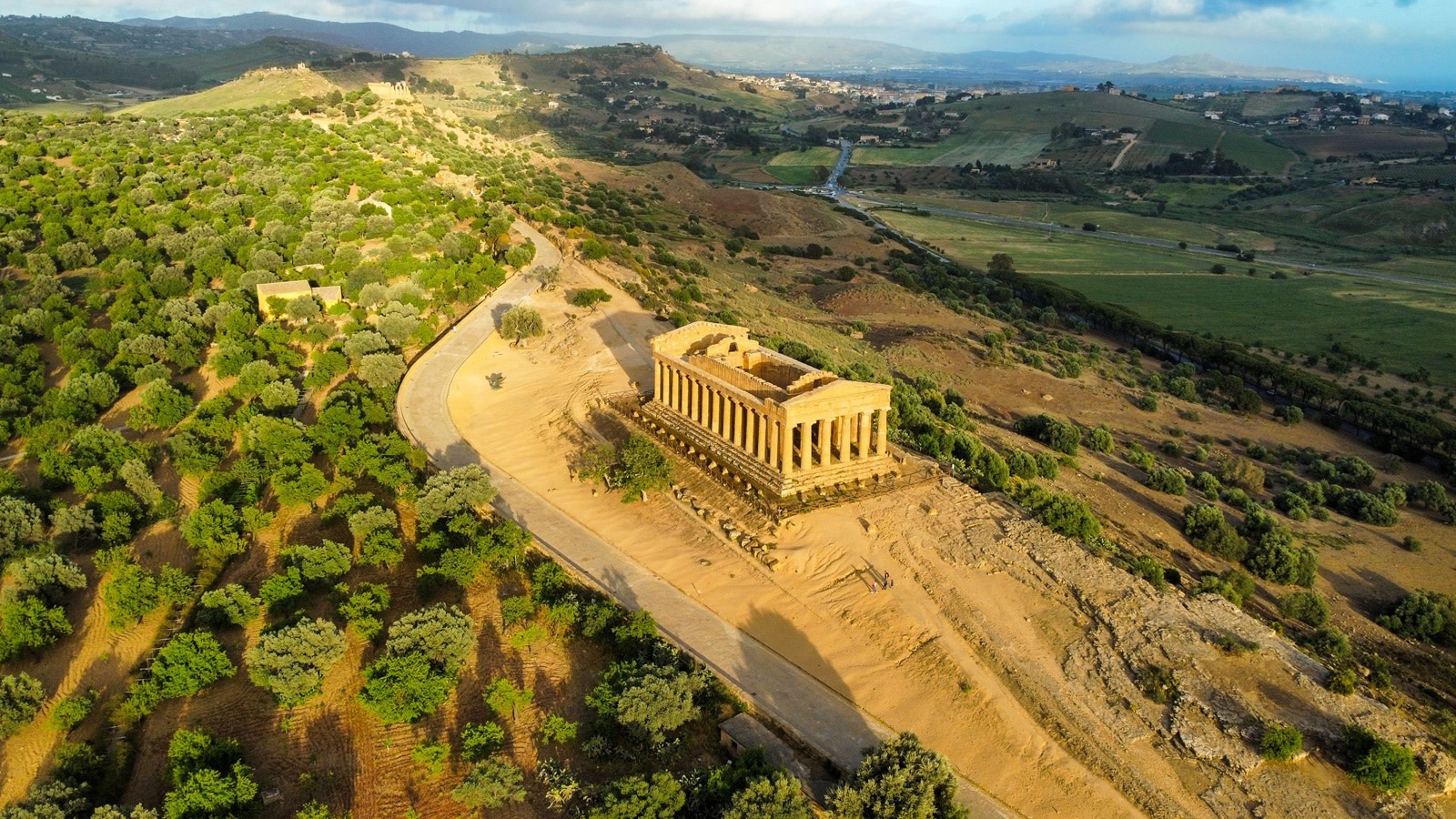
Embark on a 3-hour private tour of Agrigento’s Valley of the Temples, guided by an expert archaeological guide or PhD archaeologist. Explore this UNESCO World Heritage site, home to some of the best-preserved Greek temples in the world, and learn about their history, religious significance, and architectural brilliance. Visit iconic sites such as the Temple of Concordia, the Temple of Juno, and the Temple of Hercules. Discover the ancient city walls and gates of Akragas, and explore the Sanctuary of the Chthonic Deities, where rituals dedicated to Demeter and Persephone took place. This personalized tour allows you to explore at your own pace while receiving in-depth insights from your guide, bringing ancient Agrigento’s cultural and historical importance to life. Ideal for history enthusiasts and travelers seeking an immersive experience through Sicily’s ancient past.
Available options
Ancient Agrigento Private Guided Tour With Phd Archeologist
What's included
Private Walking Tour
Expert Archaeological Guide
Admission Tickets
Detailed itinerary
1
Your journey begins at the entrance to the Valley of the Temples, one of the most important archaeological sites in the Mediterranean and a UNESCO World Heritage site. As you take in the stunning landscape, your guide will introduce you to the history of Agrigento, known in antiquity as Akragas. Founded by Greek settlers in the 6th century BCE, Akragas became one of the richest and most influential cities of Magna Graecia. This introduction will provide a historical framework, setting the stage for the architectural marvels you are about to explore.
2
Standing in near-perfect condition for over 2,400 years, the Temple of Concordia is one of the best-preserved Doric temples in the world. Built around 440 BCE, it dominates the landscape with its majestic proportions and elegant symmetry. Originally dedicated to an unknown deity, it was later converted into a Christian basilica in the 6th century CE, which contributed to its preservation. As you walk around the temple, your guide will highlight its architectural features, including the 34 massive columns, the sturdy foundation, and the decorative elements that once adorned its pediment. You will also learn about the rediscovery and restoration efforts that have maintained its grandeur through the centuries.
3
Perched on the highest point of the valley, the Temple of Juno (Hera) offers breathtaking views of the surrounding countryside and the Mediterranean Sea. Built in the 5th century BCE, this temple was dedicated to the goddess of marriage and childbirth. Traces of fire damage on the stone bear witness to the temple’s turbulent past, likely linked to the Carthaginian sack of Akragas in 406 BCE. As you stand among the ruins, your guide will describe how ancient Greeks conducted religious ceremonies here, including offerings, sacrifices, and wedding rituals held in honor of Juno. The surviving fluted columns, still displaying their original entasis (slight curvature for optical refinement), provide a glimpse into the architectural sophistication of the time.
4
The Temple of Hercules (Heracles) is the oldest of the temples in the Valley, dating back to the late 6th century BCE. Though much of it has collapsed over time, eight towering columns have been re-erected, giving visitors an impression of its former grandeur. Dedicated to the legendary hero Heracles, this temple was a place of devotion for those seeking strength, protection, and divine favor. Your guide will recount the myths associated with Heracles, including his famous Twelve Labors, and explain how this temple played a role in Akragas’ civic and religious life. You will also hear about the rediscovery of a colossal statue of Heracles that once stood here, emphasizing the hero's enduring importance in Greek mythology.
5
This sacred site, dedicated to Demeter and Persephone, the goddesses of fertility and the underworld, played a crucial role in ancient religious practices. The sanctuary was the center of mysterious rites and rituals associated with the cycle of life, death, and rebirth. Here, votive offerings such as terracotta figurines and libation vessels were placed in devotion to the deities. Your guide will discuss the significance of the Eleusinian Mysteries, secret religious ceremonies that honored Demeter and Persephone and promised initiates a blessed afterlife. As you walk among the ancient altars and remains of ritual spaces, you will gain a deeper understanding of the spiritual beliefs that shaped Greek civilization.
What's not included
Gratuities
Available languages
Guide guide
EN
Important information
Infants and small children can ride in a pram or stroller
Service animals allowed
Public transportation options are available nearby
Not recommended for travelers with poor cardiovascular health
Suitable for all physical fitness levels
Meeting point
Your guide will be waiting for you holding a sign with your name on it.
About Sicily
Sicily, the largest island in the Mediterranean Sea, is a vibrant blend of history, culture, and natural beauty. Known for its rich Greek and Roman heritage, stunning landscapes, and mouthwatering cuisine, Sicily offers a unique travel experience that captivates visitors with its diverse attractions and warm hospitality.
Top Attractions
Valley of the Temples
A UNESCO World Heritage Site featuring some of the most well-preserved ancient Greek temples outside of Greece. The site is a testament to Sicily's rich Greek heritage and offers a glimpse into the island's ancient past.
Historical
2-3 hours
€10
Mount Etna
Europe's highest and most active volcano, offering stunning landscapes, hiking trails, and the opportunity to witness volcanic activity up close. Mount Etna is a must-visit for nature lovers and adventure seekers.
Nature
Half day to full day
€30-€100 (depending on the tour and activities)
Palermo Cathedral
A stunning example of Norman-Arab-Byzantine architecture, Palermo Cathedral is a masterpiece of religious art and history. The cathedral's interior is adorned with beautiful mosaics, sculptures, and tombs of notable historical figures.
Architectural
1-2 hours
€7
Taormina
A charming hilltop town known for its stunning views of the Ionian Sea and the iconic Greek Theatre. Taormina is a popular tourist destination offering a mix of history, culture, and natural beauty.
Cultural
Half day to full day
Free to explore, €10 for the Greek Theatre
Cefalù
A picturesque coastal town known for its beautiful beaches, historic landmarks, and charming medieval streets. Cefalù is a popular destination for both relaxation and cultural exploration.
Beach
Half day to full day
Free to explore, €5 for La Rocca
Must-Try Local Dishes
Arancini
Fried rice balls filled with ragù, mozzarella, and peas, often shaped like small oranges.
Snack
Vegetarian options available
Cannoli
Crispy pastry tubes filled with sweet ricotta cheese, often garnished with pistachios or chocolate chips.
Dessert
Contains dairy and gluten
Pasta alla Norma
Pasta with a sauce made from tomatoes, fried eggplant, ricotta cheese, and basil.
Main Course
Vegetarian
Granita
A semi-frozen dessert made from sugar, water, and various flavors, typically served with a brioche for breakfast.
Dessert
Vegan and gluten-free options available
Popular Activities
Hiking in the Madonie Regional Park
Volcano trekking on Mount Etna
Beach lounging in Cefalù
Spa treatments in Taormina
Visiting the Valley of the Temples
Exploring the historic center of Palermo
Snorkeling and diving in the Aeolian Islands
Boat tours along the coast
Best Time to Visit
May to June, September to October
The peak seasons offer pleasant weather, fewer crowds, and ideal conditions for exploring Sicily's attractions. The sea is warm enough for swimming, and the countryside is lush and green.
20-28°C
68-82°F
Practical Information
Language
- Official: Italian
- Widely spoken: Sicilian, English
- English: Moderately spoken in tourist areas, limited in rural areas
Currency
Euro (EUR)
Time Zone
GMT+1 (Central European Time, CET), GMT+2 (Central European Summer Time, CEST) during daylight saving time
Electricity
220VV, 50HzHz
Safety Information
Overall Safety Rating: Generally safe, with some areas requiring caution
Sicily is generally a safe destination for travelers, with low crime rates and a welcoming atmosphere. However, petty crime and scams can occur in tourist areas, and some regions may have higher crime rates.
Important Precautions:
- • Keep valuables secure and out of sight, especially in crowded areas and on public transportation.
- • Use licensed taxis or ride-sharing apps, and insist on using the meter or agreeing on a price before starting your journey.
- • Be cautious of strangers approaching you with petitions, distractions, or overly friendly advances.
Getting there
By air
- Palermo Airport • 32 km (20 miles) from Palermo city center
- Catania-Fontanarossa Airport • 7 km (4.3 miles) from Catania city center
By train
Palermo Centrale, Catania Centrale
By bus
Palermo Bus Terminal, Catania Bus Terminal
Getting around
Public transport
Buses are the primary mode of public transport in Sicily, with regular services connecting major cities and towns. The network can be complex, but it is affordable and convenient.
Taxis
Available • Apps: Uber, FreeNow
Rentals
Car, Bike, Scooter
Neighborhoods
Palermo Centro Storico
Taormina
Catania Centro
Agrigento
Day trips
Aeolian Islands
25-50 km (16-31 miles) from Milazzo • Full day to overnight
A group of seven volcanic islands known for their stunning landscapes, hot springs, and unique geological features. The islands offer a variety of activities, including hiking, swimming, and relaxing in natural hot springs.
Erice
100 km (62 miles) from Palermo • Half day to full day
A medieval hilltop town known for its stunning views, historic landmarks, and charming streets. Erice is a popular destination for those interested in history, culture, and panoramic views.
Noto
90 km (56 miles) from Syracuse • Half day to full day
A picturesque Baroque town known for its stunning architecture, charming streets, and rich history. Noto is a popular destination for those interested in art, history, and culture.
Festivals
Infiorata di Noto • May
Taormina Film Fest • June
Sagra del Miele • September
Pro tips
- Learn a few basic Italian or Sicilian phrases to enhance your experience and connect with locals.
- Visit local markets and try street food for an authentic and affordable culinary experience.
- Explore the island's hidden gems and lesser-known attractions, such as the Aeolian Islands, the Madonie Regional Park, and the Zingaro Nature Reserve.
- Rent a car for flexibility and access to remote areas, but be prepared for narrow roads, aggressive drivers, and limited parking.
- Visit during the shoulder or off-peak seasons (April-June, September-October) for better prices, fewer crowds, and pleasant weather.
From $25
per person
Price varies by option
Secure booking
Free cancellation available