Taipei Historic Shared Walking Tour
Active
3h
For a full refund, cancel at least 24 hours before the scheduled departure time.
Instant confirmation
Mobile or paper ticket accepted
About this experience
1. Learn the past 300 years of Taiwanese history in a 3-hour walk
2. Visit all the essential attractions in West Taipei, the old Taipei
3. Get to know Taiwan in different eras - from memories of colonization to remains of Chiang Kai-shek’s Chinese dream
The west end of Taipei was once the center of political and economic activities of the city and where modern development started. This tour takes you through Taiwanese history, looking from the traditional beliefs of the late Qing dynasty, to the cultural shifts under Japanese ruling, then to the political landscape after the arrival of the Nationalist government in 1949. The Historic Tour covers all the essential attractions in West Taipei as well as the stories and legends behind them. Walking from the past to the present, you will see how Taipei is shaped by multiple cultures and historic events and get a clear picture of this amazing city.
*Please note the tip to the tour guide is not included in the booking fee
Available options
Taipei Historic Shared Walking Tour
What's included
System fee
Professional English Guide
Detailed itinerary
1
Stop 1
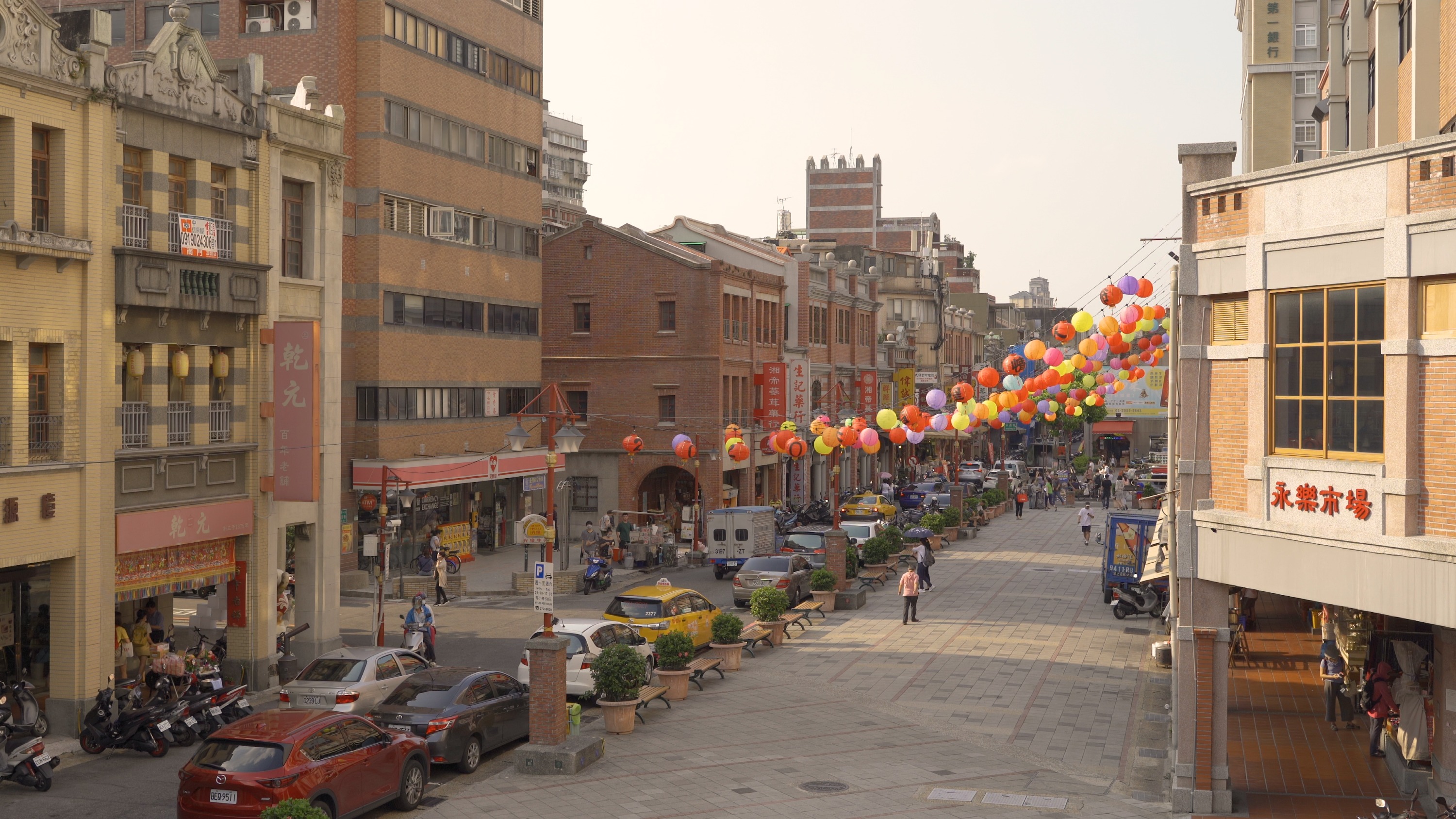
Longshan Temple is located in the heart of west end Taipei, and serves as the religious center of local community. The temple was first established in the 18th century by Chinese immigrants coming to Taipei, who later built Monga District as their settlement for trade and business. In the following years, Longshan Temple went through a series of earthquakes, typhoons, as well as wartime air raids, but has always remained resilient thanks to renovations, enthusiastic believers and the gods’ blessing. Today, Longshan Temple is one of the most iconic buildings of historic Taipei and a popular destination for sightseeing among foreign visitors and worshipers.
2
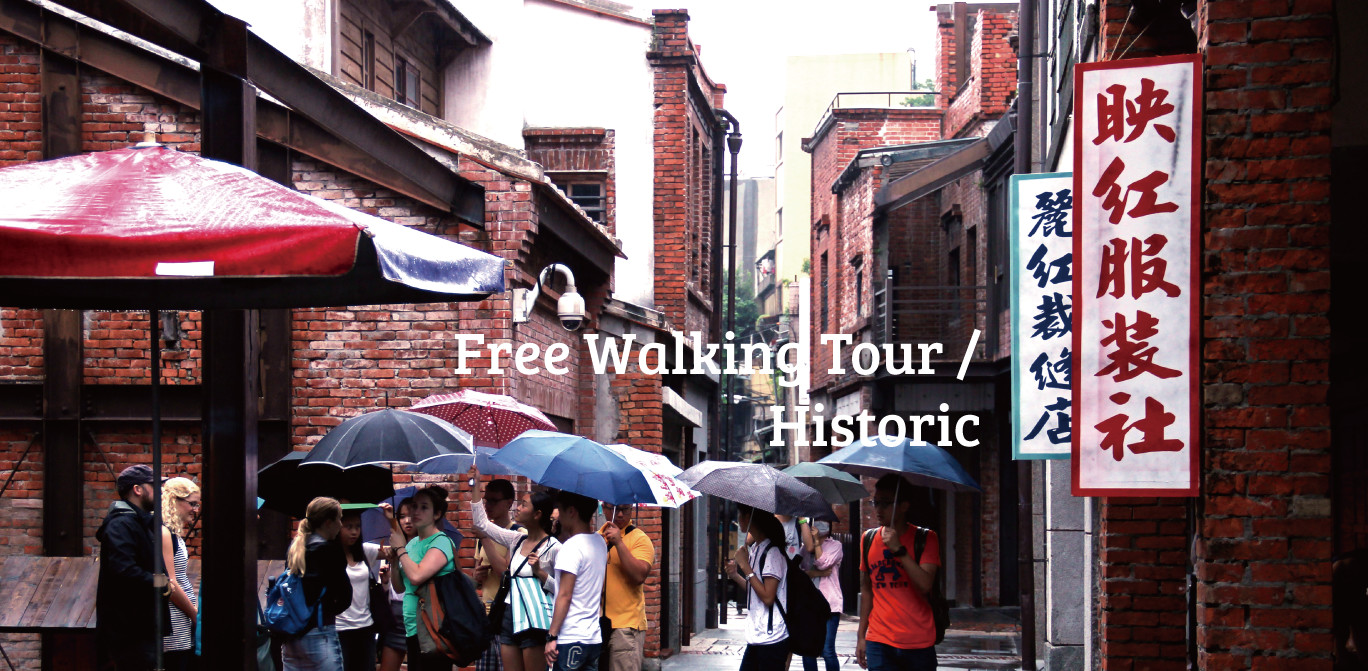
Bopiliao, literally meaning “skin-peeling” was once the commercial center of northern Taipei where Chinese immigrants conducted trade with the indegineous community. During its most glorious years, you would find its street filled with hostels, shops and public bath houses to accomodate the traders and local residents. Here you will also find the best-preserved architecture from Qing dynasty China in Taipei, some of its features have even been incorporated into modern Taiwanese style!
3
Stop 3
Originally constructed as a public market, Ximen Red House features strong architectural characteristics of Colonial Japan. Following the end of World War II and retreat of Japanese rule, the building was turned into a theater and became a hub for the hidden LGBTQ community in Taipei. In recent years, as Taiwan embraces a more diverse and multicultural trend in society, Ximen Red House has become a popular venue of the vibrant social movements taking place in Taiwan.
Midway break included.
4
Stop 4
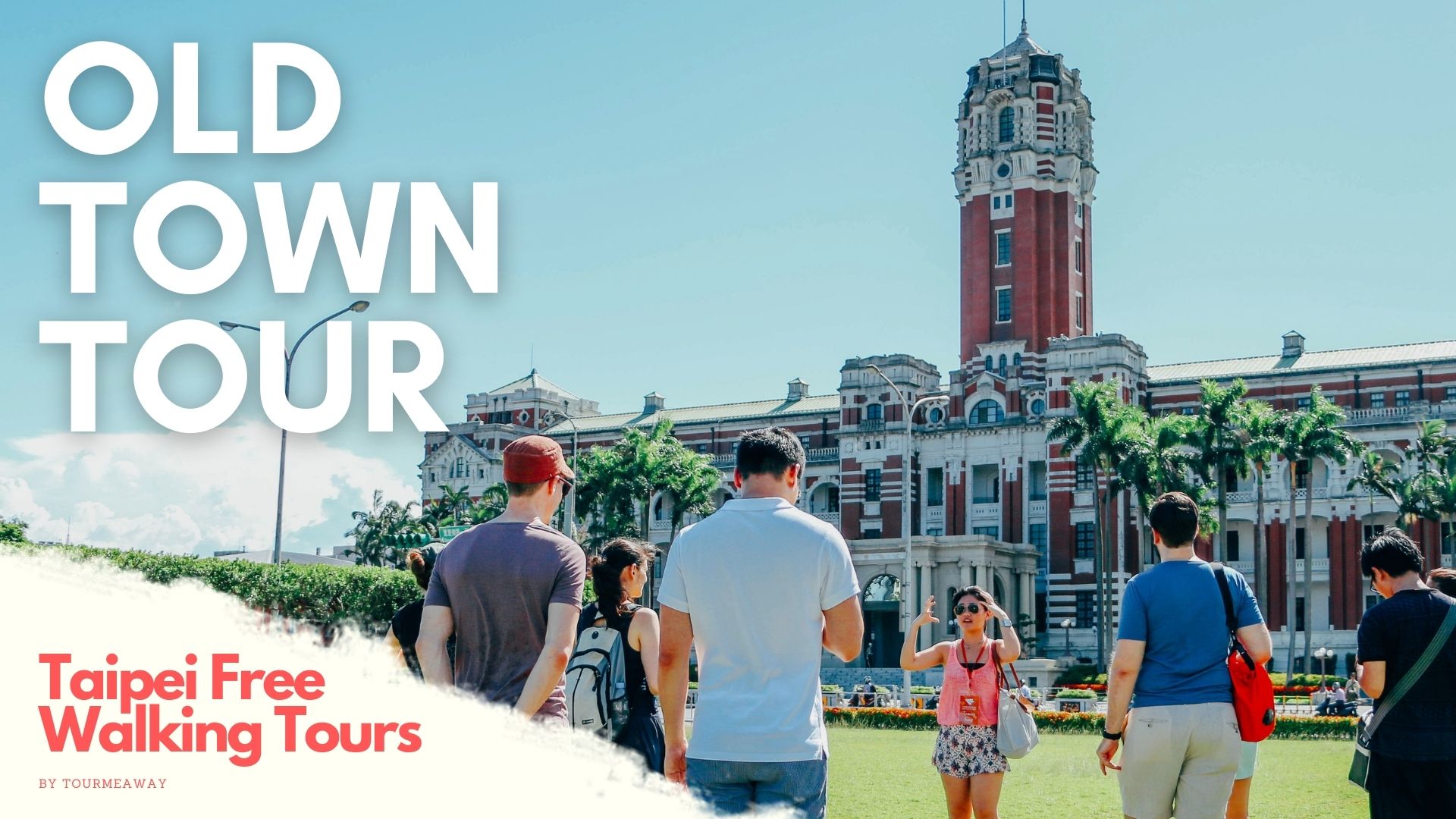
Only a few steps away from the dazzling Ximending is the Presidential Office - the political center of Taiwan. Established in 1919, the building was initially designed to house the Office of the Governor-General of Taiwan during the Japanese Colonization. Following bombing throughout World War II and the arrival of the Republic of China (R.O.C.), the building was restored as the Presidential Office in 1950. In appearance, the red bricks, western-styled architecture and its 130 meter-wide facade facing the spacious Ketagalan Boulevard made it a favorable landmark among visitors and protesters alike - you might even be able to witness some political activities here yourself!
5
Formerly established in 1908 as “Taihoku New Park” during the Japanese colonial period, it was built as the first European-styled park in Taiwan. In 1947, the park became the scene of protest against the Kuomintang-led R.O.C. government. The action later led to a chain of events that is now referred to as the February 28 (228) Incident, which led to severe actions from the Nationalist government, and resulted in Taiwan's period of White Terror under thirty-eight years of Martial Law. The park was eventually renamed “228 Peace Memorial Park” in dedication and acknowledgement of the past misconduct of the government.
6
Stop 6
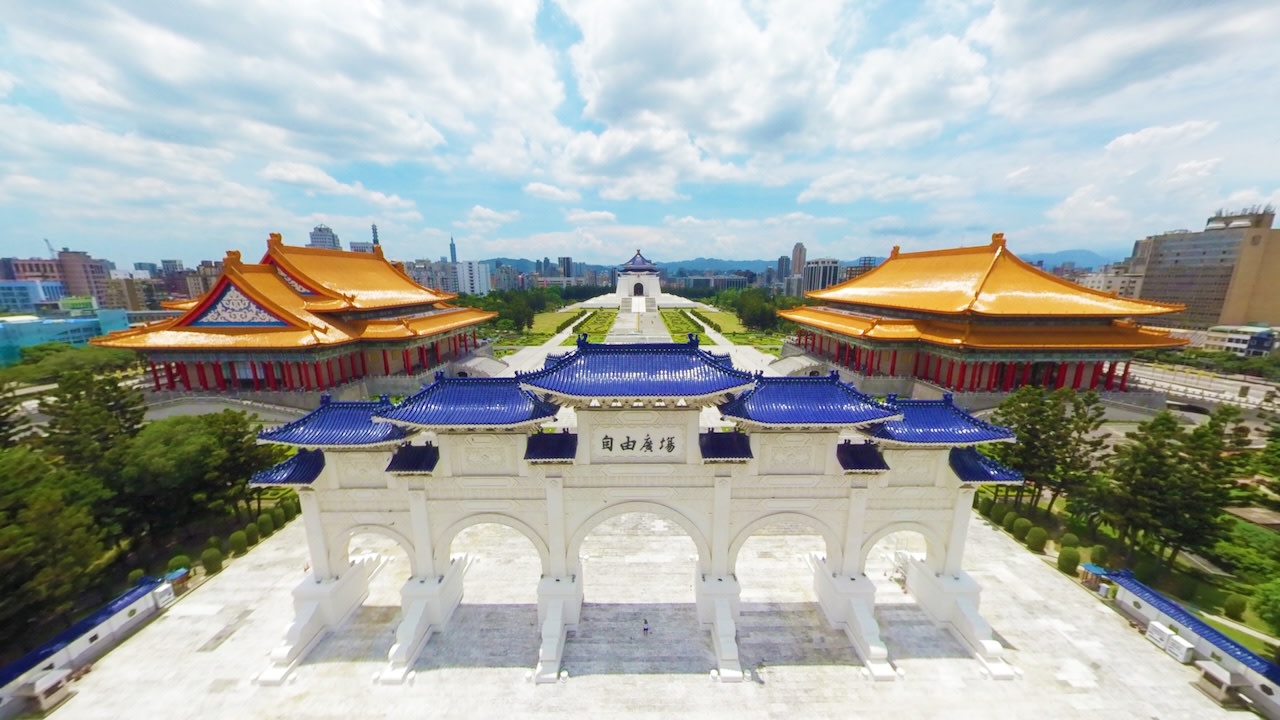
Chiang Kai-shek (C.K.S.) Memorial Hall is a national monument, landmark and tourist attraction erected in memory of Generalissimo Chiang Kai-shek, the former President of the Republic of China (R.O.C.) from 1948 to 1975. The construction started following Chiang’s death and was completed five years later. The architectural theme centered around imperial Chinese style and the life of Chiang as a political figure. Our guides will also tell you the long road of how people of Taiwan went from worshipping Chiang in the past as the “great national leader” to seeing him as a symbol of an authoritarian regime during the Martial Law era.
What's not included
Gratuities
Available languages
Guide guide
EN
Reviews breakdown
Viator
4.9
10 reviews
5★
9
4★
1
3★
0
2★
0
1★
0
Tripadvisor
4.9
177 reviews
5★
162
4★
10
3★
5
2★
0
1★
0
Important information
Wheelchair accessible
Infants and small children can ride in a pram or stroller
Service animals allowed
Public transportation options are available nearby
Transportation options are wheelchair accessible
All areas and surfaces are wheelchair accessible
Suitable for all physical fitness levels
Meeting point
Please meet up with the guide outside exit 1 of MRT Longshan Temple Station. Our guides are recognized with a green and white paper fan with our company name.
About Taipei
Taipei, the vibrant capital of Taiwan, is a fascinating blend of traditional culture and modern innovation. Known for its bustling night markets, towering skyscrapers, and lush green mountains, Taipei offers a unique urban experience with a rich cultural heritage.
Top Attractions
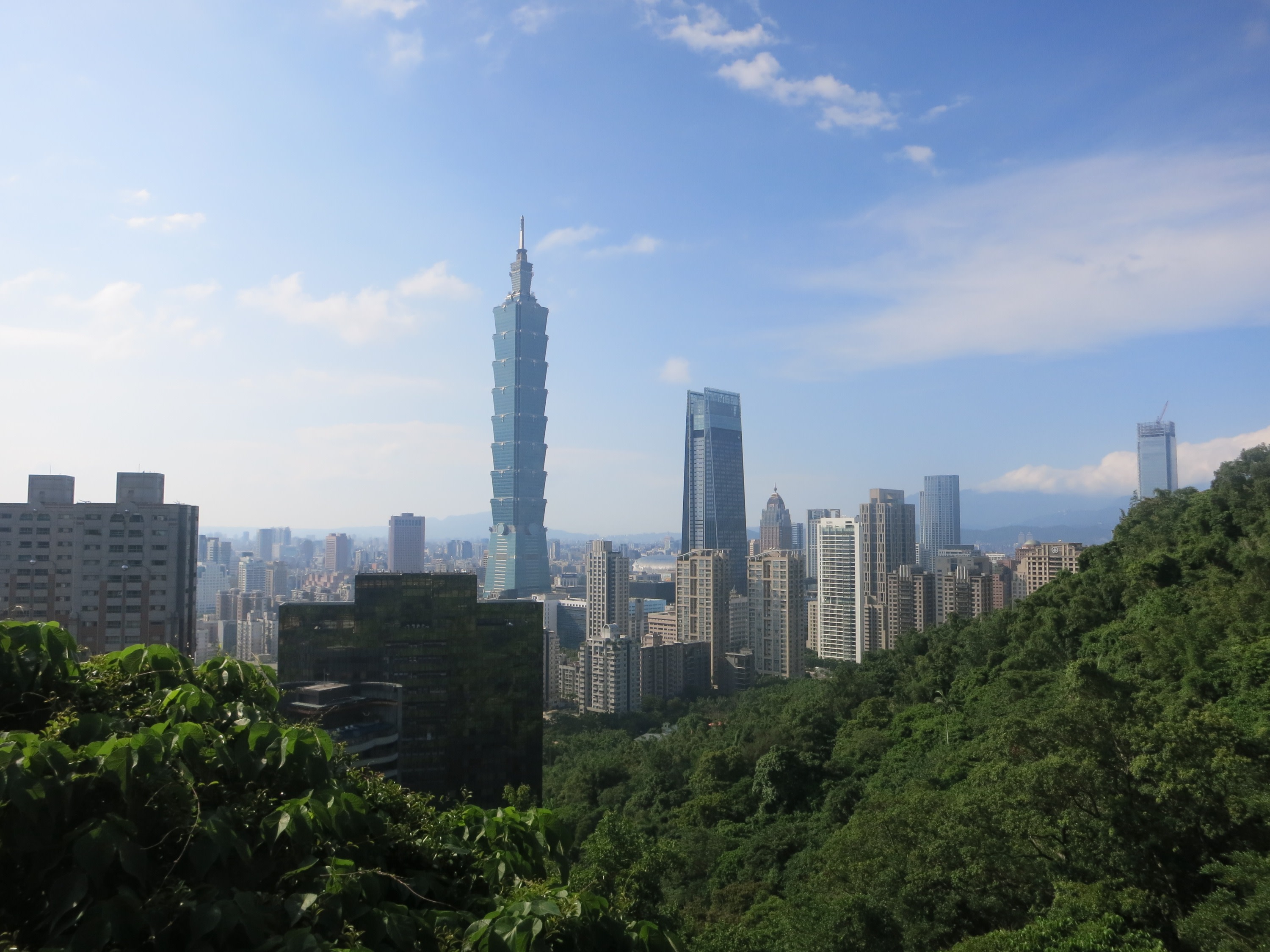
Taipei 101
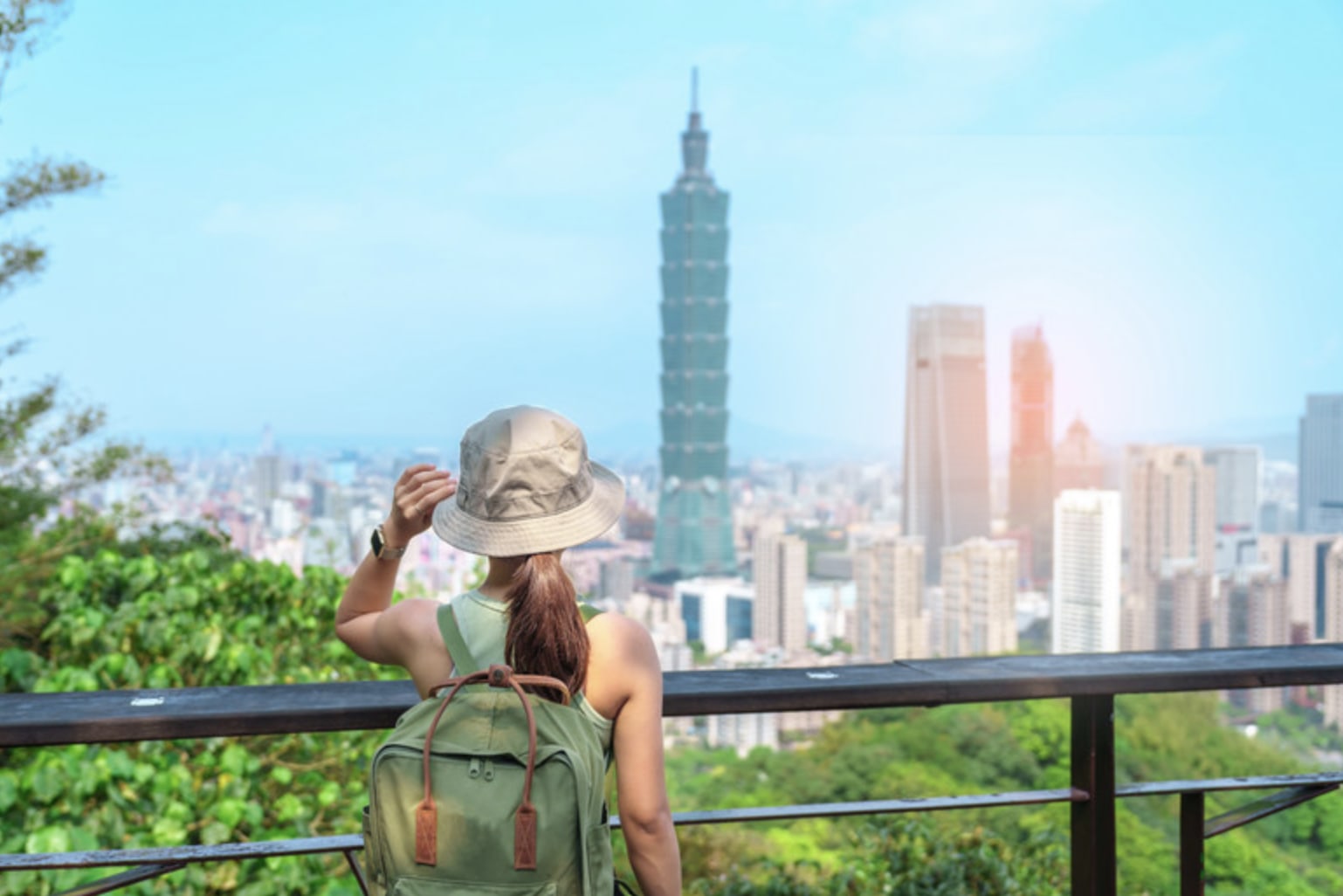
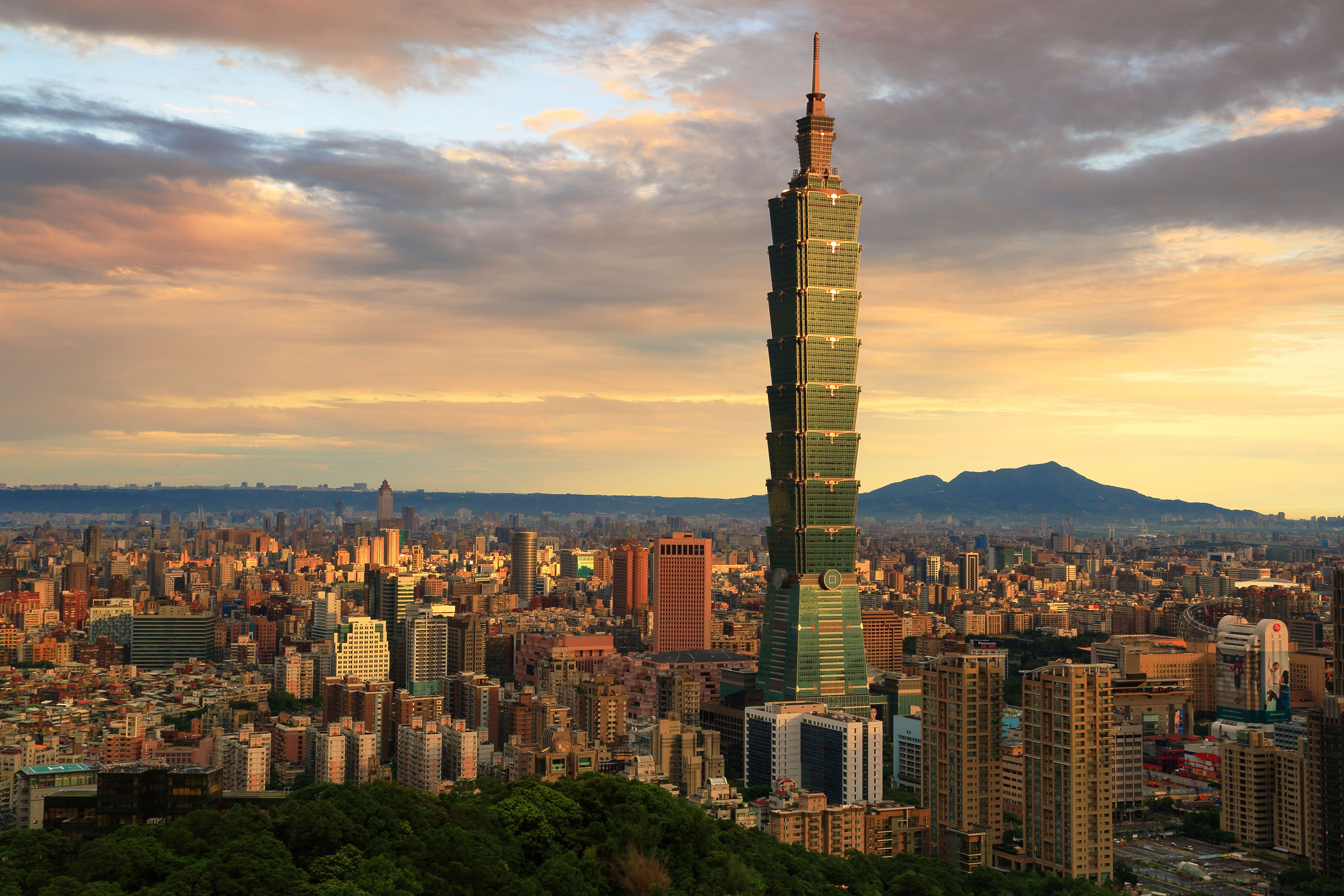
Once the tallest building in the world, Taipei 101 is an iconic skyscraper and a symbol of modern Taipei. Visitors can enjoy panoramic views of the city from the observation deck on the 89th floor.
Architecture/Observation Deck
1-2 hours
NT$600-800 (observation deck ticket)
Chiang Kai-shek Memorial Hall
This national memorial hall is dedicated to Chiang Kai-shek, former leader of the Republic of China. The hall features a large museum, gardens, and a daily changing of the guard ceremony.
Historical/Memorial
1-2 hours
Free (museum admission may vary)
Elephant Mountain (Xiangshan)
Elephant Mountain is a popular hiking spot offering one of the best views of Taipei 101 and the city skyline. The hike is relatively short and suitable for most fitness levels.
Nature/Scenic Viewpoint
1-2 hours (hike and sightseeing)
Free
Shilin Night Market
One of the largest and most famous night markets in Taipei, Shilin Night Market offers a wide variety of street food, snacks, and shopping. It's a must-visit for food lovers.
Food/Market
2-3 hours
Budget to moderate (depending on food and shopping)
Beitou Hot Springs
Beitou is known for its natural hot springs, offering a relaxing and rejuvenating experience. There are several public and private hot spring resorts to choose from.
Relaxation/Spas
2-3 hours
Moderate to expensive (depending on the resort)
Must-Try Local Dishes
Beef Noodle Soup
A hearty soup made with tender beef, chewy noodles, and a rich, flavorful broth. It's considered Taiwan's national dish.
Lunch/Dinner
Contains beef and gluten (noodles).
Bubble Tea
A popular Taiwanese beverage made with tea, milk, and chewy tapioca pearls. It comes in various flavors and can be enjoyed hot or cold.
Drink
Vegetarian (if made without dairy).
Oyster Omelet
A savory omelet made with fresh oysters, eggs, and a sweet and tangy sauce. It's a popular street food item.
Snack
Contains seafood and eggs.
Stinky Tofu
Fermented tofu with a strong odor, usually deep-fried and served with pickled cabbage and sauce. It's an acquired taste but a must-try for adventurous eaters.
Snack
Vegetarian (if made without meat-based broth).
Popular Activities
Hiking in Yangmingshan National Park
Paragliding in Wuling Farm
Visiting Beitou Hot Springs
Tea tasting in Maokong
Exploring historic temples and shrines
Visiting museums and art galleries
Kayaking in the Tamsui River
Stand-up paddleboarding in Ximending
Best Time to Visit
October to December
This period offers pleasant weather with comfortable temperatures and clear skies, making it ideal for outdoor activities and sightseeing. It's also the time for various festivals and events.
15°C to 25°C
59°F to 77°F
Practical Information
Language
- Official: Mandarin Chinese
- Widely spoken: English, Taiwanese (Hokkien), Hakka
- English: Moderately spoken (in tourist areas and among younger generations)
Currency
New Taiwan Dollar (TWD)
Time Zone
GMT+8
Electricity
110VV, 60HzHz
Safety Information
Overall Safety Rating: Generally safe
Taipei is generally a safe city with low crime rates. However, visitors should still take precautions to protect themselves and their belongings, especially in crowded areas and tourist spots.
Important Precautions:
- • Keep valuables secure and out of sight
- • Use licensed taxis or ride-hailing apps
- • Be cautious when using ATMs, especially at night
Getting there
By air
- Taiwan Taoyuan International Airport • 40 km from city center
- Taipei Songshan Airport • 10 km from city center
By train
Taipei Main Station, Banqiao Station
By bus
Taipei Bus Station, Taipei City Hall Bus Station
Getting around
Public transport
The Taipei Metro is clean, efficient, and easy to use. It operates from 6:00 AM to midnight and has both English and Chinese signage.
Taxis
Available • Apps: Uber, Taiwan Taxi App
Rentals
Car, Bike, Scooter
Neighborhoods
Ximending
Daan
Zhongshan
Day trips
Jiufen
40 km from Taipei • Half day to full day
A charming mountain town known for its narrow streets, tea houses, and historic sites. Jiufen is often compared to a smaller version of Tokyo's Golden Gai.
Yehliu Geopark
40 km from Taipei • Half day
A unique geopark featuring fascinating rock formations, including the famous Queen's Head, created by erosion over thousands of years.
Tamsui
15 km from Taipei • Half day to full day
A historic district at the mouth of the Tamsui River, known for its beautiful sunset views, historic sites, and vibrant night market.
Festivals
Taipei Lantern Festival • February (dates vary, typically around the Chinese New Year)
Taipei Pride • Late October (dates vary)
Taipei International Food Show • June (dates vary)
Pro tips
- Use the EasyCard for convenient and discounted payments on public transportation, as well as for access to some attractions and shops.
- Visit popular attractions, such as Taipei 101 and the National Palace Museum, early in the morning or late in the afternoon to avoid crowds.
- Explore the city's vibrant night markets, such as Shilin and Raohe, for an authentic and unforgettable culinary experience.
- Take a day trip to nearby attractions, such as Jiufen, Yehliu Geopark, and Tamsui, to experience the natural beauty and cultural heritage of the region.
- Learn a few basic Mandarin phrases to enhance your travel experience and connect with locals.
From $25
per person
Price varies by option
Secure booking
Free cancellation available
Instant confirmation


![[Private] Jiufen Village & Shifen Town from Taipei with Pickup](https://media-cdn.tripadvisor.com/media/attractions-splice-spp-674x446/11/c6/23/63.jpg)