Cappadocia Surroundings
Active
5h
For a full refund, cancel at least 24 hours before the scheduled departure time.
Instant confirmation
Mobile or paper ticket accepted
About this experience
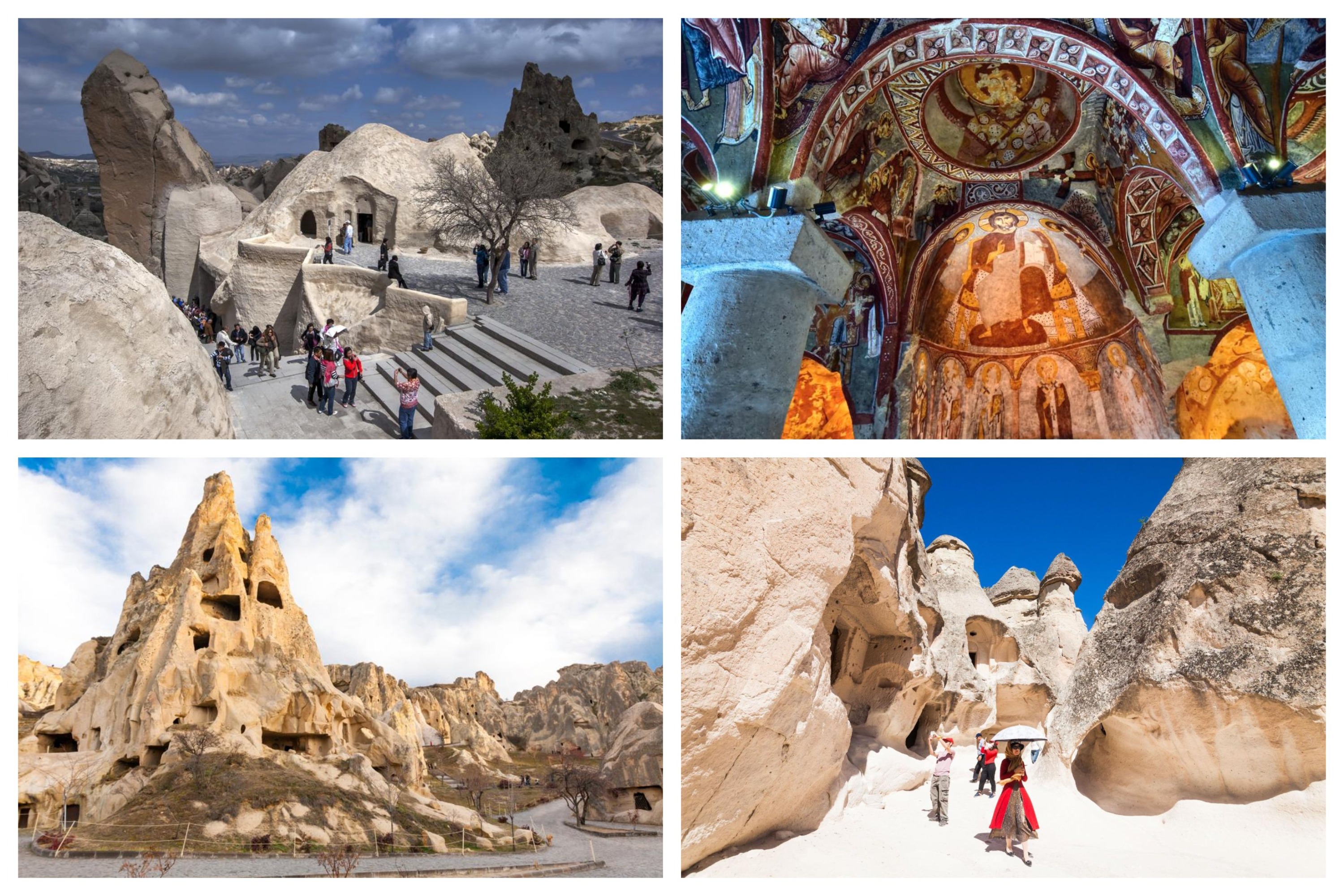
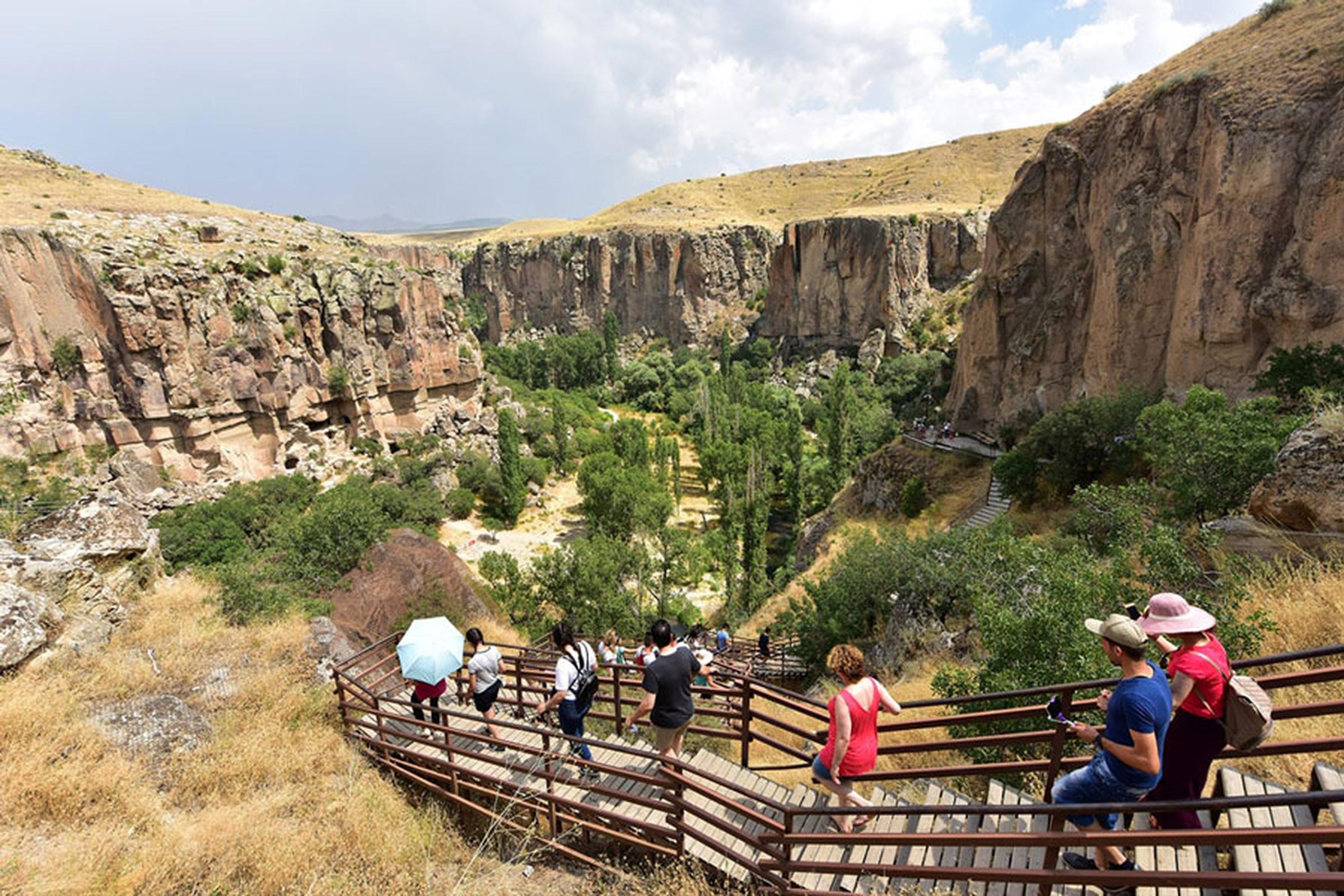
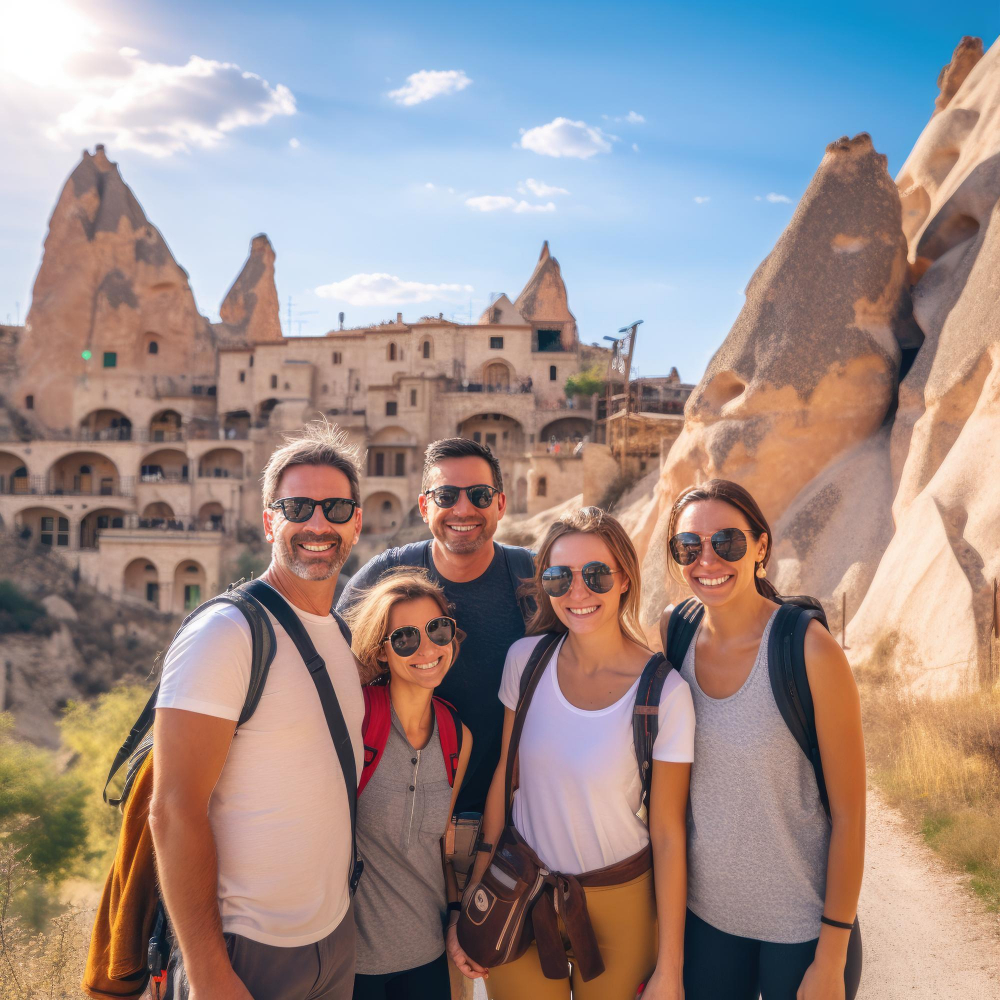
First we will drive to Ihlara Valley, created from the ashes of the volcanic Mt. Hasan. After hiking through the valley, whose water source is the beautiful Melendiz River, proceed to Selime to explore the hollowed-out citadel and churches where fairy chimneys rest on the steep hillside. Stop at Yaprakhisar village to take photos. In the afternoon, visit the Derinkuyu Underground Village where dwellings with stables, cellars, storage rooms, refectories, churches and wineries were used as refuges for Christian communities. Return to your hotel in the evening.
Available options
Cappadocia Surroundings
Pickup included
What's included
Private transportation
Soda/Pop
WiFi on board
Bottled water
Lunch
Air-conditioned vehicle
Fuel surcharge
Parking Fees
Detailed itinerary
1
The region of Cappadocia is located in the middle of a once-active volcanic area of central Anatolia. Millions of years ago three of its mountains - Erciyes, Hasandağ and Güllüdağ - were active volcanoes; indeed this activity persisted intermittently at least into the Neolithic period according to the prehistoric paintings.
The volcanic eruptions were so strong that in some places the lava was up to 150m in thickness. Over many millions of years, volcanoes, wind, rain and ice sculpted the region which we now know as Cappadocia. As the landscape was eroded, basalt stones remained and formed conical structures with some reaching as high as 45m.
The local people referred to these unique rock formations "fairy chimneys", a name that has endured throughout the ages. If nature was the first artist to arrange the decor, it was Anatolian man who carved the rock and built houses, churches and over 250 underground cities out of it over the centuries.
2
Stop 2
Uçhisar is first mentioned in a 14th-century chronicle by Aziz ibn Ardasir. The general area had been occupied much earlier, however. The Hittites may have used the natural structures of the cliffs as refuges and strongholds against possible attacks. In the seventh century AD, the Byzantines created a 'buffer zone' in the area against Islamic expansion. The nature of the terrain was conducive to defence, while the camouflage of the buildings provided an improved defence against attackers. After their conquest of the region, the Muslims also made use of the defensive possibilities of the area, creating small centres with caravanserais in the region. Today, for those who climb the steps to the top of the Uchisar Fortress, the whole region unfolds below. Rugs and kilims, and popular souvenirs can easily be purchased from the shops which line Uchisar's narrow streets.
3
Stop 3
Derinkuyu, one of the deepest, most extensive and amazing underground cities of Cappadocia, was discovered in 1966 during an excavation. This underground city has eight levels and lots of secret corridors. The floors include the churches, kitchens, places to tie up prisoners, sections for animals. Turkey's Cappadocia region is famous for its subterranean safe cities carved from soft tuff. These underground cities, which are among the most interesting cultural richness of Cappadocia, take tourists from all over the world on a mysterious journey every year.
The underground cities in Cappadocia, interconnected by corridors, were used as hiding places by Christians in the 7th century. These subterranean cities were self-sufficient cities with granaries, stables, rooms, kitchens and ventilation systems. Derinkuyu Underground City and Kaymakli Underground City were inscribed on the UNESCO World Heritage List in 1985.
4
Stop 4
TheMelendiz River, at lhlara, has eroded the banks into an impressive canyon. Byzantine rock chapels covered with frescoes pierce the canyon walls. Some of the best known are the Agacalti (Daniel) Church, theYilanli (Apocalypse) Church and the SumbulIu (Hyacinth)Church. Guzelyurt is another valley with dwellings dating from prehistoric times. You can see the beautiful silhouette of Mt. Hasan rising like a crown above the town. The valley's underground cities, buildings carved into the rock, interesting vernacular architecture, churches, chapels and mosques embody all of the characteristics of Cappadocia and give visitors a sense of historical continuity. A popular tourist destination, Guzelyurt's hospitable residents, extensive accommodation and restaurants ensure a pleasant stay.
What's not included
Gratuities
Available languages
Guide guide
AR
DE
RU
ZH-TW
JA
EN
IT
FR
TR
ES
Important information
Infants are required to sit on an adult’s lap
Specialized infant seats are available
Service animals allowed
Infants and small children can ride in a pram or stroller
Transportation options are wheelchair accessible
Wheelchair accessible
Travelers should have at least a moderate level of physical fitness
About Göreme
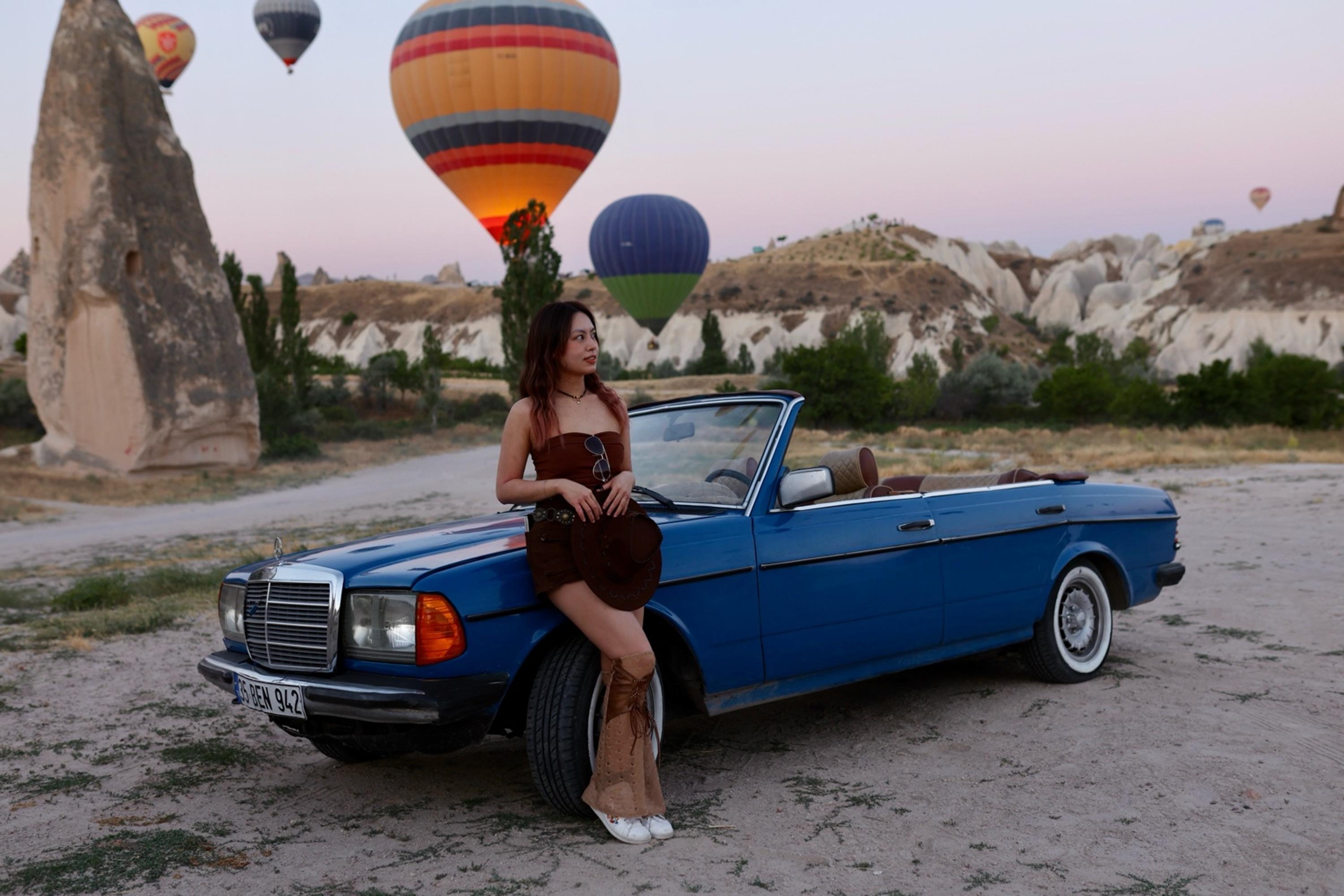
Göreme is a small town in the heart of Cappadocia, renowned for its unique rock formations, cave dwellings, and hot air balloon rides. This enchanting region offers a blend of natural wonders, ancient history, and cultural experiences that make it a must-visit destination.
Top Attractions
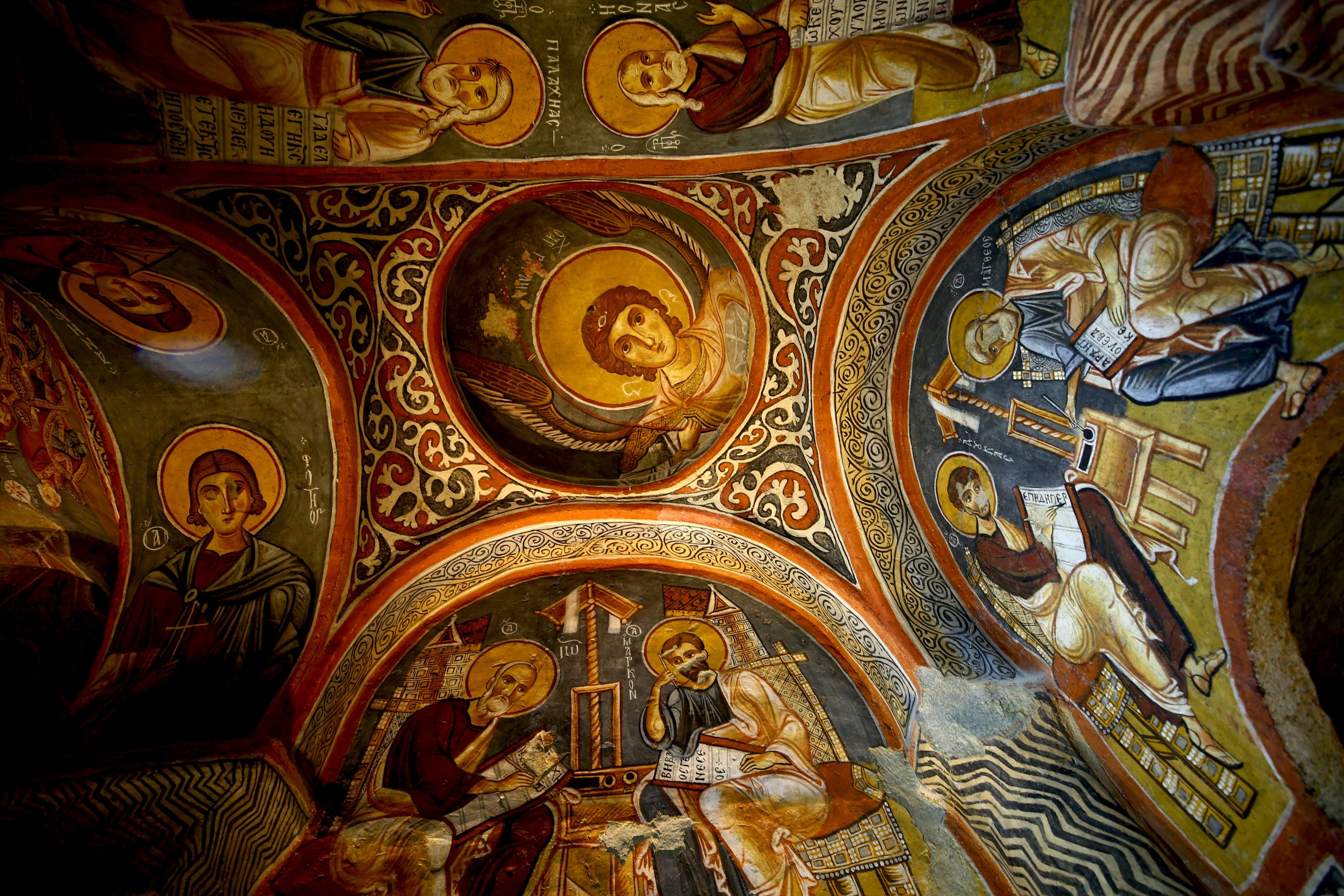
Göreme Open-Air Museum
A UNESCO World Heritage Site featuring rock-cut churches and monasteries with stunning frescoes dating back to the Byzantine era.
Historical/Religious
2-3 hours
Approximately 50 TRY
Love Valley
A scenic valley known for its phallic-shaped rock formations and hiking trails offering panoramic views of the region.
Nature
1-2 hours
Free
Uçhisar Castle
A towering rock castle offering the highest panoramic view of the Cappadocia region.
Historical/Architecture
1-2 hours
Approximately 20 TRY
Derinkuyu Underground City
An ancient multi-level underground city carved into volcanic rock, used as a refuge during times of invasion.
Historical
2-3 hours
Approximately 30 TRY
Hot Air Balloon Ride
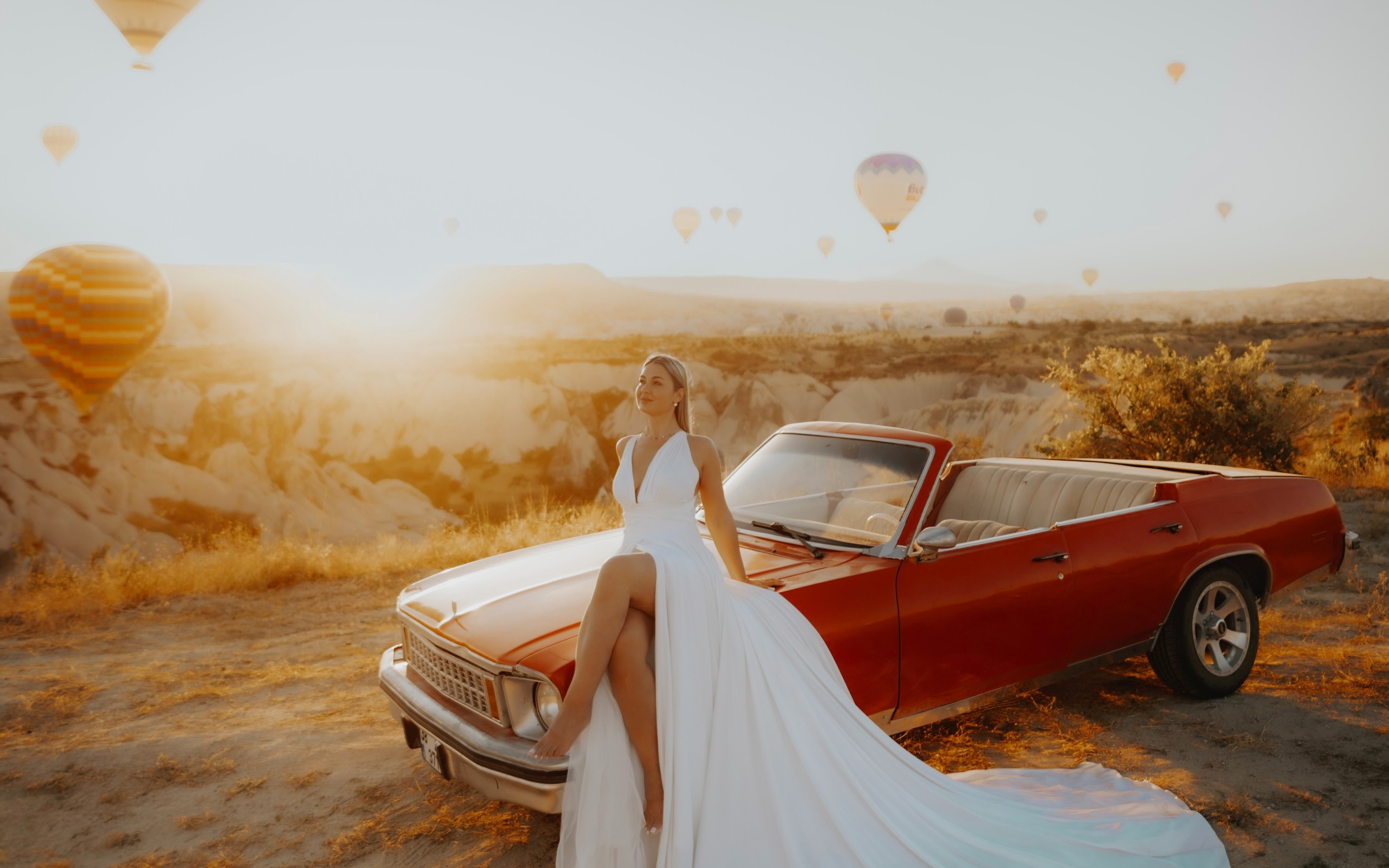
A must-do experience in Cappadocia, offering breathtaking aerial views of the unique landscape.
Adventure
1-2 hours
Approximately 150-250 EUR
Must-Try Local Dishes
Testi Kebab
A traditional dish cooked in a sealed clay pot, containing meat, vegetables, and spices.
Dinner
Non-vegetarian
Pide
Turkish flatbread with various toppings, similar to pizza.
Lunch/Dinner
Can be vegetarian or non-vegetarian
Göreme Salad
A fresh salad made with local vegetables, cheese, and herbs.
Lunch
Vegetarian
Manti
Small dumplings filled with spiced meat, served with yogurt and garlic sauce.
Dinner
Non-vegetarian
Popular Activities
Hot air balloon ride
Hiking
ATV tours
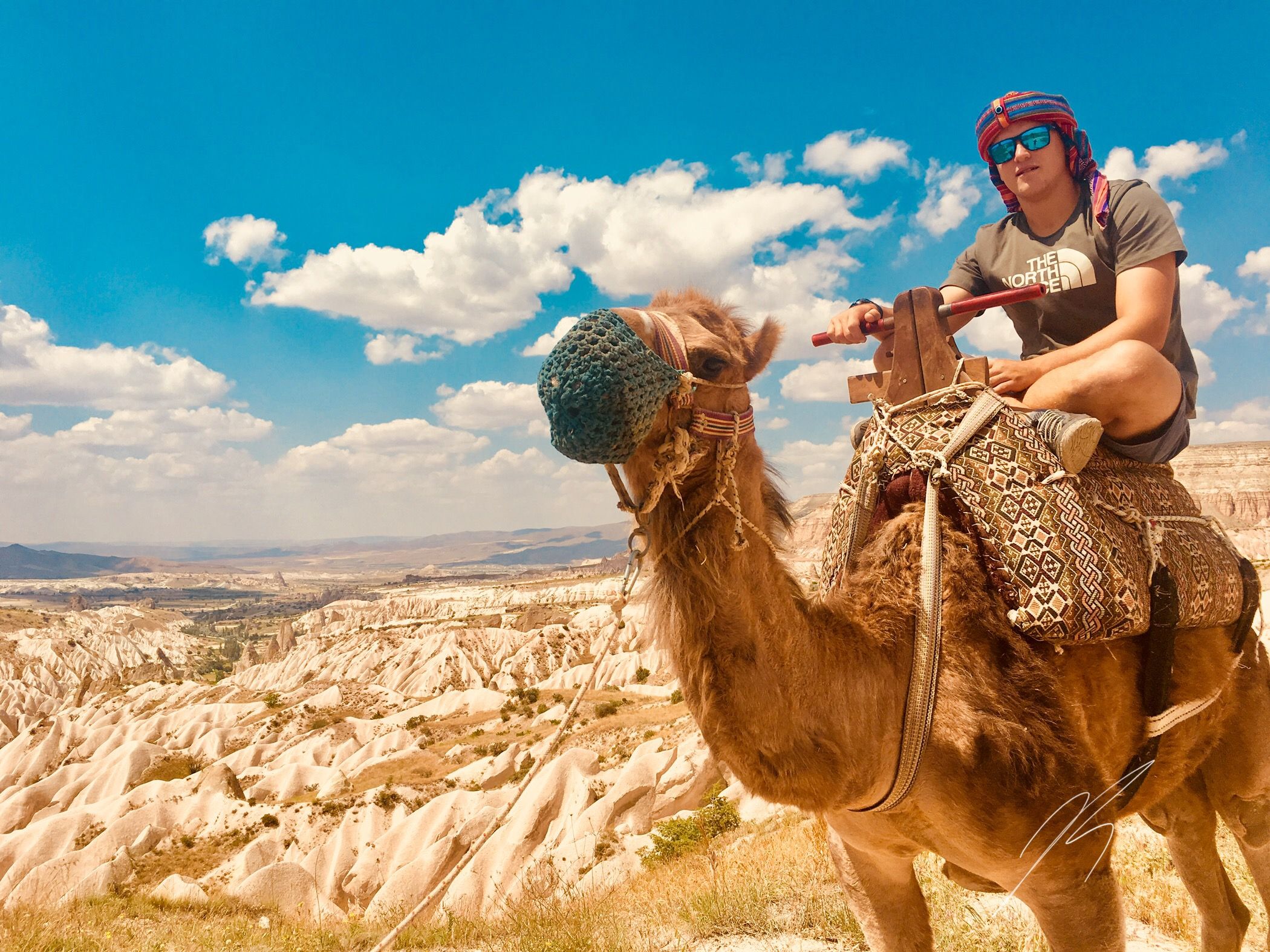
Horseback riding
Spa and wellness treatments
Wine tasting
Picnicking in the valleys
Visiting the Göreme Open-Air Museum
Best Time to Visit
April to June, September to November
The weather is pleasant, with comfortable temperatures and fewer crowds. This is the ideal time for outdoor activities and sightseeing.
15°C to 30°C
59°F to 86°F
Practical Information
Language
- Official: Turkish
- Widely spoken: English, German, Russian
- English: Moderately spoken
Currency
Turkish Lira (TRY)
Time Zone
GMT+3
Electricity
220VV, 50HzHz
Safety Information
Overall Safety Rating: Generally safe
Göreme is generally a safe destination for travelers. However, as with any destination, it's important to be aware of your surroundings and take precautions to protect your belongings.
Important Precautions:
- • Be cautious of your belongings in crowded areas
- • Use reputable tour operators and guides
- • Agree on prices before starting your journey in taxis or shared vehicles
Getting there
By air
- Kayseri Erkilet Airport • 75 km (47 miles)
- Nevşehir Kapadokya Airport • 35 km (22 miles)
By bus
Göreme Bus Terminal
Getting around
Public transport
Local buses are infrequent and not very reliable. They are best suited for short distances.
Taxis
Available • Apps: BiTaksi
Rentals
Car, Bike, Scooter
Neighborhoods
Göreme Town Center
Uçhisar
Çavuşin
Day trips
Derinkuyu Underground City
30 km (18.6 miles) • Half day
Explore the fascinating underground city of Derinkuyu, a multi-level subterranean refuge dating back to ancient times.
Ihlara Valley
50 km (31 miles) • Full day
A scenic valley with lush greenery, ancient churches, and hiking trails along the Melendiz River.
Avanos
20 km (12.4 miles) • Half day
A traditional town known for its pottery workshops and pottery-making demonstrations.
Festivals
Cappadocia International Music Festival • September
Cappadocia Hot Air Balloon Festival • April
Çavuşin Culture and Art Festival • July
Pro tips
- Book your hot air balloon ride well in advance, as they often sell out during peak season
- Wear comfortable shoes for hiking and exploring the rocky terrain
- Bring layers of clothing, as temperatures can vary significantly throughout the day
- Learn a few basic phrases in Turkish to enhance your interaction with locals
- Visit the Göreme Open-Air Museum early in the morning or late in the afternoon to avoid crowds and heat
From $25
per person
Price varies by option
Secure booking
Free cancellation available
Instant confirmation