Full Day Excursion Royal London & Windsor in an Iconic London Black Cab
Active
7h
For a full refund, cancel at least 24 hours before the scheduled departure time.
Instant confirmation
Mobile or paper ticket accepted
About this experience
You will be collected and returned from a pre arranged Central London location, at a time of your choice, in an air conditioned Iconic London taxi.
We shall commence the driving tour in London, with plenty of opportunity to stop, get out and get those all important photo's at the following locations
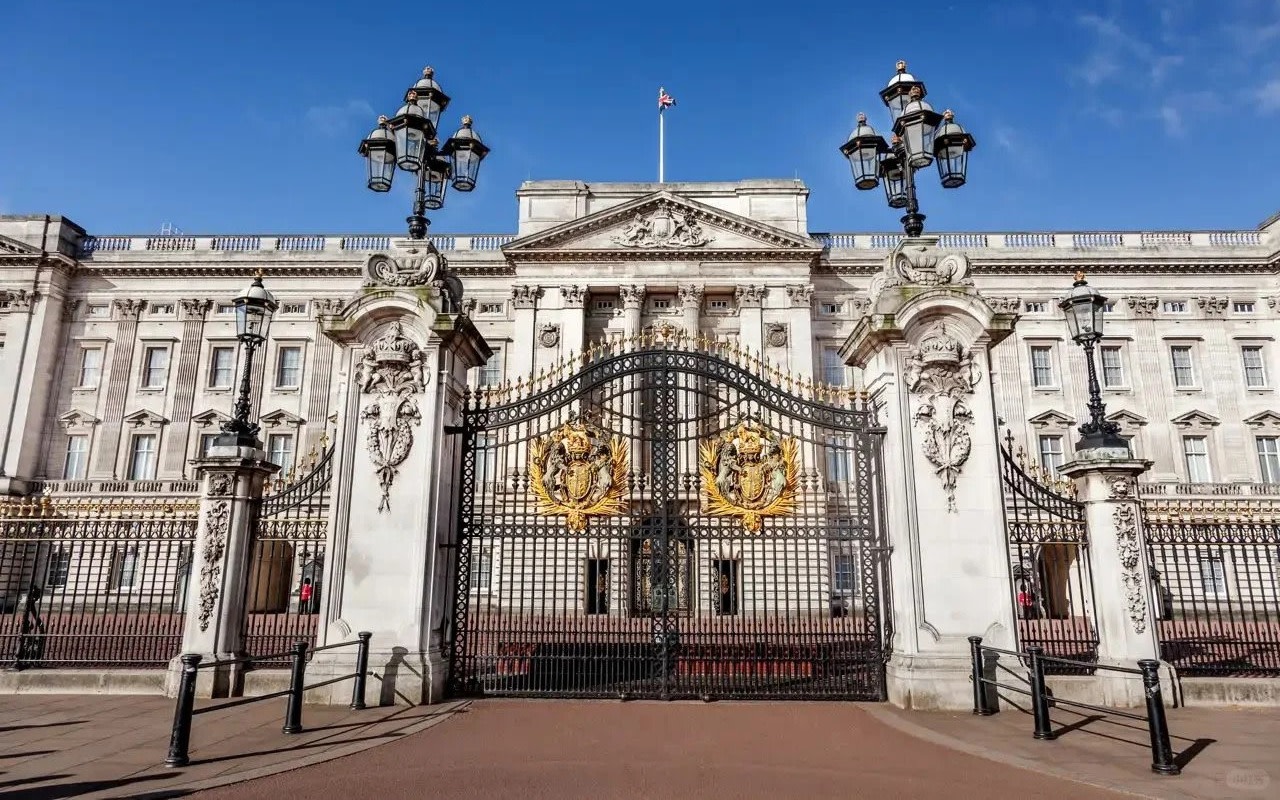
Buckingham Palace
St James's Palace
Kensington Palace
Westminster Abbey
We will then head out of town to the Royal Borough of Windsor and That Castle! the Family home to the British Royal Family
Here, you will have time to yourselves to explore Windsor Castle, no one is allowed to guide inside the Castle at all
At the end of the day you shall be returned to either your hotel or Central London location of your choice.
Available options
Full Day Excursion Royal London & Windsor in an Iconic London Black Cab
Pickup included
What's included
Private transportation
Air-conditioned vehicle
Fuel surcharge
Parking Fees
Detailed itinerary
1
Stop 1
Buckingham Palace has served as the official London residence of the UK’s sovereigns since 1837 and today is the administrative headquarters of the Monarch.
Today, Buckingham Palace is very much a working building and the centrepiece of the UK’s constitutional monarchy, it serves as the venue for many royal events and ceremonies from entertaining foreign Head of States to celebrating achievement at Investitures and receptions.
2
Stop 2
St. James's Palace has been the setting for some of the most important events in Royal history, having been a residence of Kings and Queens of England for over 300 years until the reign of Queen Victoria.
3
The original and official entrance to both St James’s Palace and Buckingham Palace.
A Guard is mounted here by members of the Household Cavalry, either the Blues and Royal or the Lifeguards (Kings Troop in July) – the Guard Changes 11am daily.
There is a Guard inspection at 4pm every afternoon – simply because when Queen Victoria paid a visit at the same time one afternoon, she discovered a Guard pissed and slumped over a barrel of beer
Until the late 19th Century Horseguards was also the HQ of the British Army, and remains today the official HQ for Army units based in London.
Note the ‘Number 2’ on the clock above the archway has a black mark beside it - this is in recognition of the Execution of Charles 1, who was beheaded at 2:10pm on the 30th January 1649, opposite this spot outside the Banqueting House.
It is a unique clock face with Roman numerals circled by decimal numbers so that the time of 2:10pm can be highlighted.
4
Stop 4
The Abbey has been the coronation church since 1066, and is the final resting place of 17 monarchs, as well as the scene of 16 Royal weddings. The church we see today was begun by Henry III in 1245. It’s one of the most important Gothic buildings in the country, and has the medieval shrine of an Anglo-Saxon saint at its heart.
Today it is still a church dedicated to regular worship and to the celebration of great events in the life of the nation. Neither a cathedral nor a parish church, Westminster Abbey (or the Collegiate Church of St Peter, Westminster to give it its correct title) is a "Royal Peculiar" under the jurisdiction of a Dean and Chapter, subject only to the Sovereign and not to any archbishop or bishop.
5
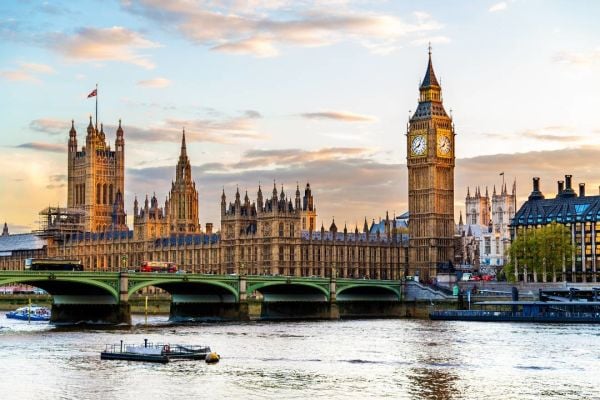
The Palace of Westminster, to give it its official name, serves as the meeting place for both the House of Commons and the House of Lords, the two houses of the Parliament of the United Kingdom.
Both Houses work on behalf of UK citizens to check and challenge the work of Government, make and shape effective laws, and debate/make decisions on the big issues of the day.
6
Stop 6
Home to numerous Royals, and often referred to as the Royal nursery. The focal point of a nations mourning for Princess Diana
7
Stop 7
For more than 1,400 years, a Cathedral dedicated to St Paul has stood at the highest point in the City.
Frequently at the centre of national events, traditions have been observed here and radical new ideas have found expression under the iconic dome. In many cases these events have left some physical record as well as echoes in the intangible memory of the building.
The present Cathedral, the masterpiece of Britain's most famous architect Sir Christopher Wren, is at least the fourth to have stood on the site. It was built after its predecessor was destroyed in the Great Fire of London in 1666, and services began in 1697.
This was the first Cathedral to be built after the English Reformation in the sixteenth-century, when Henry VIII removed the Church of England from the jurisdiction of the Pope and the Crown took control of the life of the church.
8
Stop 8
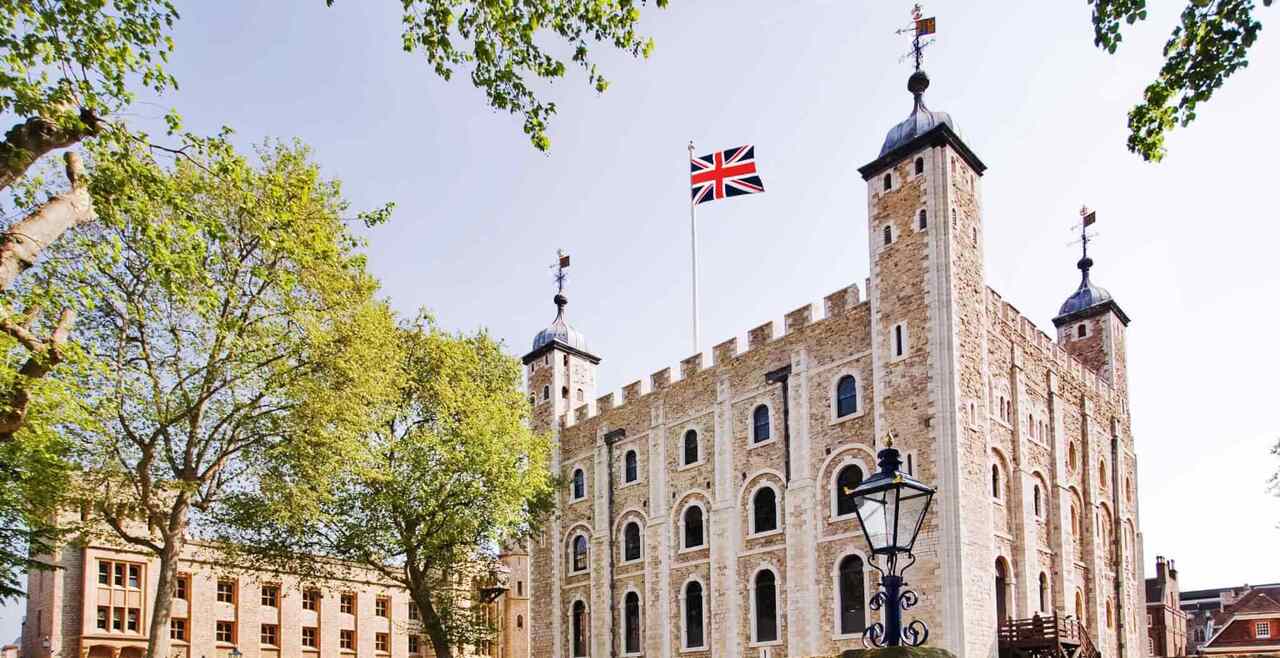
A Palace, a Prison, a place of Execution! An Armoury, an Observatory, and a Royal Zoo.
3 Queens of England lost their heads here - Anne Boleyn, Catherine Howard and Lady Jane Grey.
The Tower is where the Crown Jewels are kept (used in all coronations of our Kings and
Queens).
9
Stop 9
Home to the British Monarchy since the 11th century, a Royal Residence to no fewer than 39 British Monarchs and the oldest Royal Residence in the British Isles to be in continuous use,
What's not included
Lunch
Admission fees to relevant sites
Available languages
Audio guide
EN
Guide guide
EN
Reviews breakdown
Viator
5.0
1 reviews
5★
1
4★
0
3★
0
2★
0
1★
0
Tripadvisor
5.0
3 reviews
5★
3
4★
0
3★
0
2★
0
1★
0
Important information
Wheelchair accessible
Infants and small children can ride in a pram or stroller
Service animals allowed
Public transportation options are available nearby
Specialized infant seats are available
Transportation options are wheelchair accessible
Suitable for all physical fitness levels
About London
London, the capital of England and the United Kingdom, is a vibrant, multicultural metropolis known for its rich history, iconic landmarks, and dynamic cultural scene. From the ancient Tower of London to the modern Shard, the city offers a blend of the old and the new, making it a fascinating destination for travelers from around the world.
Top Attractions
Tower of London
A historic castle located on the north bank of the River Thames. It has served as a royal palace, prison, armory, and treasury. The Crown Jewels are also housed here.
Historical
2-3 hours
£28 (adult ticket)
Buckingham Palace
The official residence of the British monarch. Visitors can watch the Changing of the Guard ceremony and tour the State Rooms during the summer.
Historical
1-2 hours
£27.50 (adult ticket for State Rooms)
The British Museum
One of the world's largest and most comprehensive museums, housing a vast collection of artifacts from around the globe.
Museum
2-3 hours
Free (special exhibitions may have a charge)
The London Eye
A giant Ferris wheel on the South Bank of the River Thames, offering panoramic views of the city.
Entertainment
30 minutes
£27-£33 (adult ticket)
Westminster Abbey
A large, mainly Gothic abbey church just to the west of the Palace of Westminster. It is one of the most notable religious buildings in the UK and the traditional place of coronation and burial for English and, later, British monarchs.
Religious
1-2 hours
£27 (adult ticket)
Tower Bridge
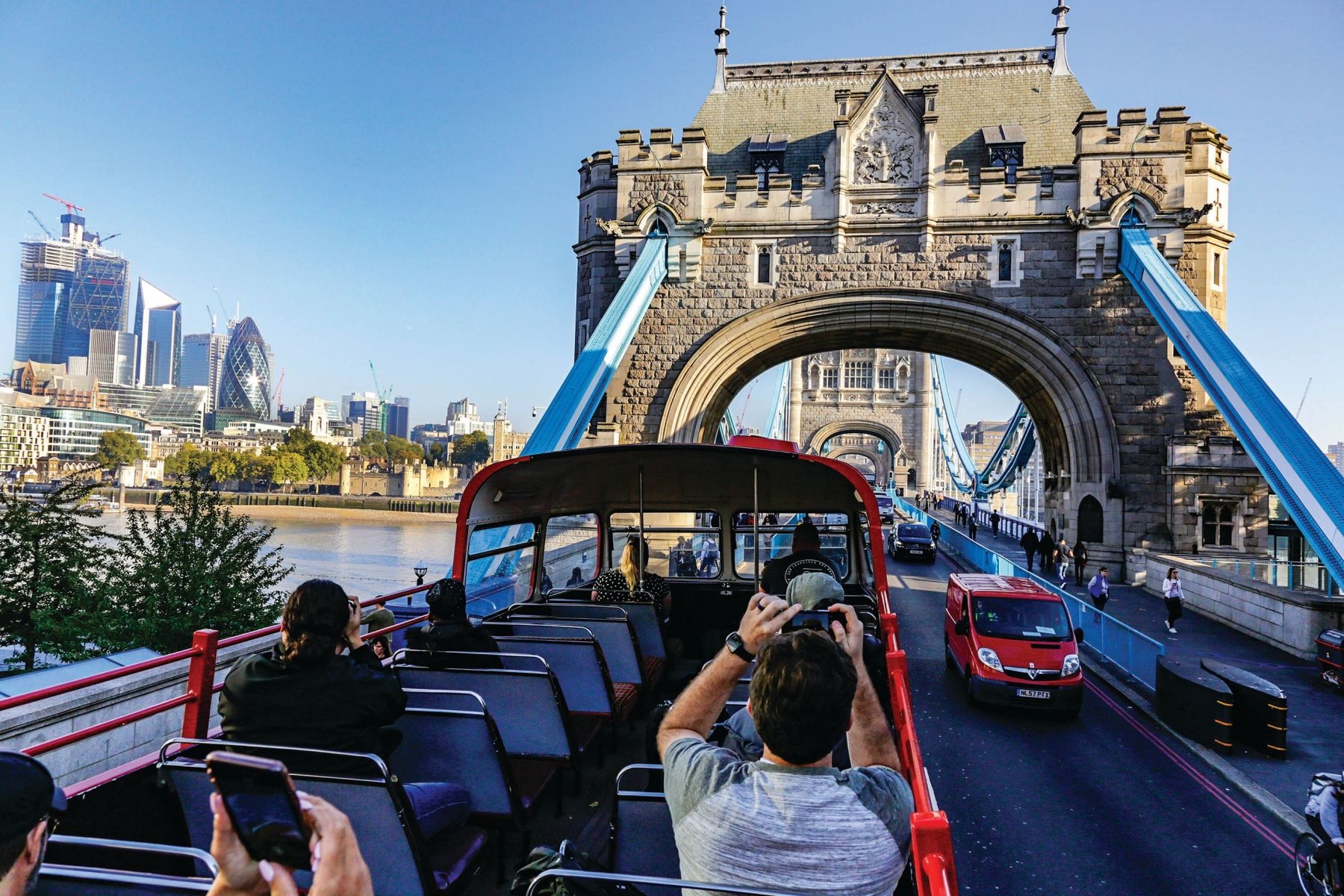
An iconic symbol of London, this combined bascule and suspension bridge spans the River Thames. Visitors can explore the bridge's walkways and the Tower Bridge Exhibition.
Architecture
1-2 hours
£11 (adult ticket for the exhibition)
Must-Try Local Dishes
Fish and Chips
A classic British dish consisting of battered and fried fish, usually cod or haddock, served with thick-cut chips (fries).
Dinner
Contains gluten and fish
Full English Breakfast
A hearty breakfast consisting of eggs, bacon, sausages, baked beans, grilled tomatoes, mushrooms, black pudding, and toast.
Breakfast
Contains meat and gluten
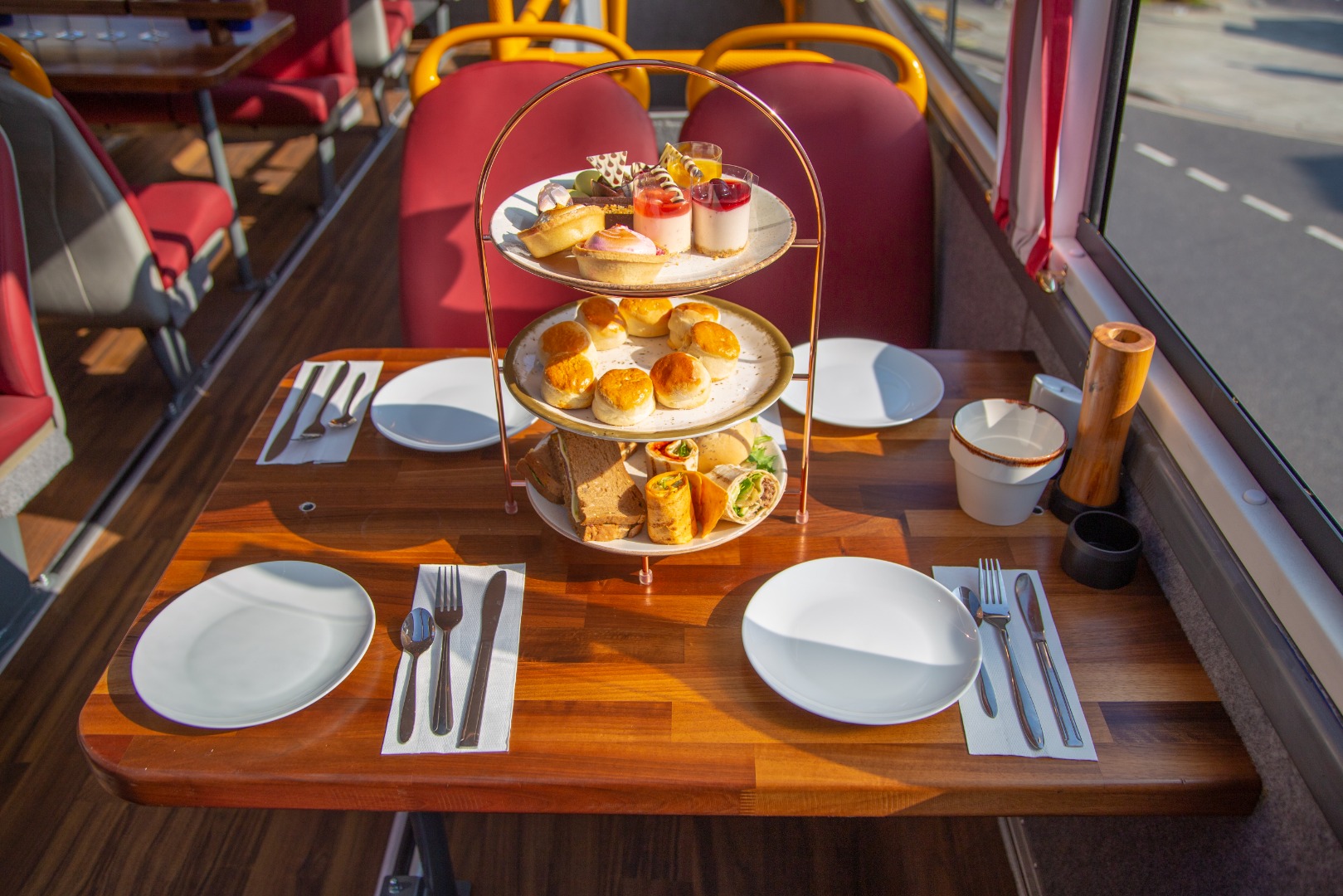
Afternoon Tea
A quintessential British tradition involving a selection of finger sandwiches, scones with clotted cream and jam, and a variety of pastries, all served with tea.
Snack
Can be adapted for vegetarian, vegan, and gluten-free diets
Sunday Roast
A traditional British meal served on Sundays, featuring roasted meat (usually beef, lamb, or chicken), Yorkshire pudding, roast potatoes, vegetables, and gravy.
Dinner
Contains meat and gluten
Popular Activities
Rock climbing
Kayaking on the Thames
Cycling tours
Afternoon tea
Spas and wellness centers
Punting on the River Cam
Museum visits
Theater performances
Best Time to Visit
June to August
Summer is the peak tourist season in London, with long daylight hours and a variety of festivals and events. The weather is generally pleasant, though it can be unpredictable.
15°C to 25°C
59°F to 77°F
Practical Information
Language
- Official: English
- Widely spoken: English
- English: Widely spoken
Currency
British Pound (GBP)
Time Zone
GMT (UTC+0) or BST (UTC+1) during daylight saving time
Electricity
230VV, 50HzHz
Safety Information
Overall Safety Rating: Generally safe
London is generally safe for travelers, but like any major city, it's important to be aware of your surroundings and take precautions to protect yourself and your belongings.
Important Precautions:
- • Keep your belongings secure and be aware of your surroundings
- • Avoid carrying large amounts of cash
- • Use licensed taxis or ride-sharing services
Getting there
By air
- Heathrow Airport • 23 km from city center
- Gatwick Airport • 40 km from city center
By train
London Waterloo, London King's Cross
By bus
Victoria Coach Station, Earls Court, Farringdon
Getting around
Public transport
The Tube is the fastest and most efficient way to get around London. It operates from early morning until late at night and covers all major attractions.
Taxis
Available • Apps: Uber, Bolt
Rentals
Car, Bike, Scooter
Neighborhoods
Westminster
Camden Town
Soho
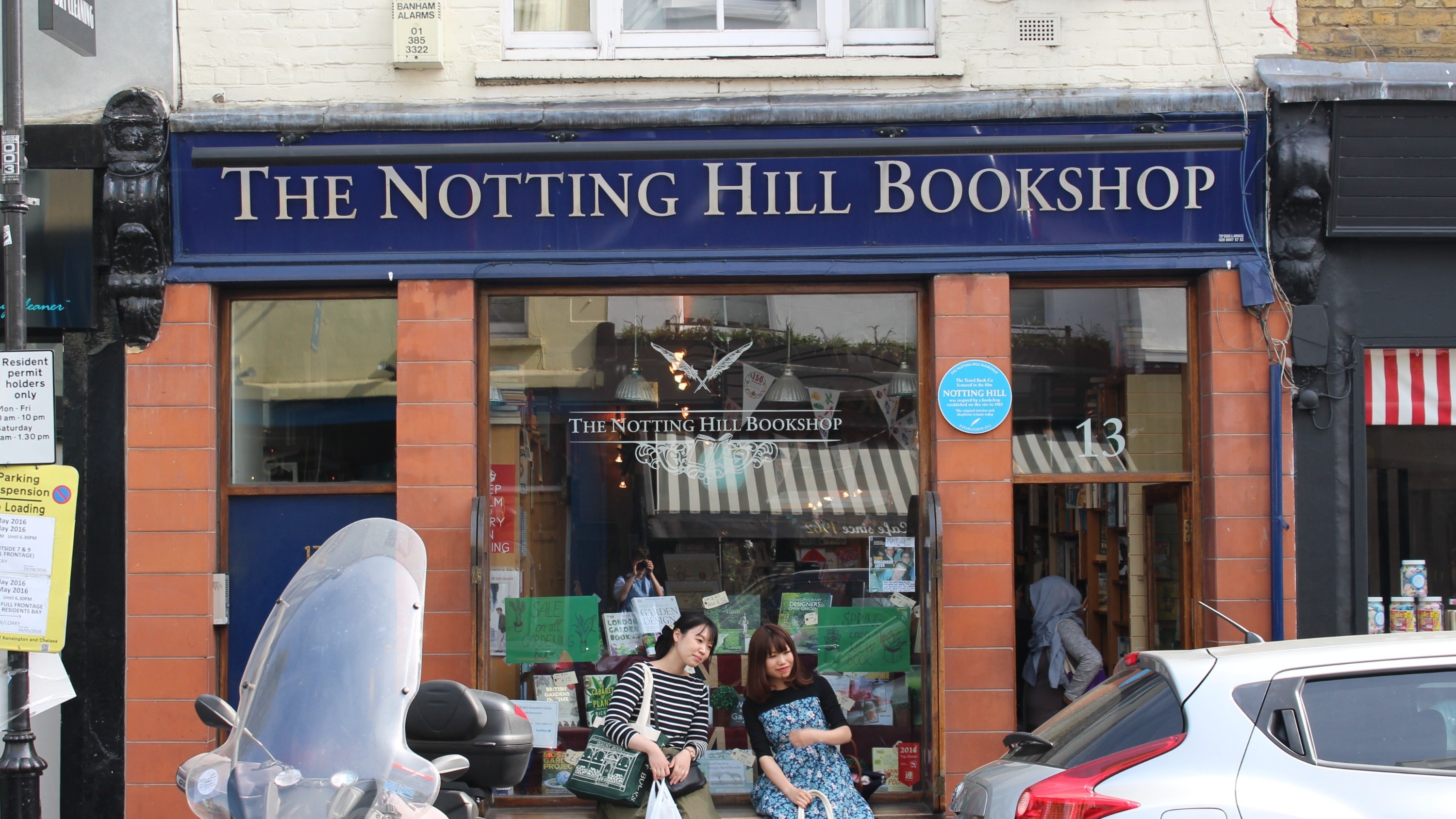
Notting Hill
Shoreditch
Greenwich
Day trips
Windsor Castle
34 km from London • Half day to full day
Windsor Castle is the oldest and largest occupied castle in the world, and it's one of the official residences of the British monarch.
Stonehenge
130 km from London • Full day
Stonehenge is a prehistoric monument consisting of a ring of standing stones, located in the English county of Wiltshire.
Brighton
80 km from London • Full day
Brighton is a vibrant coastal city known for its beaches, lively atmosphere, and eclectic mix of shops, restaurants, and attractions.
Festivals
Notting Hill Carnival • Last Sunday and Monday of August
London Film Festival • October
New Year's Eve Fireworks • December 31
Pro tips
- Use an Oyster card or contactless payment for cheaper and more convenient public transportation
- Book tickets in advance for popular attractions to skip the queue and save money
- Explore the city's neighborhoods and markets for a unique and authentic experience
- Try the local street food and international cuisine at markets like Borough Market and Camden Market
- Visit the city's parks and gardens for a peaceful escape from the bustling streets
From $25
per person
Price varies by option
Secure booking
Free cancellation available
Instant confirmation