

Elbe Philharmonic Hall, HafenCity and Speicherstadt tour
Active
2h
For a full refund, cancel at least 24 hours before the scheduled departure time.
Instant confirmation
Mobile or paper ticket accepted
About this experience
We show the exciting history of this district in a unique way. They are shown exciting architecture and together we walk through the times to the present.
Available options
Elbe Philharmonic Hall, HafenCity and Speicherstadt tour
Harbor-Storagecity and Elbphil
What's included
travel Guide
Detailed itinerary
1
Stop 1
In the narrower sense, HafenCity is the project name for the roughly 157 hectare area on the Großer Grasbrook, which was once part of the free port. By the beginning of the 2030s, residential units for up to 14,000 people [2], up to 3,000 hotel rooms and workplaces for up to 45,000 people, primarily in the office and service sector, are to be created on the site. In addition, up to 10,000 pupils and students as well as around 50,000 customers and tourists are calculated per day, so that once it is completed, over 120,000 people are expected to enliven the district every day. It is currently one of the largest inner-city urban development projects in Europe.
2
Stop 2
To evacuate the site in the event of a storm surge, e.g. B. the Kibbelstegbrücke through the historic warehouse district to behind the dike line of Hamburg city center.
3
Stop 3
Pass by
The HafenCity University of Hamburg - University of Architecture and Metropolitan Development (HCU) [3] - is a state university. The HCU combines all aspects of building and urban development in design and draft, engineering and natural sciences as well as humanities and social sciences.
4
Stop 4
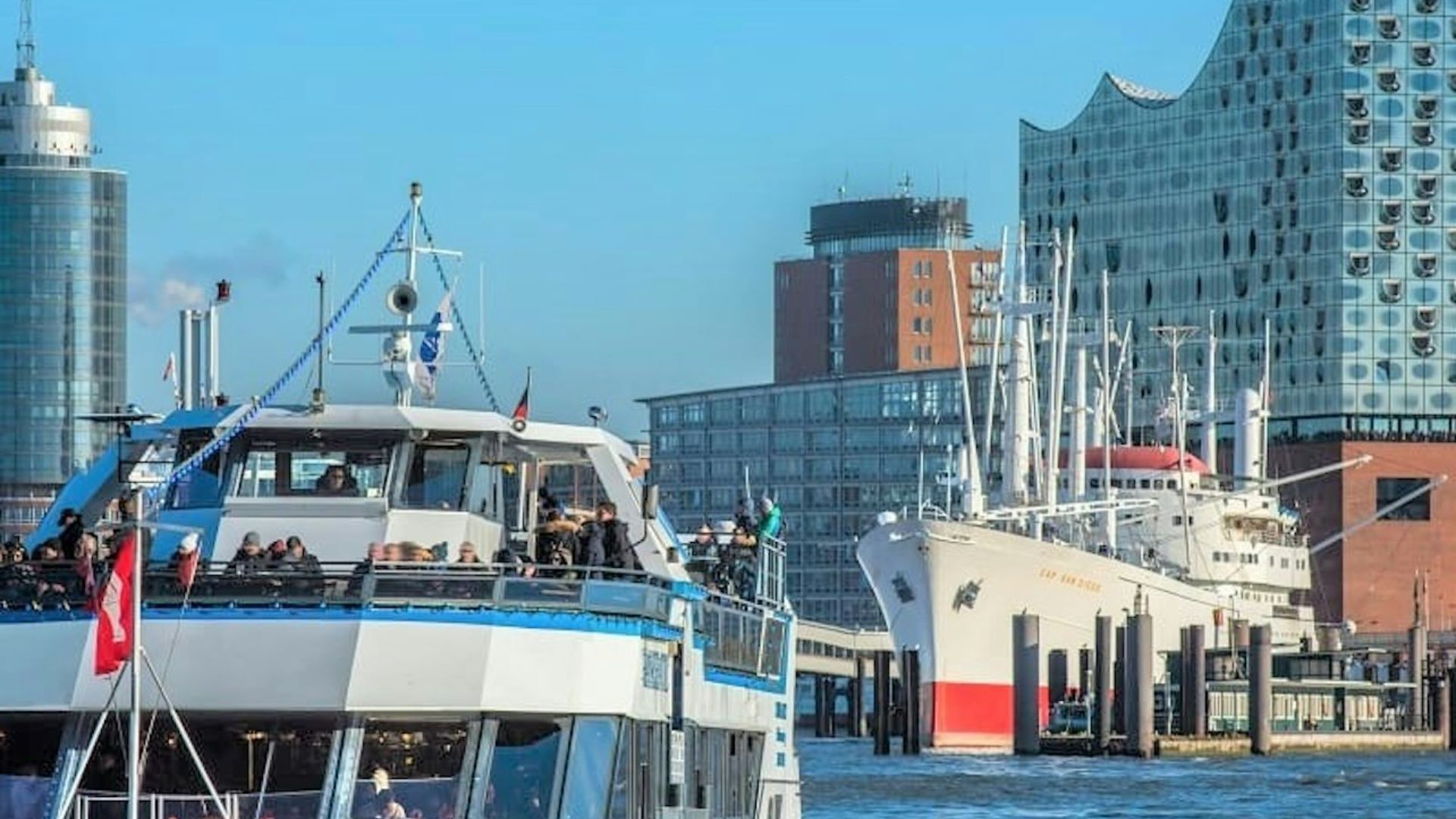
Typical fleet with the most modern buildings in Hafen City with a view of the Maritime Museum and Elbarkaden
5
Stop 5
Pass by
The Grasbrookpark is a small neighborhood park at Grasbrookhafen in HafenCity in the district of Hamburg-Mitte. It is located in the Am Sandtorpark / Grasbrook district between Überseequartier and the Marco Polo terraces.
6
Stop 6
The traditional shipping port in the heart of Hamburg
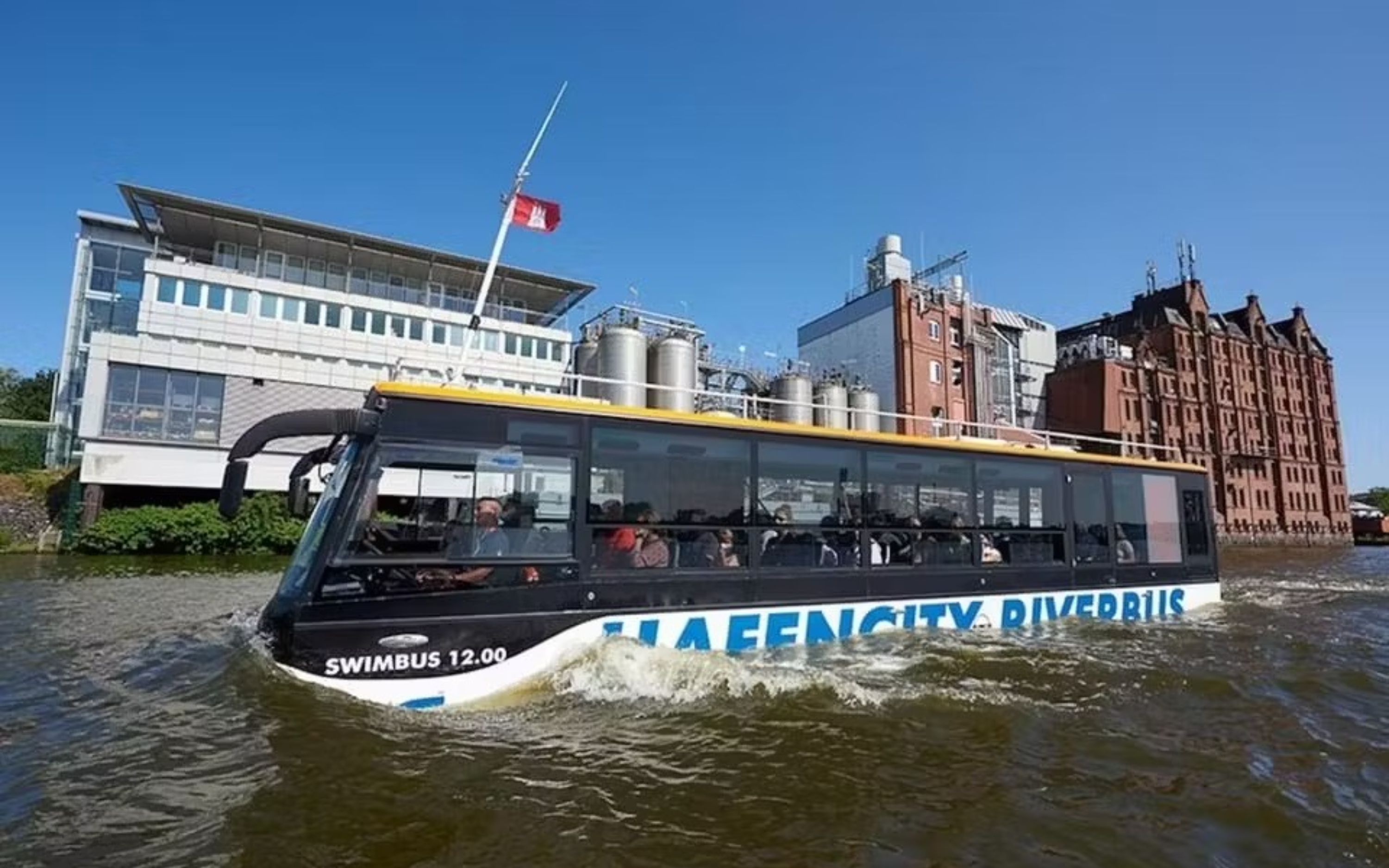
The Sandtorhafen is the traditional shipping port of the Hamburg Maritim Foundation.
The pontoon facility belonging to HafenCity Hamburg GmbH has been a place of cultural history that can be experienced directly from the start, in accordance with the historical importance of the Sandtorhafen.
Historic ships, port facilities and work equipment are the testimonies to Hamburg's maritime history. Preserving, restoring and making them accessible to the public is the goal of the Hamburg Maritim Foundation.
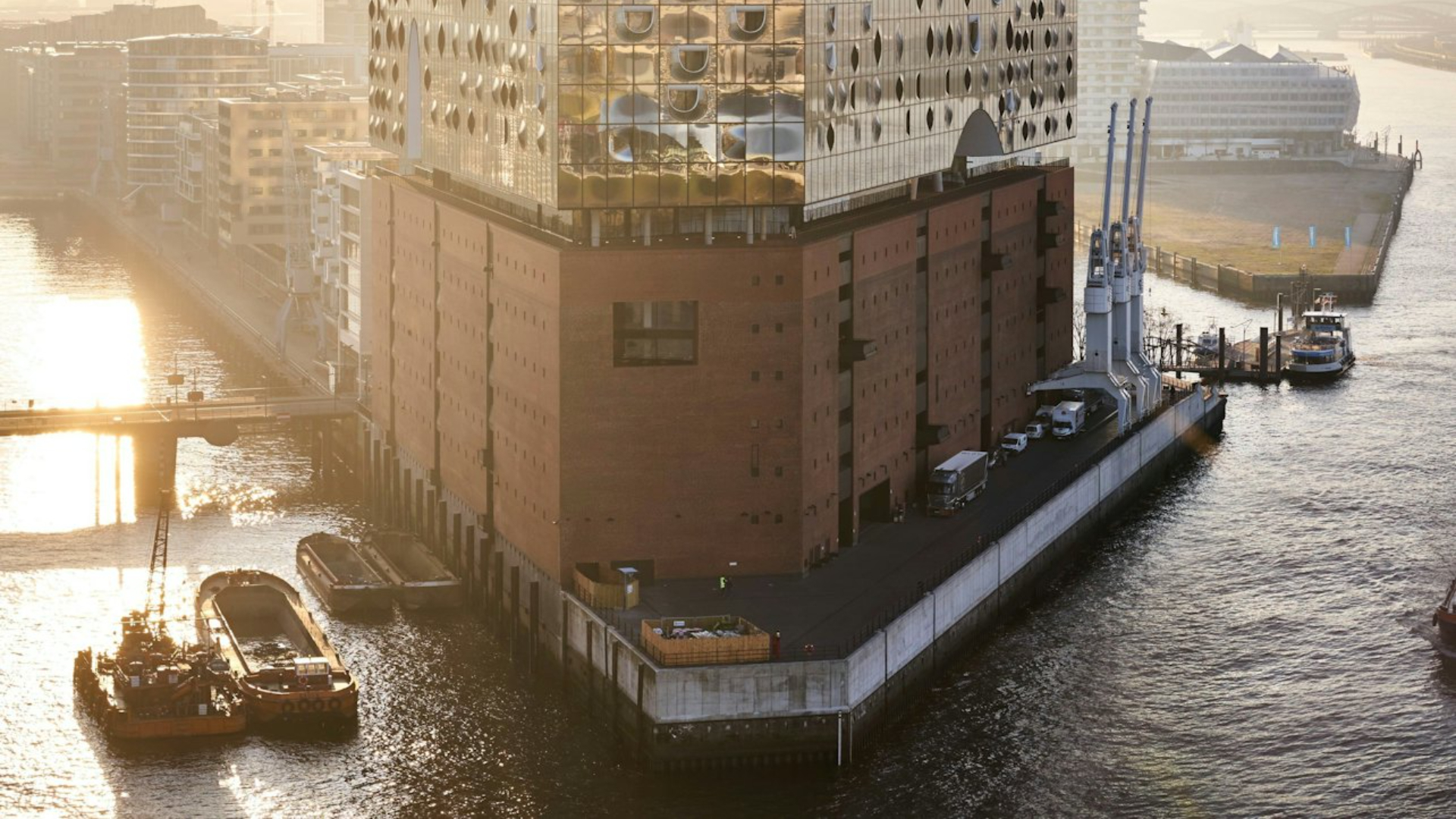
The Sandtorkai, today Hamburg's oldest quay wall, had already been restored in a monumental manner in 2002 with great effort. Three historical access bridges serve to open up the pontoon system in front of it, and three restored general cargo cranes are erected on the Kaiserkai on the south bank of the harbor - reminiscences of the history of the place!
7
Stop 7
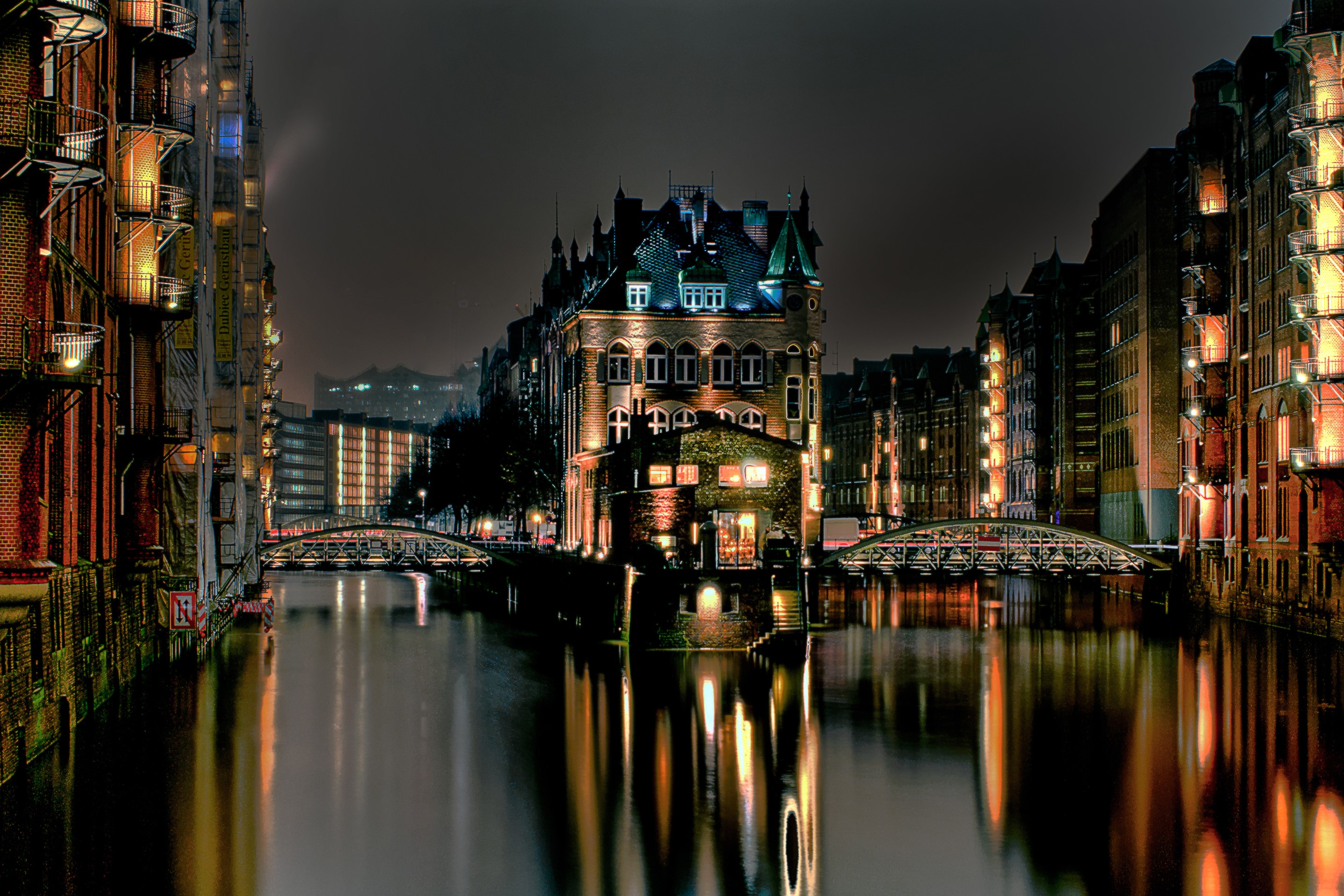
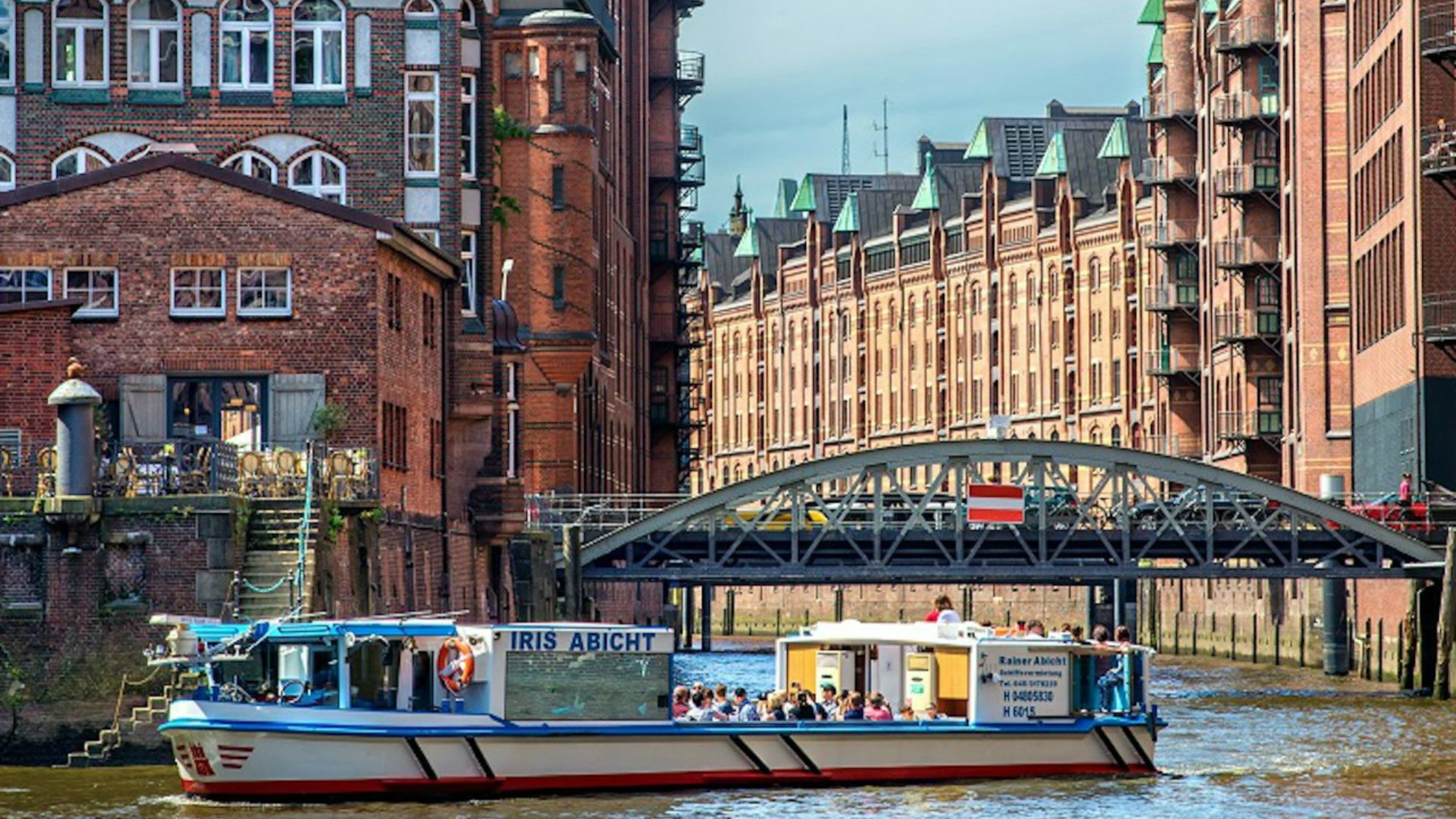
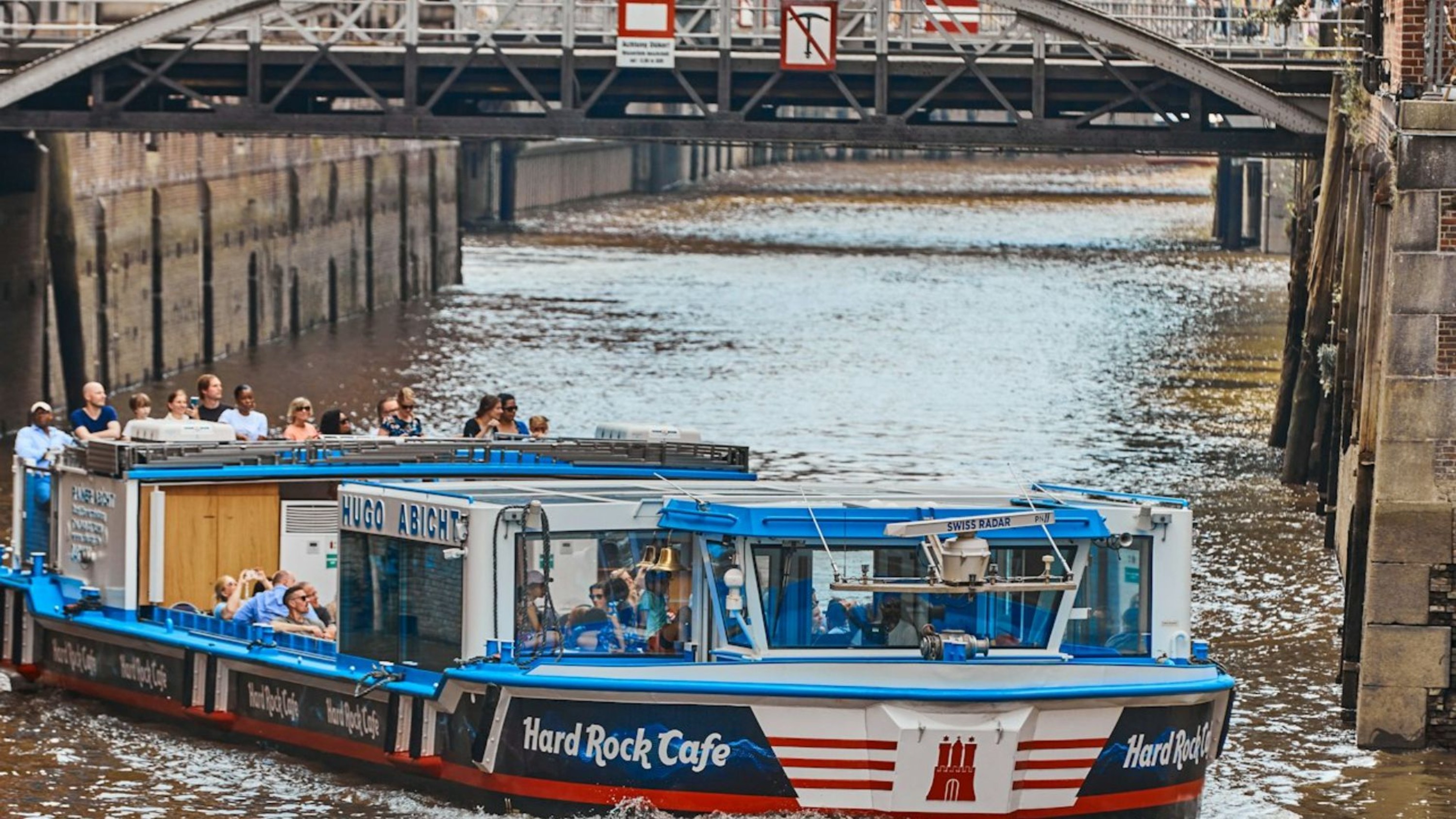
Hamburg's warehouse district is the world's largest historic warehouse complex, located in the port of Hamburg. It covers the area between Bäumenall and Oberhafen. It has been a listed building since 1991 and has been on the UNESCO World Heritage List since July 5, 2015 with the neighboring Kontorhaus district under the name Speicherstadt and Kontorhaus district with Chilehaus.
8
Stop 8
The Miniatur Wunderland (own spelling) in Hamburg is the largest model railway system in the world. It is located in the historic warehouse district and is operated by Miniatur Wunderland Hamburg GmbH. A total of 15.715 kilometers of tracks (as of August 2019) [2] [3] on a scale of 1:87 (nominal size H0; corresponds in reality to approximately 1,367 kilometers of track) lie on the 1499 square meter system area, on which around 1,040 digitally controlled trains run.
9
Stop 9
The Fleetschlösschen is a historic building and belongs to the ensemble of the Speicherstadt in Hamburg. It is located at the intersection Brooktorkai / St.-Annen-Brücke, is a listed building and has been a World Heritage Site in the Speicherstadt since July 2015. In the Hamburg list of monuments, the house is listed as a former toilet building. Today's use is as a café and pub in a former coffee hatch.
10
Spicy’s Spice Museum is a private museum founded in 1991 in Hamburg. With 152,000 visitors in 2007, it is one of the city's most popular museums.
11
Stop 11
The four-story building was built between 1905 and 1907 as part of the third construction phase of the Speicherstadt (1899 to 1912) and is one of the most famous landmarks and oldest buildings in the historic warehouse complex.
12
Stop 12
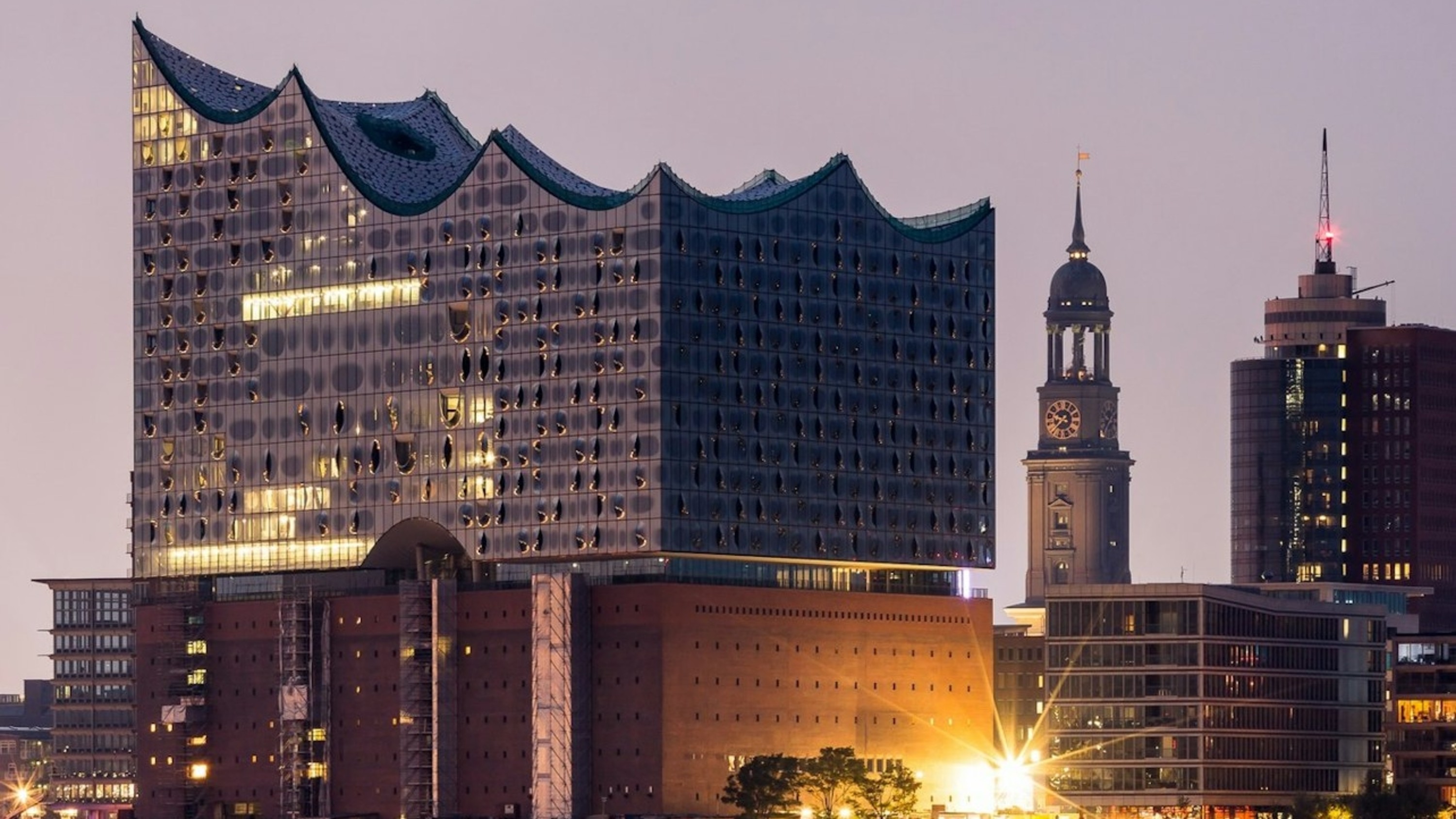
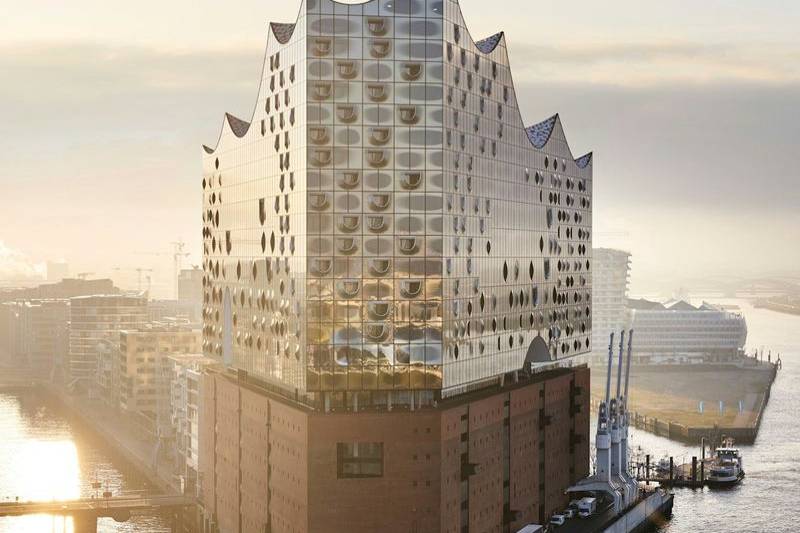
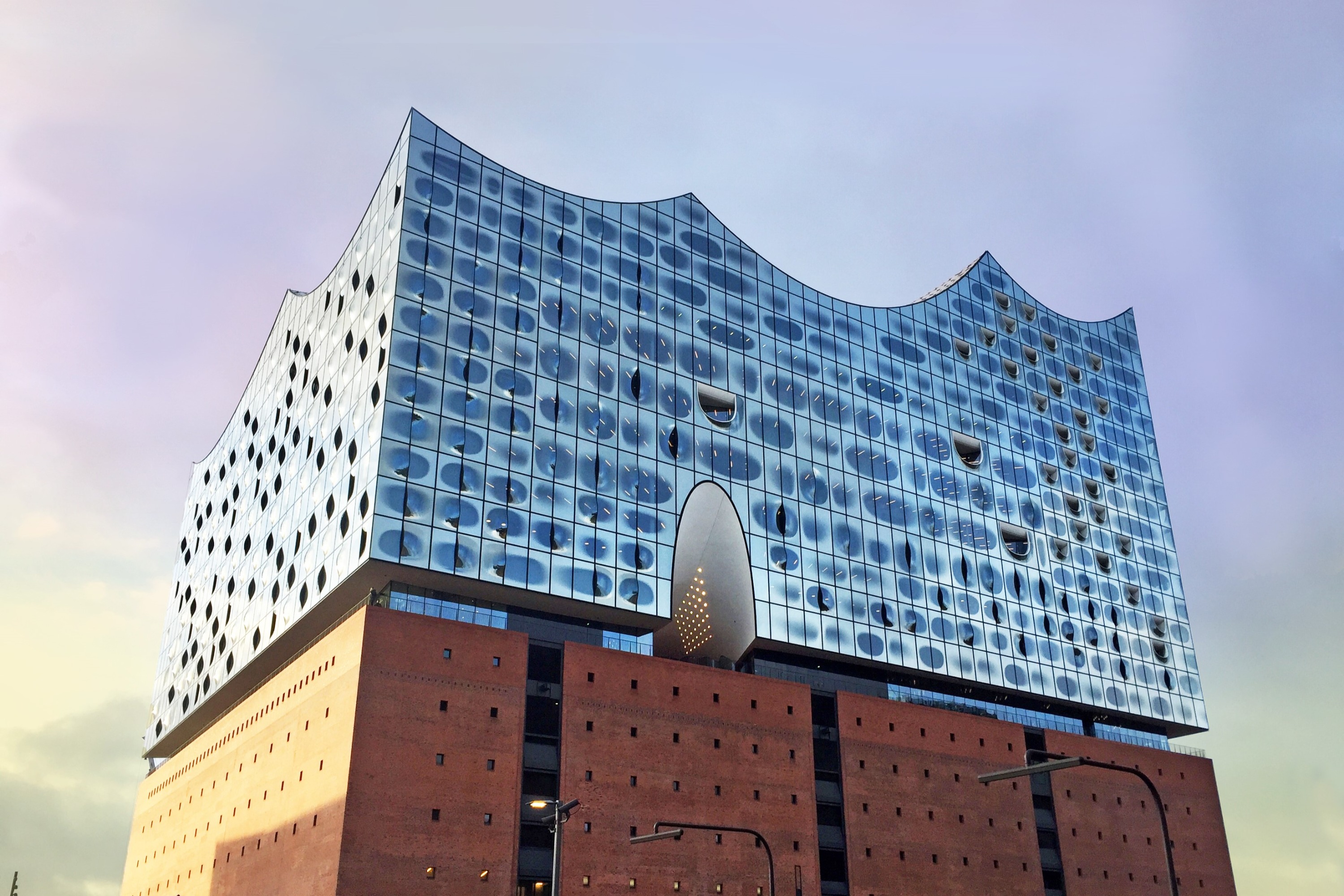
The Elbphilharmonie ("Elphi" for short) [1] [2] is a concert hall in Hamburg that was completed in November 2016. It was planned with the aim of creating a new landmark for the city and a “cultural monument for all”. [3] [4] [5] The 110 meter high building in the HafenCity district is located on the right bank of the Norderelbe at the head of the Großer Grasbrooks between the mouths of the Sandtorhafen and Grasbrookhafen basins. It was built using the shell of the former Kaispeicher A (built in 1963). A modern structure with a glass facade was placed on this base, reminiscent of sails, water waves, icebergs or a quartz crystal. The location at Kaiserhöft is characterized by the former industrial use of the port and the neo-Gothic brick architecture of the Speicherstadt.
13
Stop 13
The Kehrwieder (Low German Kehrwedder) is one of the former islands in the Hamburg city area (the western part of the historic warehouse district) and belongs to the HafenCity district. Geographically, it is located in the power cut area of the Lower Elbe and is the northern Grasbrook. In 1532 he was included in the fortified city together with the neighboring island of Wandrahm.
14
Stop 14
The Überseebrücke is a facility of the Port of Hamburg with a covered pedestrian bridge that leads from the flood protection system of the street Vorsetzen to a pontoon in Hamburg's Niederhafen, at the level of the former Jonashafen, east of the St. Pauli Landungsbrücken.
15
German production celebrated its premiere in Hamburg. The musical has been shown in the Theater im Hafen Hamburg since December 2, 2001 and on January 14, 2014 the anniversary of the 5000th performance was celebrated. Since the theater can also be reached via a direct ferry feeder, some of the passenger ferries are painted in the colors of the musical or even named after the characters in the play (such as the Nala and sister ship Rafiki).
Available languages
Guide guide
DE
EN
Reviews breakdown
Viator
4.3
7 reviews
5★
5
4★
1
3★
0
2★
0
1★
1
Tripadvisor
3.0
8 reviews
5★
3
4★
1
3★
0
2★
1
1★
3
Important information
Wheelchair accessible
Infants and small children can ride in a pram or stroller
Service animals allowed
Public transportation options are available nearby
Transportation options are wheelchair accessible
All areas and surfaces are wheelchair accessible
Suitable for all physical fitness levels
Meeting point
Directly at the U-Bahn and S-Bahn station Elbbrücken on the Skywalk.
About Hamburg
Hamburg is Germany's second-largest city and a major port hub with a rich maritime history. Known for its vibrant cultural scene, picturesque canals, and iconic Reeperbahn entertainment district, it offers a unique blend of historic charm and modern energy.
Top Attractions
Elbphilharmonie
An iconic concert hall and architectural marvel with stunning views of the city and the Elbe River.
Architecture
1-2 hours
Free to enter the plaza, concerts vary in price
Miniatur Wunderland
The world's largest model railway exhibition, featuring intricate landscapes and miniature cities.
Museum
2-3 hours
€21 (adults), €11 (children)
Speicherstadt
A historic warehouse district with red-brick buildings, canals, and bridges, now a UNESCO World Heritage site.
Historical
1-2 hours
Free to explore, museums have entry fees
Reeperbahn
Hamburg's famous entertainment district, known for its nightlife, theaters, and the Red Light District.
Entertainment
Evening and night
Varies by venue
Planten un Blomen
A beautiful public park with gardens, water features, and seasonal events.
Nature
1-2 hours
Free
Must-Try Local Dishes
Finkenwerder Scholle
A local delicacy of buttered and fried plaice, often served with potatoes and vegetables.
Main Course
Contains fish and dairy
Franzbrötchen
A sweet, cinnamon-filled pastry similar to a croissant.
Breakfast/Snack
Contains wheat and dairy
Rote Grütze
A berry dessert made with red currants, raspberries, and strawberries, served with cream or vanilla sauce.
Dessert
Contains dairy and may contain gelatin
Hamburger Aalsuppe
A traditional eel soup made with vegetables, potatoes, and spices.
Soup
Contains fish and may contain gluten
Popular Activities
Hiking in Lüneburg Heath
Cycling along the Elbe River
Boat tours on the Alster and Elbe
Walking along the Alster Lake
Relaxing at Elbstrand beach
Visiting spas and wellness centers
Visiting museums and historic sites
Attending concerts and theater performances
Best Time to Visit
June to August
Summer is the peak tourist season with warm weather, long daylight hours, and numerous festivals. The city is lively with outdoor events and water-based activities.
15°C to 25°C
59°F to 77°F
Practical Information
Language
- Official: German
- Widely spoken: English, French, Spanish
- English: Widely spoken, especially in tourist areas
Currency
Euro (EUR)
Time Zone
CET (GMT+1), CEST (GMT+2 during daylight saving time)
Electricity
230VV, 50HzHz
Safety Information
Overall Safety Rating: Generally safe
Hamburg is generally safe for travelers, with low crime rates and a welcoming atmosphere. However, as with any major city, it's important to stay aware of your surroundings and take precautions to ensure a safe visit.
Important Precautions:
- • Keep valuables secure and be aware of your surroundings, especially in crowded areas.
- • Use licensed taxis or ride-hailing services to avoid overcharging.
- • Be cautious when approached by strangers, particularly in the Reeperbahn area.
Getting there
By air
- Hamburg Airport • 8.5 km from city center
By train
Hamburg Hauptbahnhof
By bus
ZOB Hamburg (Central Bus Station)
Getting around
Public transport
Efficient and frequent, the U-Bahn is the backbone of Hamburg's public transport system.
Taxis
Available • Apps: Mytaxi, Uber
Rentals
Car, Bike, Scooter
Neighborhoods
Altstadt (Old Town)
Neustadt (New Town)
St. Pauli
HafenCity
Day trips
Blankenese
10 km from Hamburg • Half day to full day
A charming suburb known for its historic houses, scenic views, and the famous Elbstrand beach.
Lübeck
65 km from Hamburg • Full day
A UNESCO World Heritage site known for its medieval architecture, marzipan, and historic city center.
Lüneburg Heath
50 km from Hamburg • Full day
A vast area of heathland, forests, and meadows, known for its natural beauty and hiking trails.
Festivals
Hamburg Maritime Festival • May (annual)
Reeperbahn Festival • September (annual)
Christmas Markets • November to December (annual)
Pro tips
- Visit the Elbphilharmonie's plaza for free and enjoy the stunning views of the city and the Elbe River.
- Explore the historic Speicherstadt warehouse district and its canals, especially at sunset.
- Try local specialties like Finkenwerder Scholle and Franzbrötchen at traditional restaurants.
- Take a boat tour on the Alster and Elbe rivers to see the city from a different perspective.
- Visit the Miniatur Wunderland early in the morning or late in the afternoon to avoid crowds.
From $25
per person
Price varies by option
Secure booking
Free cancellation available
Instant confirmation