Scuba diving in Rosario Islands
Active
8h
For a full refund, cancel at least 24 hours before the scheduled departure time.
Instant confirmation
Mobile or paper ticket accepted
About this experience
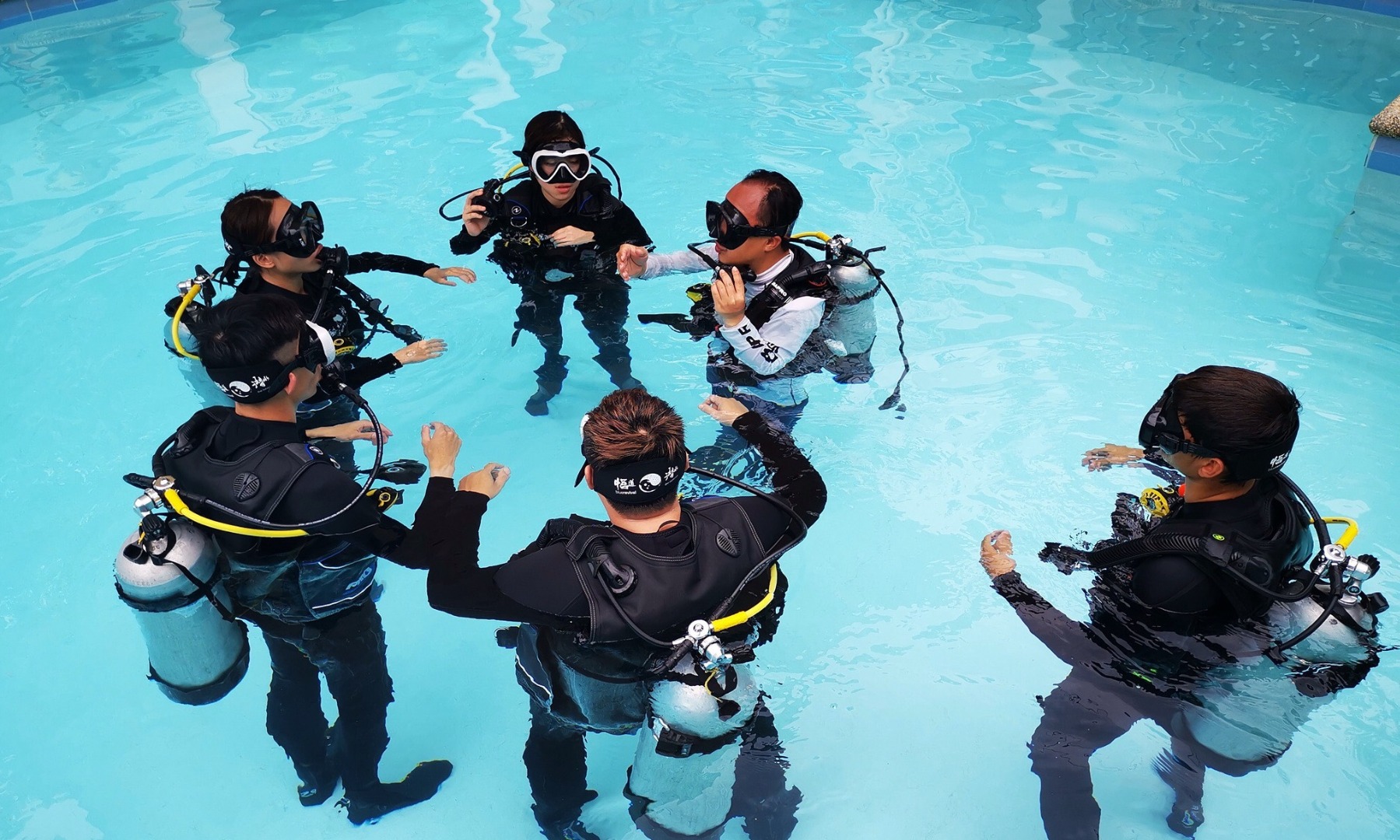
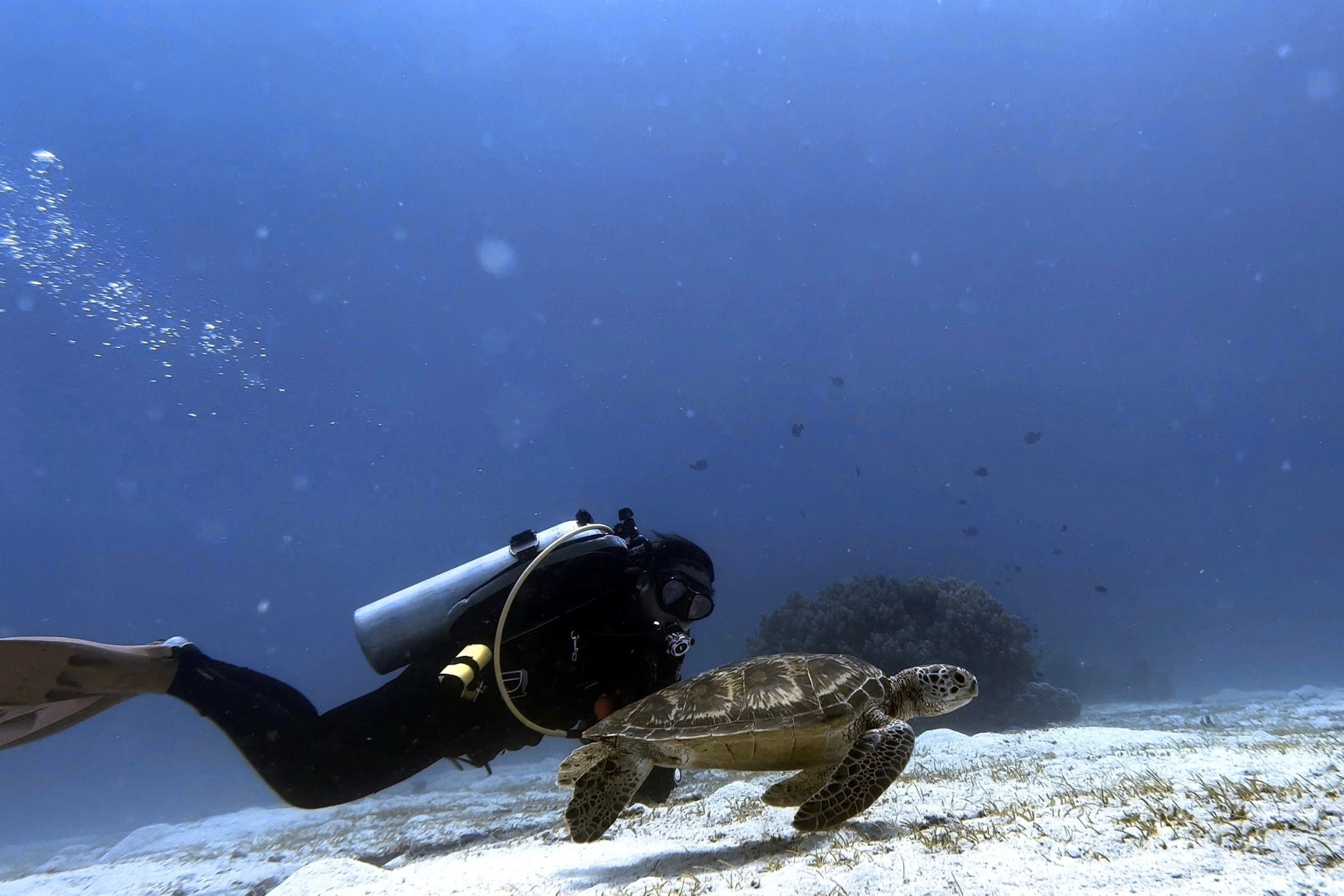
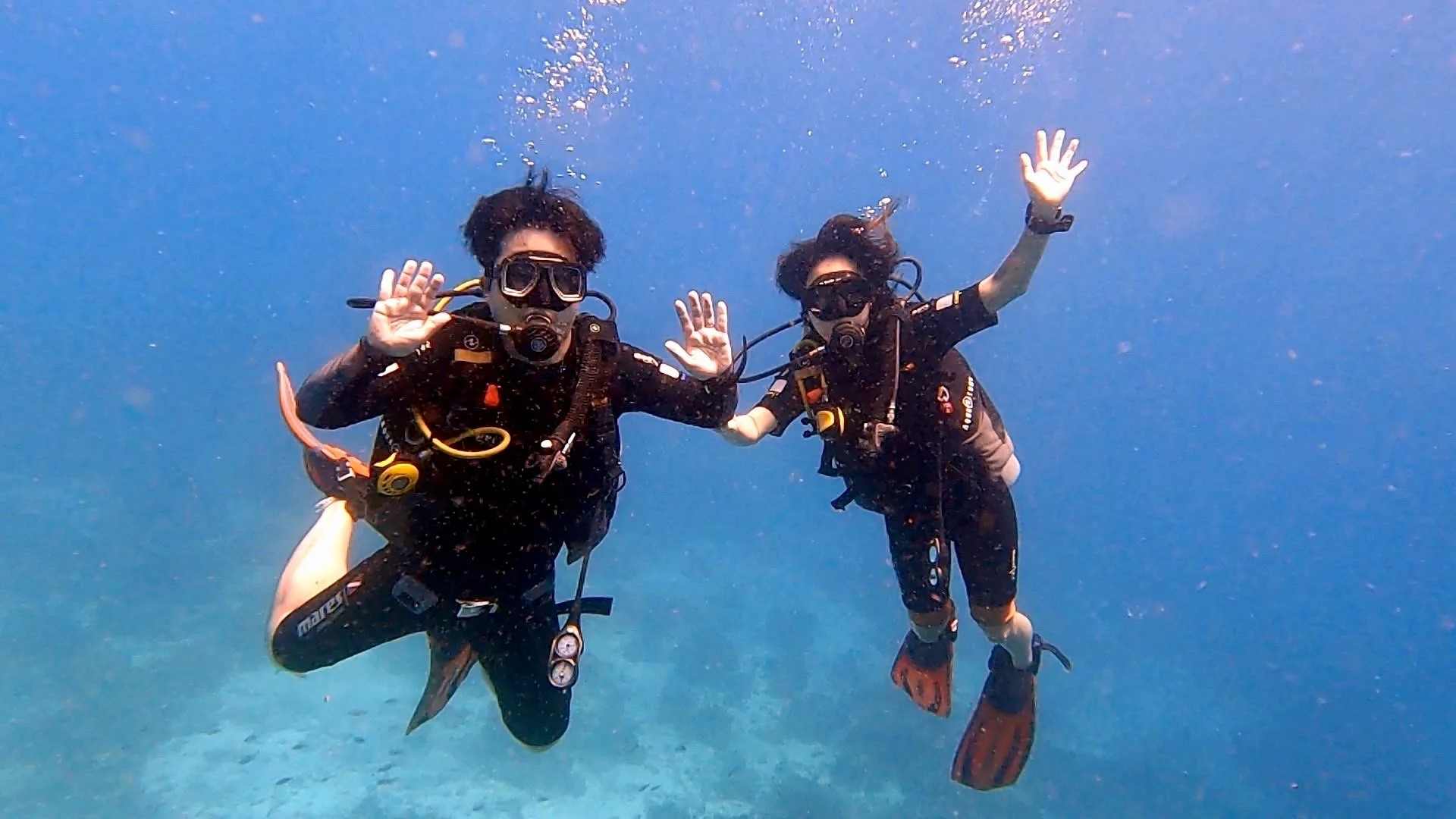
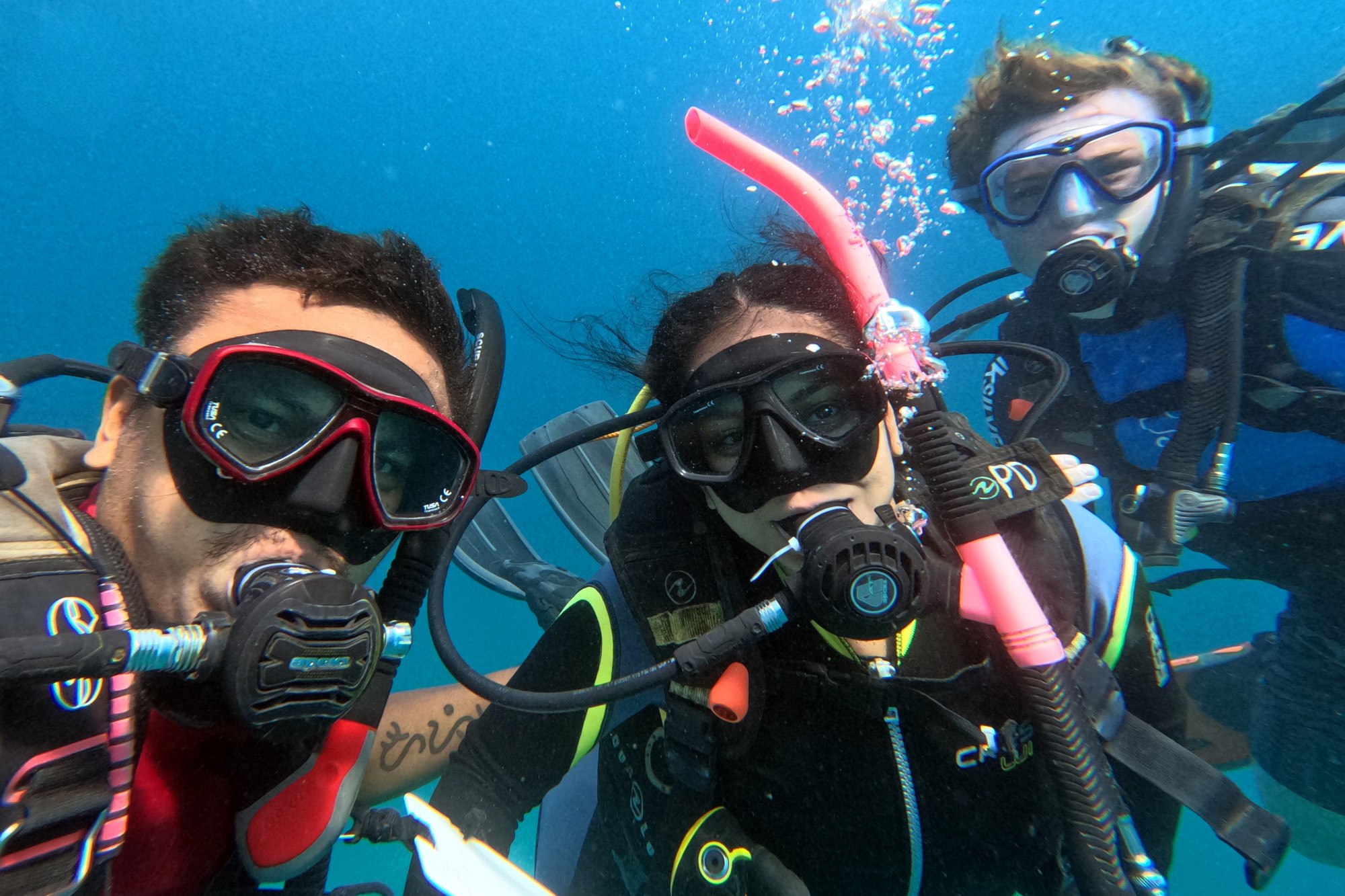
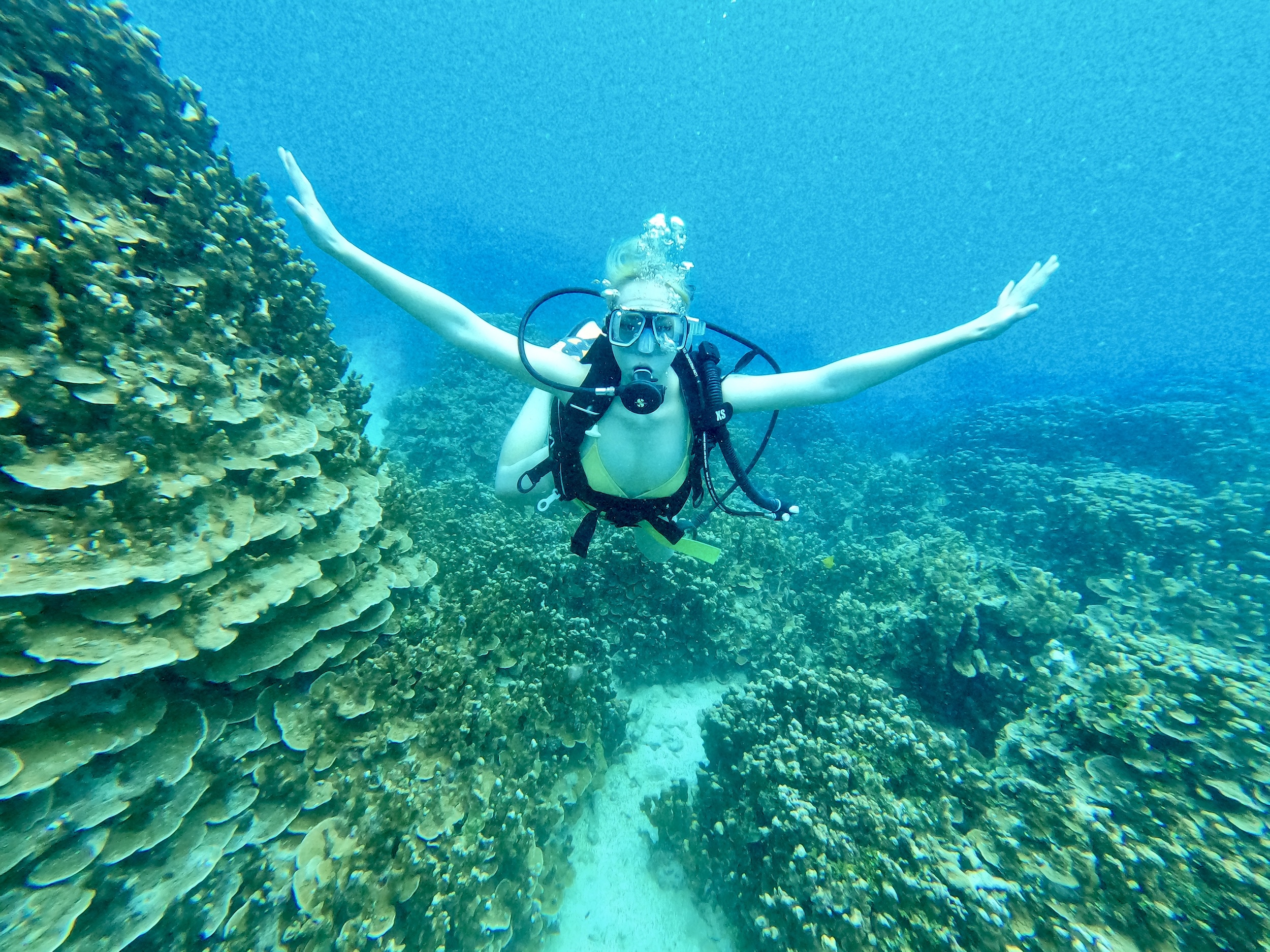
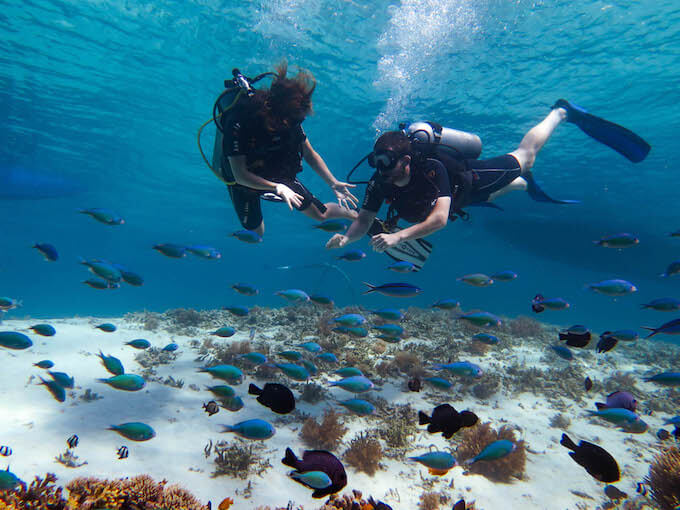
Explore one of the most stunning and biodiverse marine reserves in the Caribbean! The Corales del Rosario y San Bernardo National Park is a natural wonder, offering the best water temperatures, crystal-clear visibility, and thriving marine ecosystems. Whether you're an experienced diver or taking your first plunge, this exclusive scuba diving adventure is designed to connect you with the beauty of the underwater world, guided by our expert dive instructors.
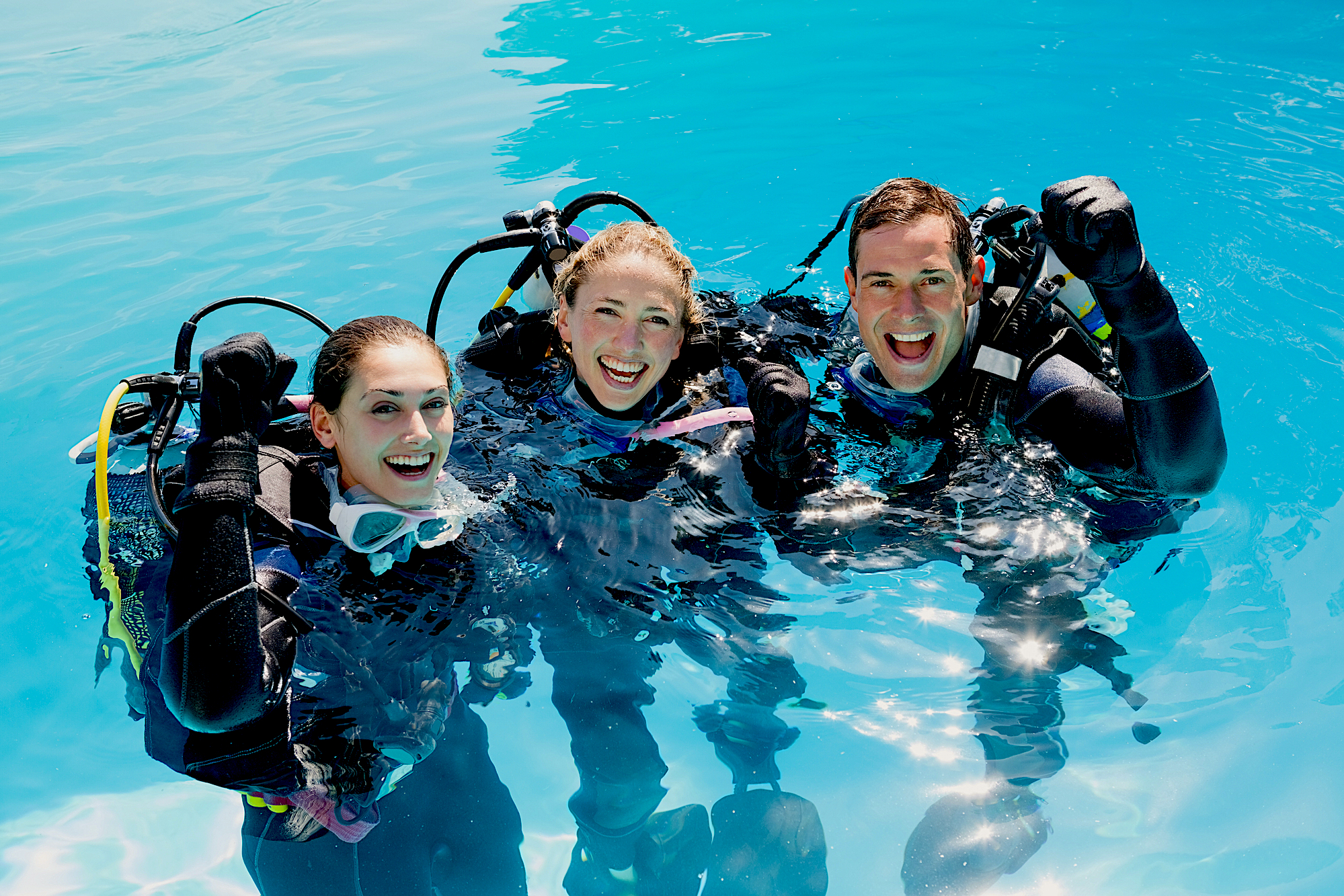
No certification? No problem! We offer introductory dives for first-timers, ensuring a safe and exhilarating underwater experience.
Immerse yourself in the wonders of the Caribbean Sea and discover why diving in this national park is an experience you simply can’t miss!
Available options
Scuba diving in Rosario Islands
Pickup included
What's included
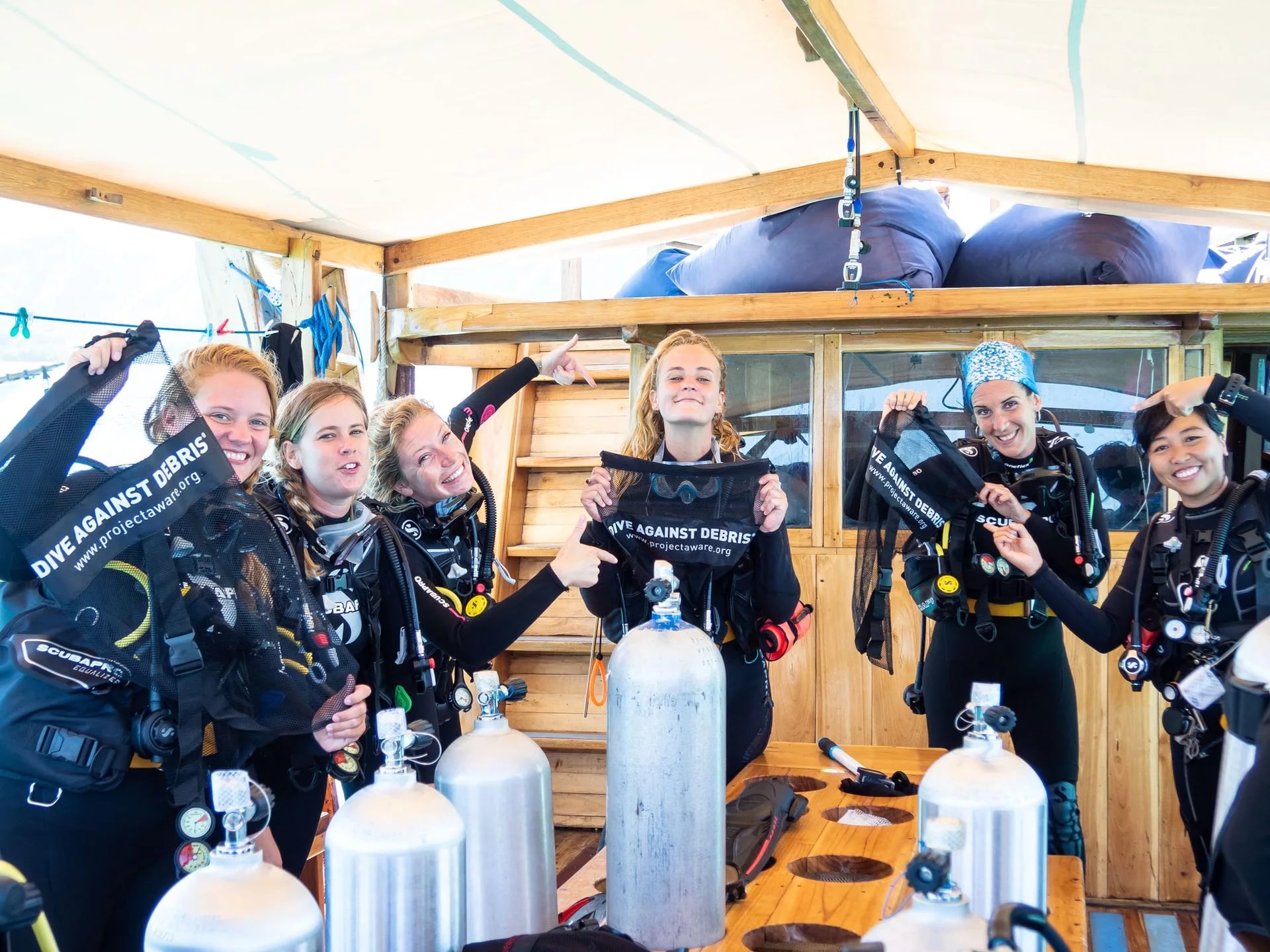
Full Diving Equipment
Certified Dive Instructors & Guides
Private Round-Trip Boat Transportation to Barú & Rosario Islands
Hotel pickup and drop-off
Snacks & Refreshments
What's not included
Alcoholic drinks (available to purchase)
Food and drinks, unless specified
Gratuities
Available languages
Guide guide
PT
EN
FR
ES
Written guide
PT
EN
FR
ES
Reviews breakdown
Viator
5.0
1 reviews
5★
1
4★
0
3★
0
2★
0
1★
0
Tripadvisor
5.0
4 reviews
5★
4
4★
0
3★
0
2★
0
1★
0
Important information
Not recommended for travelers with spinal injuries
Not recommended for pregnant travelers
Public transportation options are available nearby
Infants are required to sit on an adult’s lap
Not recommended for travelers with poor cardiovascular health
Travelers should have at least a moderate level of physical fitness
Before You Scuba Dive
Make sure you're fit to dive
If you've never dived before, you should have a medical examination in your home country before you go travelling to ensure you're fit to dive. If you're generally fit and healthy, there should be no problem. You will be required to sign a medical statement before learning to dive.
If you're already certified to dive, avoid diving if you're not feeling one hundred per cent. In particular, don't dive with a cold or a bad hangover! Save the big party night for the finale of your diving days.
Listen to your instructor or dive guide
Once you're on the dive boat, it's important to listen to your instructor or guide, no matter how experienced you are. Plan Your Dive, Dive Your Plan is the number one rule of dive preparation – you need to follow your instructor's brief on where you're going, the route you will follow and what you need to watch out for.
Double check all your scuba gear
En route to the dive site you will need to set up all your scuba gear. Take your time and double check everything is working. If you are not sure about anything, don't be embarrassed – ask your guide or instructor.
Make sure you do your buddy check
Doing the buddy check of each other's scuba gear is extremely important before you get in the water to make sure neither of you have missed anything. Introduce yourself to your buddy beforehand as well, so you can get to know each other a little. It's better for you both safety wise and it can also be the start of a great friendship!
Carry your policy number, medical information and emergency contacts
It's a good idea to carry your policy number, any medical information and emergency contacts with you while on a diving holiday if in the event you are injured or become ill.
During the Scuba Dive Trip Never hold your breath - breathe normal
Scuba is a strange and exhilarating experience because you're doing something technically impossible – breathing underwater. It is important to NEVER hold your breath – breathe normally on scuba at all times. Holding your breath can cause an air embolism (where an air bubble enters the blood stream), which is a serious and potentially fatal injury.
Equalise frequently as you descend
Just like on a plane, the change of pressure as you descend to depth while scuba diving means you need to equalize your ears. This needs to be done frequently and before feeling any pain to avoid injury to your inner ear.
Stay aware of where your guide and buddy are located
Don't be tempted to swim off on your own when you spot something interesting – point it out to your guide and dive buddy and head towards it together. Staying with your buddy and guide is important for safety and also your orientation. If you do lose each other underwater, look around for 1 minute, and if you still can't see them, slowly ascend to the surface where they should have done the same.
Keep an eye on your air gauge
You can only stay down as long as you have air in your tank, and you need to be aware of when your tank is half full and quarter full so you can plan your return to the surface accordingly. Your guide will ask you how much air you have left periodically, but you are ultimately responsible for your own air consumption.
Don't over exert yourself
Diving is often called an adrenaline sport, but you should actually be super relaxed when underwater. The is no gain to swimming fast over reefs – the slower you go, the more you'll see. Avoid moving at a pace which makes you out of breath. If you do feel tired, signal your buddy and find a coral-free rock on which you can hang to have a rest.
Don't touch anything
You should avoid touching anything (besides the aforementioned rock) as good practice to protect the coral reefs – but also to protect yourself. Many corals are sharp, many marine plants poisonous and many marine creatures will bite if they feel threatened. Keeping your hands to yourself ensures you and they stay safe and unharmed. It's also important to perfect your buoyancy so you can hover without effort over the reefs and therefore won't feel the need to touch anything.
This is one creature you don't want to pick up. In the ocean, any colour can mean danger. Always ascend SLOWLY from every dive
As well as not holding your breath, ascending slowly from a dive is the other Number 1 rule of diving. Coming up fast from a dive can cause "the bends" or decompression sickness, as nitrogen is forced into the bloodstream. By coming up slowly from a dive and doing the safety stop, the nitrogen in your body has a chance to dissipate and therefore cause no harm.
Things You Should Never Do Right After Scuba Diving.
1. Fly
Flying after scuba diving is one of the more widely known risks to divers. This issue comes up frequently in the diving world because divers want to take full advantage of diving trips and get the most amount of diving time in while they can. The main reason for this warning is not the flying itself but the pressure inside the airplane’s cabin. Air pressure lessens when you fly. If you rode in a plane right after diving the increase in altitude would result in a drop in pressure which is comparable to a fast ascension while diving. The longer the dive and the deeper you go the more nitrogen is absorbed into your blood. Upon returning to the surface the pressure reduces and the nitrogen reverts to gas bubbles. Decompression needs to be done slowly so the nitrogen can pass back out through your lungs. If you ascend too fast the nitrogen can form bubbles in your blood which can be painful and possibly fatal (think of opening a bottle of soda). Waiting the correct amount of time before flying will reduce the nitrogen in your blood. The general rule that seems to be widely agreed upon is that you should wait 12 hours after a single no-decompression dive, 18 hours after multiple dives or multiple days of diving and at least 24 hours after dives requiring decompression stops. As a general rule it is recommended to wait 24 hours before flying after doing any type of diving. This rule covers all types of dives and adds extra time as a safeguard for peace of mind.
2. Heavy Drinking
I know this may be a controversial subject for many but It is no secret that many divers enjoy drinks after a day of diving. Drinking alcohol immediately after a dive is not recommended because alcohol may affect the way that our body eliminates that excess nitrogen. Dehydration is one of the main causes in decompression sickness, and drinking alcohol is one of the most efficient ways to dehydrate ourselves. Another important reason to avoid heavy drinking after a dive is because being heavily intoxicated can mask the true symptoms of decompression sickness and adequate medical care may be sought too late. To avoid any problems, drink plenty of water before and after diving to combat dehydration. Most of all try and wait a few hours before drinking alcohol to prevent any mishaps.
Important notes
For any further information and questions please don't hesitate to contact your CONCIERGE
Cindy Buelvas +57 301 774 77 21
Andrés Tejada +57 301 470 76 26
About Cartagena
Cartagena, a vibrant city on Colombia's Caribbean coast, is renowned for its colonial architecture, rich history, and stunning beaches. Known as the 'Pearl of the Caribbean,' it offers a unique blend of cultural heritage, lively nightlife, and tropical charm.
Top Attractions
Walled City (Ciudad Amurallada)
The historic center of Cartagena, a UNESCO World Heritage site, features colonial architecture, vibrant plazas, and colorful buildings.
Historical
Half day to full day
Free to enter, individual attractions may charge admission
Castillo San Felipe de Barajas
A 17th-century fortress offering panoramic views of the city and the Caribbean Sea.
Historical
1-2 hours
Moderate
Playa Blanca
A beautiful white-sand beach with clear waters, ideal for swimming, sunbathing, and water sports.
Beach
Full day
Budget to moderate
Must-Try Local Dishes
Ceviche de Camarones
Shrimp ceviche made with fresh shrimp, lime juice, and various spices.
Appetizer
Contains seafood
Arepas
Cornmeal patties that can be stuffed with various ingredients like cheese, meat, or beans.
Snack
Vegetarian options available
Bandeja Paisa
A hearty platter with rice, beans, meat, plantains, avocado, and more.
Main Course
Contains meat
Popular Activities
Snorkeling
Scuba diving
Hiking
Beach lounging
Spa treatments
Sunset watching
Exploring historic sites
Visiting museums
Best Time to Visit
December to April
The dry season offers sunny skies and lower humidity, making it ideal for beach activities and exploring the city.
24°C to 32°C
75°F to 90°F
Practical Information
Language
- Official: Spanish
- Widely spoken: English (in tourist areas)
- English: Moderately spoken
Currency
Colombian Peso (COP)
Time Zone
UTC-5
Electricity
110VV, 60HzHz
Safety Information
Overall Safety Rating: Exercise caution
Cartagena is generally safe for tourists, but petty crime and scams can occur. Stay vigilant and take precautions.
Important Precautions:
- • Avoid walking alone at night in poorly lit areas.
- • Use reputable tour operators and taxis.
- • Keep valuables secure and out of sight.
Getting there
By air
- Rafael Núñez International Airport • 3 km from city center
By bus
Terminal de Transporte Terrestre
Getting around
Public transport
A modern bus rapid transit system with air-conditioned buses and dedicated lanes.
Taxis
Available • Apps: Uber, Didi
Rentals
Car, Bike, Scooter
Neighborhoods
Old Town (Ciudad Amurallada)
Getsemani
Bocagrande
Day trips
Isla Barú
15 km from Cartagena • Full day
A beautiful island with stunning beaches and clear waters, perfect for a day of relaxation and water activities.
Mud Volcanoes (Volcanes de Lodo)
45 km from Cartagena • Half day
A unique natural phenomenon where mud volcanoes can be climbed for therapeutic mud baths.
Palmar
20 km from Cartagena • Half day
A beautiful nature reserve with mangrove forests and a variety of wildlife.
Festivals
Hay Festival Cartagena • January
Carnaval de Barranquilla • February/March
Pro tips
- Visit the Walled City early in the morning to avoid crowds and heat.
- Try local street food for an authentic culinary experience.
- Explore the neighborhoods of Getsemani and Bocagrande for a mix of history and modern luxury.
- Use the Transcaribe bus system for affordable and convenient transportation.
- Bring a hat, sunscreen, and plenty of water for exploring the city.
From $25
per person
Price varies by option
Secure booking
Free cancellation available
Instant confirmation