All Inclusive Rome in a Day: Vatican, Sistine Chapel, Colosseum and Pantheon
Active
6h
All sales are final. No refund is available for cancellations.
Instant confirmation
Mobile or paper ticket accepted
About this experience
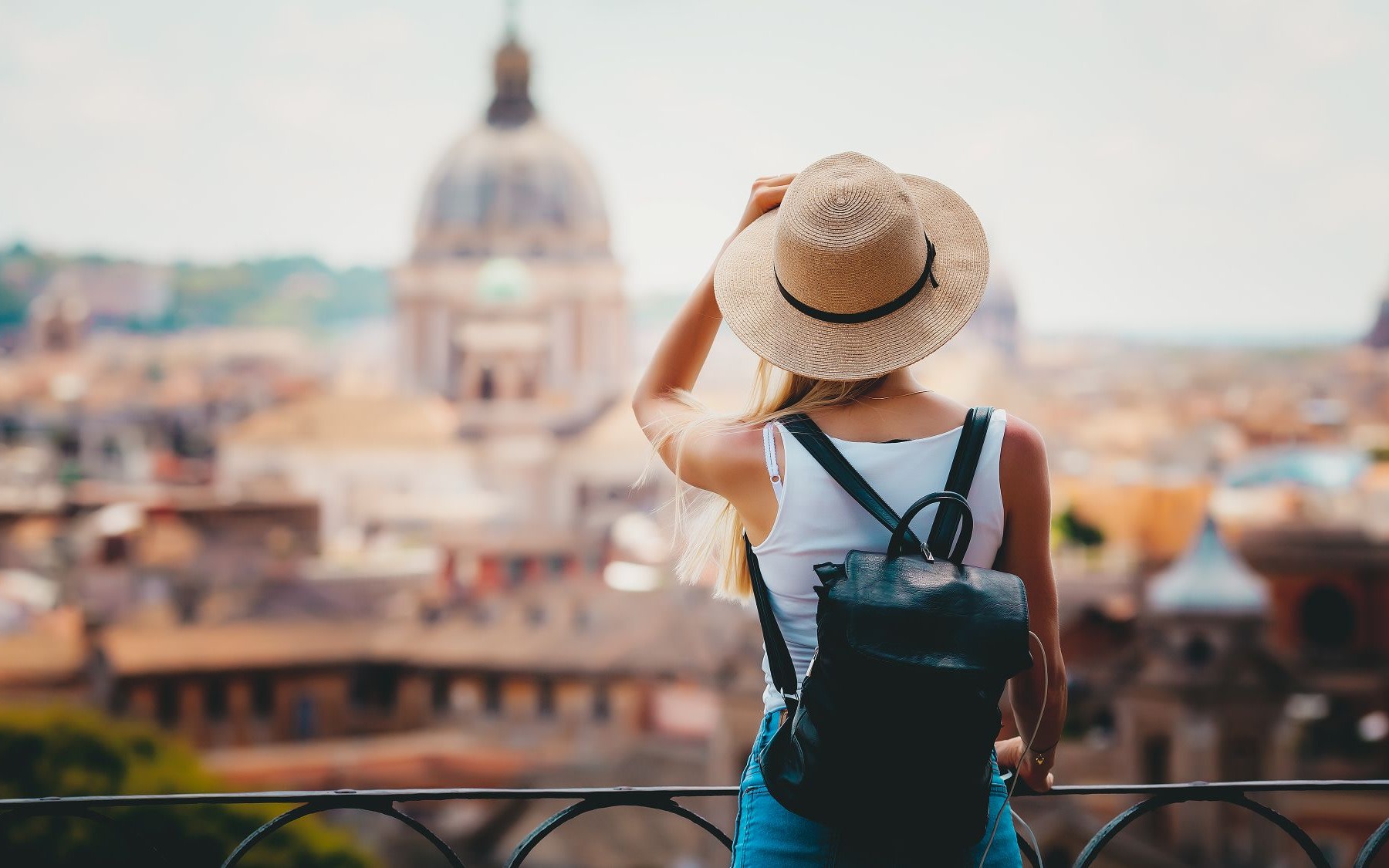
Enjoy a 6-hour walking private tour of the city of Rome to see its wonders.
Knowing the lifestyle of the Romans will be a unique experience. An expert guide at your service will lead you to discover the symbolic places of ancient Rome: the Colosseum and the Roman Forum.
You will walk the city on foot to discover the main monuments such as: the Trevi Fountain, built in the 18th century in marble by the well-known sculptor Gian Lorenzo Bernini, but also the Pantheon, Piazza Navona and the Fountain of the Four Rivers.
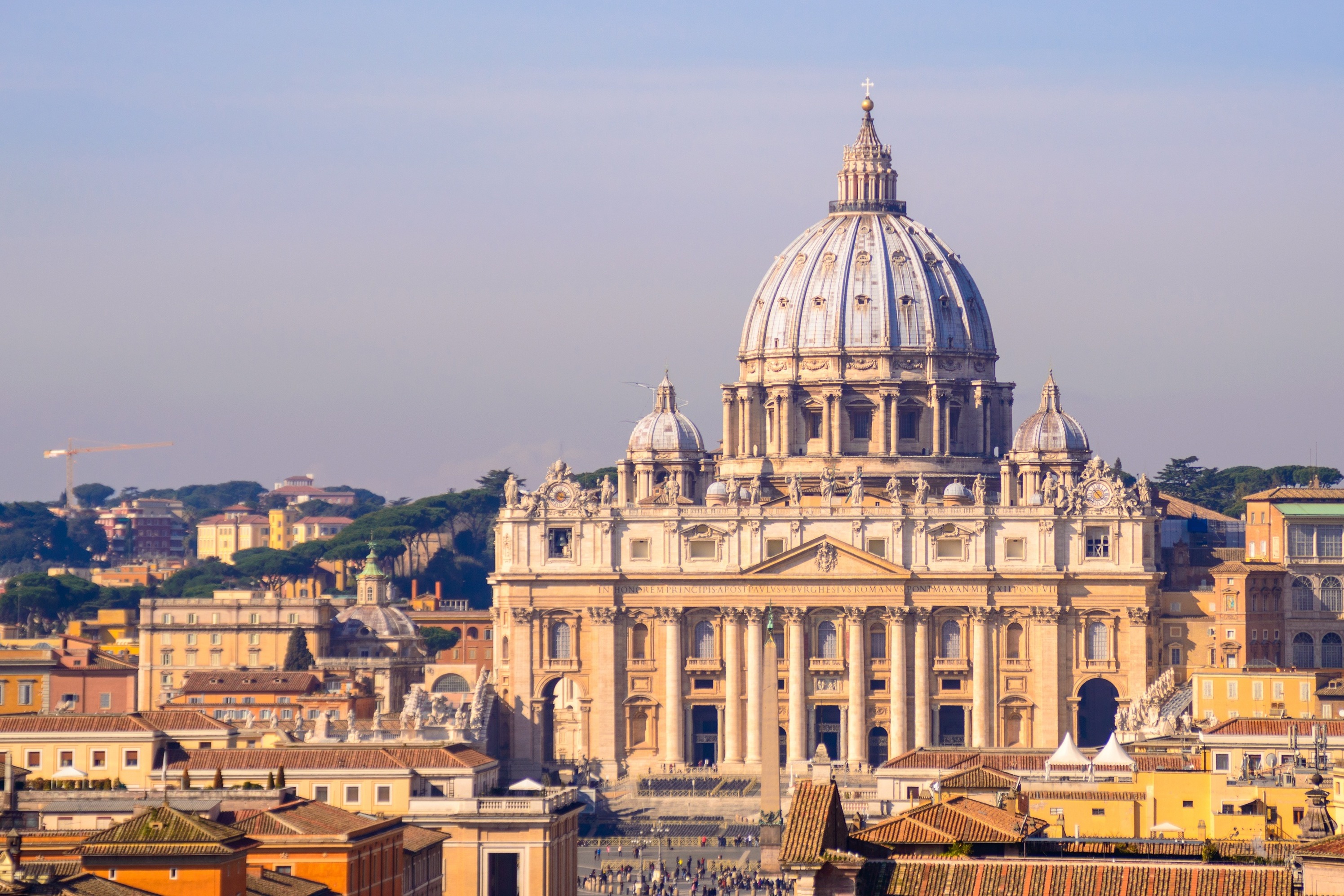
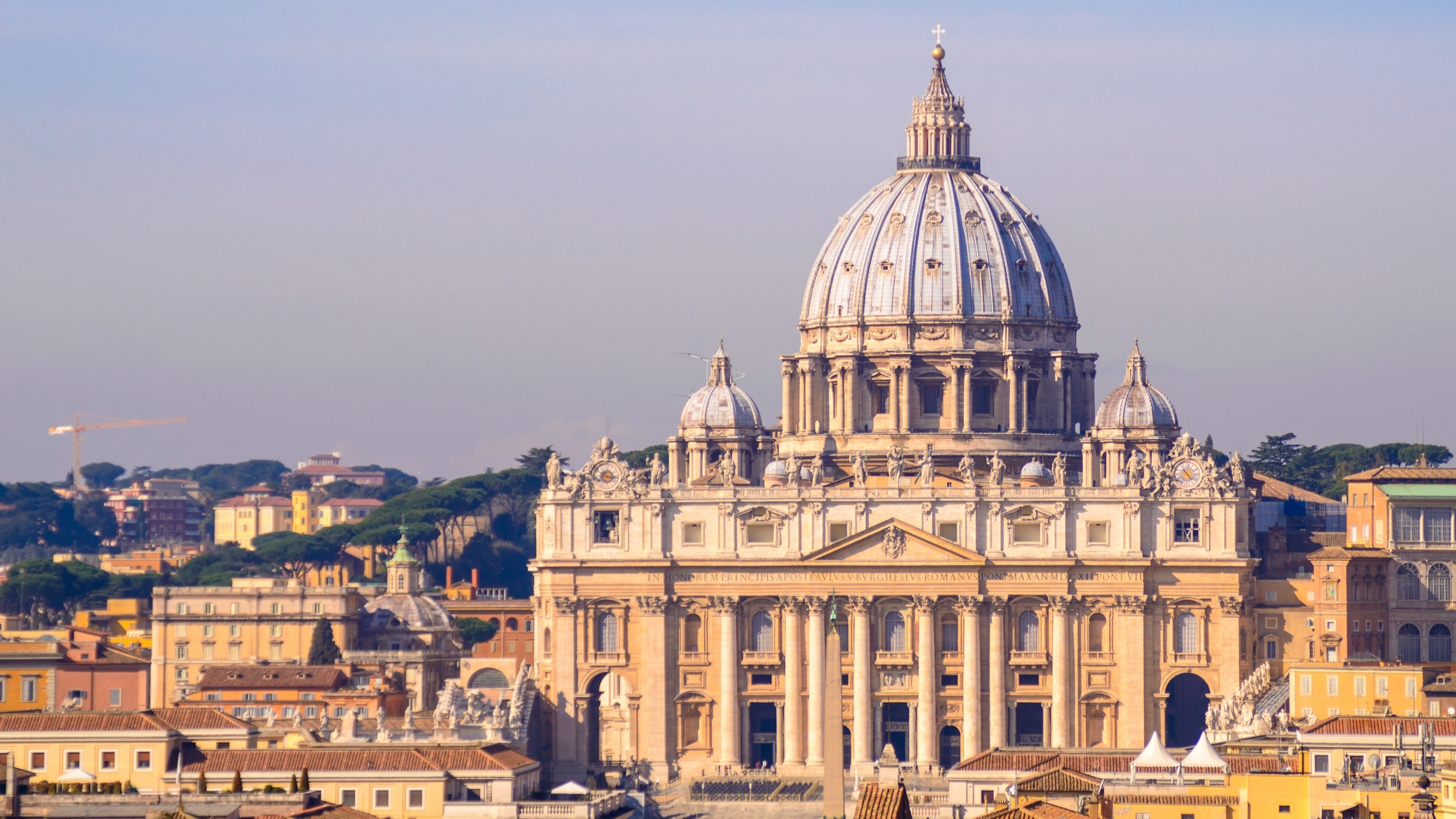
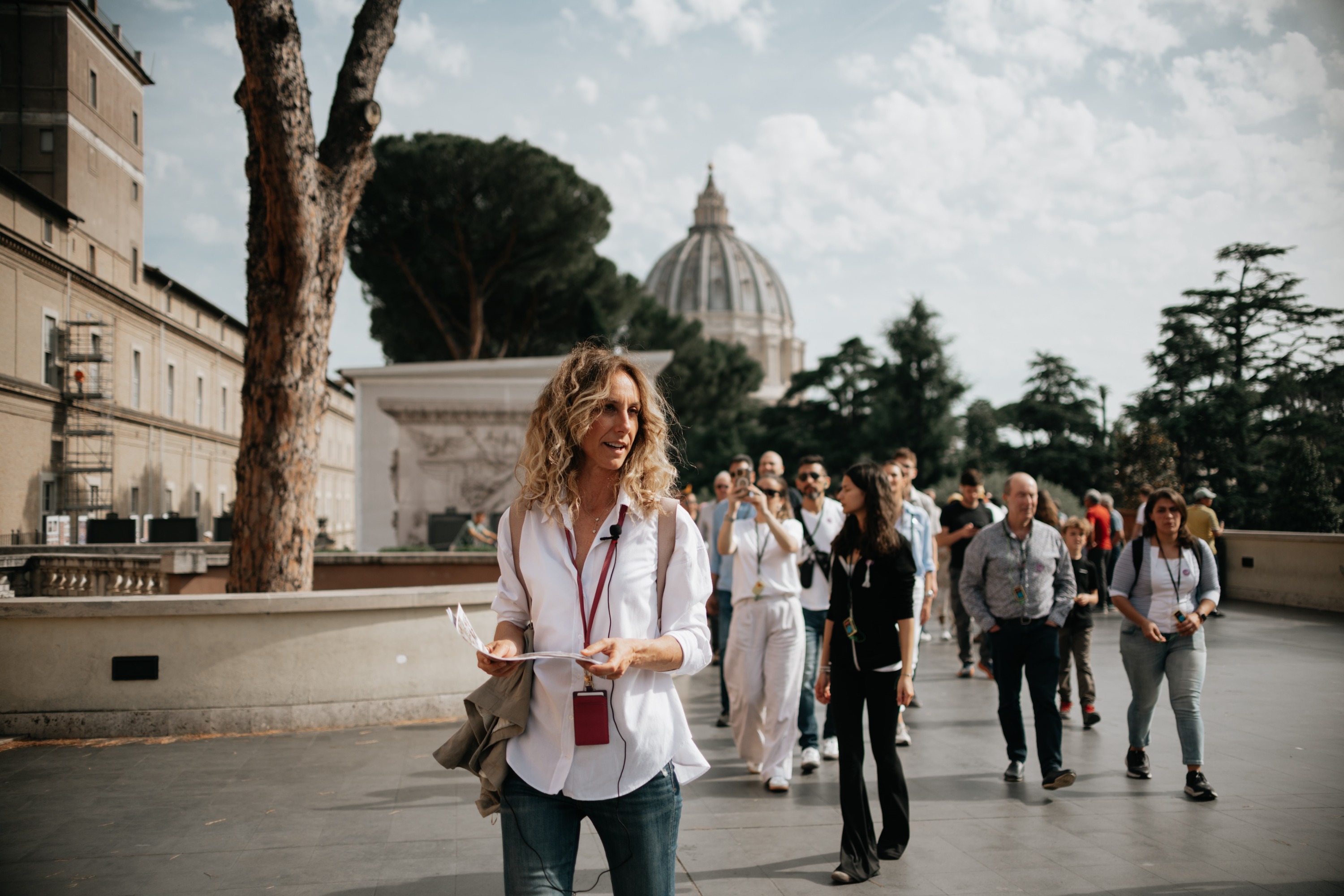
Before concluding your visit you will not miss the stage to admire Saint Peter's Square with its Basilica and one of the richest and most fascinating museums in the world: the Vatican Museums and the Sistine Chapel. Here you will be fascinated by the beauty of the frescoes by Michelangelo, the Italian genius of Renaissance painting. They will take your breath away!
Available options
All Inclusive Rome in a Day: Vatican, Sistine Chapel, Colosseum and Pantheon
What's included
Blue badge guide
Colosseum reservation fee (valued at €2 per person)
Local guide
Colosseum entrance ticket (valued at €18 per person)
Professional art historian guide
Skip the line Vatican museum tickets
Please note: Colosseum fees as above. The remaining cost of the experience covers other services.
Detailed itinerary
1
Stop 1
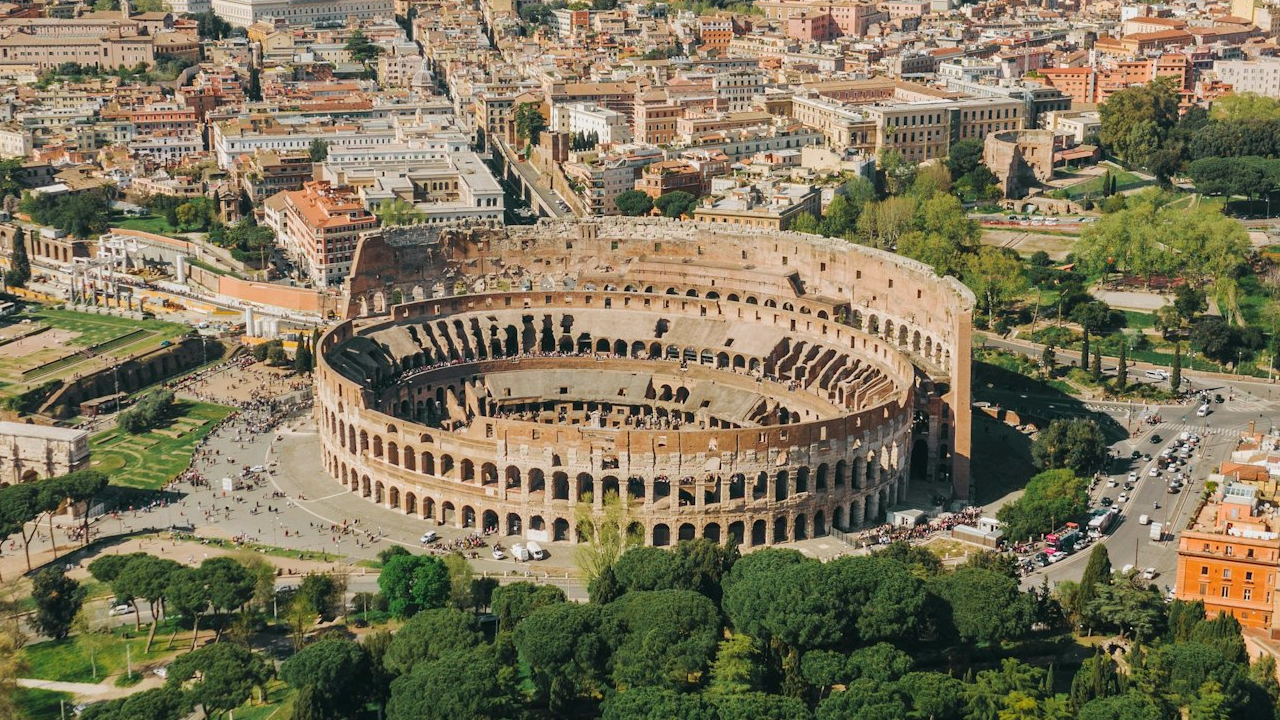
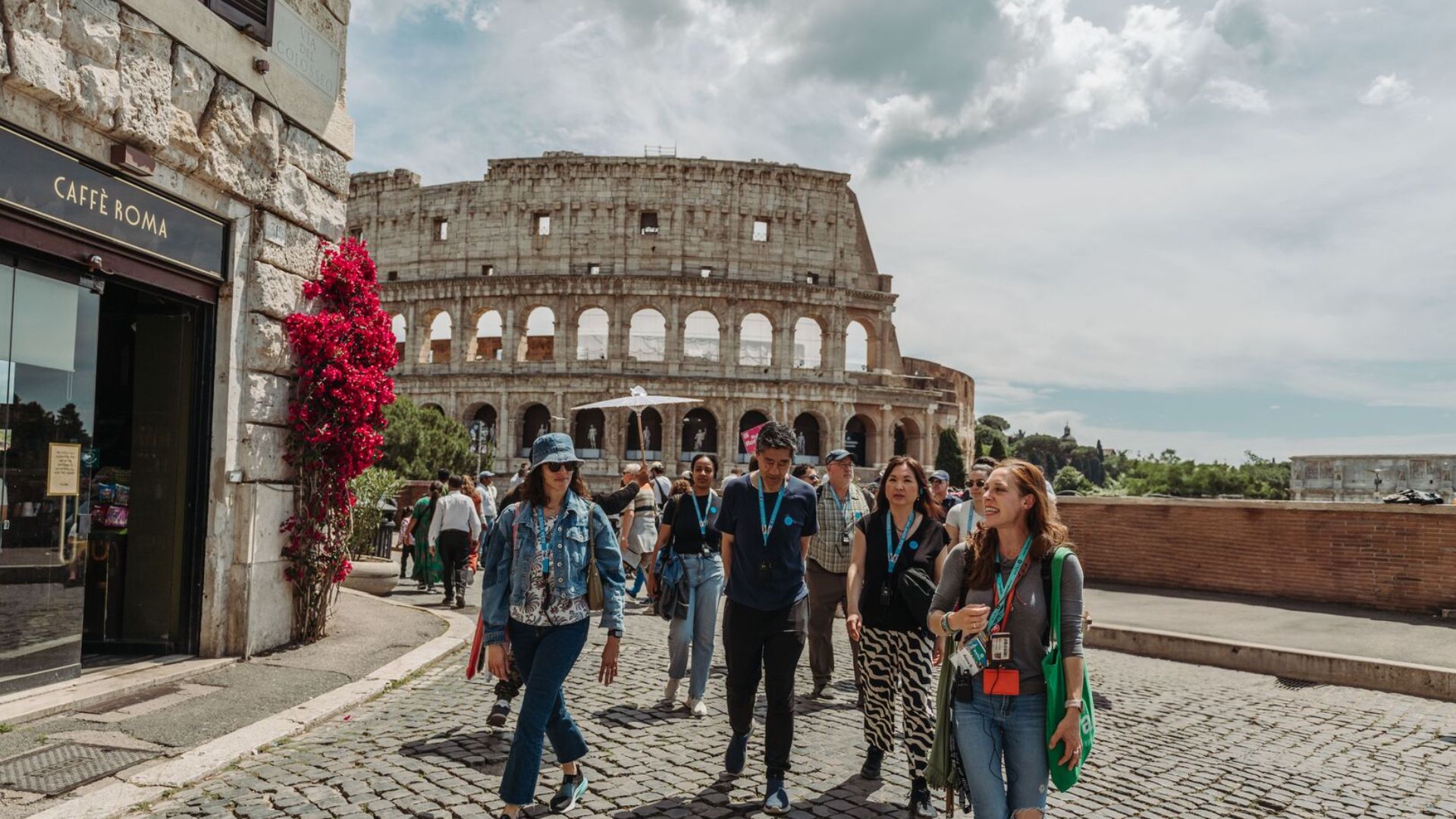
The Colosseum was built during the Roman period by the Flavi emperors with the name of "Flavian Amphiteatre", but it is know like Colosseum because near it there was a colossal statue in bronze of emperor Nero.
This place was built to offer at the Roman population entertainment and distractions. It was used for fights between gladiators and to show hunting scenes with exotic and fierce animals.
Already included in the list of World Heritage by UNESCO, in 2007 in was also declared one of the New Seven Wonders of the World.
2
Stop 2
The archaeological area of the Roman Forum is between the Palatin Hill, the Campidoglio, Via dei Fori Imperiali and the Colosseum. Walking through the Forum you can still see the remains of the buildings and monuments of the Roman Age. It represented the religious, political, legal and ecomonic centre of the city of Rome.
There are a lot of monuments alredy visible during a stroll, like: the Basilica of Maxenzius,, Arc of Tito, the Temple of Romulus and so on.
3
Stop 3
The Trevi Fountain is perhaps the most famous fountain in the world. The origin of the fountain dates back to 19 BC, when the aqueduct termination was established, the Aqua Virgo. The first fountain was built in the Renaissance, commissioned by Pope Nicholas V. Its current appearance was by the sculptor Gian Lorenzo Bernini.
Tied to the fountain is the tradition of throwing a coin into the water to ensure the return to the eternal city. If instead they are launched two will find the great love, perhaps of Italian nationality; a third coin, finally, is to make sure you get married early. In order for it to work, it is recommended to throw the coin with the right hand over the left shoulder.
4
Stop 4
Piazza Navona is certainly the most elegant Roman square, built on the pre-existing Stadium of Domitian.
Used in ancient times for athletic competitions and competitions of various kinds, today the square hosts street artists, painters and portraitists every day.
In the center of the square is the Fountain of the Four Rivers, designed by Bernini in 1651. The four statues of the fountain represent the most important rivers of the period: the Nile, the Danube, the Ganges and the Rio de la Plata. On the sides there are two other fountains: the Fountain of Moor and the Fountain of Neptune.
Among the buildings that characterize the square are the Doria-Pamphili Palace and the church of Sant'Agnese.
5
Stop 5
The Pantheon is one of the masterpieces of Roman architecture, one of the best preserved of ancient Rome. Its construction was completed at the time of Emperor Hadrian, in 126 AD, where previously there was a temple built at the behest of Agrippa in 27 BC, but which was destroyed by a fire in 80 AD.
At the beginning of the seventh century the building was donated to Pope Bonifacio IV who transformed it into a church, which is why it is in a perfect state of conservation.
Inside the Pantheon there are the tombs of the kings of Italy and various works of art, including the tomb of the painter Raffello Sanzio.
6
Stop 6
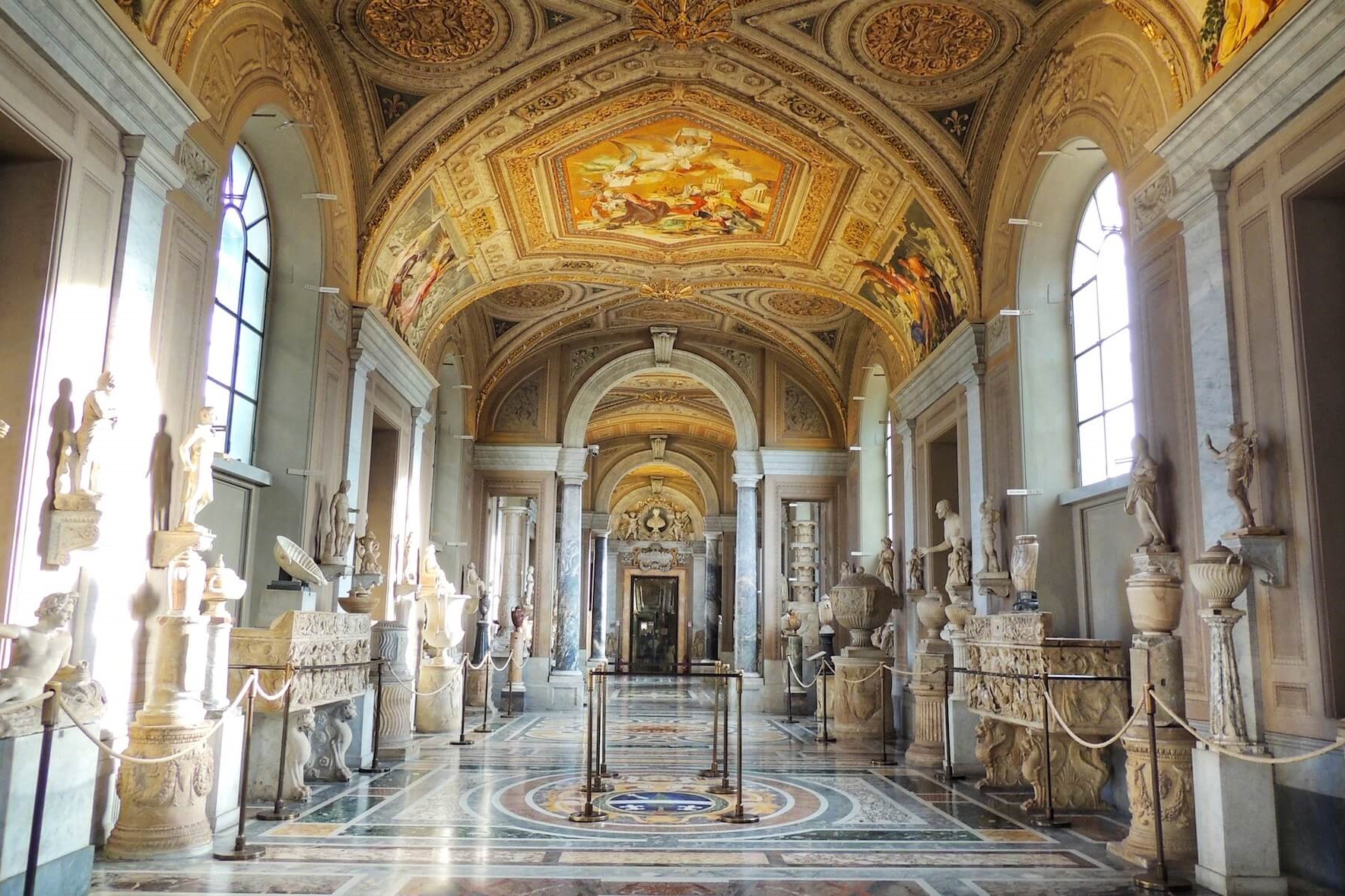
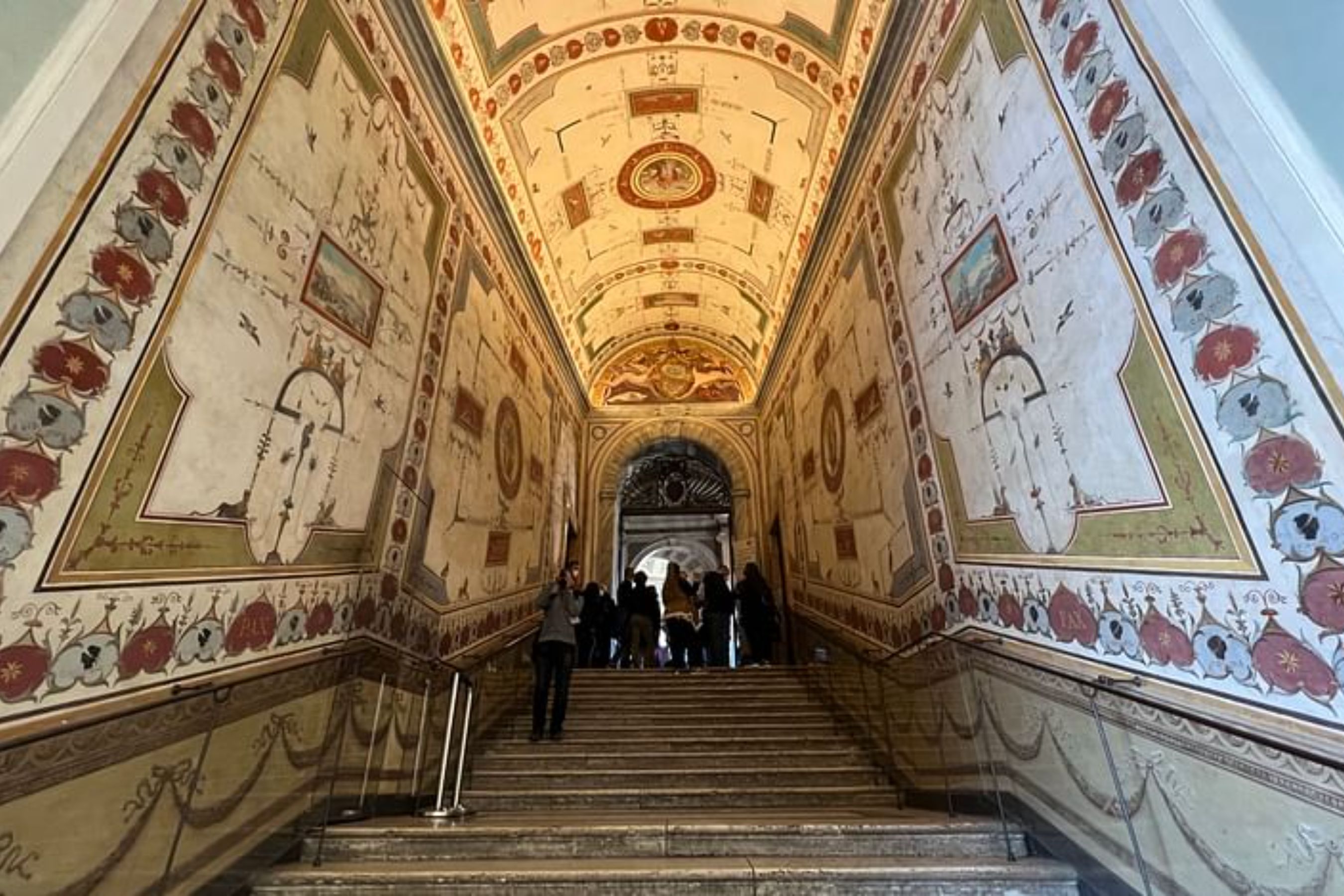
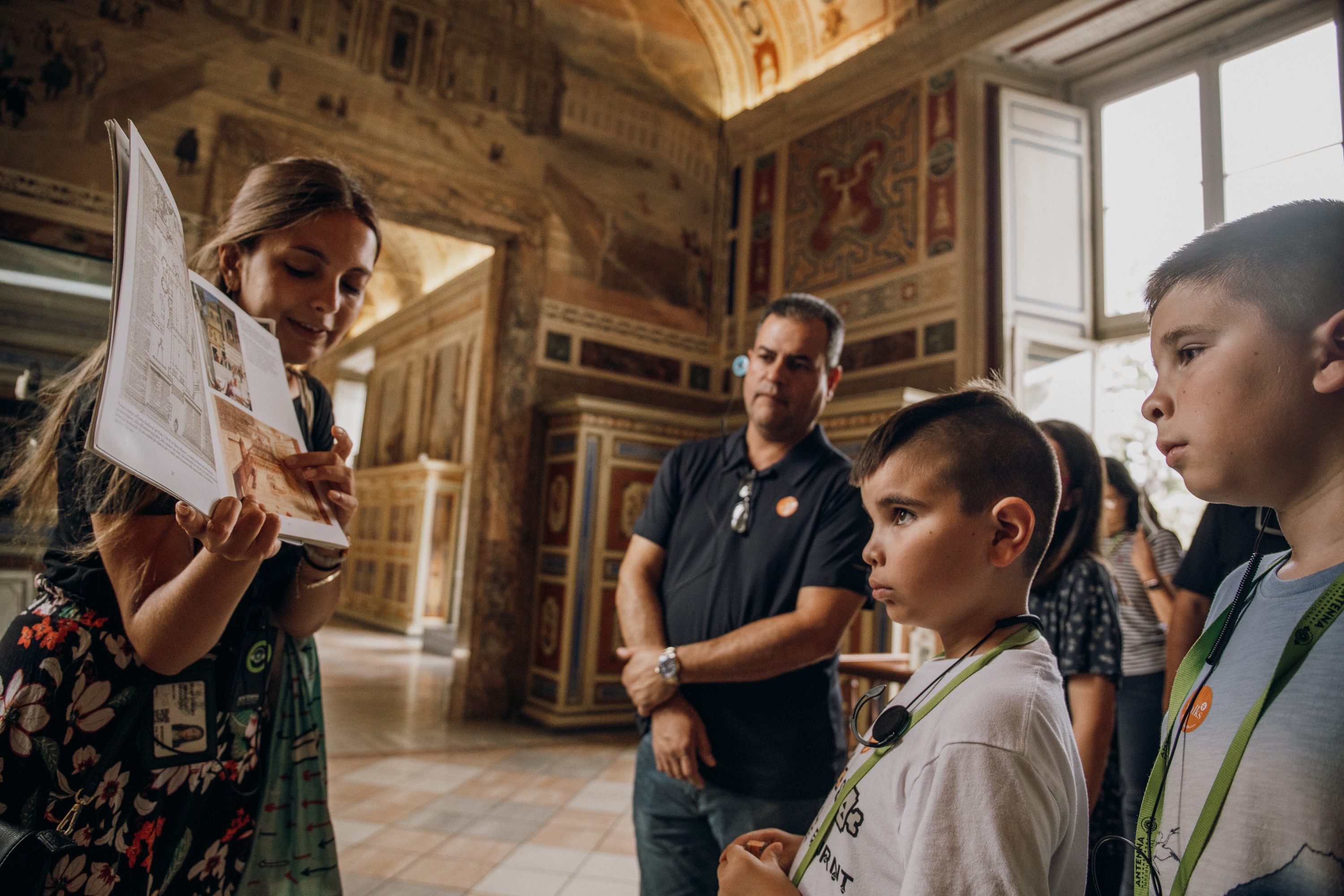
The origins of these museums date back to 1503, when Pope Julius II donated his private collection. From that moment on, both the family of the pope and other popes, increased the collection of museums, until it became one of the largest in the world.
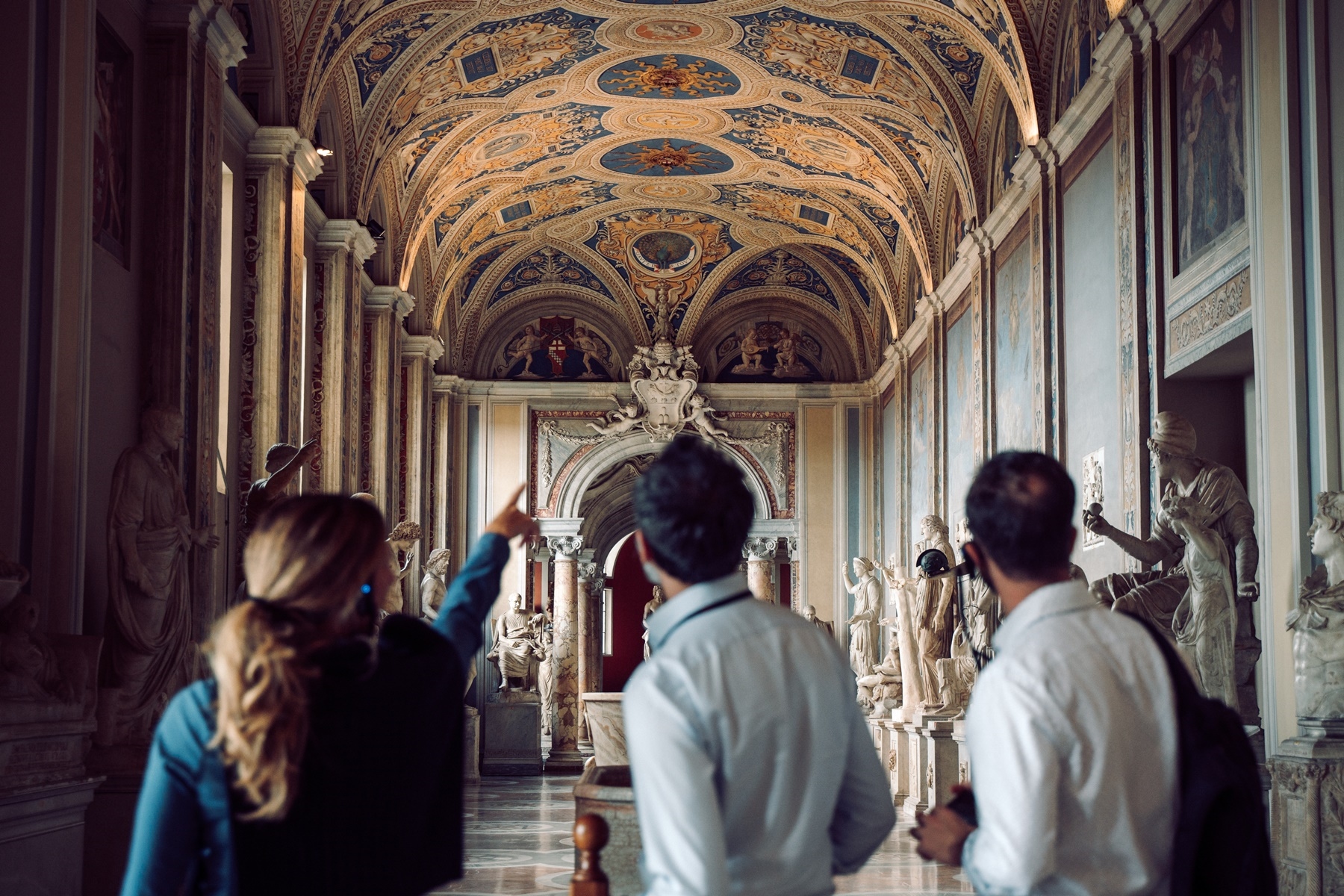
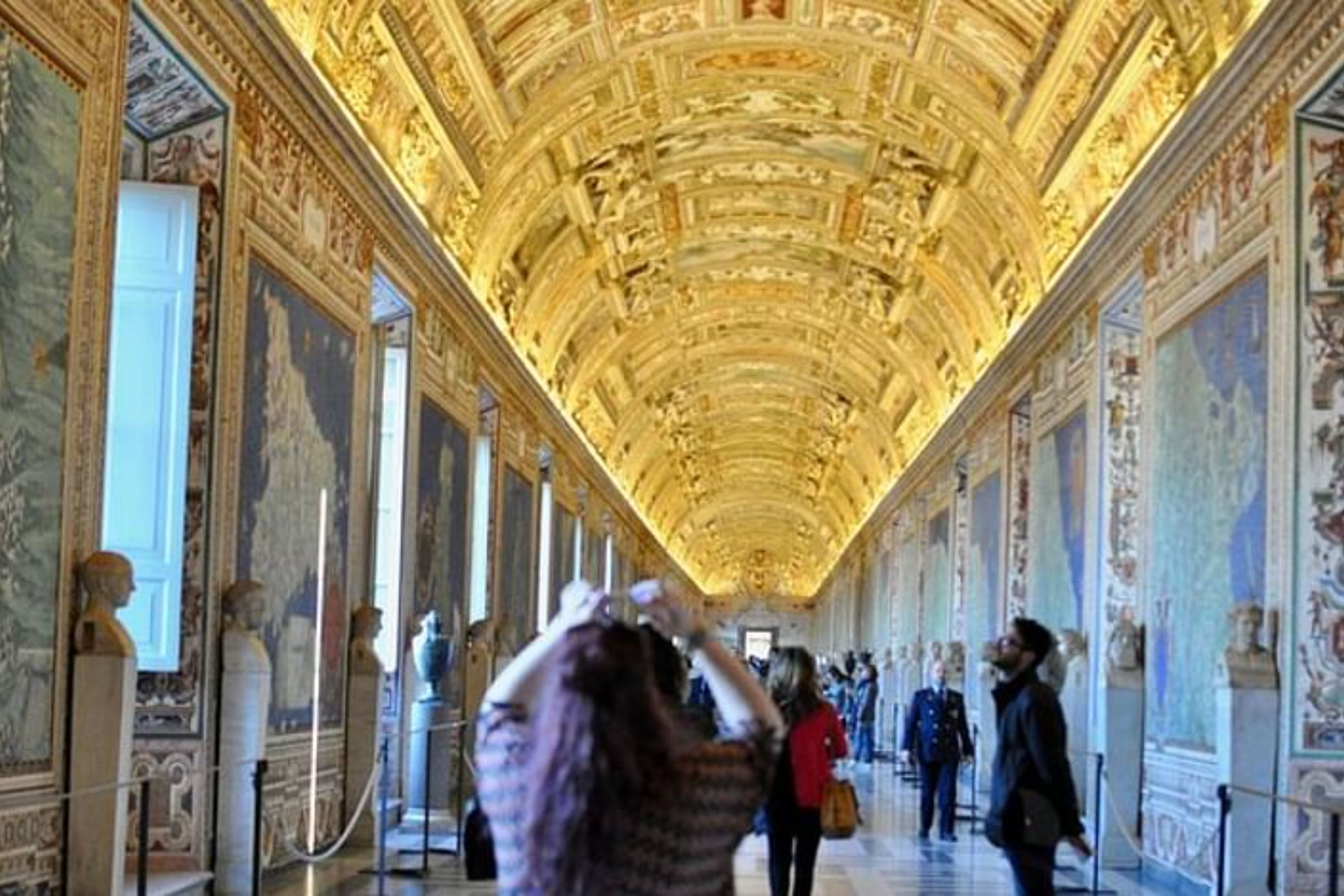
Inside, among the numerous exhibition spaces, it is possible to visit the Pio-Clementino Museum, created by the collections of the Popes Clement XIV and Pius VI, in which are kept the most important Greek works of the Vatican; the Gallery of Geographical Maps, in which the frescoed maps on the walls represent the Italian regions and the various papal possessions; the Raffaello Rooms, frescoed by the great Italian painter and his descendants and representing the apartments of Pope Julius II.
7
Stop 7
The Sistine Chapel is one of the most important treasures of the Vatican, and beyond. It owes its fame to its frescoes but also to the fact that here the Popes are elected.
The construction of the building took place between 1473 and 1481, during the papacy of Pope Sixtus IV, from which the Chapel takes its name. The project was entrusted to the architect Giovanni de Dolci, remembered only for the design of this architectural work.
To make the chapel a unique jewel are its frescoes that decorate the walls and the ceiling. The task of decorating it was assigned to important Tuscan and Umbrian painters of the time, such as Botticelli, Perugino and Michelangelo.
Among the most famous works inside there is the masterpiece of Michelangelo, "The Last Judgment", a large fresco taken from the book of the Apocalypse of John.
The painter took five years to fresco the apse, from 1536 to 1541. The assignment was assigned to him by Pope Clement VII, to replace the frescoes that previously decorated the walls of the apse.
What's not included
Food and Drinks
Hotel pickup and drop-off
Available languages
Guide guide
EN
IT
Reviews breakdown
Viator
5.0
1 reviews
5★
1
4★
0
3★
0
2★
0
1★
0
Tripadvisor
5.0
1 reviews
5★
1
4★
0
3★
0
2★
0
1★
0
Important information
Public transportation options are available nearby
Not recommended for travelers with spinal injuries
Travelers should have at least a moderate level of physical fitness
A dress code is required to enter places of worship and select museums. No shorts or sleeveless tops allowed. Knees and shoulders must be covered for both men and women. You may risk refused entry if you fail to comply with these dress requirements
Please provide the full names of all travelers when booking.
Please note the Vatican can decide to close some areas (ie: Sistine chapel and Basilica of St Peter) without notice, in those unfortunate cases the tour guide will adapt the itinerary accordingly.
Each traveler must present a valid passport or ID document that matches the name provided at the time of booking for successful entry to the Colosseum and Roman Forum.
Meeting point
At the metro station exit Colosseo ground floor , close tot he newsagent
Important notes
A dress code is required to enter places of worship and selected museums. No shorts or sleeveless tops allowed. Knees and shoulders MUST be covered for both men and women. You may risk refused entry if you fail to comply with these dress requirements
About Rome
Rome, the capital of Italy, is a city of ancient ruins, artistic masterpieces, and vibrant culture. Known as the Eternal City, it is a living museum where every corner tells a story of its rich history spanning over 2,500 years.
Top Attractions
Colosseum
The Colosseum is an iconic symbol of Rome and one of the most famous ancient amphitheaters in the world. It was used for gladiatorial contests and public spectacles.
Historical
1-2 hours
€16 (combined ticket with Roman Forum and Palatine Hill)
Vatican City
Vatican City is an independent city-state enclaved within Rome. It is the spiritual and administrative center of the Roman Catholic Church.
Religious
Half day
€17 (Vatican Museums and Sistine Chapel), Free (St. Peter's Basilica)
Roman Forum
The Roman Forum was the political, commercial, and legal hub of the Roman Republic and Empire. It is a sprawling ruin of temples, basilicas, and arches.
Historical
1-2 hours
€16 (combined ticket with Colosseum and Palatine Hill)
Pantheon
The Pantheon is a former Roman temple, now a church, known for its large dome and oculus. It is one of the best-preserved ancient buildings in Rome.
Historical
30 minutes to 1 hour
Free
Trevi Fountain
The Trevi Fountain is a Baroque masterpiece and the largest fountain in Rome. It is a popular spot for visitors to throw coins and make wishes.
Architecture
15-30 minutes
Free
Must-Try Local Dishes
Cacio e Pepe
A simple yet delicious pasta dish made with Pecorino Romano cheese and black pepper.
Pasta
Vegetarian
Carbonara
A rich pasta dish made with eggs, Pecorino Romano, guanciale (cured pork cheek), and black pepper.
Pasta
Contains pork and eggs
Supplì
Fried rice balls filled with mozzarella and tomato sauce.
Snack
Vegetarian (some variations may contain meat)
Carciofi alla Romana
Artichokes braised with garlic, mint, and olive oil.
Vegetable
Vegetarian
Popular Activities
Hiking in the Appian Way Regional Park
Biking along the Tiber River
Rock climbing in the nearby mountains
Picnicking in Villa Borghese Gardens
Boating on Lake Albano
Enjoying a spa day at a luxury hotel
Visiting the Vatican Museums
Attending an opera at the Teatro dell'Opera di Roma
Best Time to Visit
April to June, September to October
Spring and fall offer pleasant weather and fewer crowds compared to the summer peak. Ideal for sightseeing and outdoor activities.
15-30°C
59-86°F
Practical Information
Language
- Official: Italian
- Widely spoken: English, Spanish, French
- English: Moderately spoken
Currency
Euro (EUR)
Time Zone
GMT+1 (CET), GMT+2 (CEST during daylight saving time)
Electricity
230VV, 50HzHz
Safety Information
Overall Safety Rating: Generally safe
Rome is generally safe for tourists, but pickpocketing and scams can be a problem in crowded areas. Be aware of your surroundings and take precautions to protect your belongings.
Important Precautions:
- • Keep valuables secure and out of sight
- • Use official taxis or ride-sharing services
- • Be cautious of strangers approaching you with petitions or bracelets
Getting there
By air
- Leonardo da Vinci International Airport • 35 km from city center
- Ciampino Airport • 15 km from city center
By train
Roma Termini, Roma Tiburtina
By bus
Tiburtina Bus Station, Roma Termini
Getting around
Public transport
The metro system is efficient and covers major tourist areas. It operates from 5:30 AM to 11:30 PM.
Taxis
Available • Apps: Uber, FreeNow
Rentals
Car, Bike, Scooter
Neighborhoods
Trastevere
Monti
Prancipio
Testaccio
Day trips
Ostia Antica
30 km from Rome • Half day
An ancient Roman port city with well-preserved ruins, including a theater, baths, and mosaics. It offers a glimpse into daily life in ancient Rome.
Tivoli
30 km from Rome • Full day
A picturesque town known for its stunning villas and gardens, including the famous Villa d'Este with its elaborate fountains and gardens.
Orvieto
120 km from Rome • Full day
A charming hilltop town known for its stunning cathedral, underground caves, and local wine. It offers a mix of history, culture, and scenic views.
Festivals
Natale di Roma • April 21
Festa de' Noantri • July
Rome Film Festival • October
Pro tips
- Visit major attractions early in the morning or late in the afternoon to avoid crowds
- Use public transport or walk instead of taking taxis to save money and experience the city like a local
- Try local specialties and ask for recommendations from locals and restaurant staff
- Dress modestly when visiting religious sites and be respectful of local customs and traditions
- Be aware of pickpockets and scams, especially in crowded areas and tourist hotspots
From $25
per person
Price varies by option
Secure booking
Free cancellation available
Instant confirmation