Tour Barrio de Analco, Guadalajara's first neighborhood
Active
1h - 2h
For a full refund, cancel at least 24 hours before the scheduled departure time.
Instant confirmation
Mobile or paper ticket accepted
About this experience
Stroll "Barrio de Analco". A place full of history, culture, tradition, and street art. It is the oldest neighborhood in Guadalajara, founded by Franciscan friars and indigenous "Caxcanes" in 1542. During the colonial era, it was an indigenous town, and its two temples are older than the cathedral.
You will visit its emblematic places (squares, churches, neo-colonial buildings, monuments, and the local market). Learning its history from your local host.
After a 60-minute historical walking tour, you will have dinner at Tortas Analco, a renowned local food stand that has been in operation since 1955.
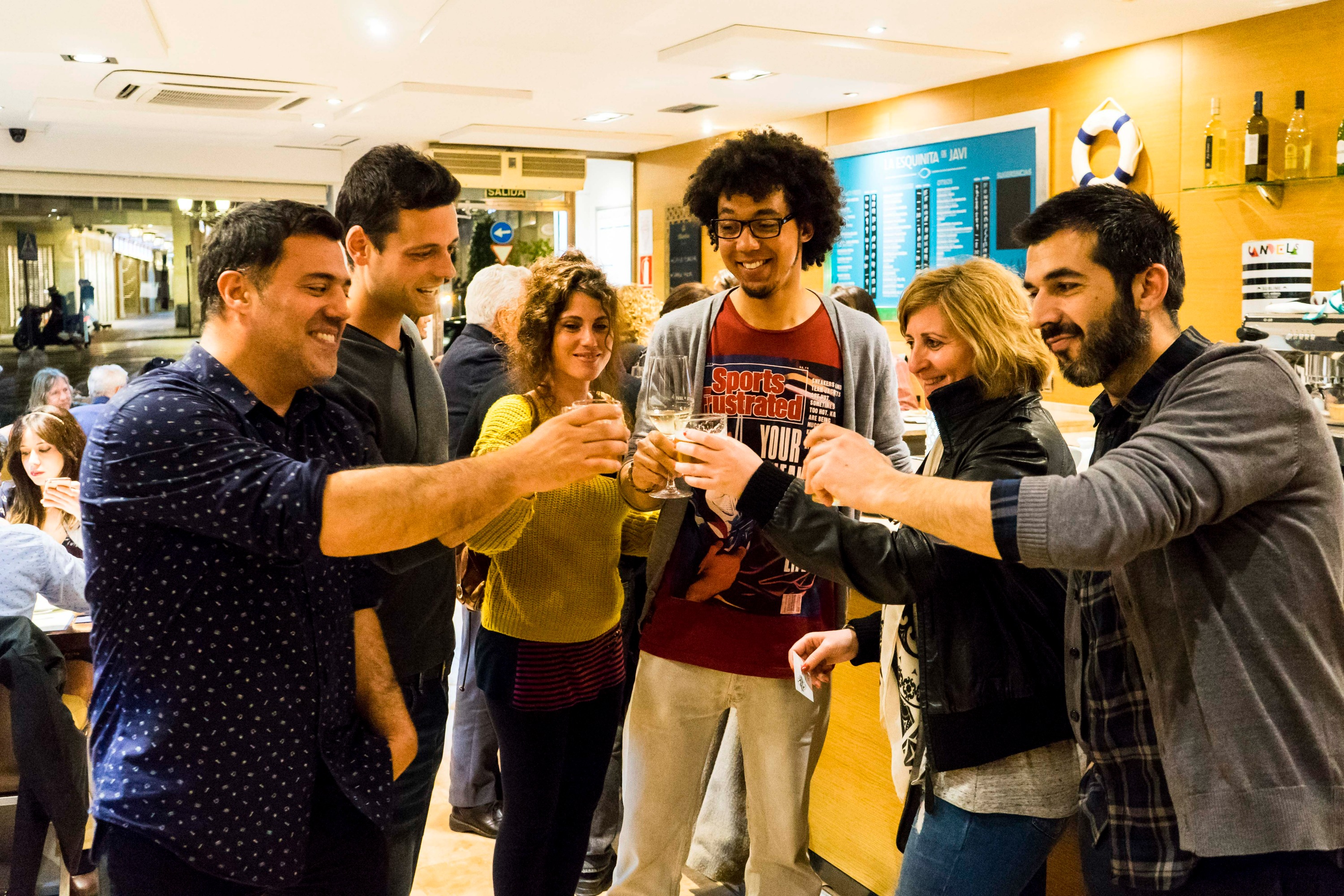
A cultural and gastronomic experience where you learn history and enjoy local food. This tour is for those who want to experience the real Mexico and have an authentic local experience.
Available options
Analco Walking Tour
What's included
You can choose between Tortas, Tostadas, or flautas
Historic Walking Tour at Barrio de Analco
Purified water
Detailed itinerary
1
Meet your local guide at the subway station by the elevator. (Estación Independencia - Línea 3).
2
This Independence monument was inaugurated in 1910 during the celebrations for dictator Porfirio Díaz's visit from Mexico City. It is a replica of the Angel of Independence in the capital.
3
It serves as the main square of the Analco neighborhood, located directly in front of the parish of San José.
During the viceregal era, this site hosted the street market for product exchanges, while the royal court also resolved conflicts and criminal cases here.
Today, visitors can enjoy the gardens, fountain, and sports fields.
4
Founded in 1543, it predates the Guadalajara Cathedral. Its style is eclectic, featuring Baroque and Renaissance elements alongside elements of Roman architecture.
Inside, there is the chapel of the Virgen de la Salud, which celebrates a pilgrimage in style every year on the fourth Sunday of October.
5
Try the most traditional ice cream in the Analco neighborhood. Here, artisanal ice creams are prepared with organic fruit and natural sweets. They have been serving customers for decades, thanks to their more than 15 delicious flavors.
6
In this garden, a traditional bandstand stands at the center of the square. Opposite it is the old hermitage of San Sebastian; today, the temple of San Sebastian Martir, built in the 17th century, occupies that location.
Additionally, there is a monument known as the Stele Against Oblivion, dedicated to the explosions that occurred in the neighborhood on April 22, 1992.
7
Monument honoring the tragic explosions that occurred in Analco on April 22, 1992.
8
The temple was built in the 17th century using indigenous labor. Its architectural style combines indigenous and European traditions.
A clear example of cultural syncretism in Mexico.
9
Established in the 1940s, it was the first market in the city to feature a gate made of wrought iron.
It is also known as the "elotes" market, as it serves as a production and distribution center for corn and its derived products (tamales, atole, tortillas, tostadas, etc).
10
After the historic walk, take a moment to enjoy local food at Tortas Analco, a food stand that has been serving authentic Mexican cuisine since 1957. (Included in price)
What's not included
Private transportation
Available languages
Guide guide
EN
ES
Reviews breakdown
Viator
5.0
3 reviews
5★
3
4★
0
3★
0
2★
0
1★
0
Tripadvisor
5.0
3 reviews
5★
3
4★
0
3★
0
2★
0
1★
0
Important information
Wheelchair accessible
Service animals allowed
Not recommended for travelers with spinal injuries
Not recommended for pregnant travelers
Not recommended for travelers with poor cardiovascular health
Suitable for all physical fitness levels
Meeting point
See you outside the "Independencia" station on Line 3 of the Light Rail. Right in front of the Hotel Alcazar. The streets that cross are Avenida Revolución and Calzada Independencia
About Guadalajara
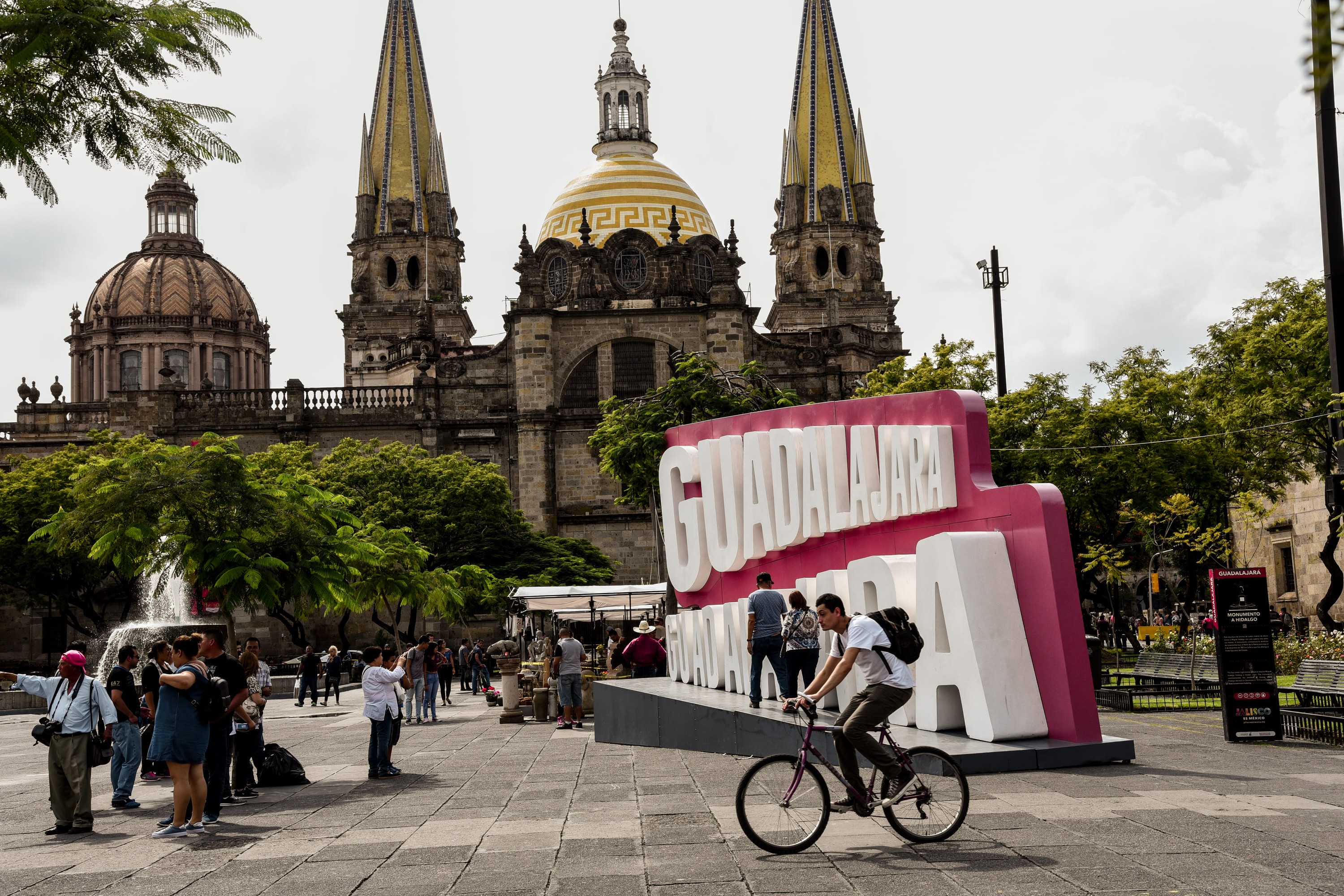
Guadalajara, the vibrant capital of Jalisco, is a city rich in history, culture, and traditions. Known as the birthplace of mariachi music and tequila, it offers a blend of colonial architecture, modern attractions, and a lively arts scene. The city's warm hospitality and diverse culinary offerings make it a must-visit destination in Mexico.
Top Attractions
Hospicio Cabañas
A UNESCO World Heritage Site, this 18th-century complex houses a museum and stunning frescoes by José Clemente Orozco.
Historical
1-2 hours
Moderate
Guadalajara Cathedral
This iconic cathedral is a must-visit for its stunning architecture and historical significance.
Religious
30 minutes to 1 hour
Free
Instituto Cultural Cabañas
This cultural center hosts various exhibitions, performances, and events throughout the year.
Cultural
1-2 hours
Moderate
Must-Try Local Dishes
Birria
A spicy stew made with goat or beef, traditionally served with tortillas and consommé.
Main Course
Contains meat
Tortas Ahogadas
A sandwich drowned in a spicy tomato sauce, typically made with pork.
Main Course
Contains meat
Tejuino
A fermented corn drink, often served with lime and chili powder.
Drink
Vegetarian
Popular Activities
Hiking
Zip-lining
Spa treatments
Boating
Museum visits
Art galleries
Fishing
Skiing (in nearby areas)
Best Time to Visit
November to April
This is the best time to visit Guadalajara, with pleasant weather and minimal rainfall. It's ideal for outdoor activities and exploring the city's attractions.
15°C to 28°C
59°F to 82°F
Practical Information
Language
- Official: Spanish
- Widely spoken: English (limited)
- English: Limited
Currency
Mexican Peso (MXN)
Time Zone
CST (UTC -6)
Electricity
127VV, 60HzHz
Safety Information
Overall Safety Rating: Generally safe with exercise caution
Guadalajara is generally safe for tourists, but petty crime can occur. Exercise caution in crowded areas and at night.
Important Precautions:
- • Keep valuables secure
- • Use official taxis or app-based services
- • Avoid walking alone at night in unfamiliar areas
Getting there
By air
- Don Miguel Hidalgo y Costilla International Airport • 16 km (10 miles) from city center
By bus
Central de Autobuses de Guadalajara (CAEG)
Getting around
Public transport
The bus system is the most extensive public transport option in Guadalajara, with routes covering the entire city.
Taxis
Available • Apps: Uber, Didi
Rentals
Car, Bike, Scooter
Neighborhoods
Centro Histórico
Zapopan
Chapalita
Day trips
Tlaquepaque
10 km (6 miles) • Half day
A charming town known for its artisan shops, galleries, and traditional restaurants.
Tequila
60 km (37 miles) • Full day
The birthplace of tequila, offering distillery tours, agave fields, and historic sites.
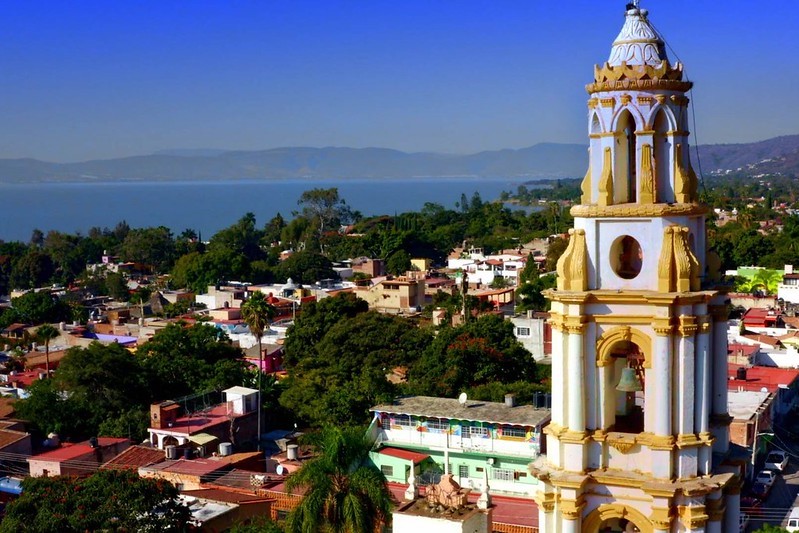
Lake Chapala
50 km (31 miles) • Full day
Mexico's largest freshwater lake, offering boating, fishing, and scenic views.
Festivals
Feria Internacional del Libro (FIL) • November
Festival de Maríachi y Charro • September
Día de los Muertos • November 1-2
Pro tips
- Learn a few basic Spanish phrases to enhance your experience and interact with locals.
- Visit local markets for authentic souvenirs and culinary experiences.
- Explore the city's neighborhoods to discover hidden gems and local culture.
- Try traditional Jalisco dishes like birria and tortas ahogadas.
- Attend a mariachi performance for an authentic cultural experience.
From $25
per person
Price varies by option
Secure booking
Free cancellation available
Instant confirmation