Gdansk Must-See Private Walking Tour With A Guide
Active
2h
For a full refund, cancel at least 24 hours before the scheduled departure time.
Instant confirmation
Mobile or paper ticket accepted
About this experience
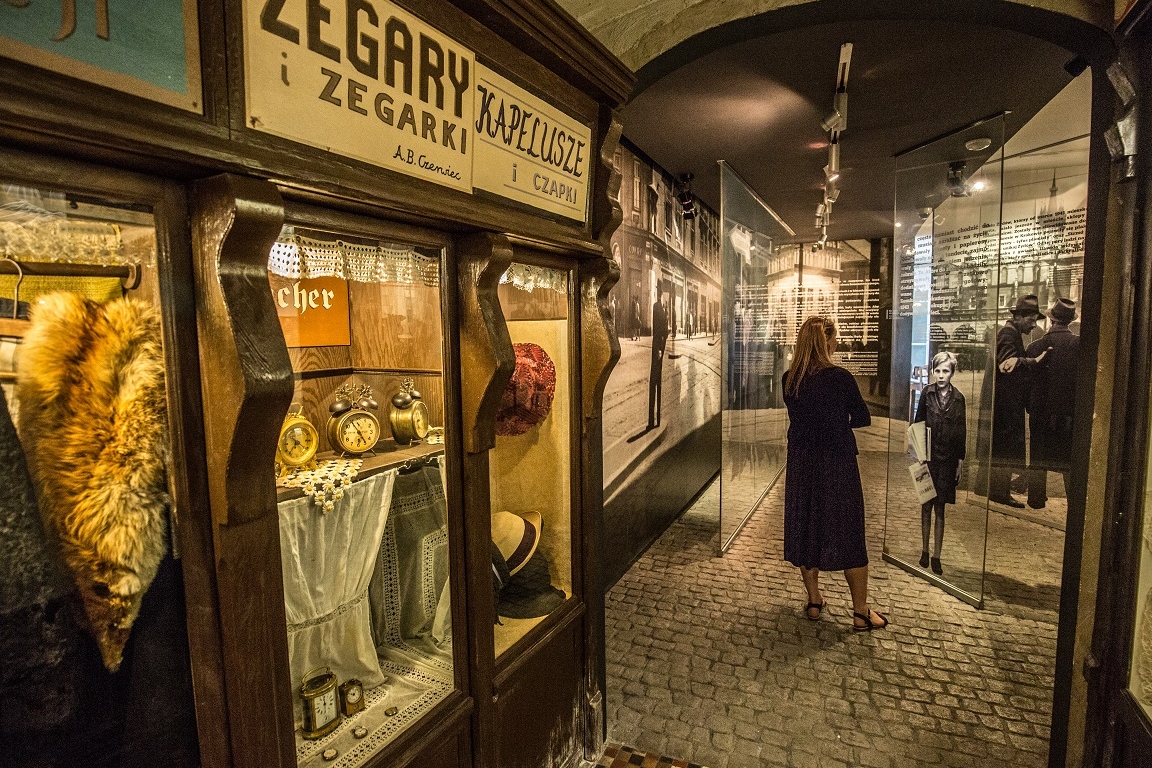
Begin your immersive journey at the Golden Gate (Zlota Brama), delving into the annals of the city's past and its profound significance. Meander along Dluga Street (ul. Dluga), a segment of the esteemed Royal Route, as anecdotes unfold about Gdansk's illustrious denizens. Behold the awe-inspiring grandeur of St. Mary's Church, a testament to medieval brick architecture's magnificence. Traverse the historic expanse of Dlugi Targ Square, adorned with Arthus' House and the Neptune Fountain, alongside the remarkable Fahrenheit scale. Pause to admire the Crane (Żuraw), a symbol of Gdansk's maritime heritage and affluence, before culminating your odyssey at the Museum of the Polish Post Office. Here, immerse yourself in tales of valor and resilience during the city's heroic defense against the Nazi forces in World War II.
Available options
Gdansk Must-See Private Walking Tour With A Guide
What's included
Private and exclusive tour, there won't be anyone else in your group.
Help from our team to book the tickets for the desired visits.
Customization of the tour
In-person: English speaking Guide
Walking tour
Detailed itinerary
1
Begin your exploration at the iconic Golden Gate, a symbol of Gdańsk's rich history and architectural grandeur. Admire the intricate details of this majestic city gate, which once served as the main entrance to the medieval Old Town.
2
Wander along Długa Street, one of the most picturesque thoroughfares in Gdańsk. Marvel at the colorful facades of the historic merchants' houses lining the street, each adorned with ornate gables and charming details that evoke the city's Hanseatic past.
3
Stop 3
Discover the awe-inspiring beauty of St. Mary's Church, one of the largest brick churches in the world. Step inside this magnificent Gothic cathedral and marvel at its soaring vaulted ceilings, intricate stained glass windows, and stunning altarpiece, which is a masterpiece of medieval art.
4
Explore Długi Targ Square, the vibrant heart of Gdańsk's Old Town. Admire the elegant Renaissance and Baroque buildings that line the square, including the historic Artus Court and the Neptune Fountain, and soak up the lively atmosphere of this bustling public space.
5
Conclude your tour at Crâne, a historic medieval crane that once played a vital role in Gdańsk's bustling port. Learn about the crane's fascinating history and significance as a symbol of the city's maritime heritage, and enjoy panoramic views of the waterfront from this iconic landmark.
What's not included
Drink or Food
Tips (Optional)
Transportations (the cost of using public transport during the tour is at your own expense)
Tickets to any attractions
Available languages
Guide guide
EN
Important information
Wheelchair accessible
Infants and small children can ride in a pram or stroller
Public transportation options are available nearby
All areas and surfaces are wheelchair accessible
Suitable for all physical fitness levels
It's a city tour and not a tour inside the monuments.
Recommended for everyone
Meeting point
Your guide will be waiting for you in front of High Gates main entrance wearing a black hat.
About Gdansk
Gdansk, a historic port city on the Baltic coast, is known for its rich maritime heritage, stunning architecture, and significant role in European history. The city's well-preserved medieval old town, vibrant cultural scene, and proximity to beautiful beaches make it a captivating destination for travelers.
Top Attractions
Long Market (Długi Targ)
The Long Market is the heart of Gdansk's old town, featuring a stunning collection of colorful merchant houses, historic buildings, and the iconic Neptune Fountain. It's a must-visit for its architectural beauty and vibrant atmosphere.
Historical/Architecture
1-2 hours
Free
Gdańsk Crane (Zuraw)
The Gdańsk Crane is a medieval port crane and one of the most iconic symbols of the city's rich maritime history. It offers a fascinating glimpse into Gdansk's past as a major trading hub in the Hanseatic League.
Historical/Architecture
30-60 minutes
15 PLN (3.60 USD)
Westerplatte
Westerplatte is a peninsula and museum commemorating the start of World War II in Poland. It was the site of the first battle between Polish and German forces in September 1939. The museum and memorial offer a poignant and educational experience.
Historical
1-2 hours
Free (museum entry fee: 10 PLN / 2.40 USD)
Gdańsk Zoo
Gdańsk Zoo is one of the oldest and most popular zoos in Poland, housing a wide variety of animal species and offering educational programs and conservation efforts. It's a great destination for families and animal lovers.
Nature
2-3 hours
45 PLN (10.80 USD) for adults, 30 PLN (7.20 USD) for children
European Solidarity Centre (ESC)
The European Solidarity Centre is a modern museum and educational institution dedicated to the history of the Solidarity movement, which played a crucial role in the fall of communism in Eastern Europe. The museum offers interactive exhibits, multimedia presentations, and a library.
Museum/Cultural
1-2 hours
25 PLN (6 USD) for adults, 15 PLN (3.60 USD) for children
Must-Try Local Dishes
Pierogi
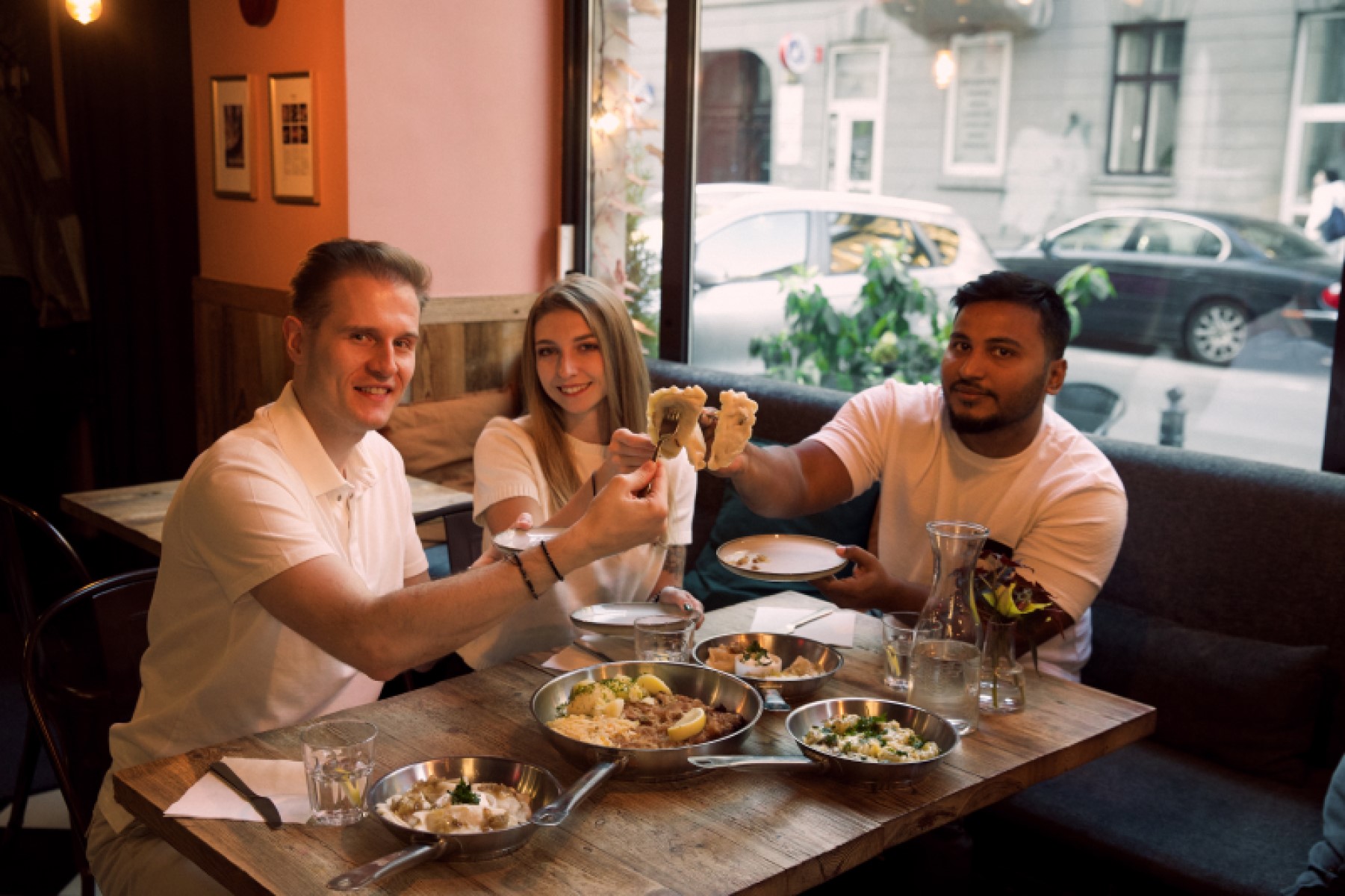
Pierogi are dumplings filled with various ingredients, such as meat, cheese, potatoes, or fruits. They are a staple of Polish cuisine and a must-try in Gdansk.
Dish
Vegetarian options available (e.g., pierogi with cheese and potatoes or mushrooms)
Fish Soup (Zupa Rybacka)
Fish soup is a traditional Polish dish made with a variety of fish, vegetables, and spices. It's a popular and comforting dish, especially in coastal cities like Gdansk.
Soup
Contains fish and shellfish, not suitable for vegetarians or those with seafood allergies
Gdańsk Goldwasser
Gdańsk Goldwasser is a traditional Polish liqueur made with honey, spices, and flakes of gold leaf. It's a unique and luxurious drink with a rich history and a distinctive taste.
Liqueur
Contains alcohol, not suitable for those avoiding alcohol or with specific dietary restrictions
Smålands Ost (Smaland Cheese)
Smålands Ost is a traditional Polish dessert made with a mix of cottage cheese, butter, sugar, and eggs. It's often served with fresh fruit, jam, or syrup and is a popular treat in Gdansk.
Dessert
Contains dairy, not suitable for those with lactose intolerance or dairy allergies
Popular Activities
Hiking and cycling in Tricity Landscape Park
Kayaking and paddleboarding in the Motława River
Paragliding and hang gliding in the surrounding areas
Sunbathing and swimming at Sopot Beach
Spa and wellness treatments at local hotels and resorts
Strolling and sightseeing in Gdansk's Old Town
Visiting museums and galleries
Attending concerts and performances
Best Time to Visit
June to August
Summer is the most popular time to visit Gdansk, with warm weather, long daylight hours, and a variety of outdoor events and festivals. The beaches are also at their best during this period.
15°C to 25°C
59°F to 77°F
Practical Information
Language
- Official: Polish
- Widely spoken: English, German, Russian
- English: Moderately spoken
Currency
Polish Złoty (PLN)
Time Zone
GMT+1 (Central European Time, CET)
Electricity
230VV, 50HzHz
Safety Information
Overall Safety Rating: Generally safe
Gdansk is generally a safe and welcoming destination for travelers, with low crime rates and a friendly and hospitable local population. However, as with any destination, it's important to be aware of your surroundings and take precautions to protect yourself and your belongings.
Important Precautions:
- • Be aware of your surroundings and keep your belongings secure and out of sight, especially in crowded tourist areas or on public transportation
- • Use licensed and reputable taxis or ride-sharing services, and avoid unlicensed or unmarked taxis
- • Research and choose accommodations and establishments that are well-reviewed and reputable, and be cautious of overly friendly or persistent strangers
Getting there
By air
- Gdańsk Lech Wałęsa Airport • 10 km (6 miles) from city center
By train
Gdańsk Główny
By bus
Gdańsk Główny Bus Station, Gdańsk Żabianka Bus Station
Getting around
Public transport
Gdansk's tram system is efficient, affordable, and easy to use. Trams are a great way to get around the city, with frequent departures and clear signage.
Taxis
Available • Apps: Uber, Bolt
Rentals
Car, Bike, Scooter
Neighborhoods
Old Town (Stare Miasto)
Oliwa
Sopot
Gdańsk-Wrzeszcz
Day trips
Malbork Castle
50 km (31 miles) from Gdansk • Half day to full day
Malbork Castle is the largest brick castle in the world and a UNESCO World Heritage Site. It's a stunning example of medieval architecture and a fascinating glimpse into the history of the Teutonic Knights.
Sopot
12 km (7.5 miles) from Gdansk • Half day to full day
Sopot is a popular seaside resort and a great destination for relaxation, entertainment, and nightlife. It's known for its long sandy beach, elegant architecture, and vibrant atmosphere.
Wieliczka Salt Mine
300 km (186 miles) from Gdansk • Full day
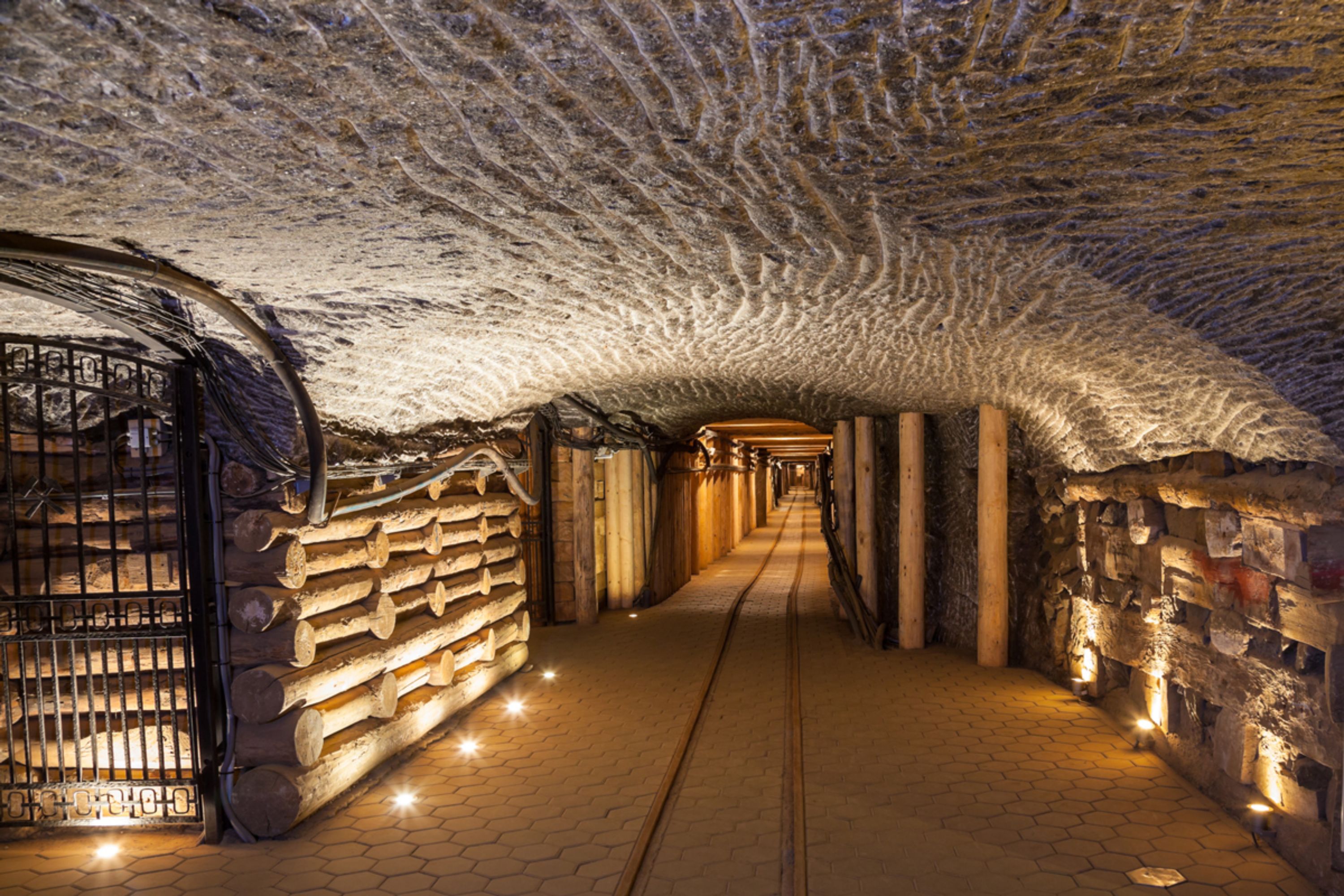
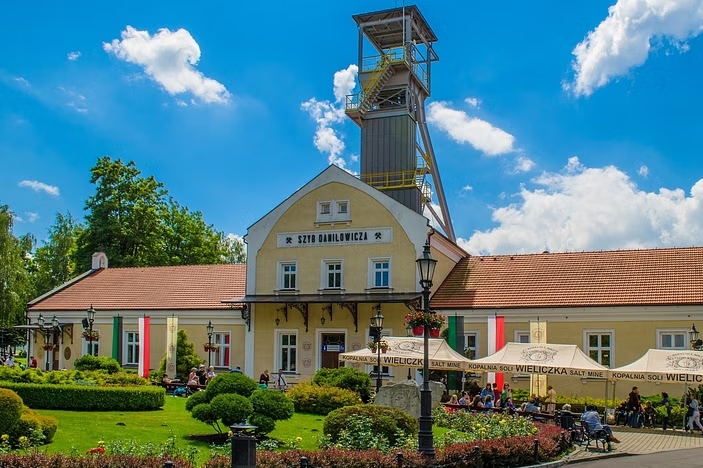
The Wieliczka Salt Mine is a UNESCO World Heritage Site and one of the most famous and historic salt mines in the world. It's a fascinating and unique destination, with a rich history and stunning underground architecture.
Festivals
Gdańsk Shakespeare Festival • June
St. Dominic's Fair (Jarmark Dominikański) • July
Gdańsk International Film Festival • September
Pro tips
- Visit the historic old town and its many attractions, such as the Long Market, Neptune Fountain, and Artus Court, to get a sense of the city's rich history and cultural heritage
- Explore the city's maritime heritage by visiting its many museums, shipyards, and historic ships, as well as by taking a boat tour or cruise on the Motława River
- Sample the city's diverse and dynamic food and drink scene, which features a mix of traditional Polish cuisine, fresh seafood, and unique local specialties like Goldwasser liqueur
- Take a day trip to nearby destinations, such as Malbork Castle, Sopot, or the Hel Peninsula, to explore the region's many natural and cultural attractions
- Visit the European Solidarity Centre to learn about the history of the Solidarity movement and its role in the fall of communism in Eastern Europe
From $25
per person
Price varies by option
Secure booking
Free cancellation available
Instant confirmation