5 days tour: Amazing Armenia
Active
5d
For a full refund, cancel at least 24 hours before the scheduled departure time.
Instant confirmation
Mobile or paper ticket accepted
About this experience
We invite you to take part in 5 days excursions in Armenia which are conducted on comfortable vehicles equipped with air conditioning, accompanied by qualified guides who speak English and Russian. All overnights will be in 4* Hotel located in Yerevan.
Available options
5 days tour: Amazing Armenia
What's included
Transportation service according to the program
1 bottle water per person per day in the car
Professional guide-driver service
Meals: Breakfast
Hotel accommodation
Airport transfers
Detailed itinerary
1
Stop 1
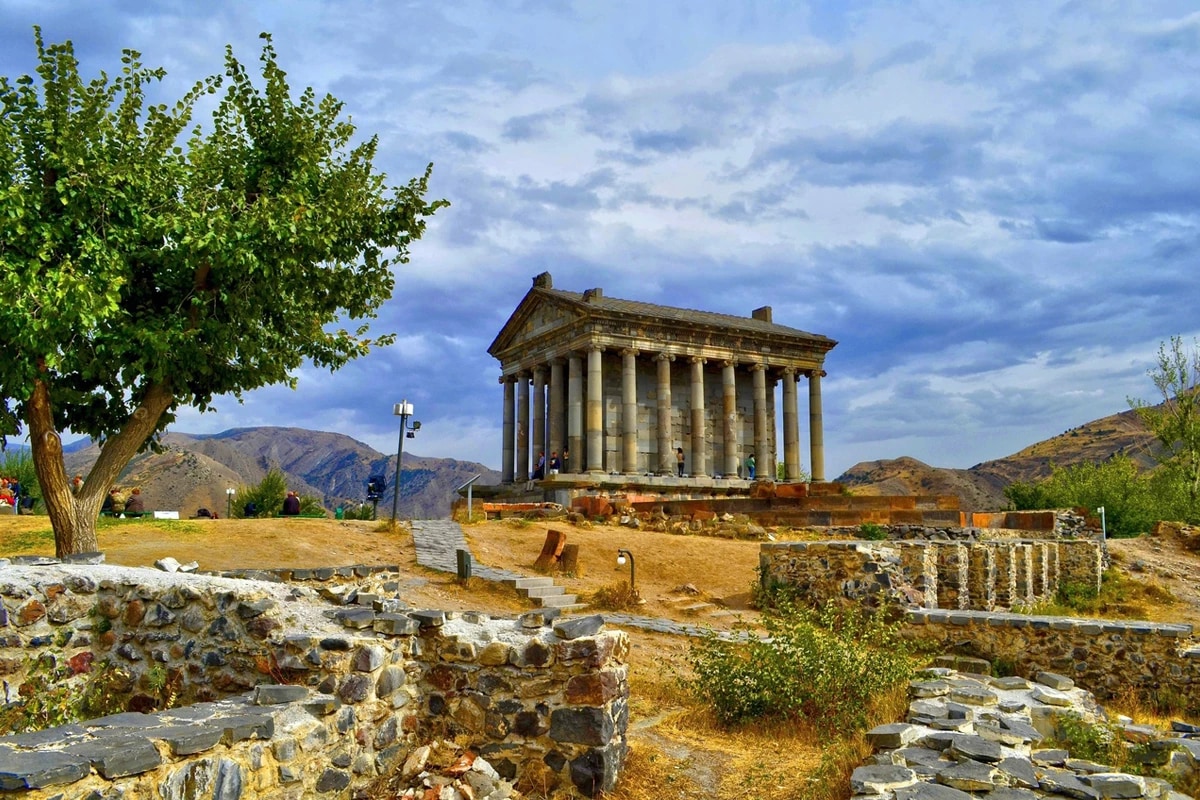
Take a trip to Garni. This Pagan Temple was built in the Ist century AD. It is the only temple that remains from the Pagan times in Armenia. It was devoted to the God of the Sun Mihr, and was a gift to the queen. In 1679 it was destroyed by earthquake. In the 1975 the Temple was restored. Afterwards you will see Charents Arch that is located on the road to Garni and is used as a spectacular place to view Mt. Ararat and its valley.
2
Stop 2
Then we will continue our trip to Geghard Monastery. Its name came from the legendary lance that was used to pierce the body of Christ. It has been kept here for many centuries. This monastery is included in the Unesco Heritage.
Back to Yerevan.
3
Visiting the Mergeryan Carpet. Here you can get a full insight into ancient Armenian traditions of rug weaving.
Free time.
Overnight at the Hotel.
4
Lake Sevan is the largest lake in Armenia and the Caucasus region. It is one of the largest freshwater high- altitude lakes in the world. Lake Sevan is situated in the central part of the Republic of Armenia, in the Gegharkunik Province, at the altitude of 1,900 m (6,200 ft) above sea level. The total surface area of its basin is about 5,000 km2 (1,900 sq mi), the lake itself is 940 km2, and the volume is 34.0 billion m3. It is fed by 28 rivers and streams.
5
According to an inscription in one of the churches, the monastery of Sevanavank was founded in 874 by Princess Mariam, the daughter of Ashot I[1] (who became a king a decade later).
6
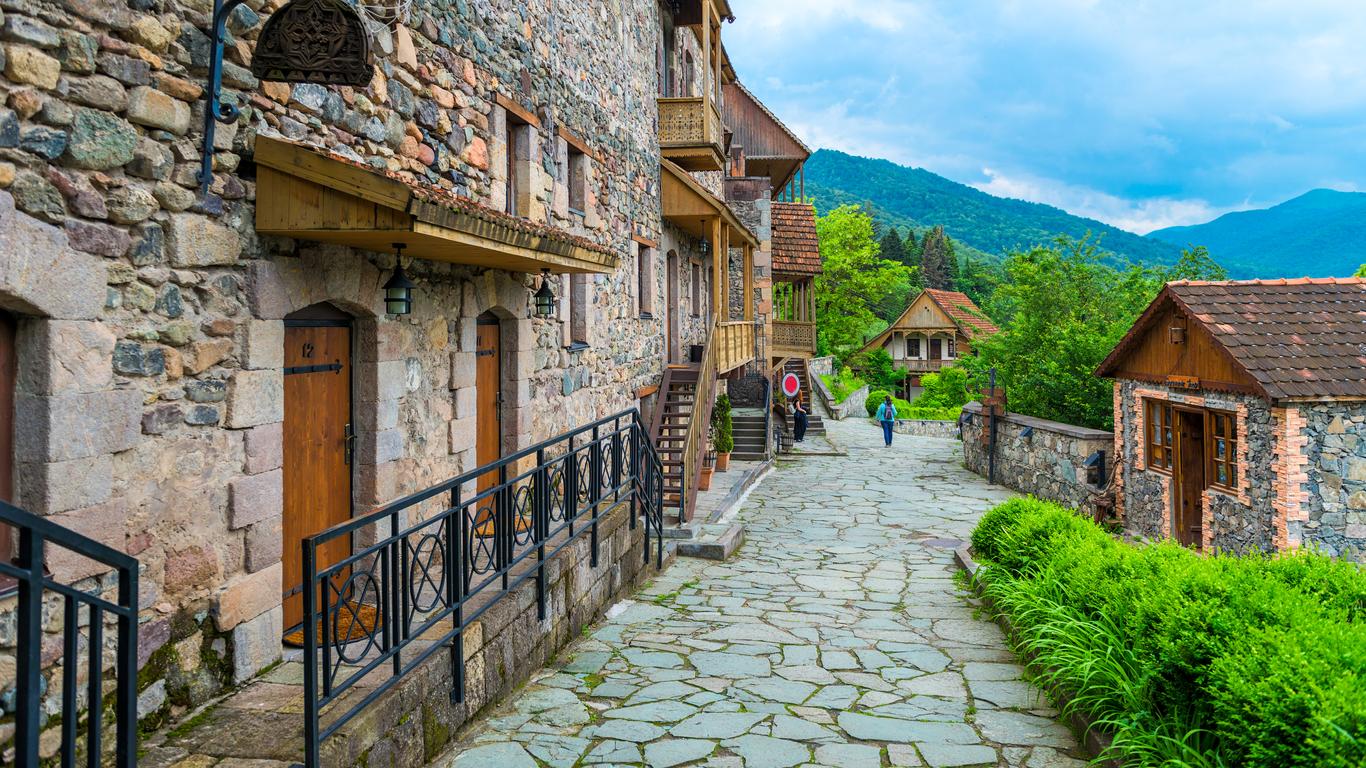
Heading to Dilijan. Mild climate and gorgeous nature made this town well known as a beautiful resort – but you won’t be indifferent either to the ancient part of the city, full of monasteries, situated deep in mountain forests – like Agartsin, built in XIIIth century. Passing by the city, visit the famous Sharamberyan Street.
7
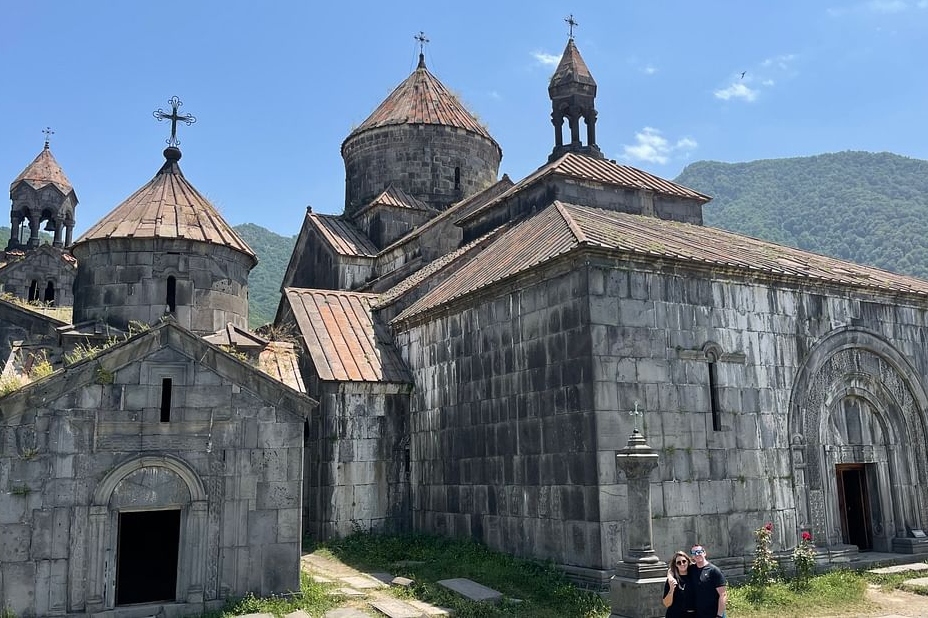
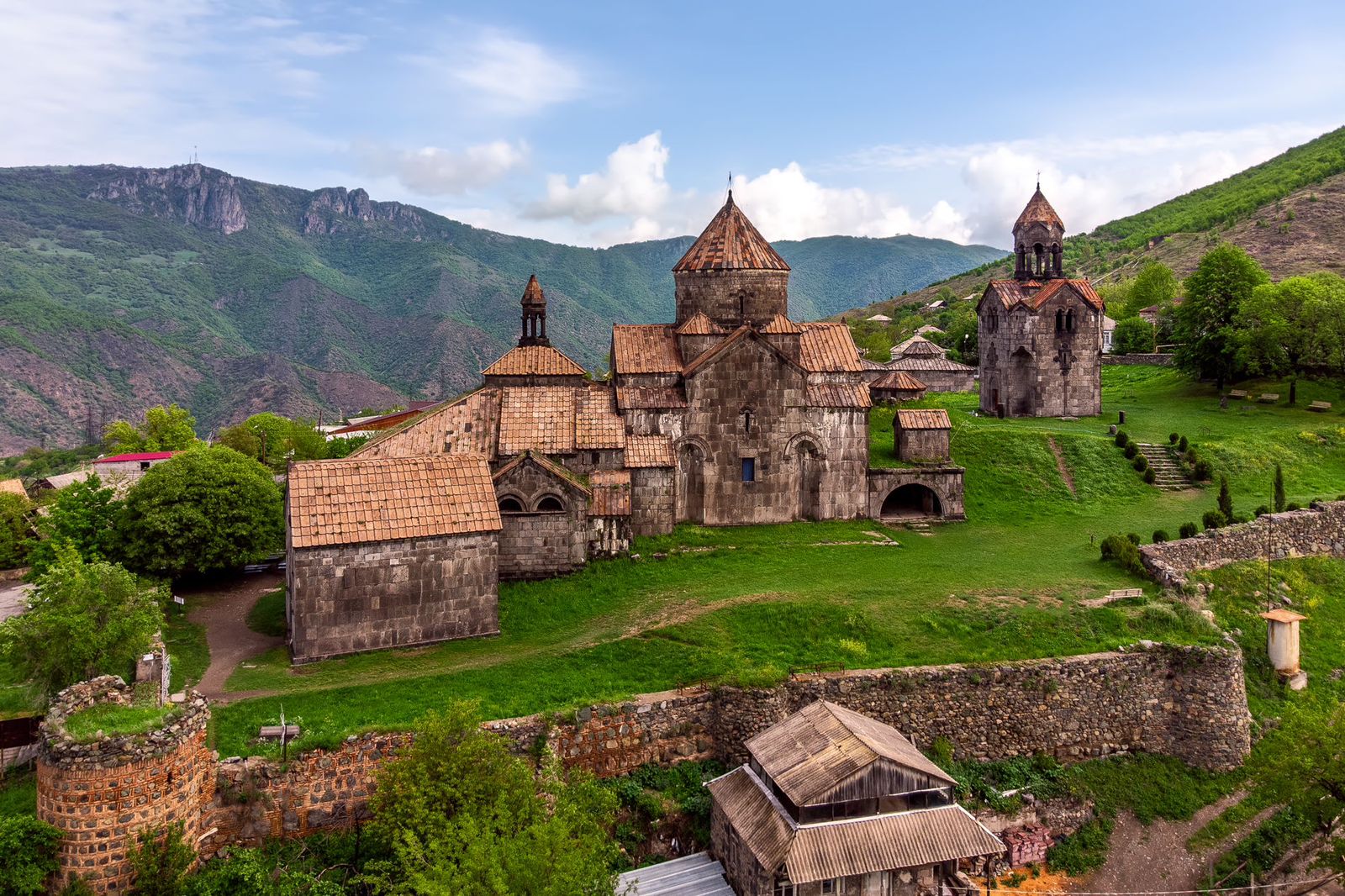
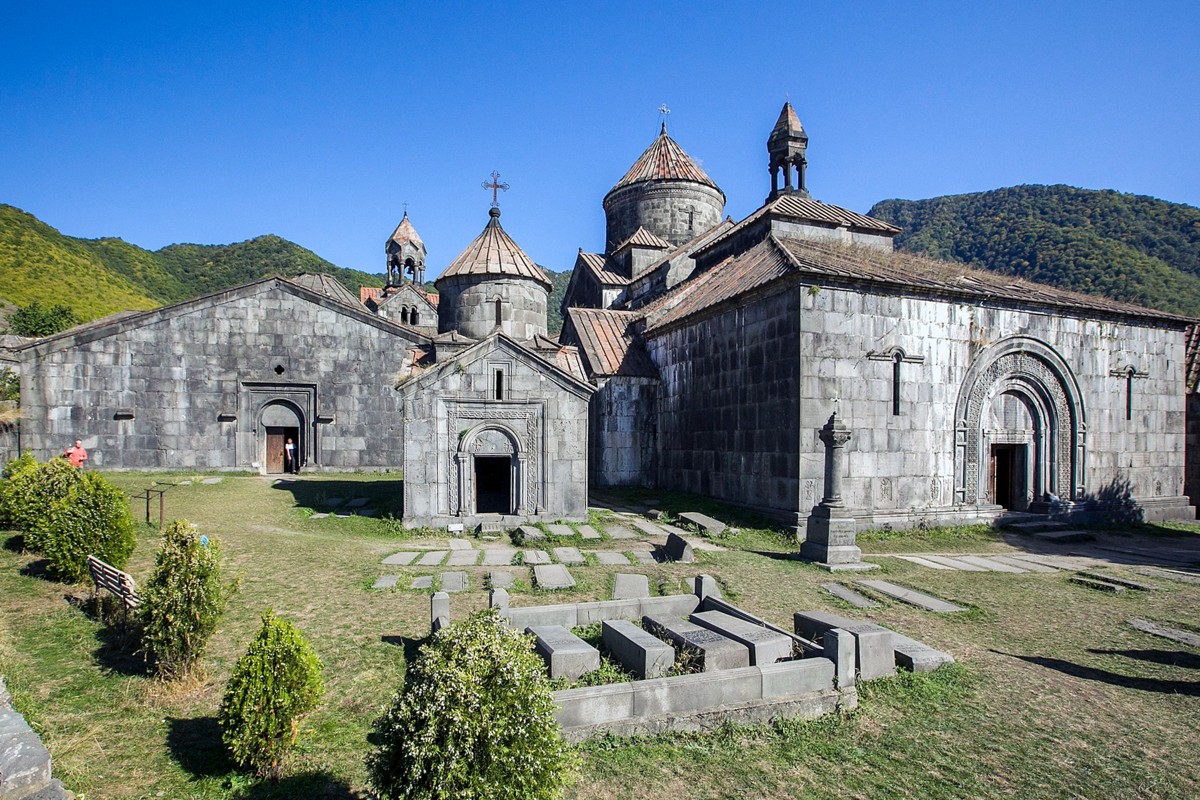
Take trip to Haghartsin Monastery (13th-century) located near the town of Dilijan. It was built between the 10th and 13th centuries (in the 12th under Khachatur of Taron); much of it under the patronage of the Bagratuni Dynasty.
Back to Yerevan for overnight.
8
Drive to Pahlavuni ancestral fortress – Amberd (the name translates to "fortress in the clouds" in armenian) – one of the few extant Armenian fortresses, situated on the height of 3096 meters. It looks as severe as the Aragats mountainsides around. The history of Amberd goes back to the 7th century when Armenian princes Kamsarakan started there construction of the fortress. With the time, a small outpost turned into a well-protected fortress. However, the Kamsarakans had to pass this strategic point to another Armenian noble family Pahlavuni, who made it their residence. The great commander Vagram Pahlavuni, who lived in the 11th century, ordered to fortify the complex of Amberd and build there a church later named in his honor – Vagramashen.
9
Lake Kari is a lake in Armenia located on the slopes of Mount Aragats. Most of its water comes from ice and snow. It is located 3,185 m above the sea level and has a perimeter of 1,150 m. From Byurakan village an asphalt automobile road stretches towards the source of Arkashen River, the lake Kari, located on a plateau below the peaks. On the eastern side of the lake there is a meteorological station.
What's not included
Airfare
Alcoholic drinks
Insurance
Lunches and dinners
Tips
Other expenses not mentioned in the program
Available languages
Guide guide
RU
EN
Important information
Infants and small children can ride in a pram or stroller
Suitable for all physical fitness levels
Children must be accompanied by an adult
Meeting point
About Yerevan
Yerevan, the capital of Armenia, is one of the world's oldest continuously inhabited cities, known for its rich history, vibrant culture, and stunning architecture. Nestled at the foot of Mount Ararat, the city offers a unique blend of ancient landmarks and modern amenities, making it a fascinating destination for travelers.
Top Attractions
Republic Square
The heart of Yerevan, Republic Square is famous for its architectural beauty and historical significance. The square is surrounded by notable buildings and features a beautiful fountain show in the evenings.
Historical/Architecture
1-2 hours
Free
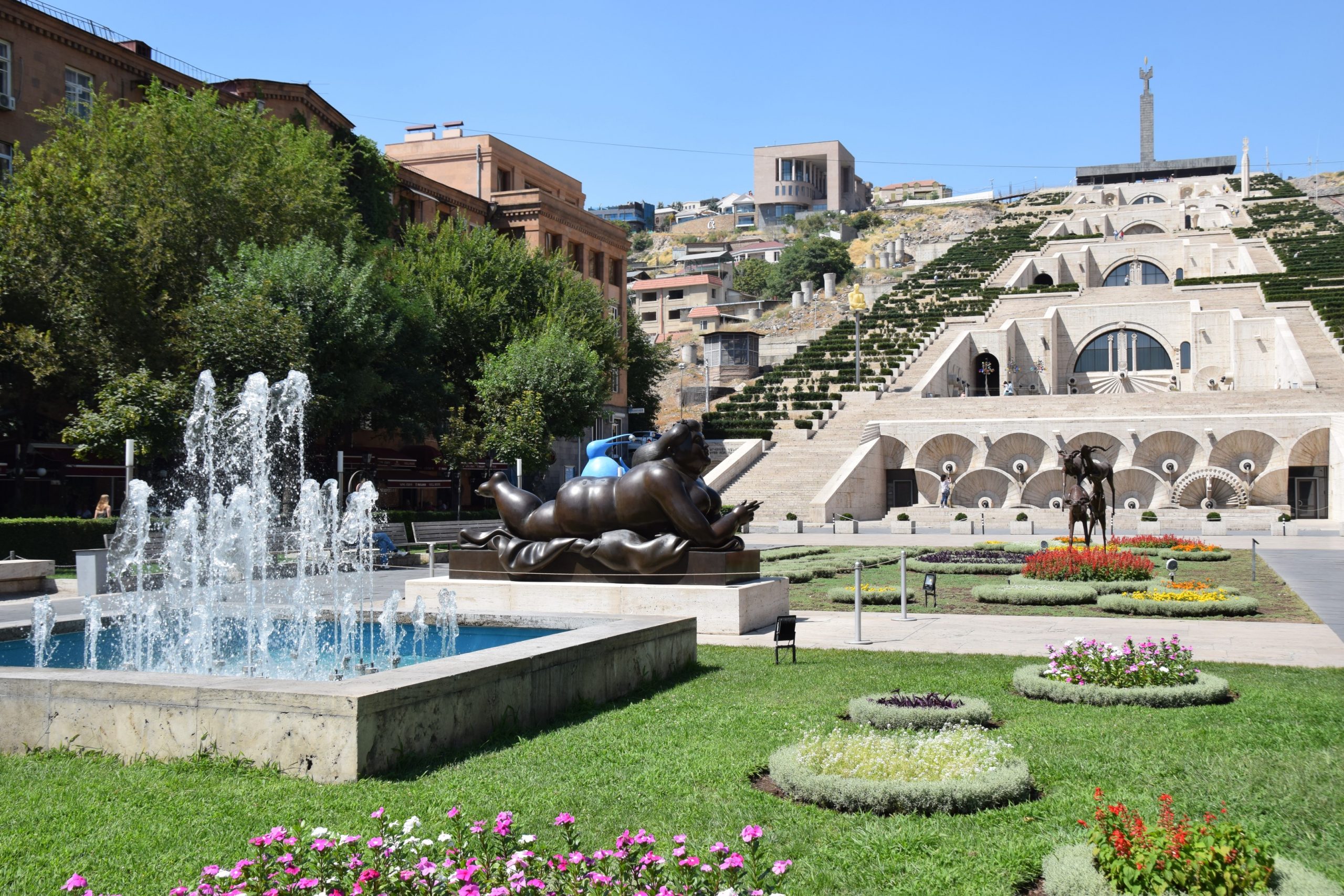
Yerevan Cascade
The Yerevan Cascade is a massive staircase and fountain complex that offers stunning views of the city and Mount Ararat. It is a popular spot for both locals and tourists.
Architecture/Historical
1-2 hours
Free
Matenadaran
Matenadaran is a repository of ancient manuscripts and a significant cultural and scientific institution in Armenia. It houses a vast collection of manuscripts, including religious texts and historical documents.
Museum/Cultural
1-2 hours
500 AMD
Ararat Brandy Factory
The Ararat Brandy Factory offers tours where visitors can learn about the history of Armenian brandy and enjoy tastings of their famous brandies.
Historical/Cultural
1-2 hours
5000-10000 AMD
Blue Mosque
The Blue Mosque is a beautiful example of Islamic architecture in Yerevan. It is one of the few remaining mosques in the city and is a significant cultural and historical site.
Historical/Religious
30 minutes
Free
Must-Try Local Dishes
Khorovats
Grilled meat, typically lamb or pork, marinated in spices and served with lavash (Armenian flatbread).
Main Course
Contains meat
Lavash
A traditional Armenian flatbread, soft and thin, often served with meals.
Bread
Vegetarian, Vegan
Dolma
Grilled meatballs made with minced lamb and spices, wrapped in grape leaves.
Appetizer
Contains meat
Harissa
A traditional Armenian porridge made from wheat and chickpeas, often served during Lent.
Porridge
Vegetarian, Vegan
Popular Activities
Hiking in Dilijan National Park
Rock climbing in Garni Gorge
Swimming in Lake Sevan
Spa treatments in Yerevan
Visiting museums and historical sites
Attending festivals and events
Boating and swimming in Lake Sevan
Skiing in Tsaghkadzor
Best Time to Visit
April to June, September to October
These periods offer the best weather for exploring the city, with mild temperatures and clear skies. The city is lively with cultural events and festivals.
15-30°C
59-86°F
Practical Information
Language
- Official: Armenian
- Widely spoken: Russian, English
- English: Moderately spoken
Currency
Armenian Dram (AMD)
Time Zone
AMT (UTC+4)
Electricity
220VV, 50HzHz
Safety Information
Overall Safety Rating: Generally safe
Yerevan is generally safe for travelers, with low crime rates and a welcoming atmosphere. However, it is important to take basic precautions to ensure a safe and enjoyable trip.
Important Precautions:
- • Use licensed taxis or ride-hailing apps
- • Keep valuables secure in crowded areas
- • Research tour operators before booking
Getting there
By air
- Zvartnots International Airport • 12 km from city center
By train
Yerevan Railway Station
By bus
Northern Bus Station, Southern Bus Station
Getting around
Public transport
Buses and minibuses (marshrutkas) are the primary modes of public transport, covering most of the city.
Taxis
Available • Apps: Yandex.Taxi, GorTaxi
Rentals
Car, Bike
Neighborhoods
Kentron
Avan
Nork
Day trips
Garni Temple
25 km from Yerevan • Half day
Garni Temple is a ancient pagan temple dedicated to the sun god Mihr. It is one of the few remaining examples of pre-Christian Armenian architecture.
Geghard Monastery
30 km from Yerevan • Half day
Geghard Monastery is a UNESCO World Heritage Site known for its unique rock-cut architecture and historical significance.
Lake Sevan
60 km from Yerevan • Full day
Lake Sevan is the largest lake in Armenia and a popular destination for swimming, boating, and hiking.
Festivals
Yerevan International Film Festival • July
Golden Apricot Film Festival • July
Yerevan Wine Days • September
Pro tips
- Learn a few basic phrases in Armenian to enhance your experience and connect with locals
- Try the local cuisine, including traditional dishes like khorovats, lavash, and dolma
- Visit the Vernissage Market for unique souvenirs and crafts
- Explore the underground tunnels of Yerevan for a unique and fascinating experience
- Take a day trip to Garni Temple and Geghard Monastery for a glimpse into Armenia's rich history and culture
From $25
per person
Price varies by option
Secure booking
Free cancellation available
Instant confirmation