Batik Heritage Introduction Class with Lunch & Souvenir
Active
5h
For a full refund, cancel at least 24 hours before the scheduled departure time.
Instant confirmation
Mobile or paper ticket accepted
About this experience
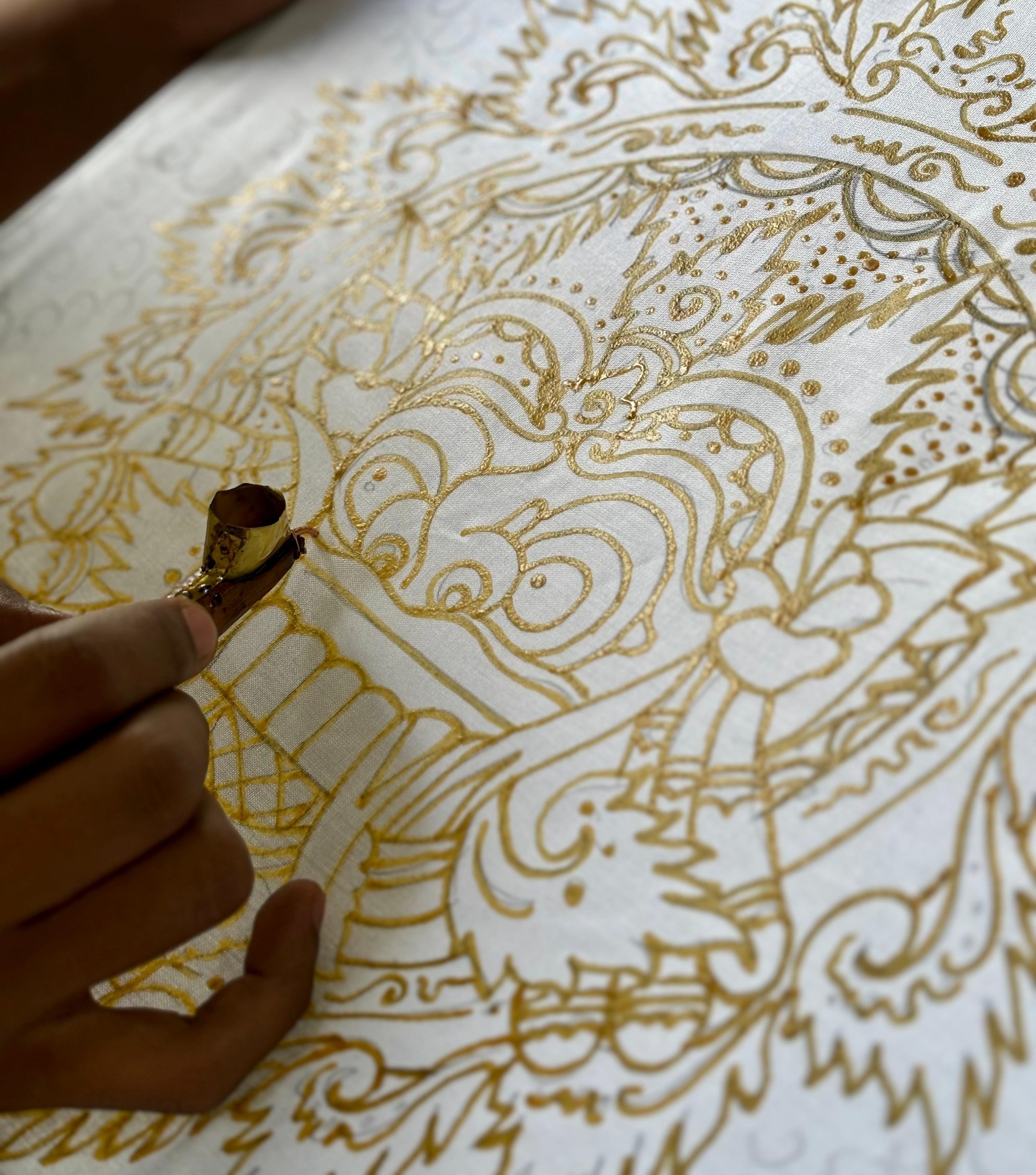
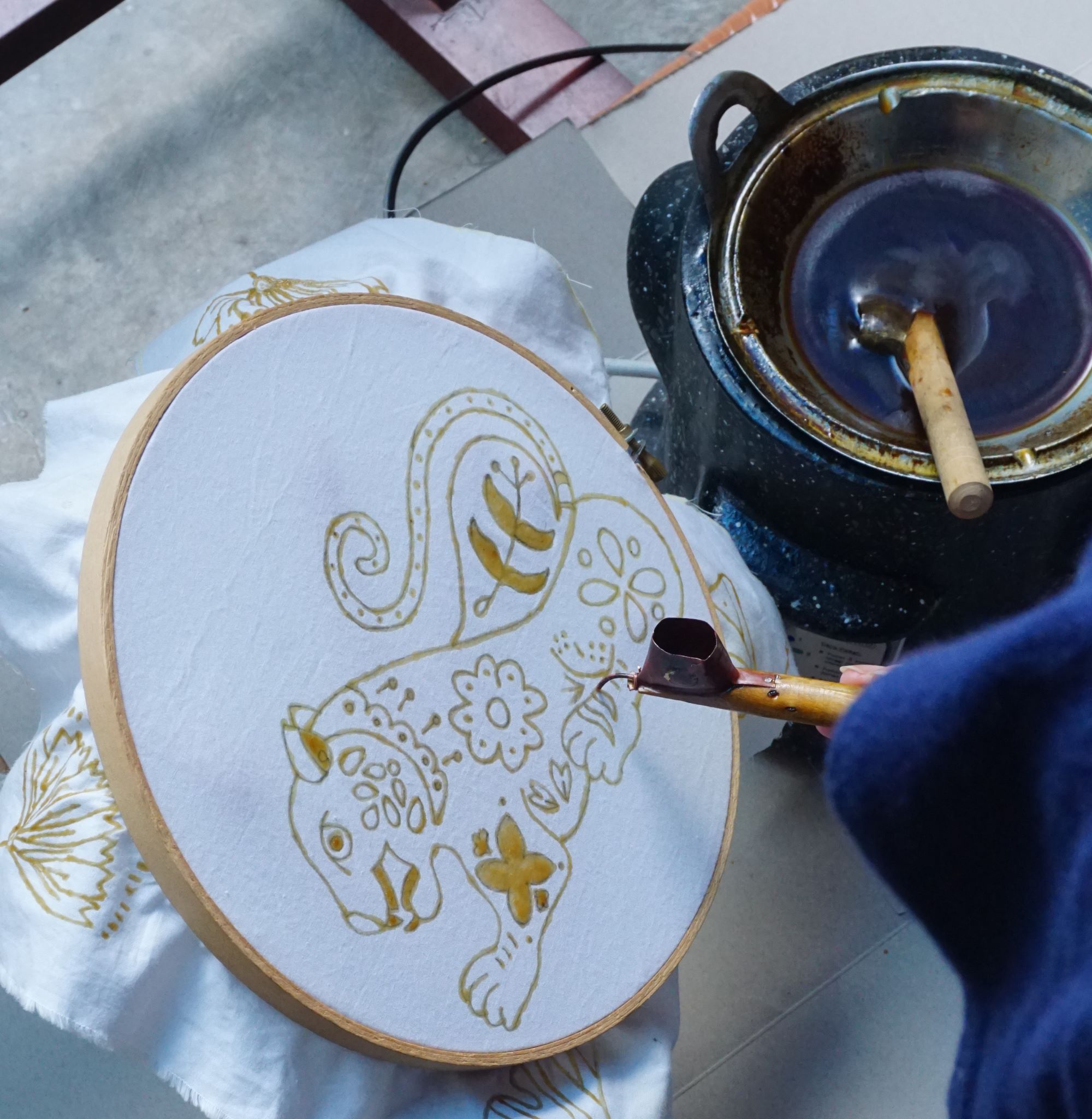
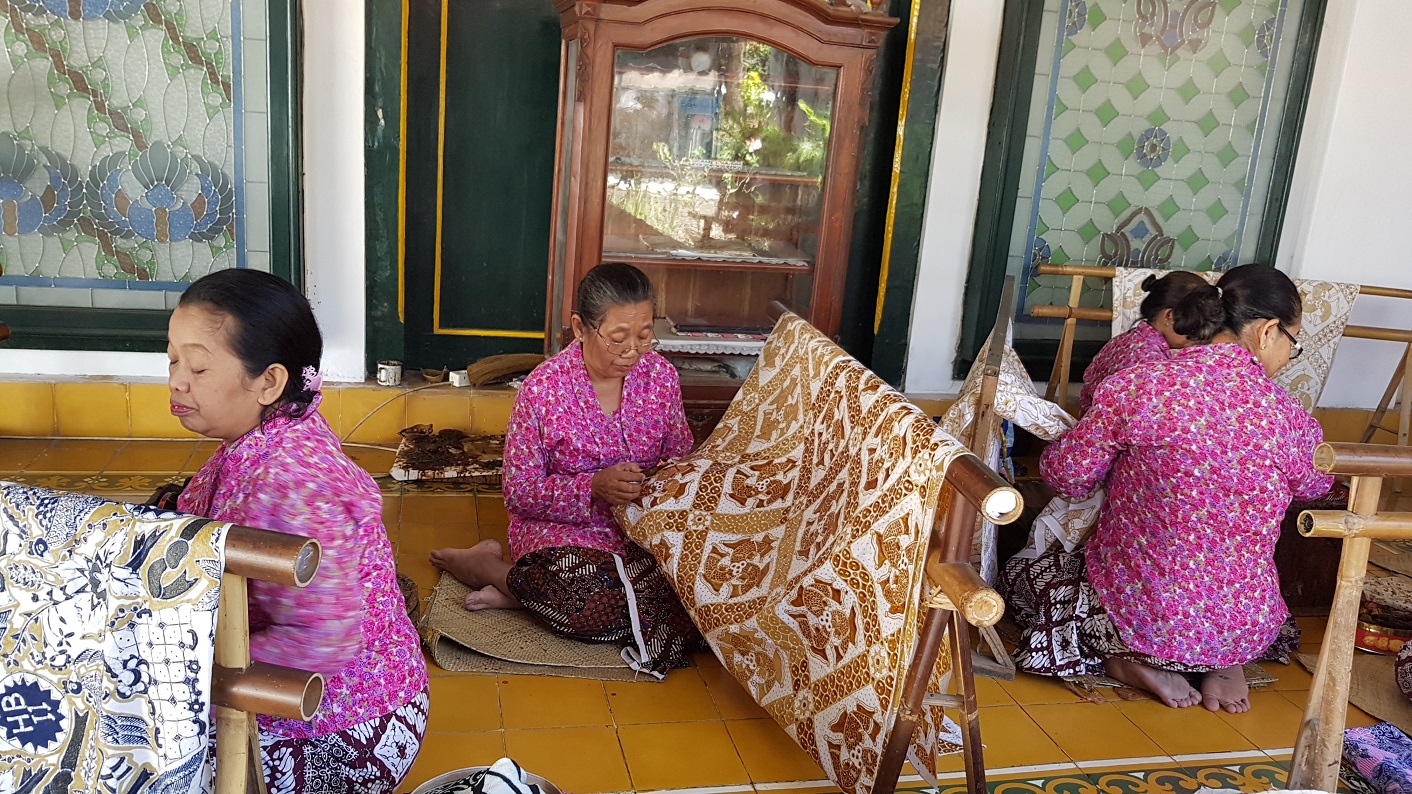
Batik is a traditional art form in Indonesia, and the word batik is thought to be derived from the word ‘ambatik’ which translated means ‘a cloth with little dots’. The suffix ‘tik’ means little dot, drop, point or to make dots. It is a technique of wax-resist dyeing applied fabric. Batik is made either by drawing dots and lines of the resist with a spouted tool called a canting, or by printing the resist with a copper stamp called a cap. The applied wax resists dyes and therefore allows the artisan to colour selectively by soaking the cloth in one colour, removing the wax with boiling water, and repeating if multiple colours are desired
Now the technique of batik can be found not only on fabric but also on wooden handicrafts and other media. If you love the intricacy and history of Batik, then you should try your hand at learning the process.
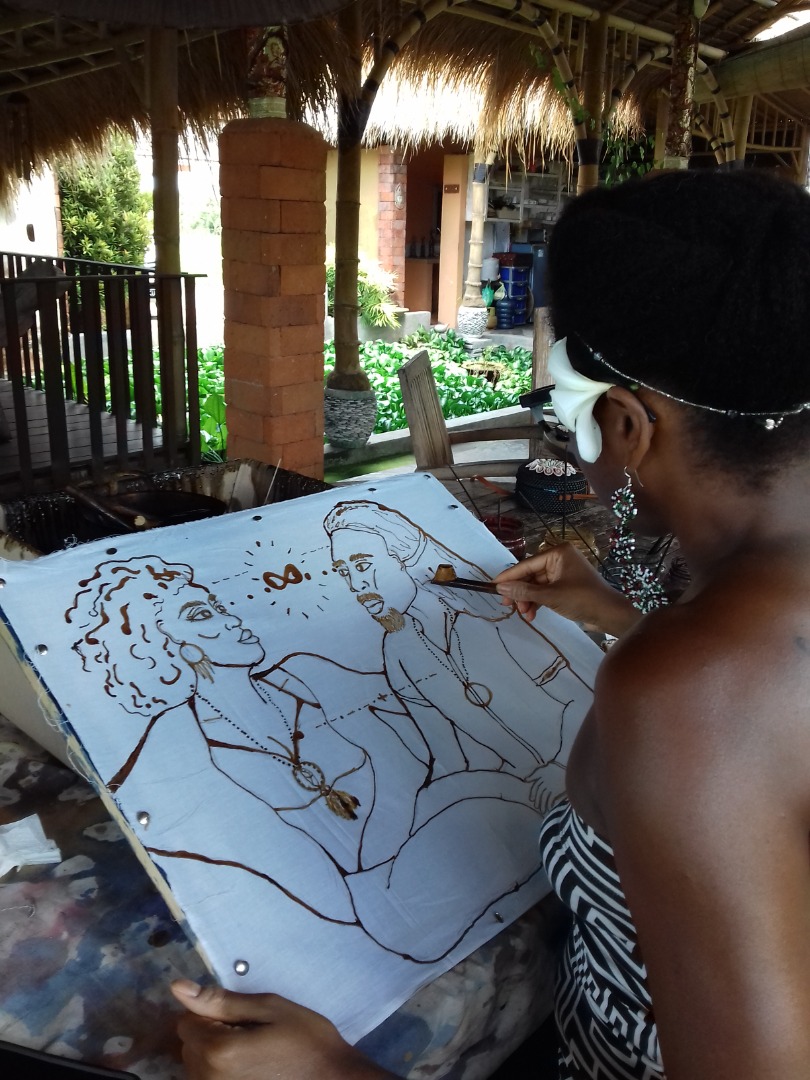
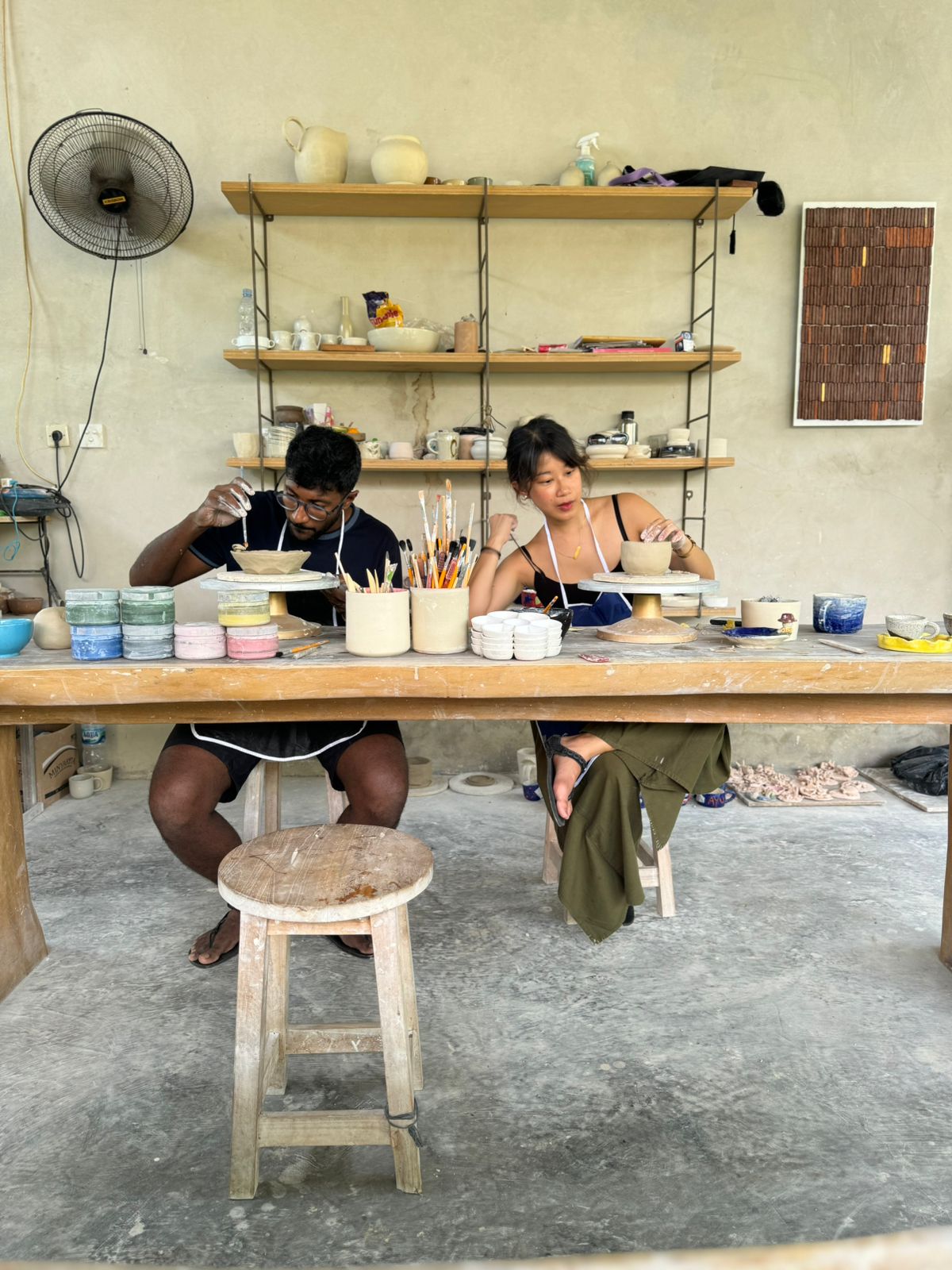
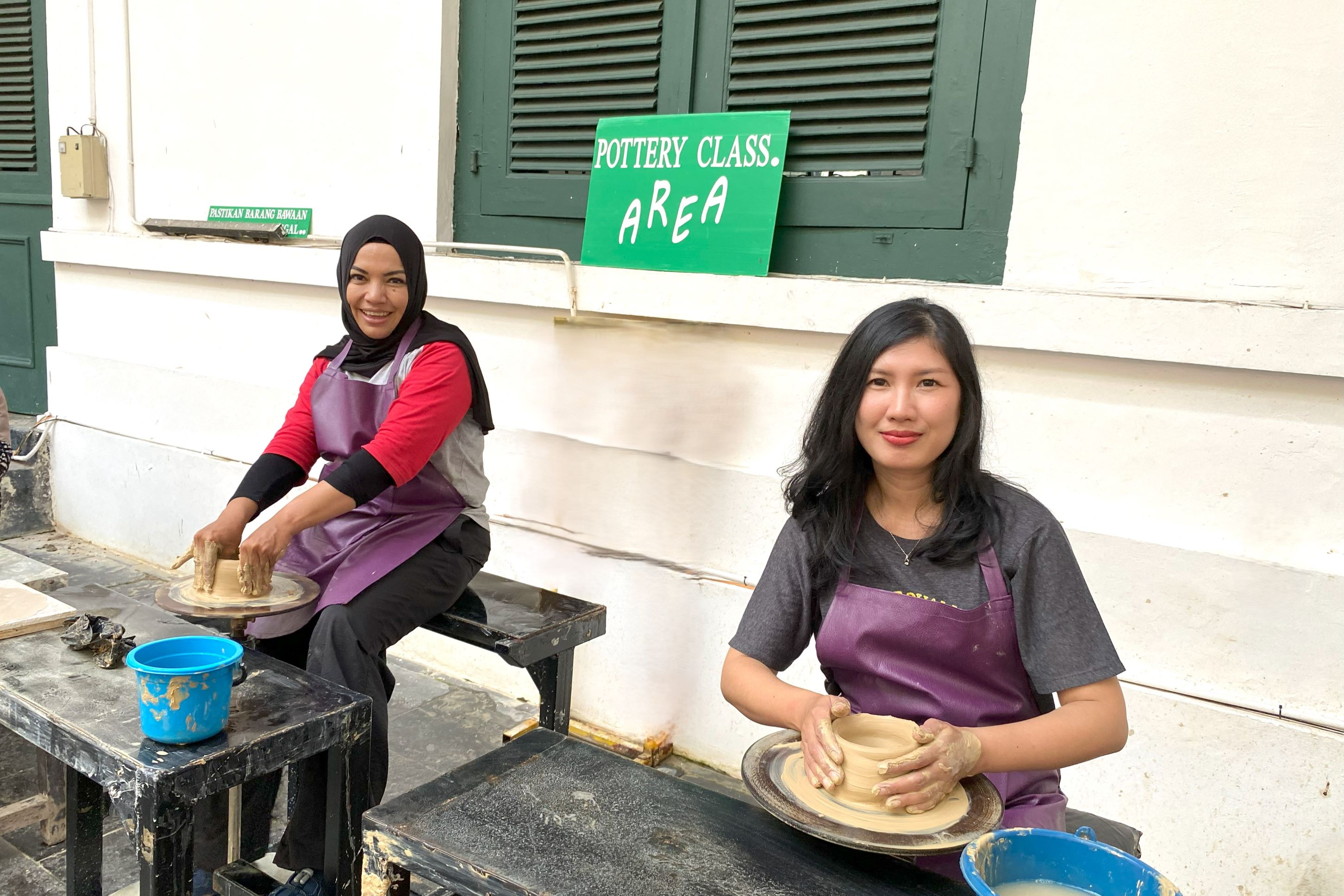
There you will learn how to draw Batik pattern, using the canting (bamboo scoop used for applying wax in cloth), and coloring the Batik.
Available options
Batik Heritage Introduction Class with Lunch & Souvenir
Pickup included
What's included
Private transportation
Travel Insurance for all customers
Bottled water
Profesional Licenced English Guide & Driver
Lunch
All Ticket for entrance
FREE Souvenir Gift
Detailed itinerary
1
batik textile production during a guided tour of the Textile Museum in Palmerah. Your private driver shuttles you to the illustrious museum, where you can admire woven Javanese masterpieces and participate in a batik workshop, hand-dyeing a textile to carry home with you.
2
Stop 2
The National Monument (Indonesian: Monumen Nasional, abbreviated Monas) is a 132 m (433 ft) tower in the centre of Merdeka Square, Central Jakarta, symbolizing the fight for Indonesia. It is the national monument of the Republic of Indonesia, built to commemorate the struggle for Indonesian independence.
3
Istiqlal Mosque (Indonesian: Masjid Istiqlal, lit. 'Independence Mosque') in Jakarta, Indonesia is the largest mosque in Southeast Asia and the third largest Sunni mosque in term of capacity.This national mosque of Indonesia was built to commemorate Indonesian independence and named "Istiqlal", an Arabic word for "independence".
What's not included
Pickup & Drop off at OUTSIDE Jakarta area
Tipping for Guide & Driver
Available languages
Guide guide
EN
Reviews breakdown
Viator
5.0
1 reviews
5★
1
4★
0
3★
0
2★
0
1★
0
Tripadvisor
5.0
11 reviews
5★
11
4★
0
3★
0
2★
0
1★
0
Important information
Suitable for all physical fitness levels
Important notes
Please print out your ticket voucher or show to the guide electronic ticket
About Jakarta
Jakarta, the bustling capital of Indonesia, is a vibrant metropolis where modern skyscrapers coexist with traditional markets and colonial-era buildings. Known for its dynamic street life, rich culinary scene, and historic landmarks, Jakarta offers a unique blend of cultural experiences and contemporary urban living.
Top Attractions
National Monument (Monas)
The National Monument, commonly known as Monas, is an iconic symbol of Jakarta. It features a 137-meter obelisk topped with a golden flame and a museum at its base.
Historical
1-2 hours
IDR 4,000 (museum only)
Istiqlal Mosque
The Istiqlal Mosque is the largest mosque in Southeast Asia and a significant religious and architectural landmark in Jakarta.
Religious
1 hour
Free
Kota Tua (Old Town)
Kota Tua, or Old Town, is a historic area in Jakarta that showcases the city's colonial past with well-preserved buildings, museums, and cultural sites.
Historical
Half day
IDR 5,000 - 10,000 for museums
Taman Mini Indonesia Indah
Taman Mini Indonesia Indah is a cultural park that showcases the diversity of Indonesian culture, traditions, and architecture through various pavilions and exhibits.
Cultural
Half day to full day
IDR 15,000
Ancol Dreamland
Ancol Dreamland is a popular resort and entertainment complex offering a variety of attractions, including an amusement park, water park, and beach.
Entertainment
Full day
IDR 50,000 - 200,000 depending on attractions
Must-Try Local Dishes
Nasi Goreng
Fried rice cooked with sweet soy sauce, shallots, garlic, tamarind, and chili, often served with a fried egg and prawn crackers.
Lunch/Dinner
Can be made vegetarian or vegan.
Sate
Grilled skewered meat, typically chicken, beef, or pork, served with peanut sauce.
Snack/Dinner
Available with various types of meat and vegetarian options.
Soto Betawi
A traditional Jakarta soup made with beef or cow offal, coconut milk, and spices, served with rice and condiments.
Lunch/Dinner
Contains beef or cow offal.
Gado-Gado
A traditional Indonesian salad made with vegetables, tofu, and boiled eggs, served with peanut sauce.
Lunch/Dinner
Vegetarian and vegan options available.
Popular Activities
Hiking in the surrounding mountains and nature reserves
White-water rafting in nearby rivers
Spa and wellness treatments in luxury resorts
Strolling through parks and gardens
Exploring historic sites and museums
Attending traditional performances and festivals
Beach activities at Ancol Dreamland
Boat tours and water sports
Best Time to Visit
May to September
This is the dry season, with lower humidity and less rainfall, making it ideal for outdoor activities and sightseeing. The weather is generally pleasant, and it's the most popular time for tourists.
24-32°C
75-90°F
Practical Information
Language
- Official: Indonesian
- Widely spoken: English, Javanese, Sundanese
- English: Moderately spoken in urban areas, limited in rural areas
Currency
Indonesian Rupiah (IDR)
Time Zone
GMT+7
Electricity
220VV, 50HzHz
Safety Information
Overall Safety Rating: Exercise caution
Jakarta is generally safe for tourists, but petty crime, traffic accidents, and occasional political demonstrations can pose risks. Be aware of your surroundings and take necessary precautions.
Important Precautions:
- • Keep valuables secure and out of sight.
- • Use reputable transportation services and avoid unmarked taxis.
- • Be cautious when using ATMs, especially at night.
Getting there
By air
- Soekarno-Hatta International Airport • 20 km from city center
- Halim Perdanakusuma Airport • 15 km from city center
By train
Gambir Station, Jatinegara Station
By bus
Pulo Gebang Bus Terminal, Leuwipang Bus Terminal
Getting around
Public transport
A dedicated bus rapid transit system with dedicated lanes, offering a more efficient way to navigate the city.
Taxis
Available • Apps: Gojek, Grab
Rentals
Car, Bike, Scooter
Neighborhoods
Menteng
Kemang
Kebayoran Baru
Glodok
Day trips
Bandung
150 km from Jakarta • Full day to overnight
Bandung, the capital of West Java, is known for its cool climate, colonial architecture, and vibrant arts and culture scene. It's a popular destination for shopping, dining, and exploring nature.
Bogor
60 km from Jakarta • Half day to full day
Bogor is a city known for its lush greenery, historic sites, and pleasant climate. It's home to the Bogor Botanical Gardens and the Istana Bogor presidential palace.
Puncak
90 km from Jakarta • Full day
Puncak is a mountainous area known for its cool climate, tea plantations, and scenic views. It's a popular destination for hiking, camping, and enjoying nature.
Festivals
Jakarta Fair (Pekan Raya Jakarta) • Early June to early July
Jakarta International Java Jazz Festival • Late February to early March
Idul Fitri (Eid al-Fitr) • Varies (depends on the Islamic lunar calendar)
Pro tips
- Learn a few basic Indonesian phrases to enhance your experience and connect with locals.
- Use ride-hailing apps like Gojek or Grab for convenient and affordable transportation.
- Carry small denominations of Indonesian Rupiah for street food, markets, and tipping.
- Plan your visits to popular attractions during off-peak hours to avoid crowds and long lines.
- Stay hydrated and protect yourself from the sun, as Jakarta's hot and humid climate can be challenging.
From $25
per person
Price varies by option
Secure booking
Free cancellation available
Instant confirmation