Group Jeep Tour Discover Hanoi
Active
4h - 5h
For a full refund, cancel at least 24 hours before the scheduled departure time.
Instant confirmation
Mobile or paper ticket accepted
About this experience
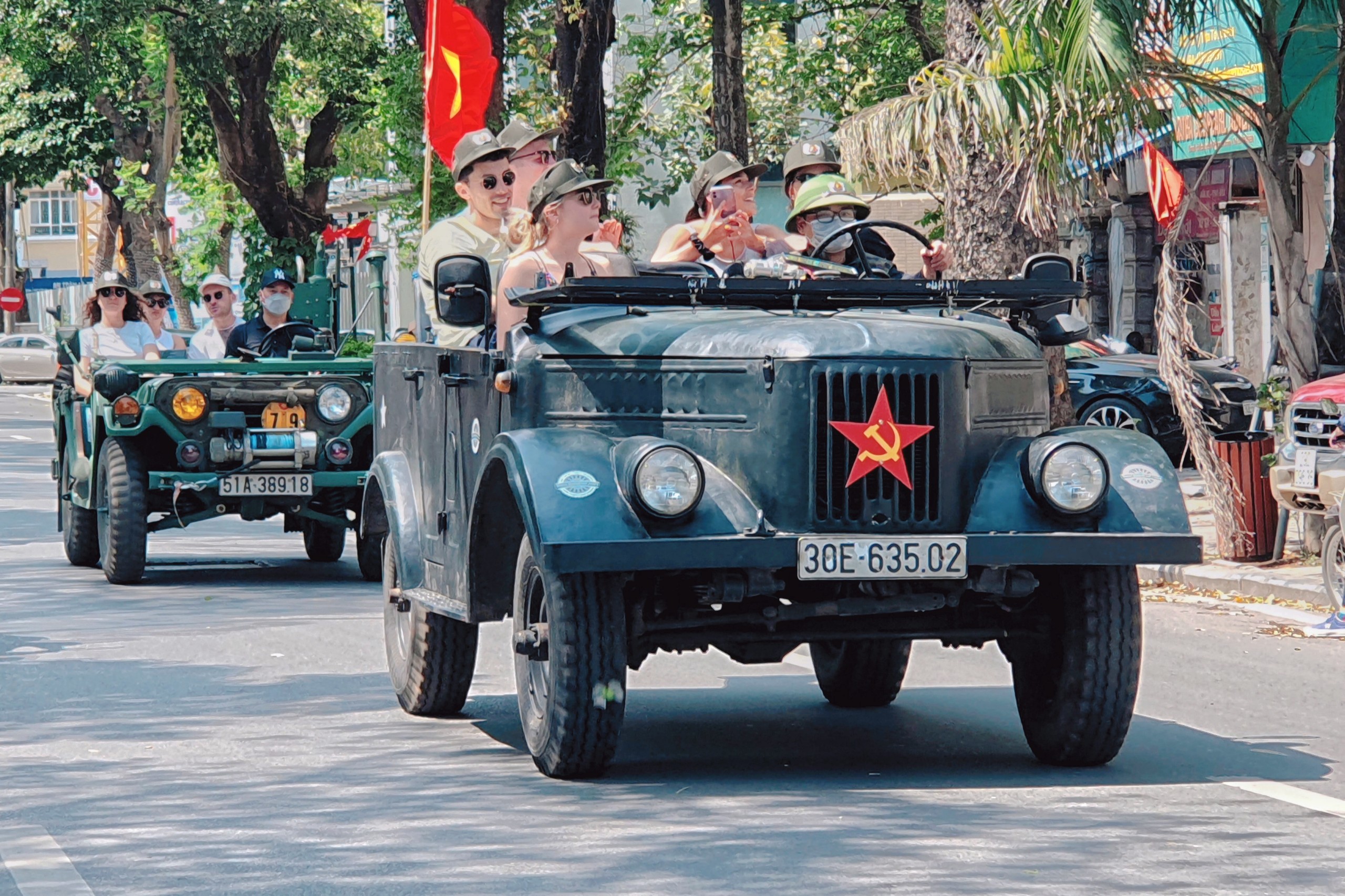
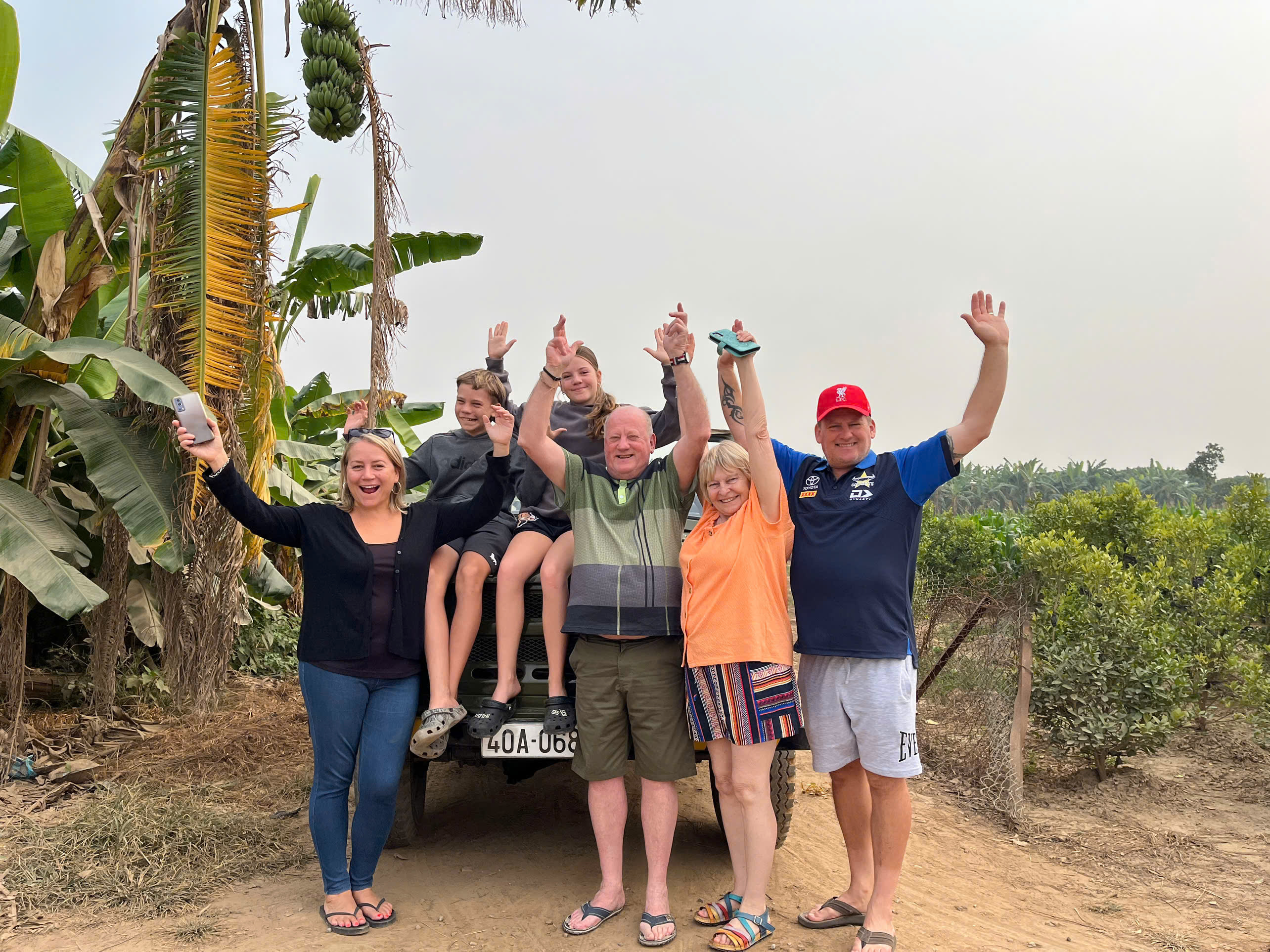
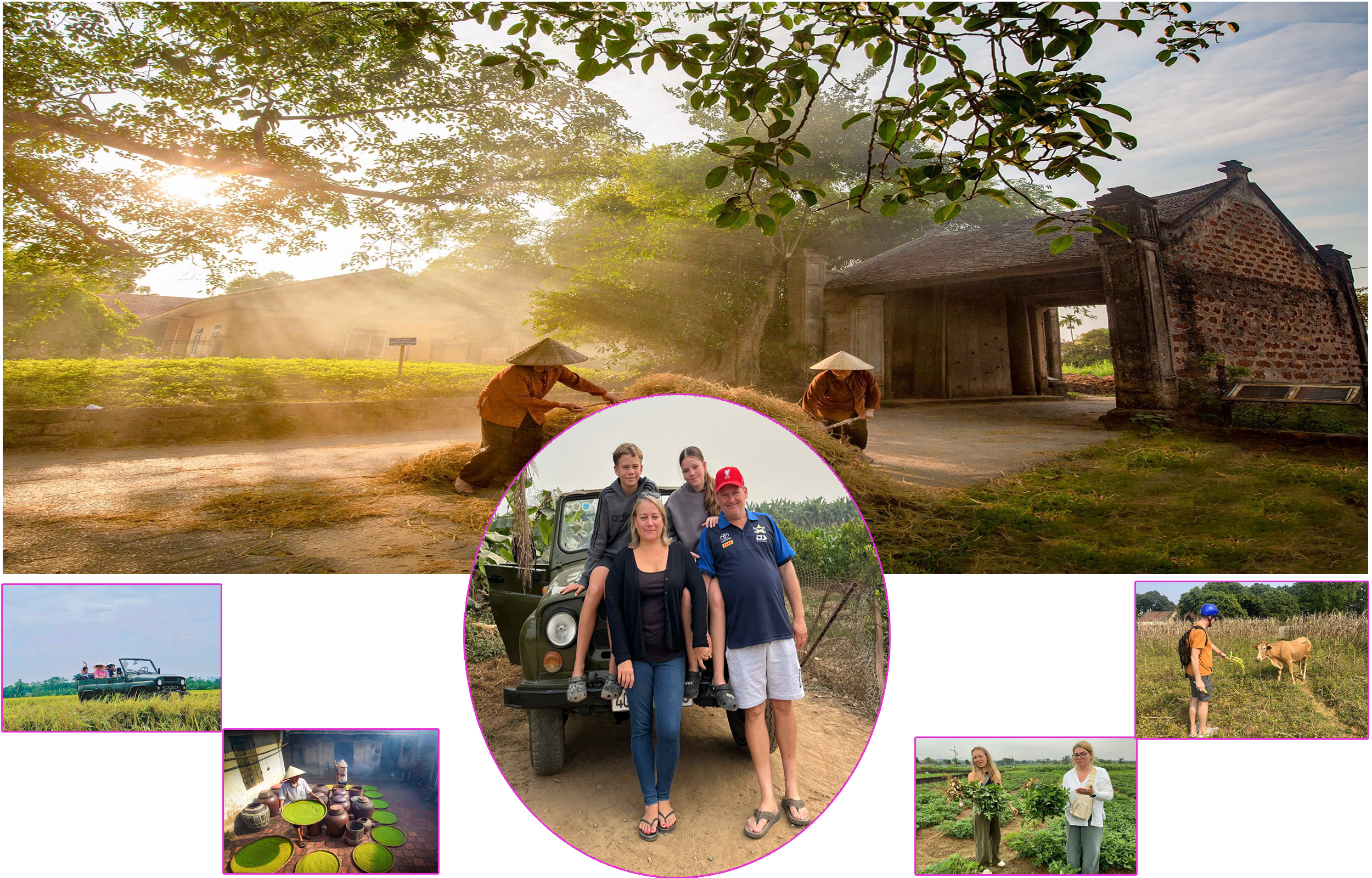
Jeep tour is one of special experience which you can enjoy one very old car without roof, you can feel very hot under summer day or raining day although we have roofs if some guests don’t want to try, it opens space for you can look all on the street or special places as train street how to dangerous you and train only a bit distance, drink coffee near the train street, see people live near the train street, visit the pagoda to learn big religion in Vietnam, try to enjoy so different experience between old car and modern car. Enjoy cuisine from street food, taste local dishes and learn from local life.
Available options
Group Jeep Tour Discover Hanoi
Pickup included
What's included
Lunch
Coffee and/or Tea
Detailed itinerary
1
Stop 1
Our Hanoi City Insight Jeep Tours will take you through the twisting maze of back streets and alleyways of Hanoi’s deepest districts, to the huge cityscapes and exquisite architecture that line the main streets. Our skilled guides will tell you stories about Hanoi’s rich history and intriguing facts as you go through the city. From the world-famous opera theater to the wreckage of a B-52 “Flying Fortress” aircraft that was discovered in a little lake. We’ll get a glimpse into the lives of the inhabitants and visit lively markets that are alive with activity.
2
Stop 2
The second leg of our Hanoi City Insight Jeep Tours takes you away from the city’s rush and bustle and into the quieter, more contemplative side of Hanoi around the West Lake’s shoreline, where you may cool off in the cool wind before returning to the small lanes that lead to the famed Reunification Train Street. We will stop by a local family and get the opportunity to speak with the owner, who is a war veteran, about his fascinating anecdotes about our country, from his boyhood to current Vietnam and its legacy, as well as learn more about Vietnamese culture and customs.
3
Stop 3
Our whirlwind tour comes to an end as we return to the city to rest and recover on the final part of our Hanoi City Insight Jeep Tours. Your trip will conclude with lunch at an authentic cuisine and a stop at a local café known for its Vietnamese egg coffee.
4
Stop 4
After picking you up all of you get on the Jeep, we are going to long bien bridge it is the oldest bridge in Hanoi was built by a friend more than 100 years 1899 - 1902 by the architects dayde & pille of Paris, and opened in 1903. before north Vietnam is independence in 1954.
5
Hundred years old train tracks running through the heart of Hanoi’s old town have recently become an interesting attractions – Hanoi train street, for travelers to Hanoi, especially foreigners. Sitting at a cafe in line with the railway, watching the lives of local people, though potentially dangerous, still makes many curious visitors want to experience.
Unfortunately when you read this, the Train Street and all cafe next to the railway were closed by the local administrator for the visitors’ safety! But if you come there on your own for some nice pictures, it’s NO problem at all!
6
Stop 6
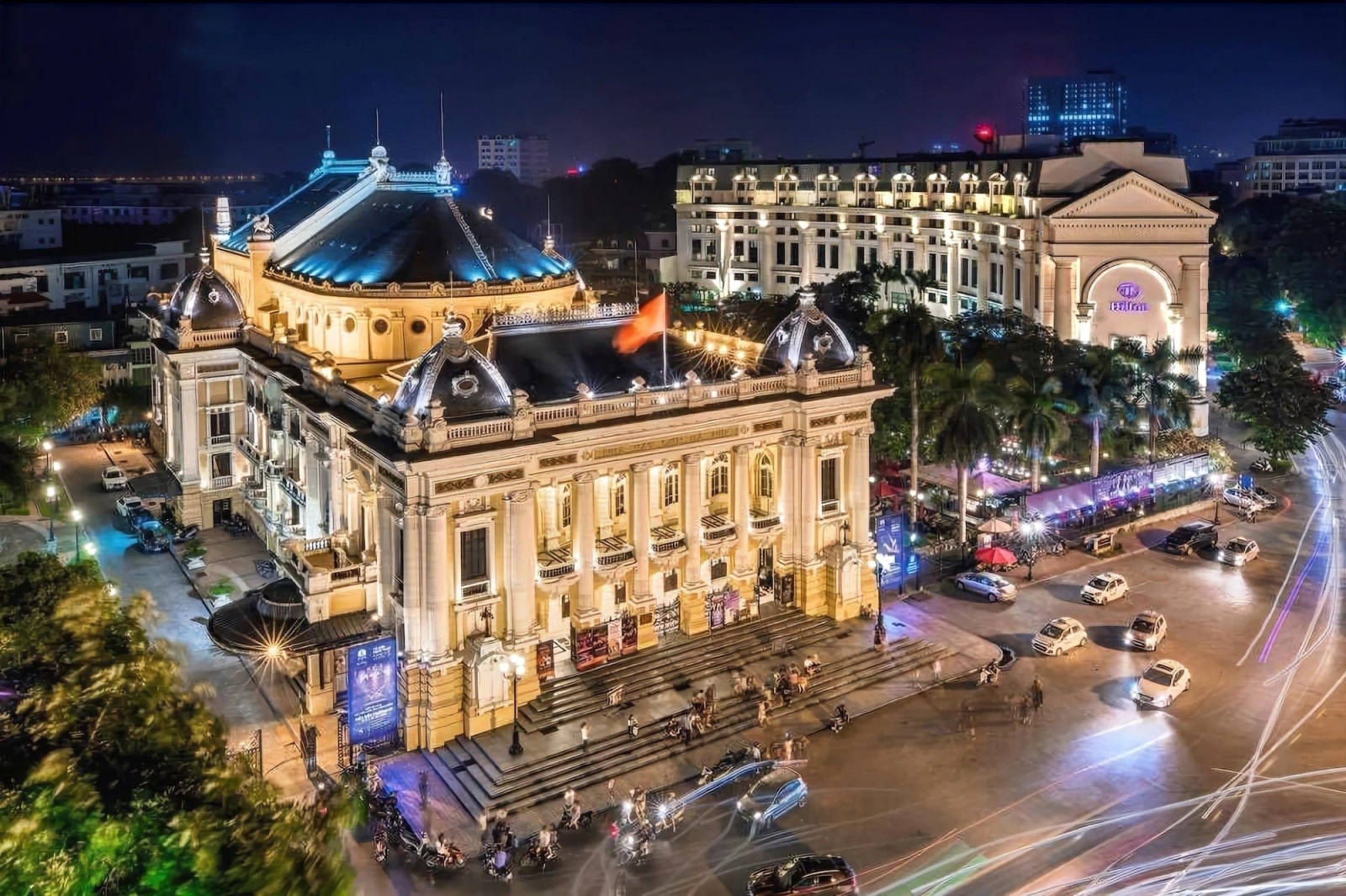
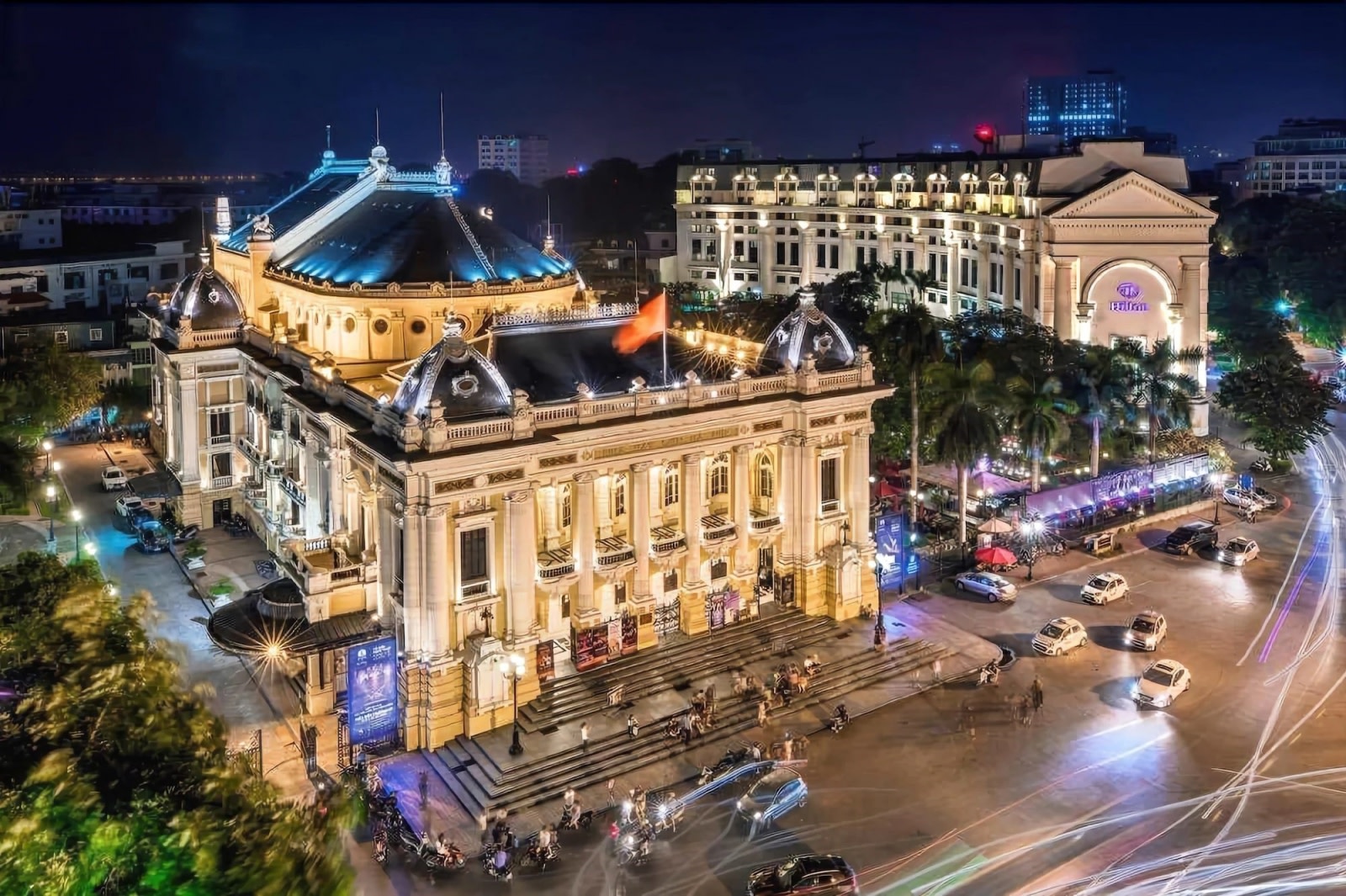
The Hanoi Opera House (French: Opéra de Hanoï), or the Grand Opera House (Vietnamese: Nhà hát lớn Hà Nội, French: Grand Opéra) is an opera house in central Hanoi, Vietnam. It was erected by the French colonial administration between 1901 and 1911. Hanoi Opera House is one of three opera houses that the French built during their time in Indochina, the others are Haiphong Opera House and Municipal Theatre in Ho Chi Minh city.
7
Stop 7
Pass by
The President Ho Chi Minh Mausoleum (Vietnamese: Lăng Chủ tịch Hồ Chí Minh) is a mausoleum which serves as the resting place of Vietnamese revolutionary leader and President Ho Chi Minh in Hanoi, Vietnam.[1][2] It is a large building located in the center of Ba Dinh Square, where Ho, Chairman of the Workers' Party of Vietnam from 1951 until his death in 1969, read the Declaration of Independence on 2 September 1945, establishing the Democratic Republic of Vietnam. It is open to the public every morning except Monday.[3]
8
Stop 8
St. Joseph's Cathedral (Vietnamese: Nhà thờ Lớn Hà Nội, Nhà thờ Chính tòa Thánh Giuse; French: Cathédrale Saint-Joseph d'Hanoï) is a Catholic church on Nhà Chung Street, in the Hoàn Kiếm District of Hanoi, Vietnam. It is a late 19th-century Gothic Revival (Neo-Gothic style) church that serves as the cathedral of the Roman Catholic Archdiocese of Hanoi. The cathedral is named after Joseph, the patron saint of Vietnam.
Construction began in 1884, with an architectural style resembling the Notre Dame de Paris. The church was one of the first structures built by the French colonial government in French Indochina when it opened in December 1886. It is the oldest church in Hanoi.[1]
The cathedral conducts Mass several times during the day. For Sunday evening mass at 6:00 PM, large crowds spill out into the streets. The prayer hymns are broadcast; Catholics who are unable to enter the cathedral congregate in the street and listen to hymns.[2]
9
Stop 9
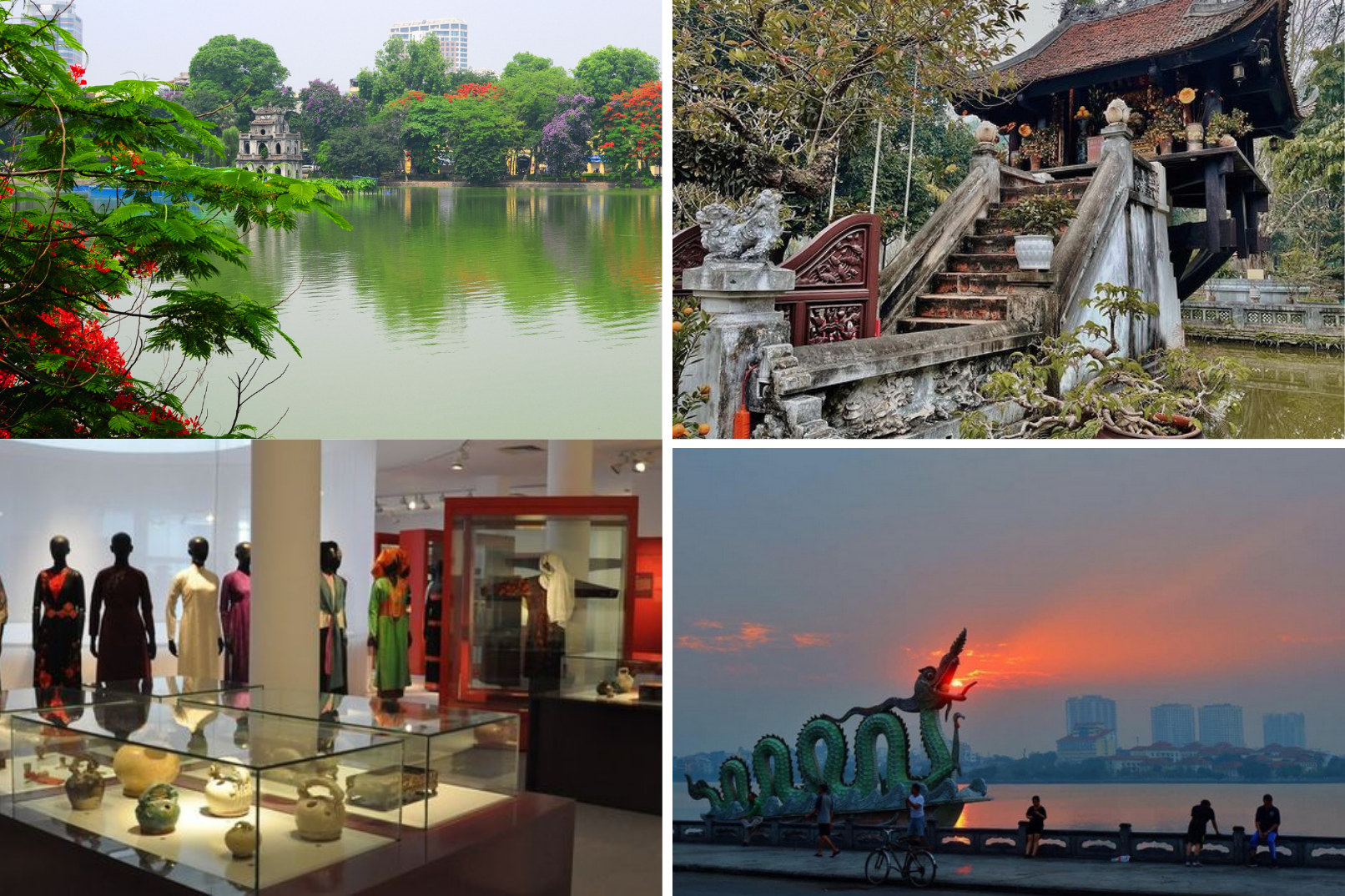
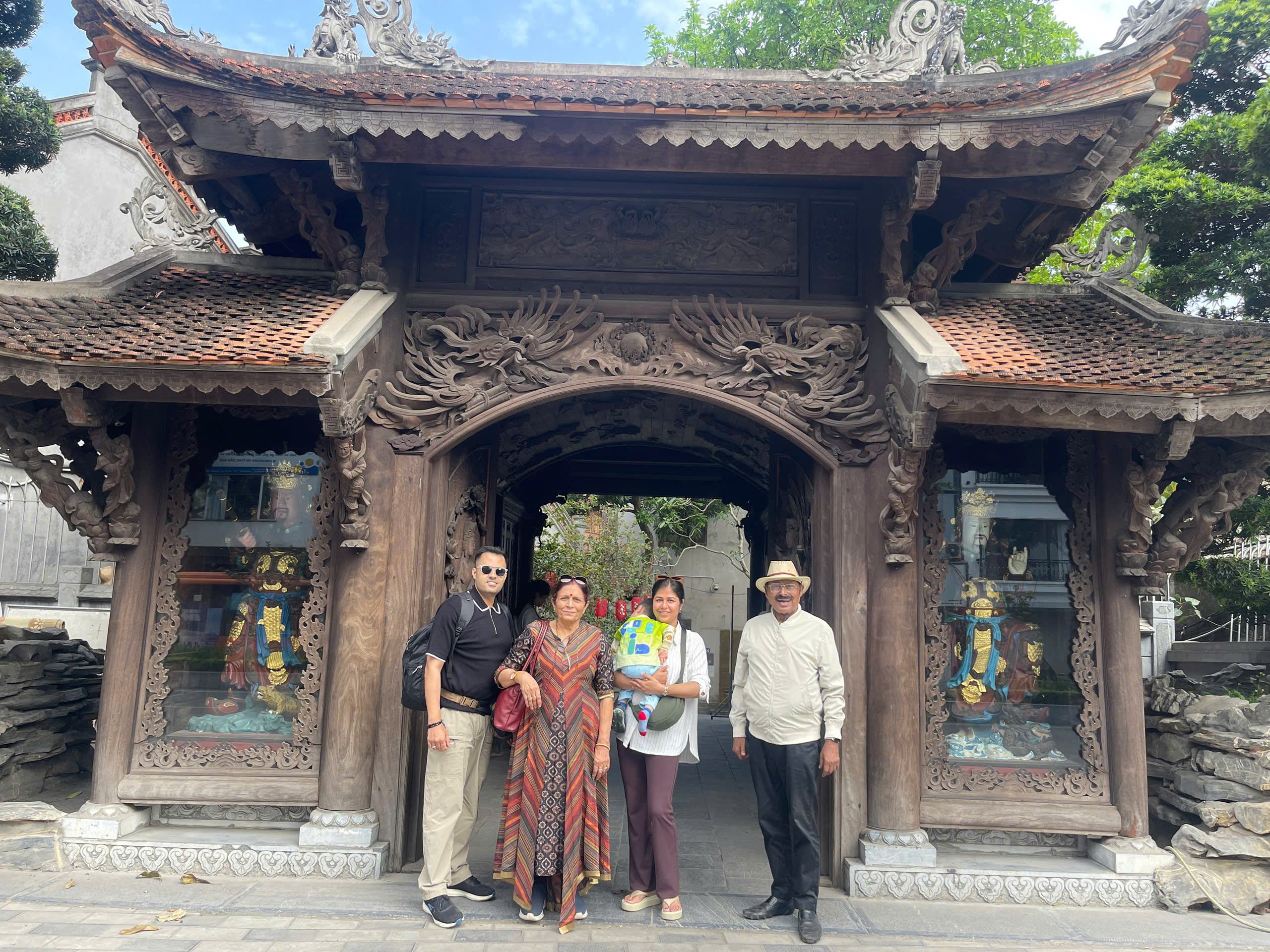
The Trấn Quốc Pagoda in Hanoi is the oldest pagoda in the city, originally constructed in the sixth century during the reign of Emperor Lý Nam Đế (from 544 until 548), thus giving it an age of more than 1,500 years. When founded the temple was named Khai Quốc (National Founding) and was sited on the shores of the Red River, outside of the Yên Phụ Dyke. When confronted with the river's encroachment, the temple was relocated in 1615 to Kim Ngư (Golden Fish) islet of Hồ Tây (West Lake) where it is now situated. A small causeway links it to the mainland. The last major repair to the temple was undertaken in 1815 when the main sanctuary, reception hall and posterior hall of the dead were renovated.
10
Stop 10
The Old Quarter (Vietnamese: Phố cổ Hà Nội) is the name commonly given to the historical civic urban core of Hanoi, located outside the Imperial Citadel of Thăng Long. This quarter used to be the residential, manufacturing and commercial center, where each street was specialized in one specific type of manufacturing or commerce.
Another common name referring to approximately the same area is the 36 streets (Vietnamese: Hà Nội 36 phố phường), after the 36 streets or guilds that used to make up the urban area of the city, we walk and discover street food.
What's not included
Gratuities
Personal Expense
Available languages
Guide guide
EN
Reviews breakdown
Tripadvisor
5.0
2 reviews
5★
2
4★
0
3★
0
2★
0
1★
0
Important information
Wheelchair accessible
Infants and small children can ride in a pram or stroller
Infants are required to sit on an adult’s lap
Transportation options are wheelchair accessible
All areas and surfaces are wheelchair accessible
Suitable for all physical fitness levels
Meeting point
Please contact us ahead of time. We can pick you up at your hotel or arrange a meeting point where you can come and the vehicle can park.
Furthermore, we could agree on a location to drop you off after the trip or carry you directly to your hotel.
About Hanoi
Hanoi, the capital of Vietnam, is a vibrant city steeped in history and culture. Known for its French colonial architecture, bustling Old Quarter, and rich culinary scene, Hanoi offers a unique blend of traditional and modern experiences.
Top Attractions
Hoan Kiem Lake
Hoan Kiem Lake is a serene oasis in the heart of Hanoi, surrounded by lush greenery and historical landmarks. The lake is a popular spot for locals and tourists to relax and enjoy the scenery.
Nature
1-2 hours
Free
Hanoi Old Quarter
The Old Quarter is the historic and cultural heart of Hanoi, featuring narrow streets lined with traditional shops, temples, and colonial-era architecture. It's a vibrant area with a rich history and bustling atmosphere.
Historical
Half day to full day
Free to explore, shopping and dining vary
Temple of Literature
The Temple of Literature is a historic Confucian temple dedicated to education and literature. It's a serene and culturally significant site, featuring beautiful architecture and a peaceful garden.
Historical
1-2 hours
30,000 VND
Ho Chi Minh Mausoleum
The Ho Chi Minh Mausoleum is a significant historical site where the embalmed body of Vietnam's revolutionary leader, Ho Chi Minh, is displayed. The mausoleum is a place of pilgrimage and a symbol of Vietnam's history.
Historical
1-2 hours
Free
Hanoi Opera House
The Hanoi Opera House is a stunning example of French colonial architecture, featuring elegant design and a rich history. It's a popular venue for cultural performances and events.
Architecture
1-2 hours for a performance
Varies by event
Must-Try Local Dishes
Pho
A traditional Vietnamese noodle soup with a flavorful broth, rice noodles, and thinly sliced meat, typically beef or chicken.
Lunch/Dinner
Can be made vegetarian or vegan
Bun Cha
Grilled pork patties served with rice noodles, fresh herbs, and a dipping sauce.
Lunch/Dinner
Contains meat
Banh Mi
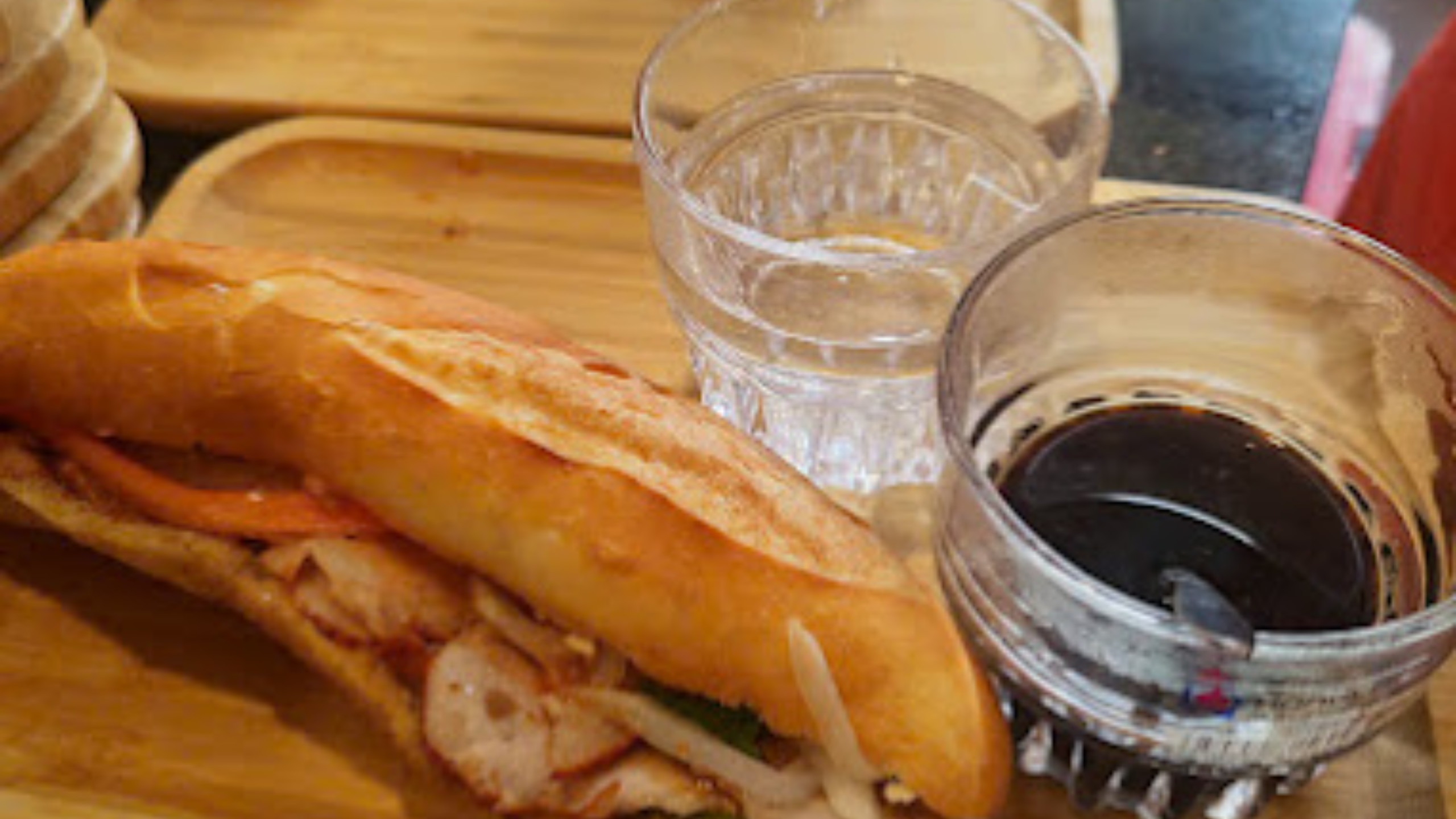
A Vietnamese sandwich with a crispy baguette, filled with various ingredients such as grilled meat, pâté, pickled vegetables, and fresh herbs.
Snack/Lunch
Can be made vegetarian or vegan
Egg Coffee
A unique Vietnamese coffee made with strong drip coffee, condensed milk, and a frothy egg yolk mixture.
Drink
Contains eggs and dairy
Popular Activities
Kayaking in Ha Long Bay
Trekking in Sapa
Boat ride in Hoan Kiem Lake
Coffee at a local café
Exploring the Temple of Literature
Visiting the Ho Chi Minh Mausoleum
Swimming and snorkeling in Ha Long Bay
Egg coffee tasting
Best Time to Visit
October to December
This period offers pleasant weather with lower humidity and temperatures, making it ideal for sightseeing and outdoor activities. The city is less crowded compared to the peak tourist season.
15°C to 25°C
59°F to 77°F
Practical Information
Language
- Official: Vietnamese
- Widely spoken: English, French
- English: Moderately spoken in tourist areas, limited in other areas
Currency
Vietnamese Dong (VND)
Time Zone
GMT+7
Electricity
220VV, 50HzHz
Safety Information
Overall Safety Rating: Generally safe
Hanoi is generally safe for travelers, with low crime rates and a welcoming atmosphere. However, petty crime and scams can occur, and travelers should exercise caution and be aware of their surroundings.
Important Precautions:
- • Be cautious of your belongings, particularly in crowded areas and on public transportation.
- • Use reputable taxi companies and insist on using the meter or agree on a price before starting your journey.
- • Be wary of strangers offering help or services, as they may be trying to scam you.
Getting there
By air
- Noi Bai International Airport • 28 km from city center
By train
Hanoi Railway Station
By bus
Giap Bat Bus Station, My Dinh Bus Station
Getting around
Public transport
The bus system in Hanoi is affordable and covers most of the city. However, it can be crowded and confusing for first-time visitors.
Taxis
Available • Apps: Grab, Gojek
Rentals
Car, Bike, Scooter
Neighborhoods
Old Quarter
French Quarter
Ba Dinh District
Tay Ho District
Day trips
Ha Long Bay
165 km from Hanoi • Full day to overnight
Ha Long Bay is a UNESCO World Heritage Site known for its stunning limestone karsts and islets, emerald waters, and scenic beauty. It's a popular destination for cruises, kayaking, and exploring caves.
Ninh Binh
90 km from Hanoi • Full day
Ninh Binh is known as 'Halong Bay on land' due to its stunning limestone karsts, rice paddies, and historic sites. It's a popular destination for cycling, boat rides, and exploring ancient temples.
Sapa
320 km from Hanoi • Overnight to multi-day
Sapa is a mountainous region known for its stunning rice terraces, ethnic minority villages, and trekking opportunities. It's a popular destination for outdoor enthusiasts and cultural experiences.
Festivals
Tet Nguyen Dan (Lunar New Year) • January or February (based on the lunar calendar)
Mid-Autumn Festival • September or October (based on the lunar calendar)
Hanoi International Film Festival • October or November (annual)
Pro tips
- Learn a few basic Vietnamese phrases to enhance your experience and connect with locals.
- Explore the city's hidden gems and lesser-known attractions, such as the Hanoi Ceramic Mosaic Mural and the Temple of Literature.
- Try local street food and visit markets for an authentic and delicious culinary experience.
- Use a navigation app, such as Google Maps or GrabMaps, to help you get around the city and avoid getting lost.
- Be cautious of your belongings, particularly in crowded areas and on public transportation, to avoid petty crime and scams.
From $25
per person
Price varies by option
Secure booking
Free cancellation available
Instant confirmation