Private Huangshan Day Tour with Qiyun Mountain and Hui Culture Experience
Active
8h
For a full refund, cancel at least 24 hours before the scheduled departure time.
Instant confirmation
Mobile or paper ticket accepted
About this experience
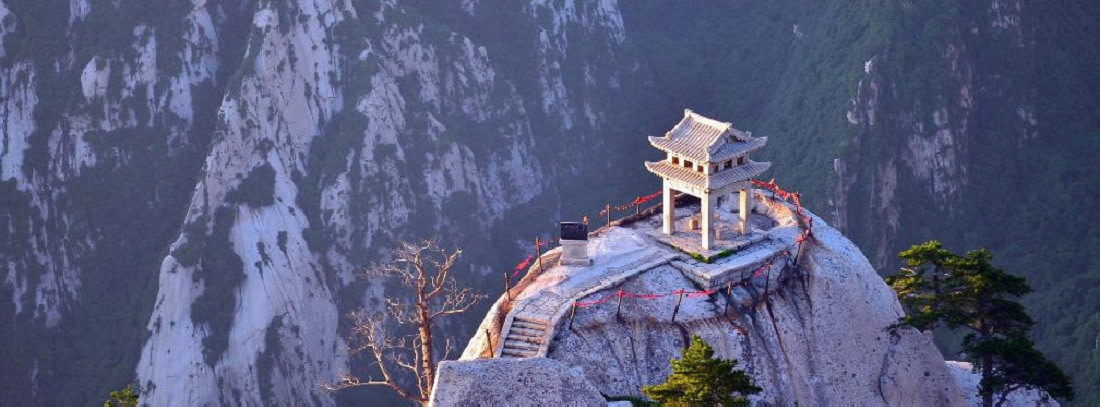
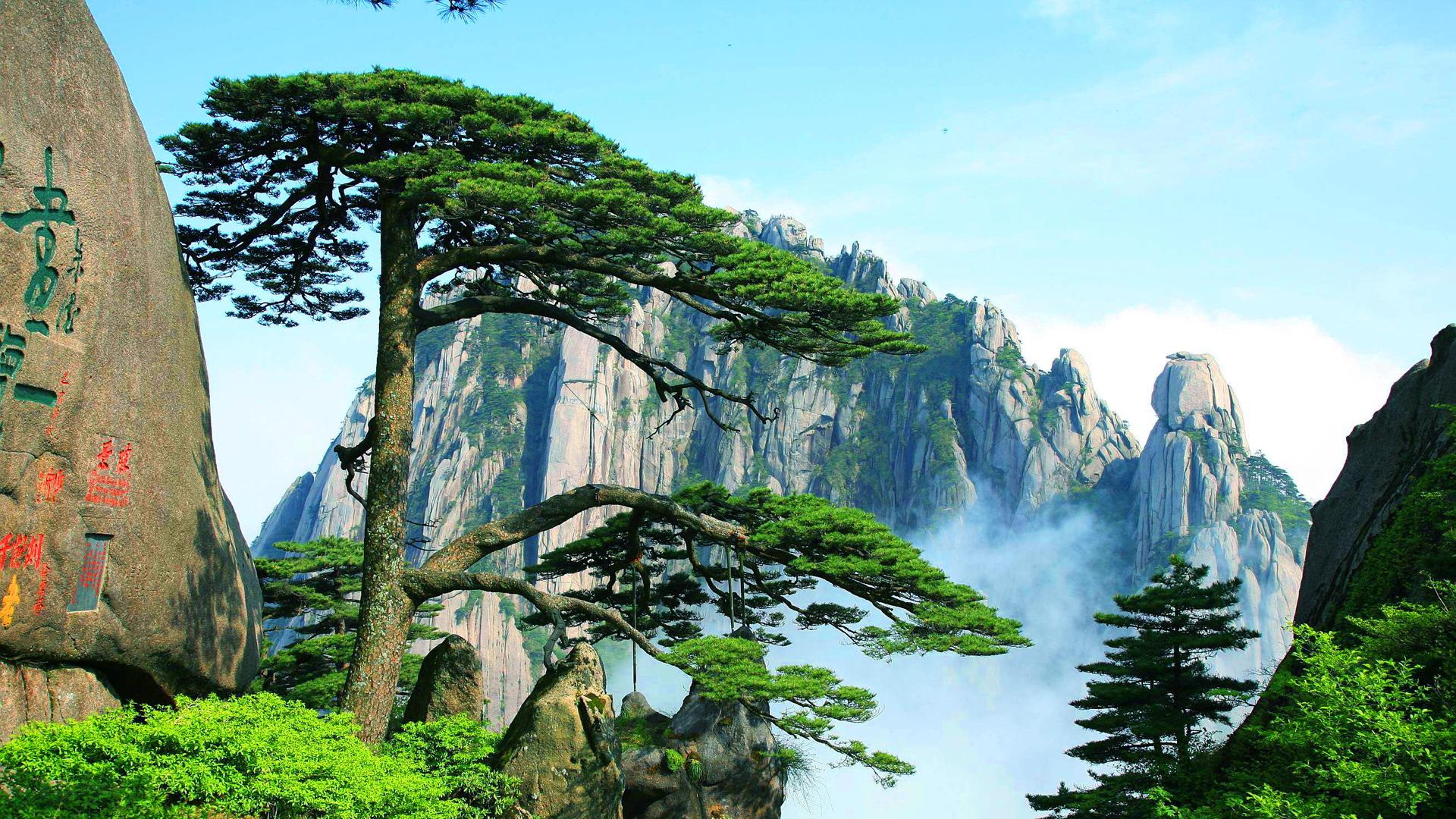
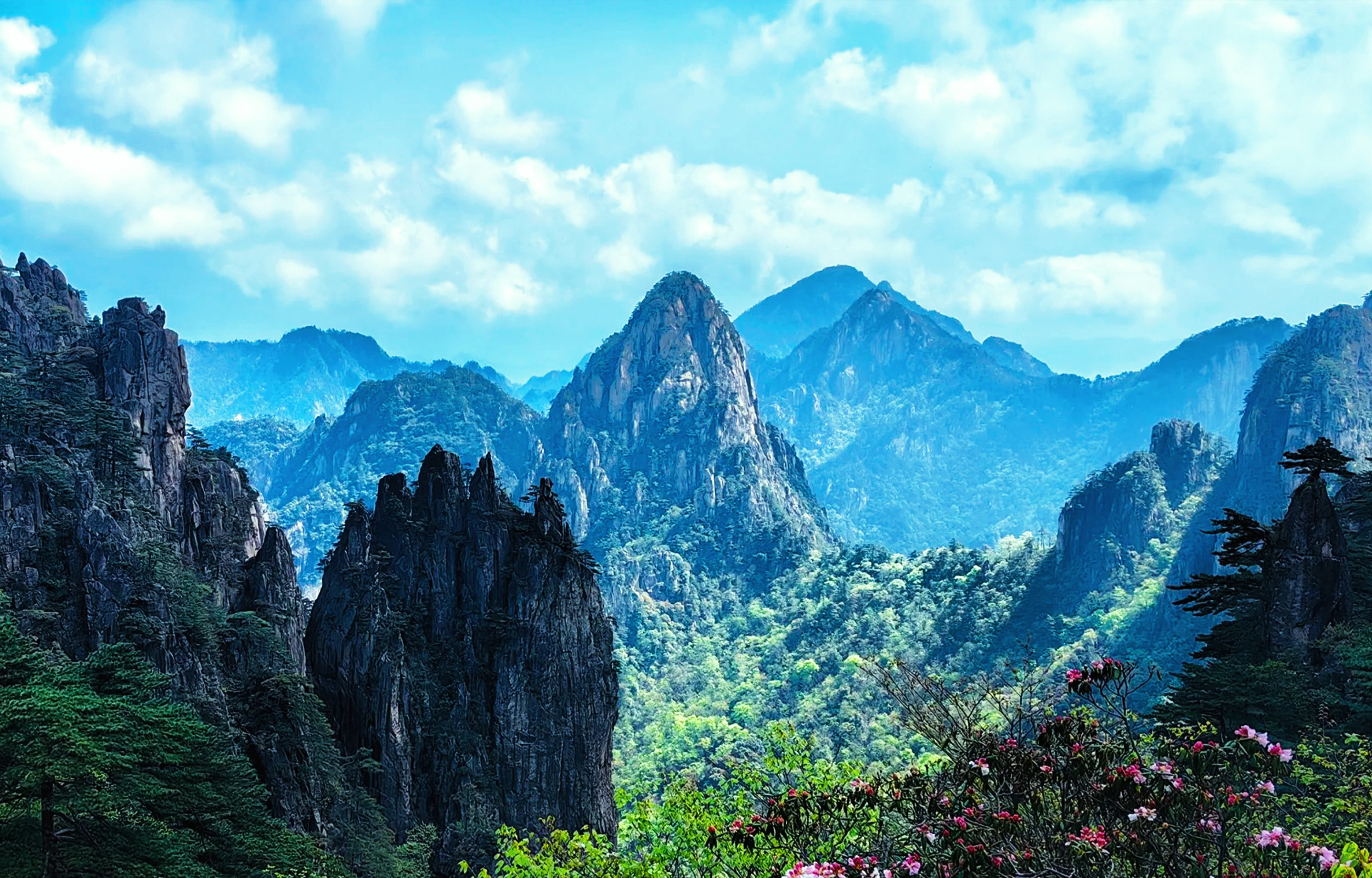
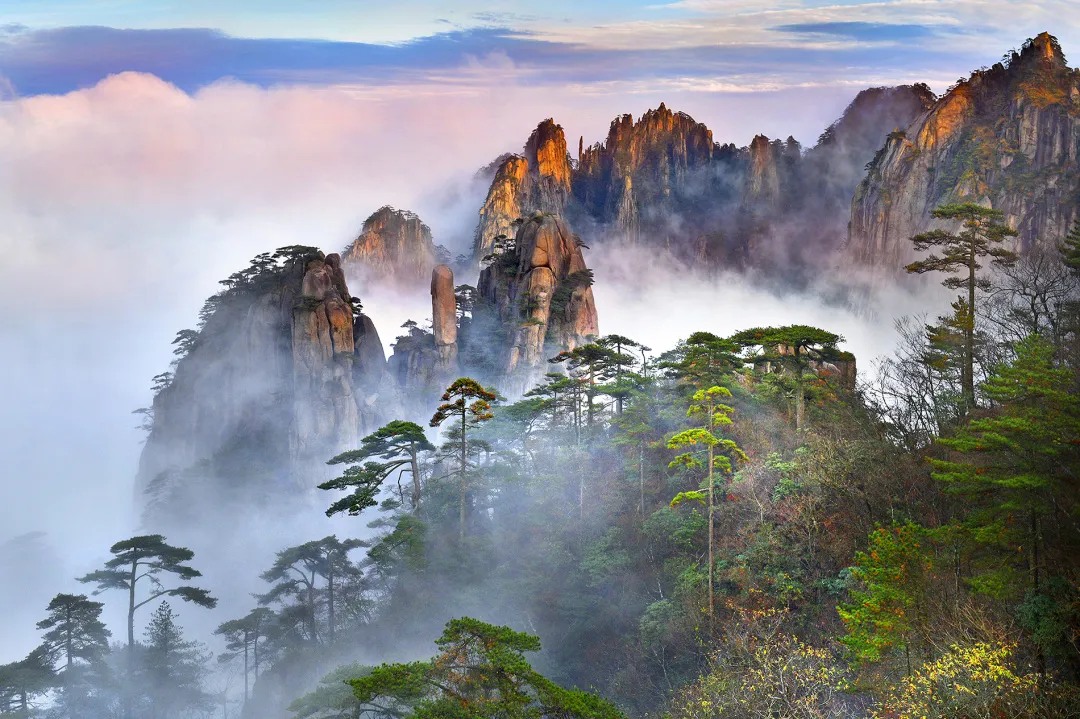
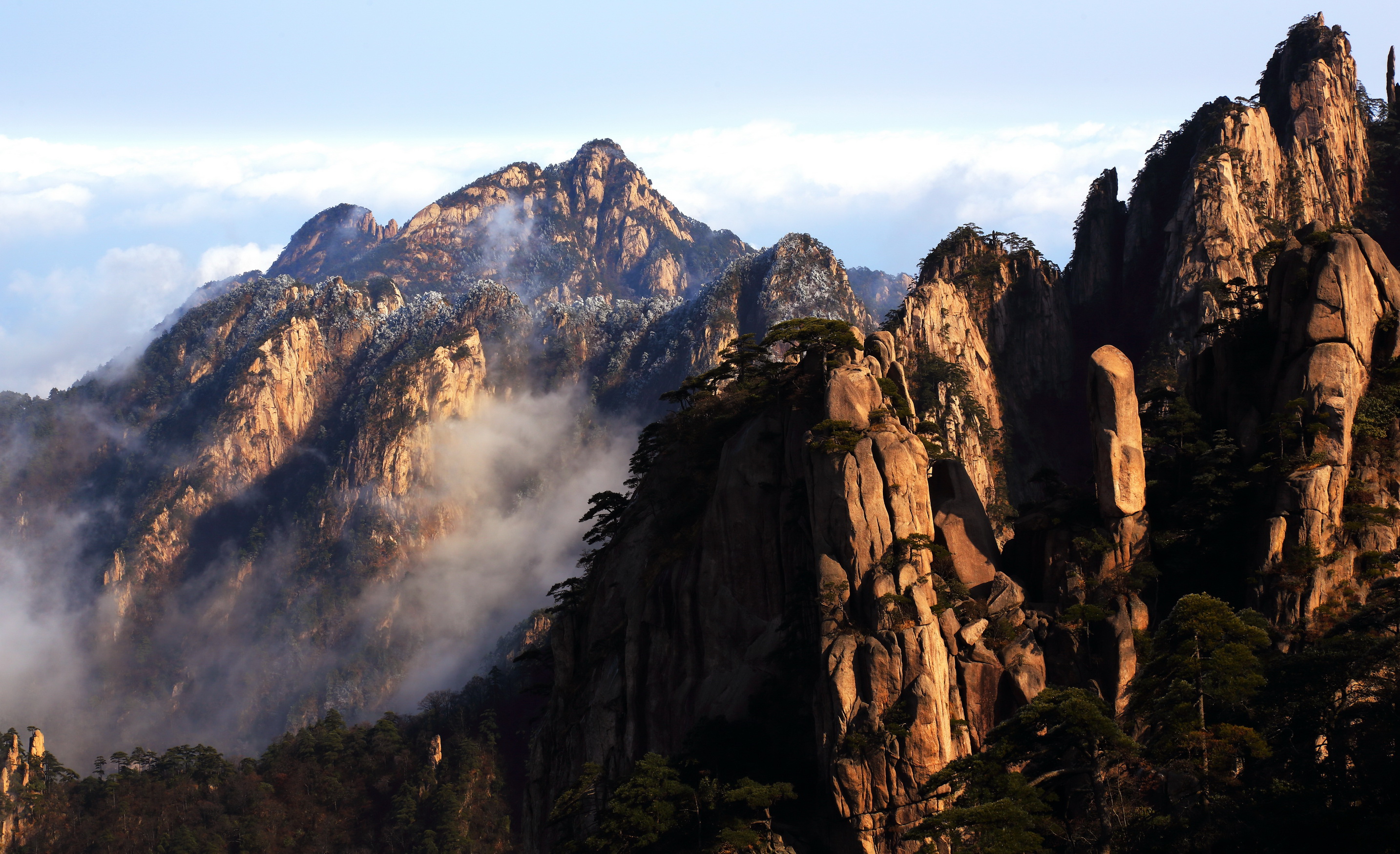
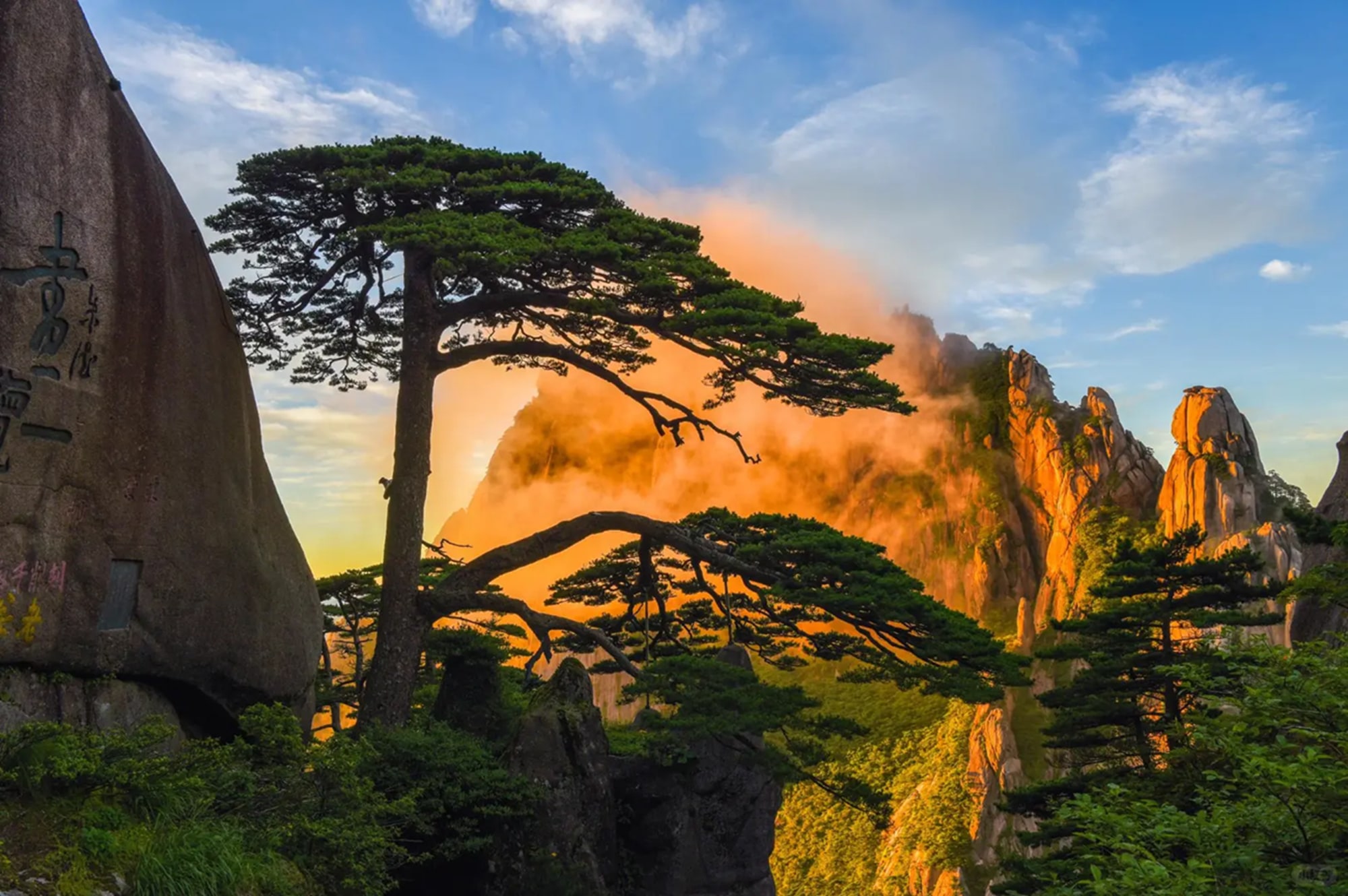
This off-the-beaten-track Huangshan tour will take you to enjoy awesome mountain scenery and appreciate glorious history of Huizhou and Taoism culture and compass culture. Although Qiyun Mountain is not famous as Huangshan Mountain, its natural scenery and cultural significance are no less impressive than Huangshan Mountain. In addition to the mountain, we also arrange Wanan Compass Culture Museum and Huizhou Culture Museum. Have you gotten itchy feet to explore the vast and varied China? Huangshan definitely deserves to be included in your wish list, and this tour will give you a memorable experience.
Available options
per person price
Pickup included
What's included
Chinese style lunch
Cable cars up and down Qiyun Mountain
Professional English-speaking tour guide
Admission tickets (main gate) for all attractions listed in the itinerary
One bottle of mineral water per person
Fuels, tolls and parking charges
Comfortable transfers in air-conditioned vehicles with experienced driver
Detailed itinerary
1
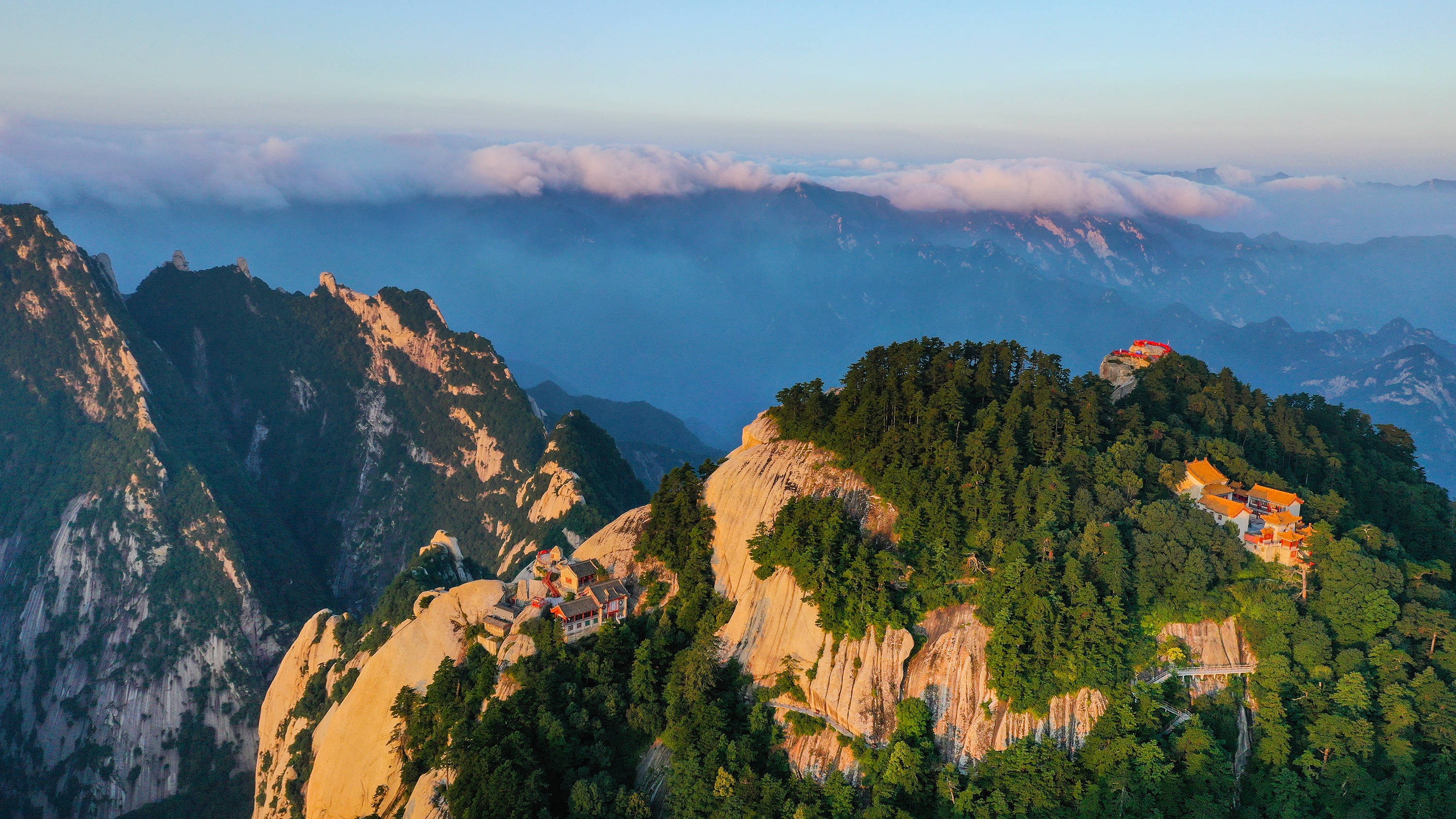
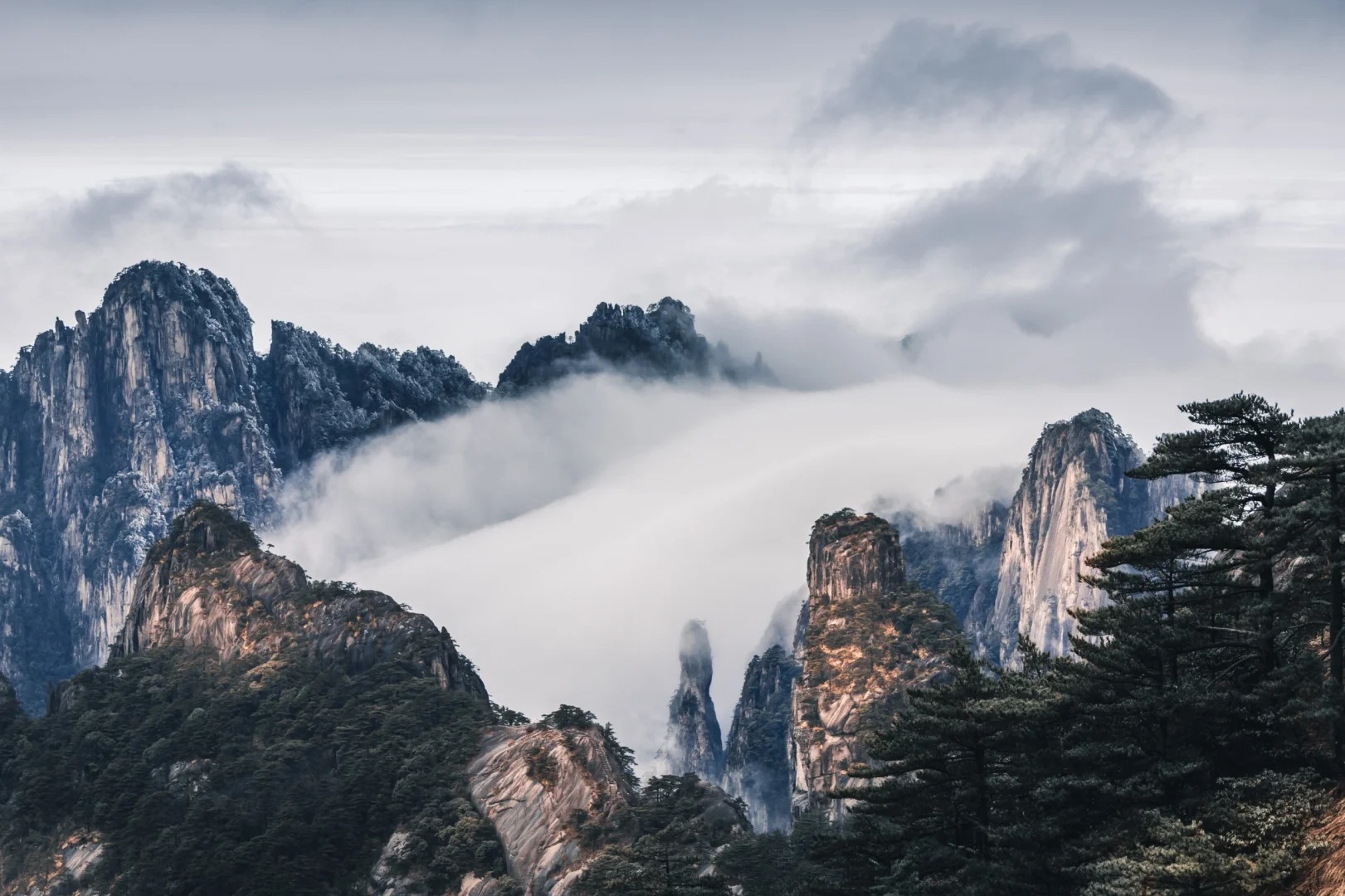
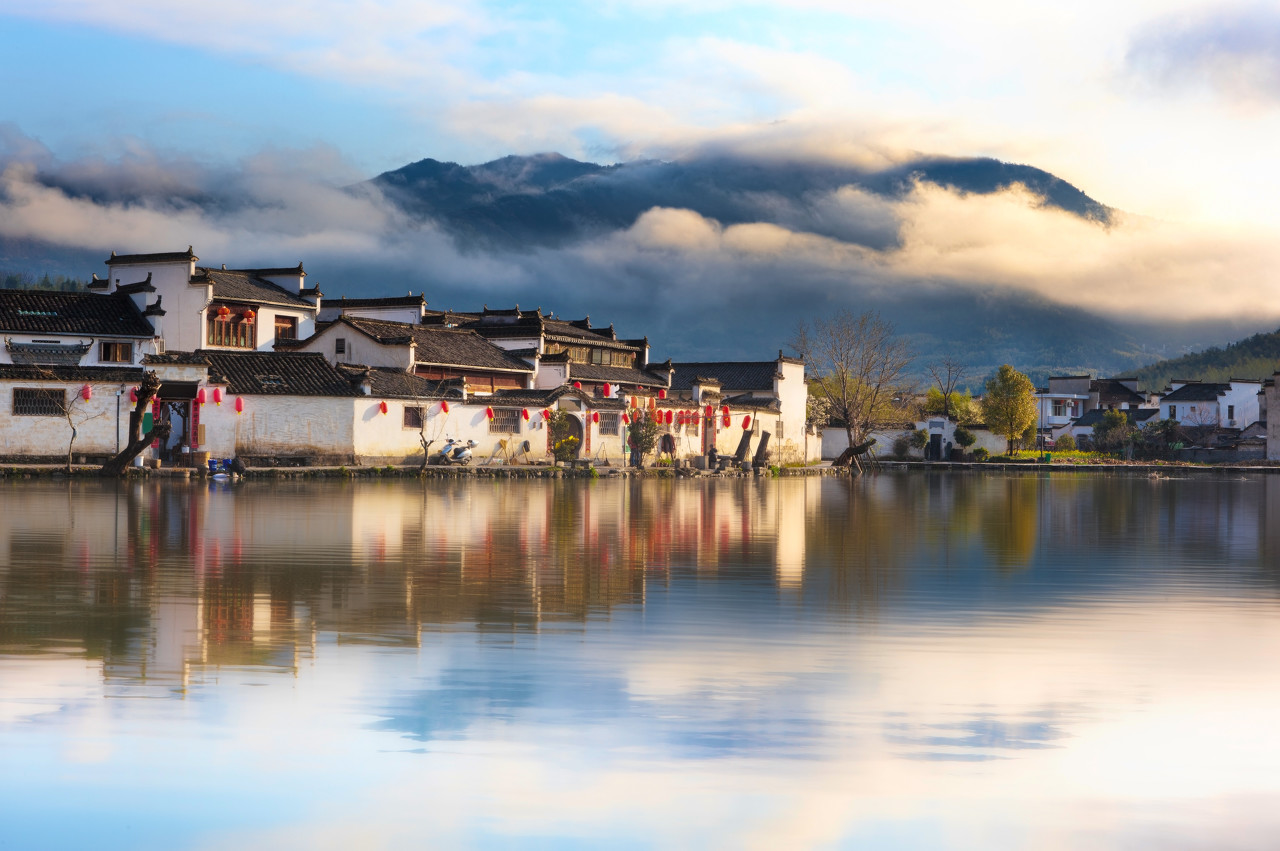
Your guide and driver will pick you up at about 8:00 am from your Huangshan downtown hotel and drive about 1 hour to Qiyun Mountain, one of the Four Sacred Mountains of Taoism. Its name Qiyun means “as high as the clouds” in Chinese although its highest peak is 585 meters. If you ever have chance to see the mountain shrouded in the sea of clouds, you wouldn’t say it doesn’t live up to its name. Upon arrival, we will take cable car up the mountain and start exploration. There is a Yuehua Street, also called “Heavenly Street”, sitting on the cliff. 30 households live here, and they are Taoists and their families. You will see white-walled and dark-tiled typical Hui-style houses mixed with Taoist architecture, which is a very unique and harmonious scene. It’s also a good place to enjoy Chinese calligraphy art. Many scholars, officials and artists left their writings on the cliffs from the Song Dynasty to the Republic of China. There are 537 pieces of steles scattered on the mountain including 305 cliff carvings. If you visit the mountain in November, you can see red leaves all over the mountain, and in April, you will have chance to see a large expanse of rapeseed flowers on the banks of the Hengjiang River at the foot of the mountain.
2
After descending from the mountain by cable car, we will have a lunch and then visit Wanan Compass Culture Museum and Huizhou Culture Museum. Wanan Compass Culture Museum was established by Wu Zhaoguang (an art master of Anhui Province and intangible cultural heritage inheritor) on the basis of his family’s two-century-old workshop. He is the eighth generation descendant of Wu Luheng Old Compass Shop. In ancient times, compass was mainly used for observing celestial bodies, checking feng shui, and giving ships directions. Compass requires high precisions, especially for navigation, because if there’s slight error in the needle, tragedy may happen. Your guide will show you around and see the process of making compass.
3
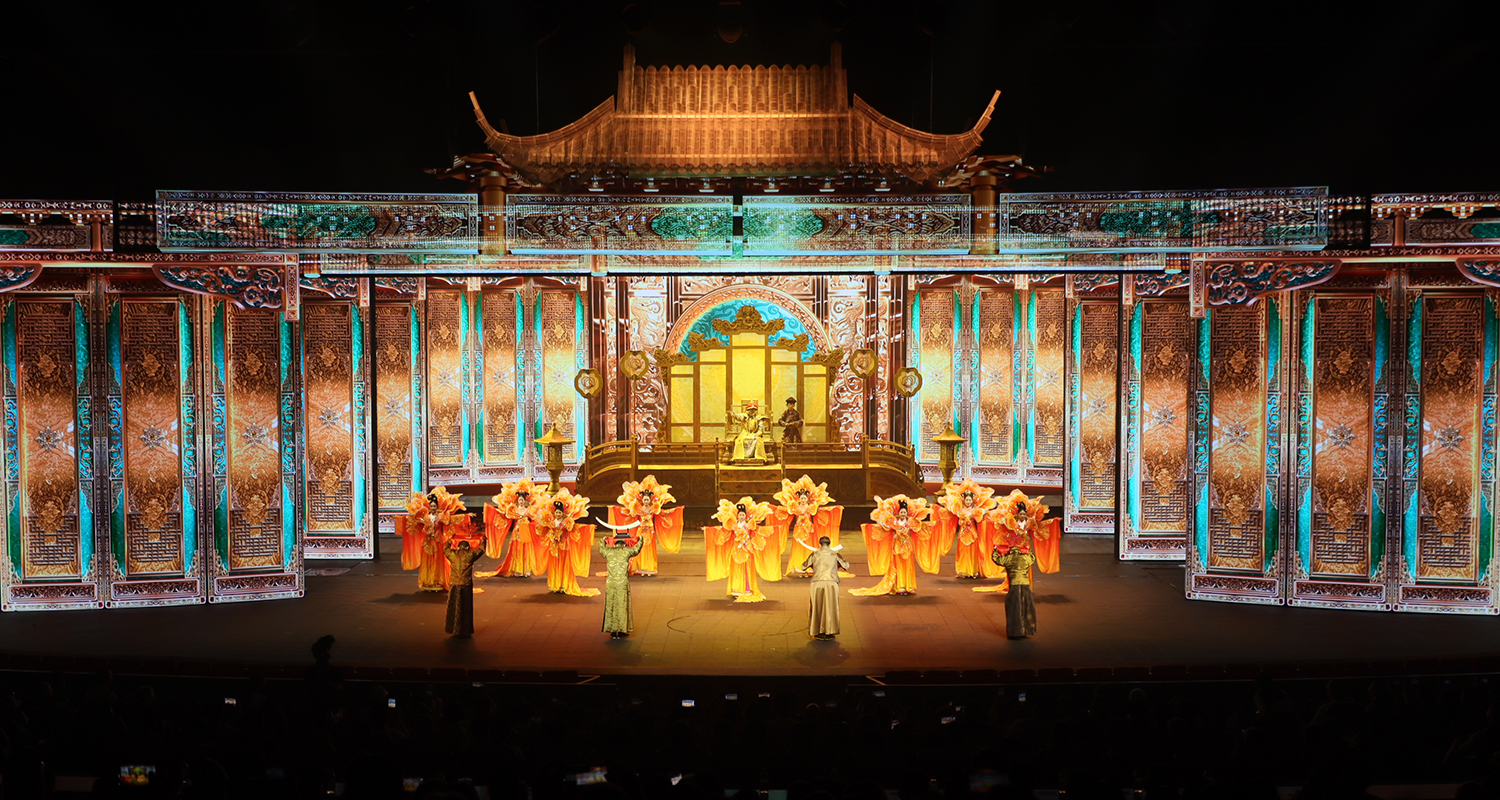
Huizhou Culture Museum is the second largest comprehensive museum in Anhui Province and also the only museum focusing on Huizhou culture. The museum was designed combining Huizhou culture, geographical landscape and Huizhou architectural style. There are 100,000 pieces of cultural relics including porcelains, ink stones, ink sticks, paintings, bronze wares, jades, ancient books and documents.
At the end of the tour, your guide and driver will escort you back to your hotel.
What's not included
Personal expense and optional activity
Tips to the tour guide and driver
Available languages
Guide guide
EN
Important information
Public transportation options are available nearby
Infants are required to sit on an adult’s lap
Not recommended for pregnant travelers
Suitable for all physical fitness levels
You will receive a confirm email from local operator about the tour details within 48 hours after booking.
Children under 18 must be accompanied by an adult.
Please leave a note when booking if you have any special requirement about the tour, such as diet.
You will be contacted at least one day ahead of the travel day via email to advise the pickup info. The tour guide will also call you or leave you a message through your hotel room the night before tour about pickup time.
You are suggested to wear comfortable shoes on tour day.
Not recommended for travelers with leg problems
About Huangshan
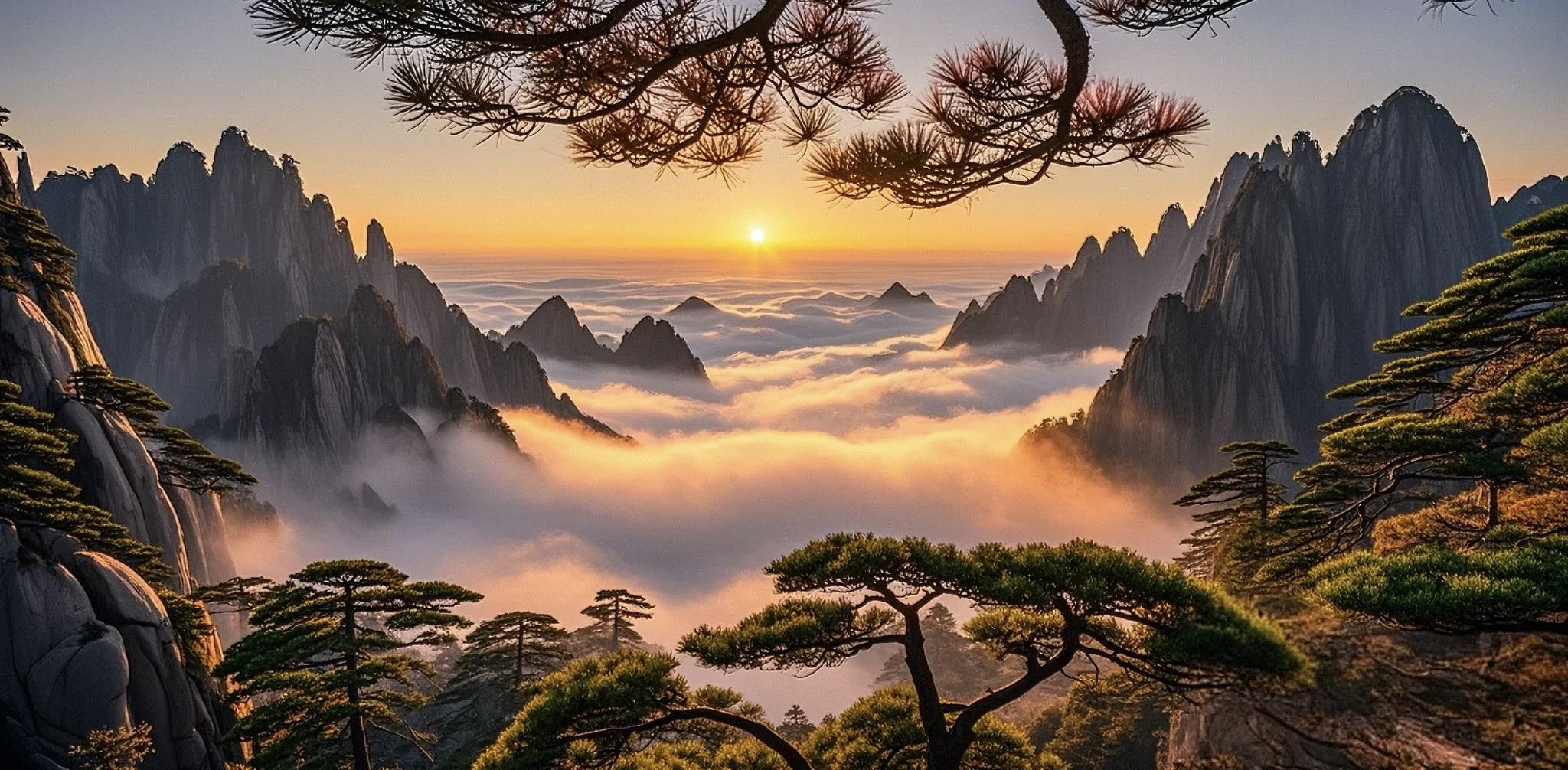
Huangshan, known as the Yellow Mountain, is a UNESCO World Heritage Site renowned for its stunning landscapes, unique pine trees, and cloud-sea phenomena. This mystical mountain range has inspired countless artists and poets, offering a serene and spiritually uplifting experience.
Top Attractions
Huangshan Scenic Area
The Huangshan Scenic Area is the main attraction of Huangshan, featuring stunning landscapes, unique pine trees, hot springs, and the famous 'cloud-sea' phenomenon. The area is divided into several sections, each with its own unique features and hiking trails.
Nature
2-3 days for a comprehensive visit
¥230 (entrance fee, including cable car and scenic area)
Hongcun Ancient Village
Hongcun is a beautifully preserved ancient village with a history dating back over 900 years. The village is known for its traditional architecture, including the famous 'Moon-Embracing Pavilion' and 'Leaving-Bridge.'
Historical/Cultural
Half-day visit
Free to explore the village, ¥50 for entrance to some attractions
Xidi Ancient Village
Xidi is another well-preserved ancient village, known for its traditional Huizhou architecture and beautiful gardens. The village is often compared to Hongcun and is equally charming and historic.
Historical/Cultural
Half-day visit
Free to explore the village, ¥50 for entrance to some attractions
Tunxi Ancient Street
Tunxi Ancient Street is a well-preserved street with a history dating back to the Qing Dynasty. The street is lined with traditional buildings, shops, and restaurants, offering a glimpse into the past.
Historical/Cultural
1-2 hours
Free to explore, costs vary for food and shopping
Huangshan Hot Springs
Huangshan is famous for its natural hot springs, which are believed to have healing properties. The hot springs are a popular destination for relaxation and rejuvenation.
Relaxation
1-2 hours
¥50-150 depending on the facility and services
Must-Try Local Dishes
Huangshan Roast Duck
A local specialty featuring crispy roasted duck with a unique flavor and texture, often served with local sauces and vegetables
Main course
Contains meat, gluten
Steamed Buns (Huangshan Style)
Soft and fluffy steamed buns filled with various ingredients, such as pork, vegetables, or sweet fillings
Snack
Contains gluten, may contain meat or allergens
Huangshan Maojian Tea
A famous green tea from Huangshan, known for its delicate flavor and beautiful appearance, with fine, hair-like tea leaves
Drink
Caffeinated, suitable for most dietary preferences
Popular Activities
Hiking in the Huangshan Scenic Area
Exploring caves in Jixi County
Biking through the countryside
Visiting hot springs
Tea tasting and tours
Strolling through ancient villages
Exploring ancient villages and temples
Attending local festivals and events
Best Time to Visit
April to October
This is the best time to visit Huangshan due to the pleasant weather and clear skies, which offer the best views of the mountain's landscapes. The spring and autumn seasons are particularly beautiful, with vibrant foliage and blooming flowers.
15°C to 25°C (59°F to 77°F)
59°F to 77°F
Practical Information
Language
- Official: Chinese (Mandarin)
- Widely spoken: Huizhou dialect (local dialect)
- English: Limited
Currency
Chinese Yuan Renminbi (CNY)
Time Zone
GMT+8
Electricity
220VV, 50HzHz
Safety Information
Overall Safety Rating: Generally safe
Huangshan is generally a safe destination for travelers, with low crime rates and a welcoming atmosphere. However, visitors should exercise caution and common sense, particularly in crowded areas and when exploring the mountain trails.
Important Precautions:
- • Be cautious of your belongings in crowded areas, such as markets and tourist attractions
- • Use licensed taxis or ride-hailing apps like Didi Chuxing to avoid overcharging
- • Be wary of strangers offering unsolicited help or services, as they may be trying to scam you
Getting there
By air
- Tunxi International Airport • 5 km (3 miles) from Huangshan city center
By train
Huangshan Station, Huangshan North Station
By bus
Huangshan Bus Station, Tunxi Bus Station
Getting around
Public transport
Buses are the most common and affordable way to get around Huangshan. The bus system is well-developed, with frequent services and clear signage.
Taxis
Available • Apps: Didi Chuxing (most popular ride-hailing app in China)
Rentals
Car, Bike, Scooter
Neighborhoods
Tunxi District
Huangshan Scenic Area
Yixian County
Day trips
Shexian County
Approximately 30 km (18 miles) from Huangshan city center • Half-day to full-day visit
Shexian County is known for its well-preserved ancient architecture, including the famous Xuguo Temple and the ancient street of Shexian. The county offers a glimpse into the past with its traditional buildings and cultural heritage.
Jixi County
Approximately 40 km (25 miles) from Huangshan city center • Full-day visit
Jixi County is known for its stunning landscapes, including the famous Nine Dragon Cave and the beautiful Fuxi Temple. The county offers a mix of natural beauty and cultural heritage, making it a popular day trip destination.
Qimen County
Approximately 50 km (31 miles) from Huangshan city center • Full-day visit
Qimen County is famous for its rich cultural heritage and delicious local cuisine, particularly its black tea and soy sauce. The county offers a mix of historic sites, tea plantations, and culinary experiences.
Festivals
Huangshan International Winter Tourist Festival • January and February
Huangshan Tea Festival • April and May
Hongcun Water Festival • June
Pro tips
- Visit the mountain early in the morning or late in the afternoon to avoid crowds and enjoy the best views and lighting for photography
- Stay overnight in the mountain to experience the sunrise and sunsets, as well as the 'cloud-sea' phenomenon
- Wear comfortable hiking shoes and bring plenty of water, as the mountain trails can be challenging and strenuous
- Try local snacks and teas, such as Huangshan Maojian, to immerse yourself in the local culture and culinary traditions
- Explore the ancient villages of Hongcun and Xidi to appreciate their unique architecture, history, and beauty
From $25
per person
Price varies by option
Secure booking
Free cancellation available
Instant confirmation