Cycling Across The Thimphu Valley
Active
10h
For a full refund, cancel at least 24 hours before the scheduled departure time.
Instant confirmation
Mobile or paper ticket accepted
About this experience
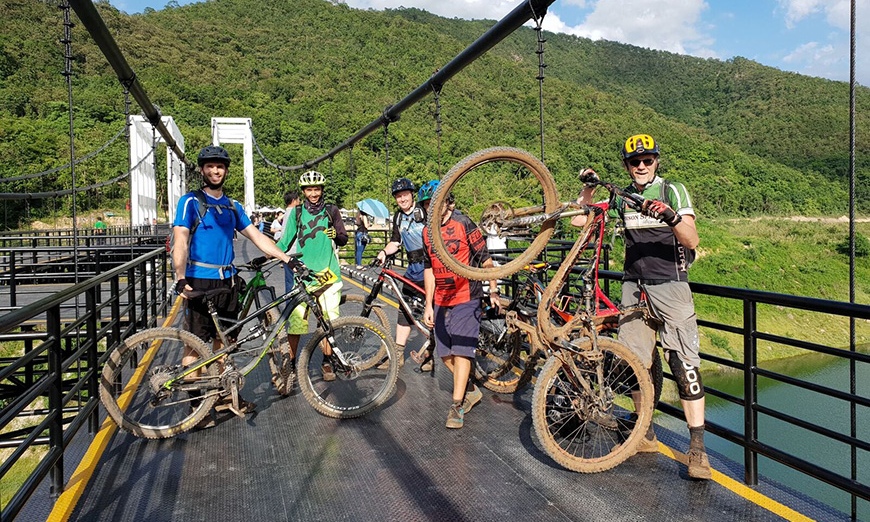
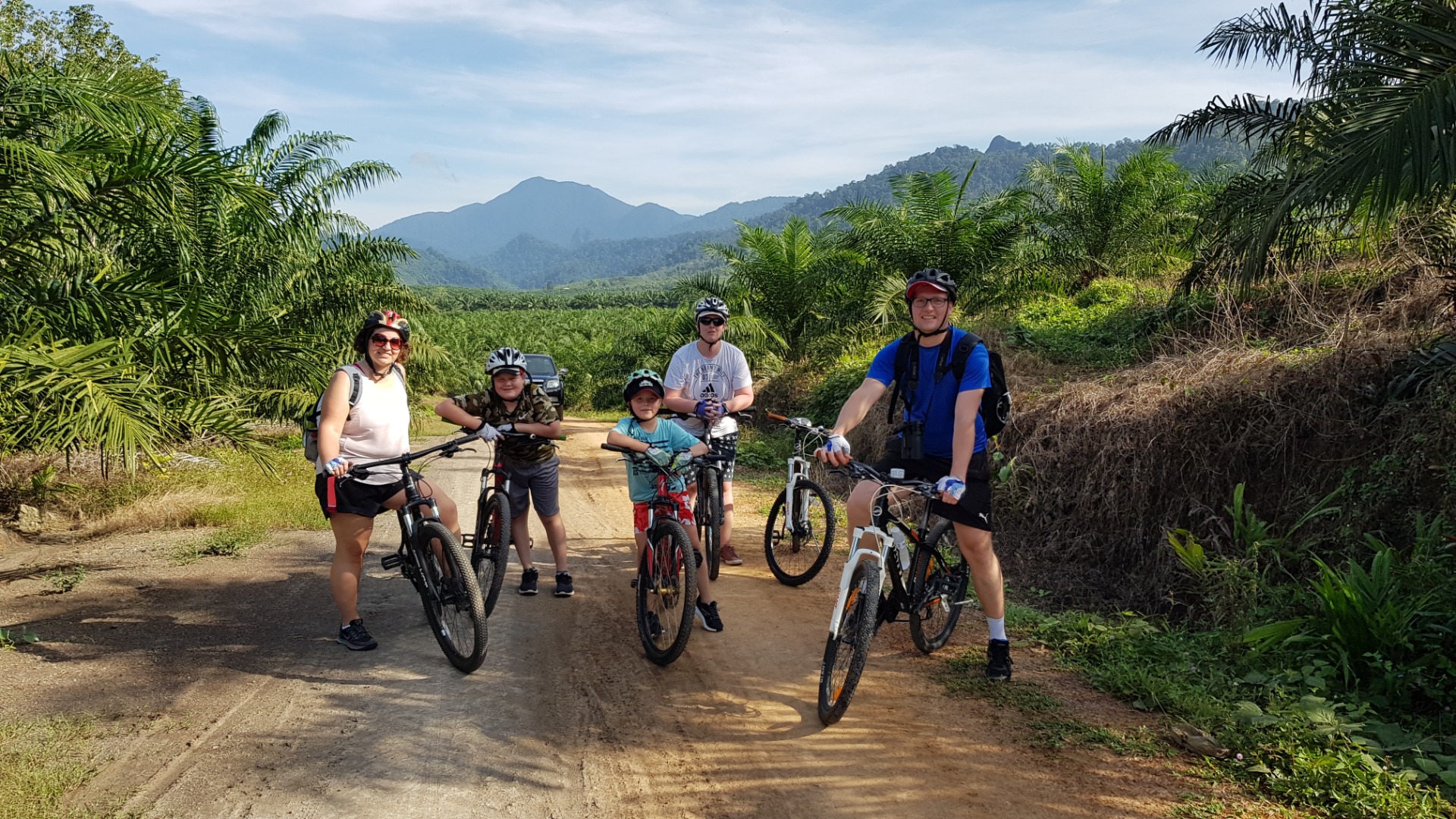
In this tour we have variance kind of cycling offer
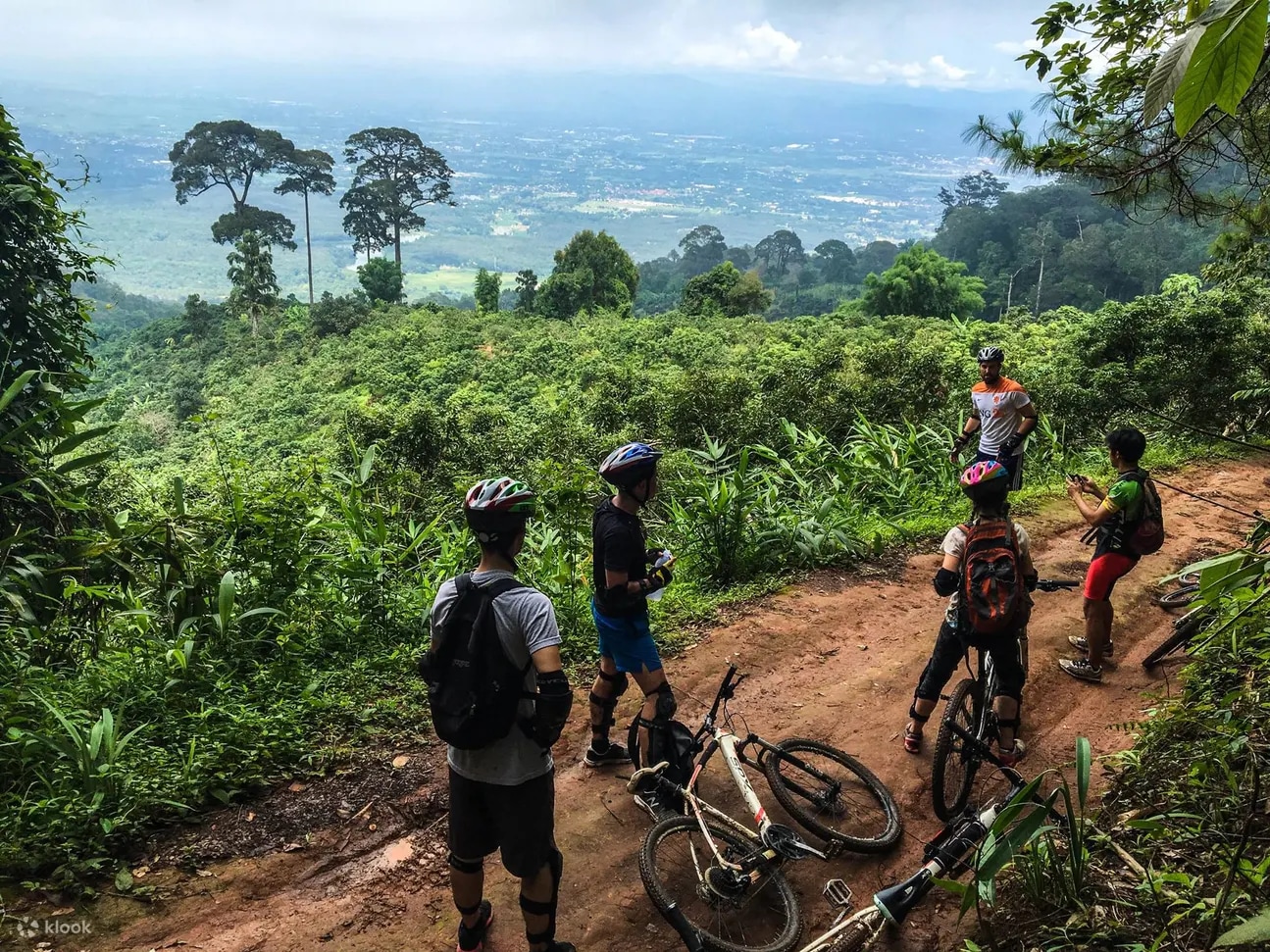
If you want to cycle through the forest of pines the best one would be to take the trail from Buddha Dordenma to Changangkha Lhakhang, the activity level would be medium. From this trail you can get the good view of Thimphu valley.
If you want something adventurous then you can choose to cycle from Sangaygang to Wanditse and come out from Dechenphodrang. The cycling trail from Wangditse to Dechenphodrang is pretty rugged and tough. Even this trail will be taking you through the forest of pine and Juniper.
If you are lucky you may spot wild pheasant, macpie and some other variance of rare birds.
If you want to make easy and nice cycling trip then you can choose to ride to the north to Dodina village (30 km round trip) along the sluggish Wangchhu river.
As per your interest we can any of the above cycling tour.
Available options
For Regional Guest
Comfortable<br/>Duration: 1 day<br/>Thimphu Valley<br/>Cycle or Bike<br/>Fees: All internal taxes, accommodation for guide and driver ,entry fees to museum and other sightseeing places is included<br/>Pickup included
What's included
Bottled Water
Cycling Gears
Detailed itinerary
1
In this tour we provide you with cycling equipment and the guide to take you around.
Thimphu has various kind of cycling route to offer. You can choose from easy to difficult.
If you want to cycle through the forest of pines the best one would be to take the trail from Buddha Dordenma to Changangkha Lhakhang, the activity level would be medium. From this trail you can get the good view of Thimphu valley.
If you want something adventurous and adrenaline rush then you can choose to cycle from Sangaygang to Wanditse and come out from Dechenphodrang. The cycling trail from Wangditse to Dechenphodrang is pretty rugged and tough. This trail will be taking you through the forest of pine and juniper.
If you are lucky you may spot wild pheasant, magpie and some other variance of rare birds.
If you want to make easy and nice cycling trip then you can choose to ride to the north to Dodina village (30 km round trip) along the sluggish Wangchhu river.
What's not included
Those not included in inclusion
Available languages
Guide guide
EN
Reviews breakdown
Tripadvisor
5.0
1 reviews
5★
1
4★
0
3★
0
2★
0
1★
0
Important information
Public transportation options are available nearby
Suitable for all physical fitness levels
About Thimphu
Thimphu, the capital of Bhutan, is a unique blend of traditional and modern Bhutanese culture. Nestled in the Himalayas, it offers a serene escape with vibrant markets, ancient monasteries, and a glimpse into the last remaining Buddhist kingdom in the world.
Top Attractions
Tashichho Dzong
This impressive fortress-monastery is the seat of the Bhutanese government and the summer residence of the Je Khenpo (Chief Abbot). It houses the throne room, government offices, and a monastery.
Historical/Religious
1-2 hours
Free (entry with a cultural tour permit)
Memorial Chorten
This whitewashed stupa was built in 1974 in memory of Bhutan's third king, Jigme Dorji Wangchuck. It is a popular pilgrimage site and a hub of religious activity.
Religious
30 minutes to 1 hour
Free
Buddha Dordenma
This massive bronze statue of Buddha is one of the largest sitting statues in the world. It is a significant religious site and offers panoramic views of the city.
Religious
1-2 hours
Free
Must-Try Local Dishes
Ema Datshi
A spicy stew made with chilies and cheese, often considered the national dish of Bhutan.
Main dish
Vegetarian (if made with vegetarian cheese)
Momos
Dumplings filled with meat or vegetables, steamed or fried.
Snack
Can be vegetarian or vegan
Red Rice
A staple in Bhutanese cuisine, red rice is a nutritious and flavorful grain.
Side dish
Vegetarian and vegan
Popular Activities
Hiking
Trekking
Mountain biking
Yoga
Meditation
Spa treatments
Temple visits
Festivals
Best Time to Visit
March to May and September to November
These months offer the best weather for sightseeing and outdoor activities. The skies are clear, and the temperatures are pleasant, making it ideal for exploring the city and its surroundings.
15°C to 25°C
59°F to 77°F
Practical Information
Language
- Official: Dzongkha
- Widely spoken: English
- English: Moderately spoken
Currency
Bhutanese Ngultrum (BTN)
Time Zone
BTT (UTC+6)
Electricity
230VV, 50HzHz
Safety Information
Overall Safety Rating: Generally safe
Thimphu is generally safe for travelers, with low crime rates. However, petty theft and scams can occur, especially in tourist areas.
Important Precautions:
- • Keep valuables secure.
- • Be cautious of strangers offering unsolicited help.
- • Use reputable tour operators.
Getting there
By air
- Paro International Airport • 54 km from Thimphu
By bus
Thimphu Bus Terminal
Getting around
Public transport
Buses are the most common and affordable mode of public transport. They can be crowded, especially during peak hours.
Taxis
Available • Apps:
Rentals
Car, Bike, Scooter
Neighborhoods
North Thimphu
City Center
Day trips
Punakha Dzong
70 km from Thimphu • Full day
Punakha Dzong is one of the most beautiful and historically significant dzongs in Bhutan. It served as the capital of Bhutan until 1955 and is nestled between two rivers.
Paro Valley
54 km from Thimphu • Full day
Paro Valley is known for its picturesque landscapes, historic sites, and the famous Taktsang Monastery (Tiger's Nest).
Festivals
Thimphu Tsechu • September/October (dates vary annually)
Hemisfestival • June/July (dates vary annually)
Pro tips
- Visit the Centennial Market early in the morning for the best selection of fresh produce and local snacks.
- Hire a local guide for a more in-depth understanding of Bhutanese culture and history.
- Try Bhutanese butter tea (suja) for a unique and authentic experience.
- Pack layers of clothing, as temperatures can vary significantly throughout the day.
- Respect local customs and traditions, and always ask permission before taking photographs of people or religious sites.
From $25
per person
Price varies by option
Secure booking
Free cancellation available
Instant confirmation