Titicaca Lake 2 Day 1 Night from Cusco to Puno
Active
2d
For a full refund, cancel at least 24 hours before the scheduled departure time.
Instant confirmation
Mobile or paper ticket accepted
About this experience
We sail by boat on the largest lake in the world.
We visit all the archaeological parks of the route of the sun Cusco to Puno.
We step on the floating island of the Uros.
We visited the Taquile Island.
We had lunch at Lake Titicaca trout.
Available options
Titicaca Lake 2 Day 1 Night from Cusco to Puno
Pickup included
What's included
Return bus from Puno to Cusco.
Hostel accommodation
Tourist bus one day Cusco-Puno with stops at tourist centers.
Professional Guide
Lunch buffet day 1
Visit sun route , Oropesa, Andahuaylillas, Raqchi, La Raya, Checacupe y Pucara
Visit of the Islands of the Urus and Taquile.
Detailed itinerary
1
Stop 1
Tour from Cusco to the city of Puno Lake Titicaca:
Day 1: Pick up from your hotel in Cusco at 6:30 a.m. to go to the route of the sun Cusco to Puno by tourist bus with different tourist stops in Oropesa, Andahuaylillas, Chacacupe, Raqchi, Buffet lunch in Sicuani, La Raya, Pucara arriving in Puno at 5.30 pm to install it to your hotel.
Day 2: Pick up from your hotel in Puno at 6:45 a.m. to take a boat ride on Lake Titicaca visiting the floating island of the Uros and Taquile for a whole day, have lunch at the lake trout and return to Puno 5:00 pm to return to the hotel or visit Puno on your own, knowing that At 9:15 pm, you will be picked up from the hotel in Puno to return to the city of Cusco arriving the next day at 5:00 am, ending the tour at the Cusco terminal
2
Second stop Day 1: The Church of San Pedro de Andahuaylillas has been called "The Sistine Chapel of America". Built by the Jesuits in the 16th century. Like other Spanish and religious buildings of the time, built on a huaca or sacred place for the Incas
3
Stop 3
Fourth stop Day 1: It consists of several different areas each designated with a specific function.
"Temple of Wiracocha", the most important building within the complex built in honor of the God of the same name.
4
Buffet lunch
5
Stop 5
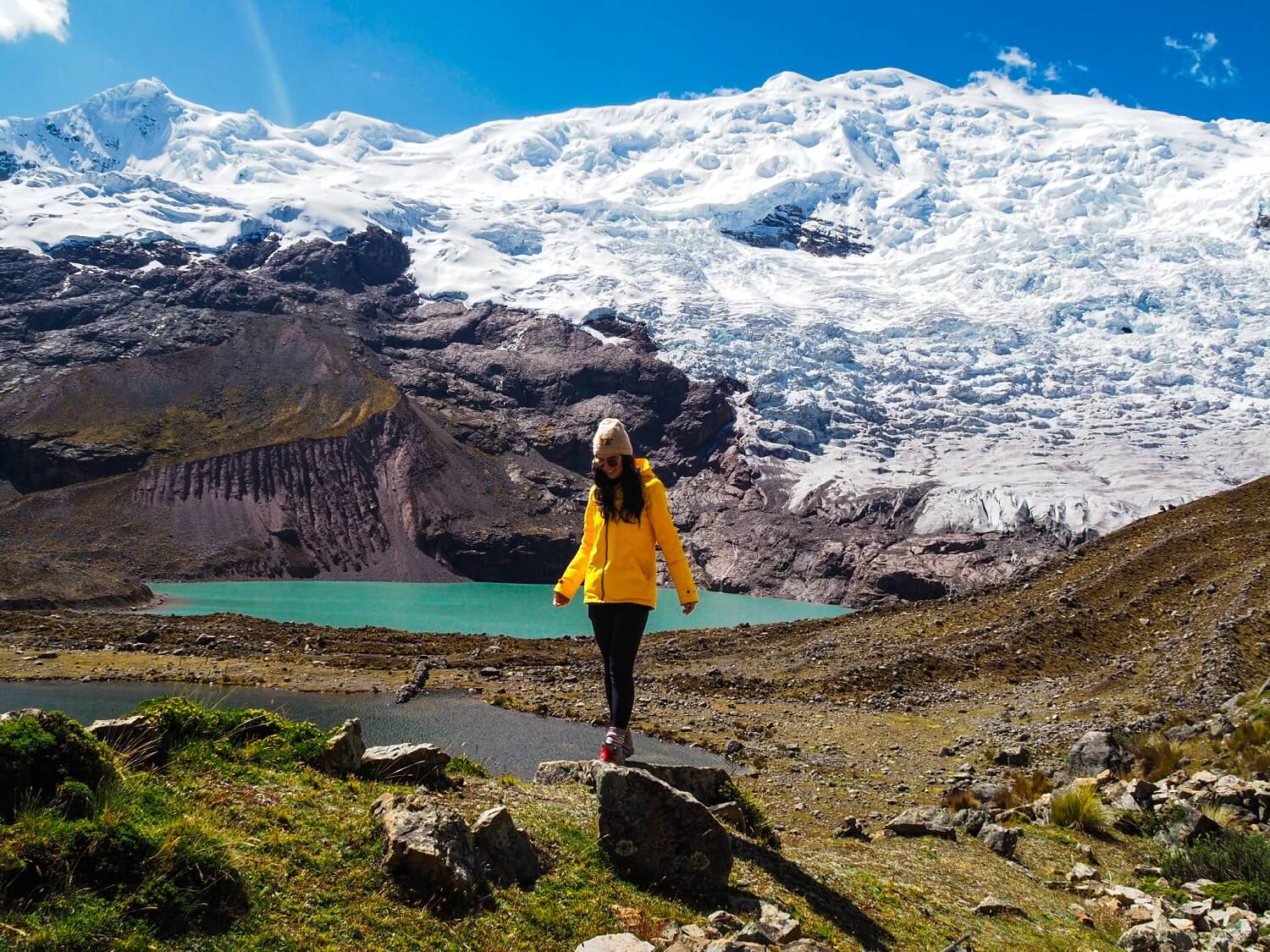
Fifth Stop Day 1: border between the regions of Puno and Cusco, it is the highest point on the route from Puno to Cusco, it is 4338 meters above sea level, where we will observe the snow-capped mountains of the Andes.
6
Sixth Stop Day 1: Formed by impressive monolithic sculptures with a geometric variety, zoomorphic, and anthropomorphic images, multi-colored pottery in a variety of shapes.
7
Stop 7
We will sail by boat on Lake Titicaca that extends along the border between Peru and Bolivia in the Andes mountain range and is one of the largest lakes in South America and the highest navigable body of water in the world. It is said to be the cradle of the Incas and has several ruins. Its waters are known for being calm and giving a bright reflection. In its surroundings, is located the Titicaca National Reserve that houses rare aquatic species, such as giant frogs.
8
Stop 8
they are a set of habitable artificial surfaces built of totora, an aquatic plant that grows on the surface of Lake Titicaca. The islands stand on a portion of the surface of Lake Titicaca, overlapping blocks of Totora roots on which successive layers of woven or woven totora are laid on mats. Its inhabitants, the Uros, are an ancestral people
9
Stop 9
The attraction of the island is concentrated in experiential tourism, from the contact with the customs and tasks of the people that dwells. Living with the people of Taquile, will allow the traveler to know the different rites and beliefs that their people have, and thus assess the hills of Taquile that, for their inhabitants, are seen as protective Apus, and therefore, places of visit , as well as Andean rituals
10
Stop 10
Lunch in Taquile we will try the Lake trout
What's not included
Tip (optional)
Available languages
Audio guide
EN
ES
Guide guide
EN
ES
Written guide
EN
ES
Reviews breakdown
Viator
4.5
13 reviews
5★
9
4★
3
3★
0
2★
1
1★
0
Tripadvisor
4.6
22 reviews
5★
18
4★
2
3★
1
2★
0
1★
1
Important information
Public transportation options are available nearby
Infants are required to sit on an adult’s lap
Specialized infant seats are available
Travelers should have at least a moderate level of physical fitness
A personal light backpack
Hiking shoes
Cold clothing
Rain jacket or rain poncho
Hats or hats
Sunscreen
personal medication
Energy bars
Sun glasses and plastic bag
Cameras
Extra money (soles)
Acclimatize before the trip, advisable to drink coca tea.
About Cusco
Cusco, the historic capital of the Inca Empire, is a captivating blend of Indigenous and colonial influences. Known for its well-preserved archaeological sites, vibrant culture, and stunning Andean landscapes, it's a gateway to Machu Picchu and the Sacred Valley. The city's rich history, combined with its lively arts scene and delicious cuisine, makes it a must-visit destination in South America.
Top Attractions
Sacred Valley
The Sacred Valley is a stunning region filled with Inca ruins, traditional villages, and breathtaking landscapes. It's a must-visit for history and nature lovers.
Historical/Nature
Full day
PEN 10-50 (USD 2.50-12.50) depending on the site
Machu Picchu
Machu Picchu is the iconic Inca citadel and one of the most famous archaeological sites in the world. Its breathtaking views and rich history make it a must-see.
Historical/Adventure
Full day or overnight
PEN 152 (USD 38) for entrance, train tickets vary
Qorikancha
Qorikancha, or the Temple of the Sun, was the most important temple in the Inca Empire. It's a fascinating blend of Inca and colonial architecture.
Historical/Religious
1-2 hours
PEN 10 (USD 2.50)
Sacsayhuaman
Sacsayhuaman is a massive Inca fortress with impressive stone walls and panoramic views of Cusco. It's a testament to Inca engineering and military might.
Historical
1-2 hours
PEN 10 (USD 2.50)
San Pedro Market
San Pedro Market is a bustling market offering a variety of fresh produce, local crafts, and traditional foods. It's a great place to experience local life.
Cultural/Food
1-2 hours
Free to enter, prices vary for purchases
Must-Try Local Dishes
Cuy al Horno
Roasted guinea pig, a traditional Andean dish.
Main Course
Not vegetarian
Lomo Saltado
Stir-fried beef with onions, tomatoes, and fries.
Main Course
Can be made vegetarian
Aji de Gallina
Shredded chicken in a creamy, spicy sauce.
Main Course
Not vegetarian
Sopa de Quinoa
Quinoa soup, a nutritious and traditional dish.
Soup
Can be made vegetarian
Popular Activities
Hiking
Trekking
Mountain biking
Whitewater rafting
Visiting spas
Exploring parks
Enjoying local cafes
Visiting museums
Best Time to Visit
May to September
This is the dry season, offering the best weather for exploring the city and its archaeological sites. The skies are clear, and temperatures are mild.
5°C to 20°C (41°F to 68°F)
41°F to 68°F
Practical Information
Language
- Official: Spanish
- Widely spoken: Quechua, English (in tourist areas)
- English: Moderately spoken in tourist areas, limited elsewhere
Currency
Peruvian Sol (PEN)
Time Zone
GMT-5
Electricity
220VV, 50HzHz
Safety Information
Overall Safety Rating: Generally safe with common-sense precautions
Cusco is generally safe for tourists, but petty crime can occur, especially in crowded areas. Be cautious with your belongings and avoid walking alone at night in poorly lit areas.
Important Precautions:
- • Keep valuables secure
- • Use reputable tour operators
- • Be cautious with street food
Getting there
By air
- Alejandro Velasco Astete International Airport • 5 km (3 miles) from city center
By train
San Pedro Station
By bus
Cusco Bus Terminal
Getting around
Public transport
Shared taxis (colectivos) are a common and affordable way to get around Cusco. They follow specific routes and can be flagged down.
Taxis
Available • Apps: InDriver, Easy Taxi
Rentals
Car, Bike, Scooter
Neighborhoods
Historic Center
San Blas
San Cristobal
Day trips
Pisac
35 km (22 miles) from Cusco • Full day
Pisac is a charming town known for its vibrant market and impressive Inca ruins. It's a great day trip from Cusco.
Ollantaytambo
60 km (37 miles) from Cusco • Full day or overnight
Ollantaytambo is a picturesque town with well-preserved Inca ruins and a gateway to Machu Picchu. It's a must-visit for history and adventure lovers.
Tipon
25 km (16 miles) from Cusco • Half day
Tipon is a beautiful archaeological site with well-preserved Inca terraces and water channels. It's a peaceful and less crowded alternative to other Inca sites.
Festivals
Inti Raymi • June 24
Cusco Festival of Music and Dance • August
Pro tips
- Acclimatize to the altitude before engaging in strenuous activities
- Dress in layers to accommodate changing temperatures
- Learn a few basic phrases in Spanish or Quechua to enhance your experience
- Visit the San Pedro Market early in the morning for the best selection and prices
- Book tickets and train tickets in advance for Machu Picchu and other popular attractions
From $25
per person
Price varies by option
Secure booking
Free cancellation available
Instant confirmation