Gettysburg Battlefield Self Guided Audio Driving Tour
Active
8h - 9h
For a full refund, cancel at least 24 hours before the scheduled departure time.
Instant confirmation
Mobile or paper ticket accepted
About this experience
Step onto hallowed ground with our immersive Gettysburg Battlefield self-guided driving audio tour! Relive the epic three-day battle that shaped America as you drive past key sites like Little Round Top, Pickett’s Charge, and Devil’s Den. Unlike crowded tours, this guide lets you explore at your own pace, stopping whenever you want to soak in the history. Hear expert insights, gripping soldier stories, and hidden details you won’t find on plaques. Affordable and flexible, this tour transforms your car into a personal time machine. Join thousands who’ve rediscovered Gettysburg with the freedom of an audio tour—download now and step into history!
*Download the Shaka Guide app to access the purchased tours*
Available options
Gettysburg Battlefield Self Guided Audio Driving Tour
What's included
Tours NEVER expire
Freedom to explore at your own pace
Offline map (no wifi or data needed)
Turn-by-turn directions using GPS
Hours of audio narration with stories, travel tips and music
Audio narration that plays automatically as you drive
Detailed itinerary
1
Stop 1
The Visitor Center offers a rich introduction to the Battle of Gettysburg. Visitors can explore the museum exhibits, featuring artifacts, interactive displays, and multimedia presentations on the Civil War and the battle's significance. The Cyclorama, a massive 360-degree painting, immerses guests in Pickett's Charge. A film narrated by Morgan Freeman, A New Birth of Freedom, provides historical context. Rangers lead talks, tours, and educational programs. The bookstore offers souvenirs and resources, while the refreshment saloon provides meals in a period-inspired setting.
2
McPherson Ridge at Gettysburg National Military Park marks the site of the opening clash of the Battle of Gettysburg on July 1, 1863. Visitors can explore historic landscapes, including woodlots and open fields, where Union and Confederate forces first engaged. Key landmarks include the McPherson Barn, used as a field hospital, and monuments honoring regiments and leaders such as General John Reynolds. Wayside exhibits provide detailed insights into the events of the battle. The ridge offers panoramic views of the battlefield and its surroundings.
3
This monument features a bronze relief portrait of Doubleday mounted on a granite base. It commemorates his leadership in commanding the Union’s First Corps after the death of Major General John Reynolds. Though Doubleday is often linked to the myth of inventing baseball, his true legacy lies in his service during the Civil War.
4
The Eternal Light Peace Memorial at Gettysburg National Military Park commemorates unity between the North and South. Erected in 1938 for the battle's 75th anniversary, it features a granite and Alabama limestone tower crowned by a perpetually burning gas flame symbolizing peace. The site offers stunning views of the battlefield's northern sector, including Oak Hill and the fields where the first day’s fighting unfolded. Surrounding the memorial are monuments and markers honoring units from both Union and Confederate forces. The tranquil setting invites reflection on the sacrifices made during the Civil War and the enduring hope for reconciliation.
5
The Oak Ridge Observation Tower offers breathtaking views of the first day’s battlefield, including key areas like McPherson Ridge, Eternal Light Peace Memorial, and the fields of the Union defense line. From the tower, visitors can trace the movements of Union and Confederate forces during the pivotal opening day of the battle. Nearby are significant monuments, such as the 11th Pennsylvania Infantry Monument, featuring the famous war dog Sallie, and markers honoring Union and Confederate units.
6
The 11th Pennsylvania Monument honors the regiment's service during the battle. It features a bronze statue of the regiment's mascot, Sallie, a loyal war dog who stayed with the wounded and fallen. Surrounding the monument are battle markers detailing the regiment's position during the first and second days of fighting.
7
The General Lee Headquarters site preserves the historic stone house used by Confederate General Robert E. Lee during the battle. Visitors can explore the restored Mary Thompson House, which served as Lee's headquarters and a field hospital. The area features interpretive signs detailing the battle’s events and Lee’s strategic decisions. Nearby, visitors can see artillery emplacements and monuments commemorating Confederate units. The location offers views of Seminary Ridge and the surrounding battlefield, providing insight into the Confederate command’s vantage point. The site also includes a small garden area, perfect for reflection on this historic setting.
8
Stop 8
Seminary Ridge, a key Confederate position during the Battle of Gettysburg, offers a wealth of historic and scenic features. Visitors can explore the Lutheran Theological Seminary, including its cupola, used as an observation point by Union General Buford. The Seminary Ridge Museum provides exhibits on the battle and the Civil War's broader context. Numerous monuments and markers honor Confederate units and leaders, and the ridge offers panoramic views of Pickett’s Charge.
9
The North Carolina Monument at Gettysburg honors the valor of North Carolina troops during the battle. Designed by Gutzon Borglum, it depicts five Confederate soldiers advancing into battle. Located on Seminary Ridge, it offers a view of Pickett’s Charge, symbolizing the courage and sacrifice of North Carolinians in the Civil War.
10
The Virginia Monument at Gettysburg features a bronze statue of General Robert E. Lee atop his horse, Traveller, leading his troops. Surrounded by Confederate soldiers in relief, it commemorates Virginia’s contributions to the battle. Located on Seminary Ridge, it marks the starting point of the famous Pickett’s Charge.
11
The Warfield Ridge Observation Tower offers panoramic views of Gettysburg's southern battlefield, including key sites like Little Round Top, Devil’s Den, and the Peach Orchard. It highlights the Confederate approach on July 2, 1863. Nearby markers and monuments honor the actions of Confederate divisions during their assault on Union positions
12
The Big Round Top Trail is a short but moderately challenging hike leading to the highest elevation on the battlefield. Surrounded by dense forest, the trail winds past scattered boulders and remnants of Civil War history. While the wooded summit doesn't offer expansive views, it provides a peaceful atmosphere for reflection. Interpretive markers along the trail highlight the historical importance of this area, making it a rewarding stop for both history enthusiasts and nature lovers.
13
Stop 13
Little Round Top was a crucial site of Union defense during the second day of battle. Visitors can see dramatic rocky outcroppings and sweeping views of the battlefield, including Devil’s Den, the Wheatfield, and the Peach Orchard. The site is marked by numerous monuments, including the 20th Maine Monument, honoring the regiment’s heroic stand under Colonel Joshua Chamberlain. The Warren Statue commemorates Union General Gouverneur K. Warren, who recognized Little Round Top’s strategic importance.
14
Devil’s Den is a striking site of fierce fighting during the battle’s second day. Known for its massive boulders and rugged terrain, it offers a dramatic landscape that played a pivotal role in the Union’s defense. Visitors can explore the Slaughter Pen, a deadly hotspot of combat, and view monuments honoring Union and Confederate units. The site overlooks Little Round Top, highlighting its tactical significance. Interpretive signs detail the fierce clashes that occurred here, while its scenic views and historic atmosphere make it a popular destination for understanding the battle’s intensity and human cost.
15
The Pennsylvania and First Minnesota Monuments honor key contributions during the battle. The Pennsylvania Monument, the park’s largest, features a grand dome, bronze tablets listing all Pennsylvanian soldiers, and statues of notable leaders like Meade and Reynolds. Climb to the observation deck for sweeping battlefield views. Across the road, the First Minnesota Monument marks the regiment’s heroic charge on July 2, 1863, which halted a Confederate advance at great cost, losing over 80% of its men. The monuments are surrounded by interpretive signs, additional markers, and the dramatic landscape of Cemetery Ridge, central to the Union defense.
16
Spangler’s Spring is a serene, historic site on Culp’s Hill where Union and Confederate soldiers reportedly shared water during lulls in the fighting. Surrounded by monuments and markers, it symbolizes humanity amid conflict. Nearby, trails explore the intense fighting on Culp’s Hill, a key Union defensive position.
17
Culp’s Hill offers a mix of history and stunning views. The Culp’s Hill Observation Tower provides a panoramic perspective of the battlefield and surrounding areas, emphasizing the hill’s strategic importance. Visitors can explore well-preserved breastworks, constructed by Union soldiers to defend against Confederate assaults during intense fighting on July 2–3, 1863. Numerous monuments and markers honor Union regiments that held the line, including the Maryland Monument, the only monument for both Union and Confederate troops. Trails lead to Spangler’s Spring, a site of rumored battlefield camaraderie, combining a peaceful setting with vivid historical storytelling.
18
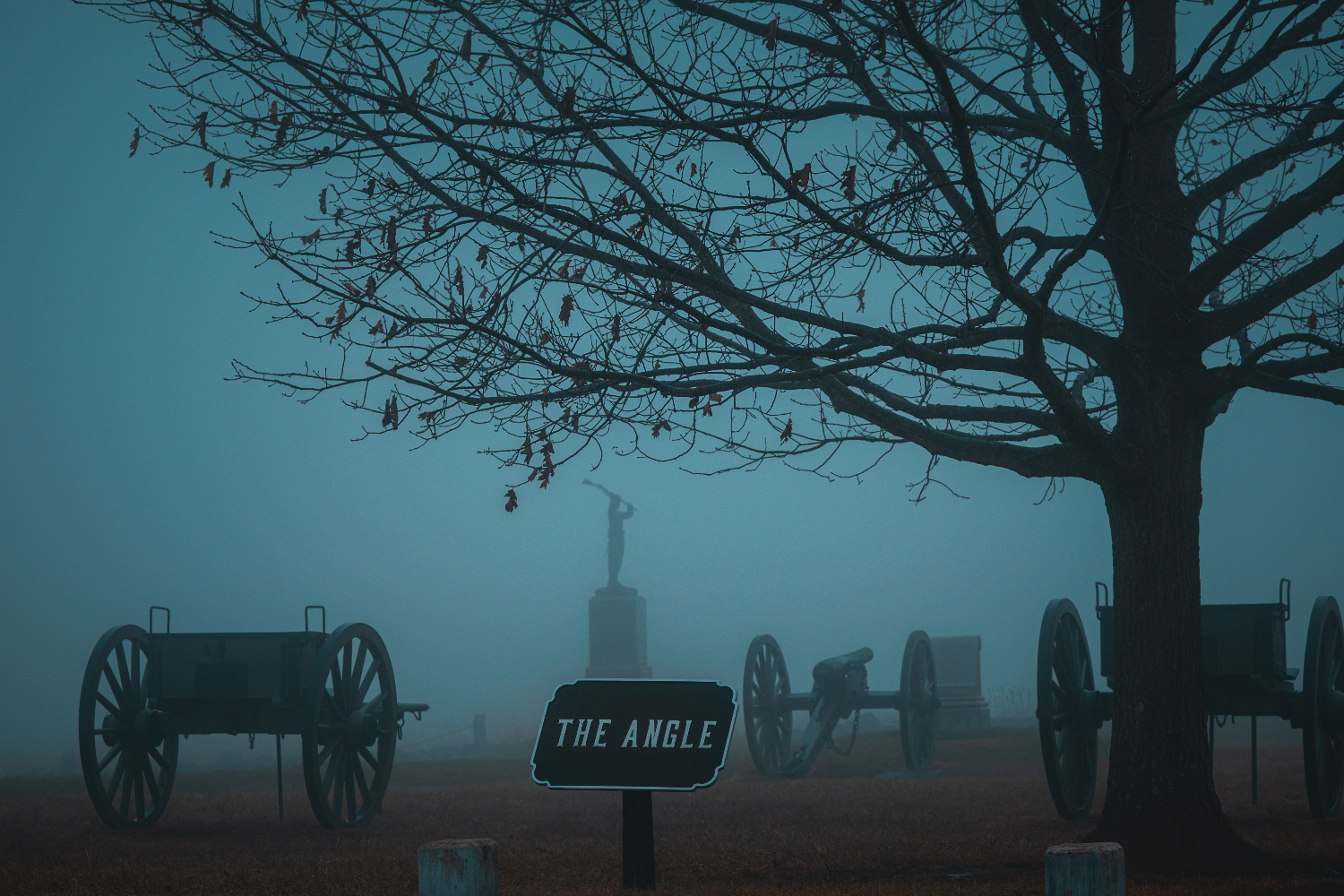
The Copse of Trees is a symbolic landmark on Cemetery Ridge, marking the Confederate "High Water Mark" during Pickett’s Charge on July 3, 1863. This small cluster of trees became the focal point for the Confederate assault’s culmination and eventual repulsion. You'll find nearby monuments commemorating Union and Confederate units, including the High Water Mark Monument, honoring the Union’s successful defense. Interpretive signs detail the charge’s dramatic events, and the surrounding area offers views of the battlefield, including Seminary Ridge. This historic site provides insight into one of the Civil War’s most pivotal moments.
19
The Soldier’s National Cemetery is a sacred site where over 3,500 Union soldiers are buried, commemorating their sacrifice in the Civil War. It is the location of President Abraham Lincoln’s iconic Gettysburg Address, delivered at the cemetery’s dedication in 1863. Visitors can explore rows of grave markers, the Lincoln Speech Memorial, and the Soldiers' National Monument, the cemetery’s focal point. The site’s serene atmosphere encourages reflection on the battle’s legacy. Adjacent to the battlefield, it offers sweeping views of Cemetery Hill and nearby landmarks, emphasizing the cost of the war and the enduring fight for national unity.
What's not included
Private transportation
Entrance Fees
Parking Fees
Meals and Refreshments
Available languages
Audio guide
EN
Reviews breakdown
Viator
4.1
9 reviews
5★
7
4★
0
3★
0
2★
0
1★
2
Tripadvisor
4.3
6 reviews
5★
5
4★
0
3★
0
2★
0
1★
1
Important information
Wheelchair accessible
Infants and small children can ride in a pram or stroller
Service animals allowed
Suitable for all physical fitness levels
Get Started Easily: • Book Your Tour: Receive a confirmation and easy instructions via email. • Download the App: Follow the simple steps in your email. • Redeem the Tour: Use the redeem code in your email to redeem the tour in the app. • Prepare Ahead: Download the tour using strong Wi-Fi.
Begin Your Journey: • Select Your Tour: Go to the My Stuff tab in the Shaka Guide app to launch the tour. • Start the Tour: Select the tour starting point and follow the GPS instructions. • Follow Shaka Guide: Stick to the suggested route and speed for the best experience.
Why Choose Our Audio Tour: • Cost-Efficient: One tour for the entire vehicle—no per-person fees! • Ultimate Flexibility: Start, pause, and resume on your schedule. • Convenience: Use the tour any day, over multiple days if needed.
Top Features: • Hands-Free: The tour works automatically - GPS-activated stories, directions, and music play as you drive for a seamless experience. • Works Offline: No need for continuous wifi or data. • Reliable Support: Get help via call, chat, or email.
Private and Personalized: • Crowd-Free: Enjoy a private tour with just your group. • Customizable Stops: Pick the stops you want and skip the ones you don’t!
The Ultimate Guided Tour: • Detailed Itinerary: Includes travel tips and recommendations. • Engaging Narration: Captivating stories and history.
What Our Users Say: • “A fantastic way to explore! Easy to use and very informative.” • “Loved the flexibility to stop and go as we pleased. Highly recommend!”
Important notes
HOW TO REDEEM YOUR TOUR:
Thank you for purchasing the Gettysburg Battlefield Self-Guided Audio Driving Tour.
Before you start your adventure, you'll need to redeem and download the tour in the Shaka Guide app. Follow the instructions below:
*Please Note: The redeem code is the 10-digit booking reference number on your ticket.
How to Redeem Your Tour(s):
1. Download the Shaka Guide app from the App Store or Google Play
2. Open the app and sign up or sign in
3. Tap Support
4. Tap Retrieve Purchases
5. Tap Redeem Purchase
6. Enter the 10-digit Booking Reference number (under the barcode on their Viator ticket)
7. Hit Redeem Purchase and download the tour(s)
Once you've redeemed your tour you'll find it under "My Stuff" in the app. For a smooth ride, download the tour with wifi before you go.
We can't wait for you to explore with Shaka Guide! If you have any questions don't hesitate to reach out to aloha@shakaguide.com or call (808) 201-8138.
DOWNLOAD THE APP HERE: www.shakaguide.com/download.
About Gettysburg
Gettysburg, Pennsylvania, is renowned for its pivotal role in American history, particularly the Battle of Gettysburg during the Civil War. The town offers a blend of historical significance, natural beauty, and a charming small-town atmosphere. Visitors can explore the iconic battlefields, museums, and local attractions that tell the story of this critical moment in U.S. history.
Top Attractions
Gettysburg National Military Park
This park preserves the site of one of the most significant battles of the American Civil War. Visitors can explore the battlefield, museums, and monuments that tell the story of the battle and its impact on the nation.
Historical
Half day to full day
Moderate
Gettysburg Museum and Visitor Center
This state-of-the-art museum offers a comprehensive overview of the Battle of Gettysburg through exhibits, artifacts, and a 20-minute film. It's the starting point for most visits to the national military park.
Museum
1-2 hours
Moderate
Eisenhower National Historic Site
This site was the home and farm of President Dwight D. Eisenhower. Visitors can tour the house, farm, and museum to learn about Eisenhower's life and presidency.
Historical
1-2 hours
Moderate
Sachs Covered Bridge
This historic covered bridge was built in 1852 and is one of the few remaining covered bridges in Pennsylvania. It played a role in the Battle of Gettysburg and is a popular spot for photos and picnics.
Historical
30 minutes to 1 hour
Free
Gettysburg Heritage Center
This museum offers a different perspective on the Battle of Gettysburg, focusing on the personal stories of those who lived through the battle. It features exhibits, artifacts, and a 10-minute film.
Museum
1 hour
Moderate
Must-Try Local Dishes
Gettysburg Pie
A delicious pie made with chocolate and marshmallows, named after the town of Gettysburg
Dessert
Contains gluten, dairy, and chocolate
Fried Chicken
A Southern favorite, often served with mashed potatoes and gravy
Main Course
Contains gluten and dairy
Apple Cider
A local favorite, often served hot or cold
Drink
Non-alcoholic, gluten-free
Popular Activities
Hiking
Biking
Horseback riding
Picnicking
Wine tasting
Shopping
Museum visits
Historic tours
Best Time to Visit
May to October
This period offers pleasant weather and is ideal for outdoor activities and historical tours. The summer months are particularly popular for reenactments and special events.
15-30°C
59-86°F
Practical Information
Language
- Official: English
- Widely spoken: Spanish, German
- English: Widely spoken
Currency
US Dollar (USD)
Time Zone
Eastern Time Zone (UTC-5)
Electricity
120VV, 60HzHz
Safety Information
Overall Safety Rating: Generally safe
Gettysburg is generally safe for visitors, with low crime rates and a welcoming community. However, as with any destination, it's important to take basic safety precautions and be aware of your surroundings.
Important Precautions:
- • Keep valuables secure
- • Be cautious in crowded areas
- • Use reputable tour operators and taxis
Getting there
By air
- Harrisburg International Airport • 35 miles
- Baltimore/Washington International Thurgood Marshall Airport • 90 miles
By train
MARC Train (Brunswick Line)
By bus
Greyhound Bus Station in Harrisburg
Getting around
Public transport
Public bus service is available but not extensive. Buses run on a schedule and may not be frequent.
Taxis
Available • Apps: Uber, Lyft
Rentals
Car, Bike
Neighborhoods
Downtown Gettysburg
Battlefield Area
Eisenhower Farm
Day trips
Antietam National Battlefield
40 miles • Half day to full day
This national battlefield preserves the site of the Battle of Antietam, the bloodiest single-day battle in American history. Visitors can explore the battlefield, museums, and monuments that tell the story of the battle and its impact on the nation.
Harpers Ferry National Historical Park
60 miles • Full day
This national historical park preserves the historic town of Harpers Ferry, which played a significant role in the Civil War. Visitors can explore the town, museums, and scenic trails that offer stunning views of the Potomac and Shenandoah Rivers.
Shenandoah National Park
80 miles • Full day to overnight
This national park offers stunning views of the Blue Ridge Mountains and a variety of outdoor activities, including hiking, camping, and wildlife viewing. Visitors can explore the park's scenic drives, waterfalls, and historic sites.
Festivals
Gettysburg Battle Reenactment • Early July
Gettysburg Festival of Lights • November to December
Gettysburg Bluegrass Festival • August
Pro tips
- Visit the Gettysburg National Military Park Museum and Visitor Center first to get an overview of the battle and plan your visit
- Consider renting a car for exploring the battlefield and nearby attractions
- Try Gettysburg Pie, a local specialty
- Explore downtown Gettysburg for shopping, dining, and historic sites
- Check for special events and programs, such as reenactments and festivals
From $25
per person
Price varies by option
Secure booking
Free cancellation available
Instant confirmation