Glacier National Park Going-to-the-Sun Road Self-Guided Tour
Active
10h - 11h
For a full refund, cancel at least 24 hours before the scheduled departure time.
Instant confirmation
Mobile or paper ticket accepted
About this experience
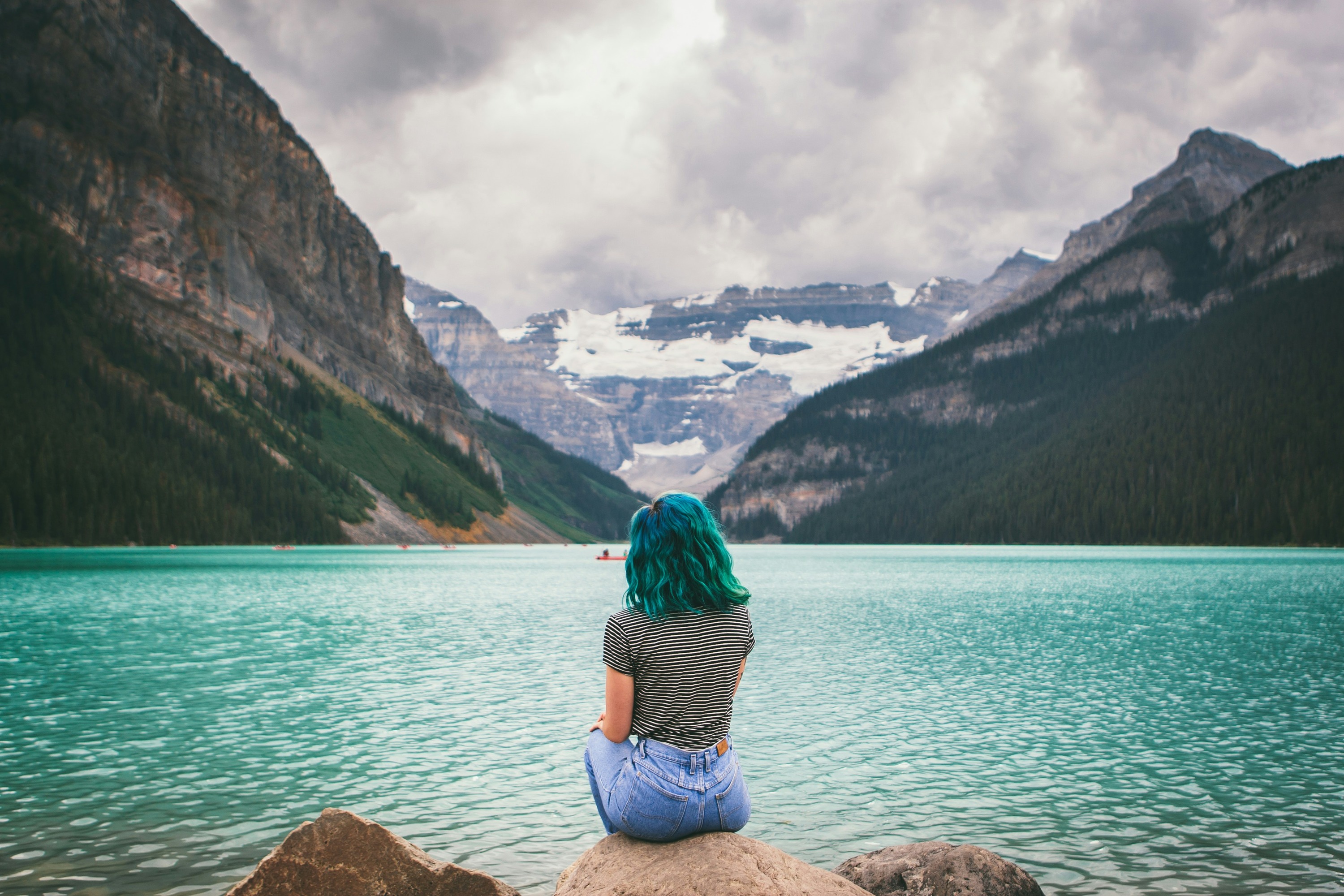
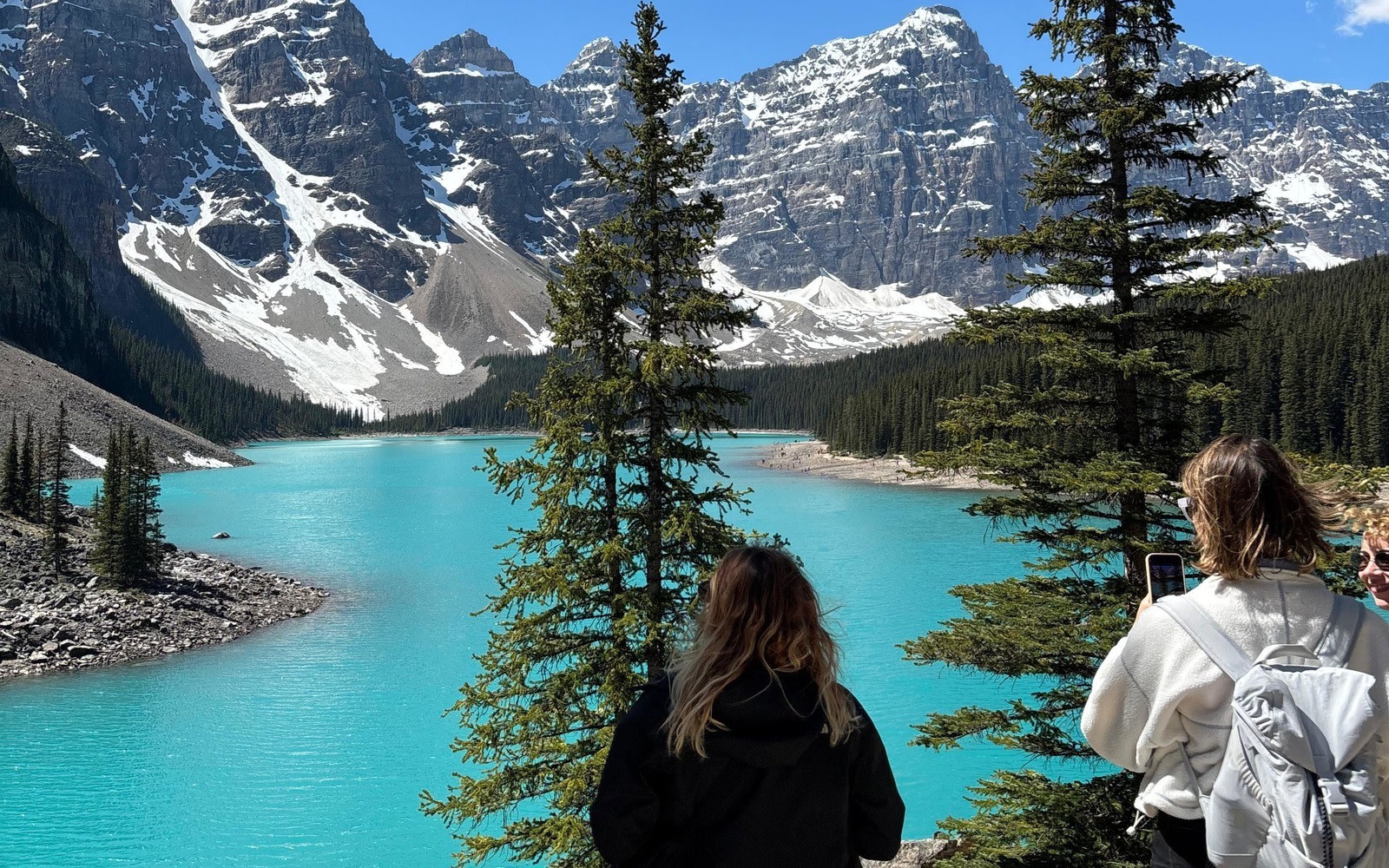
Drive one of the most spectacular roads in the world—Going-to-the-Sun Road—and experience Glacier National Park’s dramatic landscapes at your own pace. Wind past glacial valleys, turquoise lakes, cascading waterfalls, and rugged alpine peaks while narration shares captivating stories about the park’s wildlife, geology, and history.
Start from either entrance and enjoy total flexibility to stop for short hikes like Trail of the Cedars or Hidden Lake Overlook, spot mountain goats and bighorn sheep, capture panoramic photos, or pause at wildflower-filled meadows. Use offline GPS navigation, follow insider tips, and revisit anytime with lifetime access.
Highlights include Logan Pass, St. Mary Lake, Wild Goose Island, Weeping Wall, Rising Sun, and countless scenic pull-offs.
Download the tour, hit the road, and explore Glacier’s breathtaking beauty—on your terms, with every mile offering a new view.
Available options
Glacier National Park Going-to-the-Sun Road Self-Guided Tour
What's included
Tours NEVER expire
Offline map (no wifi or data needed)
Turn-by-turn directions using GPS
Hours of audio narration with stories, travel tips and music
Audio narration that plays automatically as you drive
Detailed itinerary
1
The gateway town just outside of the west Going to the Sun entrance. If you need to pick up anything, like coffee, gas, or bear spray, West Glacier is the last full-service town you'll see until the end of your 2 hour Going to the Sun drive.
2
At the Apgar Visitor Center, you can browse exhibits, do some trip planning, stop by the restroom, and refill your water bottle. It’s also where you can board the Going to the Sun Shuttle. Apgar village has a cafe, gift shop, supply store, and more.
3
This is where you'll take in your first views of Lake McDonald, the largest lake in Glacier National Park.
4
Stop 4
This quick stop lets visitors walk along the pebbly shores of McDonald Lake, admiring its famous rainbow rocks.
5
Stop 5
This shady, lakeside campground has many picnic tables for your enjoyment.
6
Stop 6
Originally called the Lewis Glacier Hotel, it was built in 1914 by prospector John Lewis. This fine example of parkitecture, is made of local stone and cedar.
7
McDonald Falls is one of two short, but beautiful rushing waterfalls located along the McDonald Creek Trail. The blue-green water and white foam is especially stunning on clear, sunny days.
8
The second of the two cascading McDonald Creek falls. Visitors can either stop at each roadside pullover, or just take the McDonald's Creek Trail to visit both. If you turn around at McDonald's fall, the total time is only one hour, and about a mile long.
9
The Trail of the Cedars is renowned for its Western Red Cedar and Hemlock rainforest. The Ttrail is an easy, flat, half-mile loop, although many hikers will choose to continue on to Avalanche Lake.
10
To reach the famous lake, hikers will start at the Trail of the Cedars Trailhead. At four-and-a-half miles, or just over seven kilometers, the Avalanche Lake Trail passes through more rainforest, multiple waterfalls, and up to a crystal clear glacial lake, reflecting Avalanche Peak.
11
Stop 11
These rocks are made of compacted clay and oxidized iron, giving them their rusty red color. This roadside stop features the clear-blue waters of McDonald Creek, cascading over the red Grinnell rocks.
12
Stop 12
This is the overlook for the snow-dusted Mount Cannon. This triple-peaked mountain was formerly known as Mount Goat until 1901, when two daring newlyweds became the first people to summit it.
13
This overlook allows you to get a first view of the Mc Donald Valley before heading up to the higher altitiudes of the Garden Wall.
14
The Loop is the steepest hairpin turn on the entire road, and a major highlight for hikers. It’s the trailhead for some of the park’s most famous trails, like The Loop, Granite Park, and the Highline.
15
Stop 15
Fed by snowmelt from Mount Oberlin and Mount Cannon, the falls are especially spectacular in late spring and early summer. From the overlook, Bird Woman Falls, at 960 feet, is across the valley.
16
Stop 16
Paradise Meadow overlook is a quick roadside stop that lets visitors see across the rolling hills and valleys of Glacier. In spring, a blanket of vibrant wildflowers covers the hillside.
17
Stop 17
Oberlin Bend offers a ten minutes boardwalk trail offering great views of Logan Pass, the Mc Donald Valley, and, sometimes, the local mascots, Glacier's mountain goats.
18
At a whopping 6,600 feet above sea level, Logan Pass is the highest elevation on the road. There's a lot to see and do here, including several famous trails and the Logan Pass Visitor Center.
19
One of the most popular trails on the Going-to-the-Sun Road, the Highline Trail in Glacier National Park is a spectacular 11.8-mile path that follows the Continental Divide, offering breathtaking views of alpine meadows, rugged mountain peaks, and diverse wildlife.
20
Hidden in a hairpin turn, Lunch Creek Pullover is where water cascades down Pollock Mountain. Take a short walk down to the observation deck to take in the sights and sounds.
21
Piegan Pass is a popular hike, but at over nine miles long, it’s definitely a full-day adventure. First, the trail follows along Siyeh Creek, through a thick, spruce-fir forest, and up to the barren, rocky pass between Siyeh and the Cataract Mountains.
22
Jackson Glacier Overlook is where you can see Jackson, the park’s 7th largest remaining glacier, and learn a little about glaciers and their fate in the park.
23
If you’re up for a short hike, we highly recommed the St. Mary Falls Trail. It’s only one-and-a-half miles to the falls and back, with less than 200 feet of elevation change. If you want to double your falls, you can take the trail down to Virginia Falls, for a total of three miles round trip.
24
This quick hike is great to take on its own, or with St. Mary's falls. It’s just over a mile to Baring Falls and back.
25
The picture-perfect promontory of Sun Point is a great place to look out over St. Mary lake. You may also want to set out on the Sun Point Nature Trail, a two-mile, or three-kilometer hike that offers stunning views of Saint Mary Lake, Baring Falls, and Red Eagle Mountain.
26
Wild Goose Island lookout is a great place to stop and practice your photography skills. From left to right, you’ll see the following mountains: Red Eagle, Mahtotopa, Little Chief, Dusty Star, and Citadel.
27
This overlook looks our at The Narrows and The Golden Staircase, the narrowest channel of the lake and the retaining wall built to support the banks.
28
Stop 28
This is a great spot to dip your toes in the waters of St. Mary Lake, watch boaters, or maybe even set sail yourself.
29
Stop 29
This lakeside picnic area is one of the final stops before exiting the eastern Going-to-the-Sun gate.
30
At the St. Mary Visitor Cnter, you can browse the bookstore and exhibits, and watch a film on the history of the park. You can also swing by the restroom and fill up your water bottles.
31
This "secret stop" is missed by most people. Only about 500 feet down Beaver Pond Trail, this historic ranger station was built in 1913 and housed one of the earliest park rangers.
What's not included
Private Transportation
Meals & Refreshments
Park Entrance Fee
Parking Fees
Available languages
Audio guide
EN
Reviews breakdown
Viator
3.1
7 reviews
5★
3
4★
1
3★
0
2★
0
1★
3
Tripadvisor
2.8
5 reviews
5★
2
4★
0
3★
0
2★
1
1★
2
Important information
Wheelchair accessible
Infants and small children can ride in a pram or stroller
Service animals allowed
Suitable for all physical fitness levels
Additional Starting Points: Columbia, Middle Fork, Baab, Kiowa and Wetzel
Get Started Easily: • Book Your Tour: Receive a confirmation and easy instructions via email. • Download the App: Follow the simple steps in your email. • Redeem the Tour: Use the redeem code in your email to redeem the tour in the app. • Prepare Ahead: Download the tour using strong Wi-Fi.
Begin Your Journey: • Select Your Tour: Go to the My Stuff tab in the Shaka Guide app to launch the tour. • Start the Tour: Select the tour starting point and follow the GPS instructions. • Follow Shaka Guide: Stick to the suggested route and speed for the best experience.
Why Choose Our Audio Tour: • Cost-Efficient: One tour for the entire vehicle—no per-person fees! • Ultimate Flexibility: Start, pause, and resume on your schedule. • Convenience: Use the tour any day, over multiple days if needed.
Top Features: • Hands-Free: The tour works automatically - GPS-activated stories, directions, and music play as you drive for a seamless experience. • Works Offline: No need for continuous wifi or data. • Reliable Support: Get help via call, chat, or email.
Private and Personalized: • Crowd-Free: Enjoy a private tour with just your group. • Customizable Stops: Pick the stops you want and skip the ones you don’t!
The Ultimate Guided Tour: • Detailed Itinerary: Includes travel tips and recommendations. • Engaging Narration: Captivating stories and history.
What Our Users Say: • “A fantastic way to explore! Easy to use and very informative.” • “Loved the flexibility to stop and go as we pleased. Highly recommend!”
Meeting point
To reach West Glacier, Montana, take U.S. 2 E from Kalispell for about 33 miles.
If you're coming from Missoula, drive north on U.S. 93, then follow MT-35 and U.S. 2 E.
From Spokane, take I-90 E, then continue on U.S. 2 E. This will bring you to the main entrance of Glacier National Park.
Important notes
HOW TO REDEEM YOUR TOUR:
Thank you for purchasing the Going-to-the-Sun Road Tour.
Before you start your adventure, you'll need to redeem and download the tour in the Shaka Guide app. Follow the instructions below:
*Please Note: The redeem code is the 10-digit booking reference number on your ticket (located under the barcode).
How to Redeem Your Tour(s):
1. Download the Shaka Guide app from the App Store or Google Play
2. Open the app and sign up or sign in
3. Tap Support
4. Tap Retrieve Purchases
5. Tap Redeem Purchase
6. Enter the 10-digit Booking Reference number (under the barcode on their Viator ticket)
7. Hit Redeem Purchase and download the tour(s)
Once you've redeemed your tour, you'll find it under "My Stuff" in the app.
For a smooth ride, download the tour with wifi before you go.
We can't wait for you to explore with Shaka Guide!
If you have any questions, don't hesitate to reach out to aloha@shakaguide.com or call (808) 201-8138
DOWNLOAD THE APP HERE: www.shakaguide.com/download
About West Glacier
West Glacier, Montana, is a small, picturesque community that serves as the primary entrance to the stunning Glacier National Park. Known for its breathtaking natural beauty, this area offers a gateway to some of the most spectacular landscapes in the United States, including glacier-carved valleys, pristine lakes, and rugged mountains. It's a paradise for outdoor enthusiasts and nature lovers.
Top Attractions
Glacier National Park
Glacier National Park is a UNESCO World Heritage Site known for its stunning landscapes, including glacier-carved valleys, pristine lakes, and rugged mountains. It offers a vast network of hiking trails, scenic drives, and opportunities for wildlife viewing.
Nature
Multiple days recommended
Free entry with America the Beautiful Pass, otherwise $35 per vehicle
Going-to-the-Sun Road
This iconic road stretches 50 miles across Glacier National Park, offering breathtaking views of the park's landscapes. It's a must-see for visitors and is particularly stunning in the summer when wildflowers are in bloom.
Scenic Drive
2-4 hours for a scenic drive
Included with park entry fee
Lake McDonald
Lake McDonald is the largest lake in Glacier National Park, known for its stunning turquoise waters and surrounding mountain scenery. It's a popular spot for hiking, boating, and picnicking.
Natural Wonder
1-2 hours for a visit
Included with park entry fee
Many Glacier
Many Glacier is one of the most scenic and popular areas of Glacier National Park, known for its stunning views of the surrounding mountains and glaciers. It offers a variety of hiking trails, boat tours, and wildlife viewing opportunities.
Nature
Full day recommended
Included with park entry fee
Apgar Village
Apgar Village is a historic area within Glacier National Park, offering a glimpse into the park's past with its rustic buildings, museums, and visitor center. It's a great place to start your exploration of the park.
Historical
1-2 hours for a visit
Included with park entry fee
Must-Try Local Dishes
Bison Burger
A juicy burger made from locally sourced bison meat, often served with toppings like cheese, lettuce, tomato, and special sauces.
Lunch/Dinner
Gluten-free and low-fat options available
Huckleberry Pie
A sweet and tangy pie made with huckleberries, a local wild berry that grows abundantly in the region.
Dessert
Contains gluten and dairy
Fresh Trout
Freshly caught trout, often grilled or fried, and served with seasonal vegetables and potatoes.
Dinner
Gluten-free and low-carb options available
Popular Activities
Hiking
Rock climbing
Mountain biking
Whitewater rafting
Picnicking
Wildlife viewing
Scenic drives
Fishing
Best Time to Visit
June to August
This is the best time to visit West Glacier due to the warm weather and full access to all park facilities and trails. The days are long, and the weather is generally pleasant, making it ideal for hiking, camping, and exploring the national park.
15°C to 30°C (59°F to 86°F)
59°F to 86°F
Practical Information
Language
- Official: English
- Widely spoken: English
- English: Widely spoken
Currency
United States Dollar (USD)
Time Zone
GMT-7 (Mountain Standard Time, MST), GMT-6 (Mountain Daylight Time, MDT) during daylight saving time
Electricity
120VV, 60HzHz
Safety Information
Overall Safety Rating: Generally safe, with some potential hazards and challenges due to the remote and natural environment.
West Glacier and the surrounding area are generally safe, with low crime rates and a strong focus on outdoor recreation and nature. However, visitors should be aware of potential hazards and challenges, such as wildlife encounters, variable weather conditions, and limited medical facilities.
Important Precautions:
- • Carry bear spray and know how to use it
- • Stay on designated trails and paths
- • Be aware of wildlife and maintain a safe distance
Getting there
By air
- Glacier Park International Airport • 25 miles (40 km) from West Glacier
By train
West Glacier Amtrak Station
By bus
Kalispell Transit Center
Getting around
Public transport
Shuttle services are available within Glacier National Park and connect to nearby towns. They are especially useful during peak season when parking is limited.
Taxis
Available • Apps: Uber, Lyft
Rentals
Car, Bike
Neighborhoods
West Glacier
Day trips
Waterton Lakes National Park
30 miles (48 km) • Full day recommended
Waterton Lakes National Park, located in Alberta, Canada, is a stunning park known for its rugged landscapes, pristine lakes, and diverse wildlife. It's a great destination for hiking, wildlife viewing, and scenic drives.
Whitefish
30 miles (48 km) • Half day to full day
Whitefish is a charming town known for its vibrant arts and culture scene, as well as its proximity to outdoor recreation opportunities. It's a great destination for shopping, dining, and exploring local attractions.
Flathead Lake
50 miles (80 km) • Full day recommended
Flathead Lake is the largest natural freshwater lake by surface area west of the Mississippi River. It's a popular destination for boating, fishing, swimming, and picnicking.
Festivals
Glacier National Park's 111th Birthday Celebration • May 11th
Whitefish Winter Carnival • February (dates vary)
Pro tips
- Arrive early to secure parking and avoid crowds at popular attractions and trailheads
- Carry bear spray and know how to use it when hiking or exploring the park
- Stay on designated trails and paths to protect the environment and ensure your safety
- Check weather conditions and road closures before venturing out, as they can change rapidly
- Pack layers and be prepared for variable weather conditions, even in the summer
From $25
per person
Price varies by option
Secure booking
Free cancellation available
Instant confirmation