Where the East and West meet (Sarajevo)
Active
3h - 4h
For a full refund, cancel at least 24 hours before the scheduled departure time.
Manual confirmation
Mobile or paper ticket accepted
About this experience
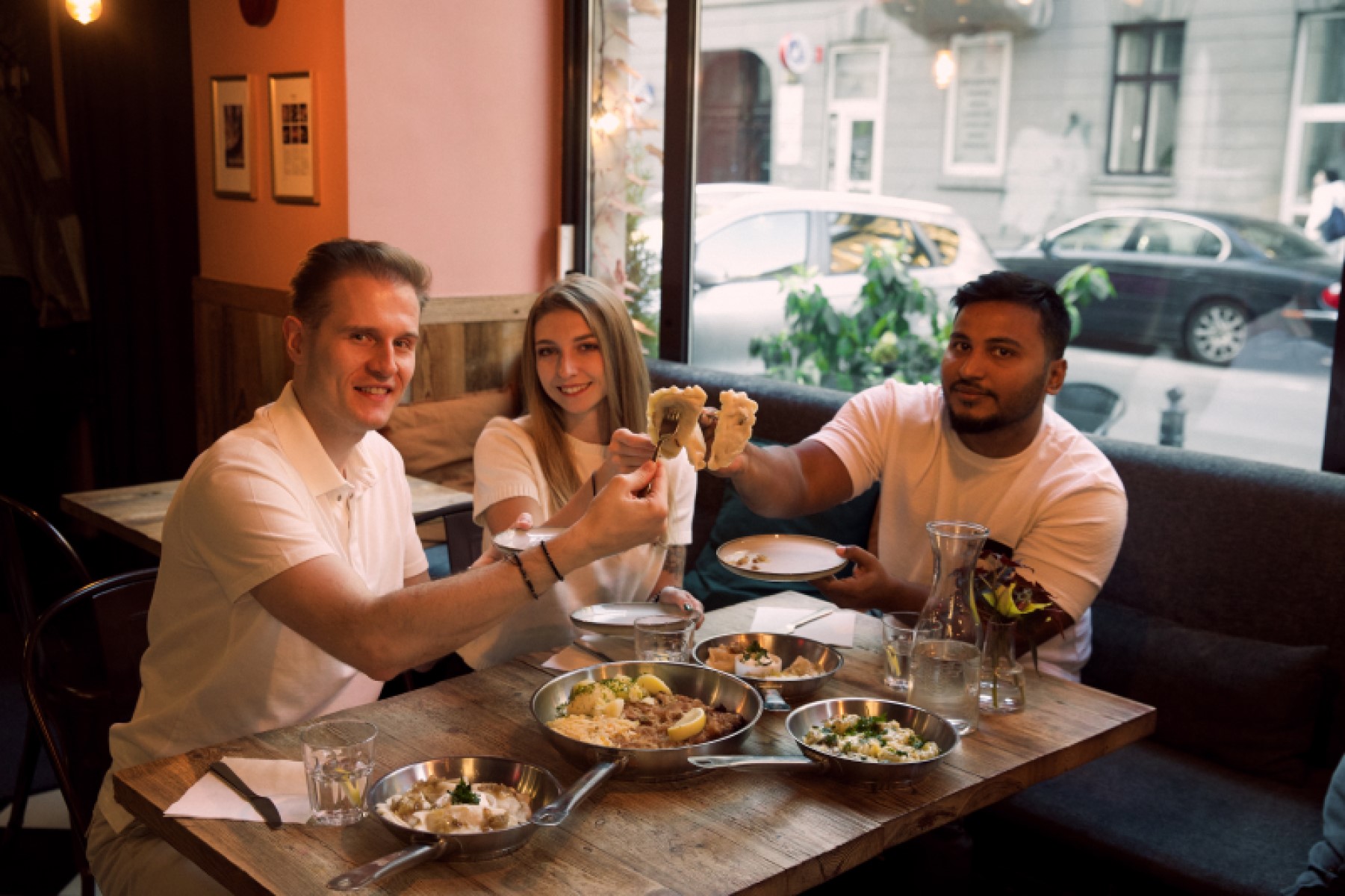
Bosnia and Herzegovina is located in southeastern Europe. The territory that encompasses this country has historically been a place where different culture merge for centuries. The identity is neither eastern or western. It is a combination of these two sides woven into all pores of society. This compound Where the East and the West meet is expressed through:
• Architecture
• Tradition
• Lifestyle
• Food
• Religion
The purpose of this tour is to visit some of the most incredible places in Bosnia and Herzegovina and; see, experience, taste and feel this unique identity.
Available options
Where the East and West meet (Sarajevo)
Pickup included
What's included
Guide
Detailed itinerary
1
Stop 1
The Gazi Husrev-beg Mosque (Bosnian: Gazi Husrev-begova Džamija, Turkish: Gazi Hüsrev Bey Camii), is a mosque in the city of Sarajevo, Bosnia and Herzegovina. Built in the 16th century, it is the largest historical mosque in Bosnia and Herzegovina and one of the most representative Ottoman structures in the Balkans.
2
Stop 2
Latin Bridge (Bosnian, Croatian and Serbian: Latinska ćuprija / Латинска ћуприја, named Principov most / Принципов мост - "Princip Bridge" in Yugoslavian era) is an Ottoman bridge over the river Miljacka in Sarajevo, Bosnia and Herzegovina. The northern end of the bridge was the site of the assassination of Archduke Franz Ferdinand of Austria by Gavrilo Princip in 1914, which became casus belli of World War I.
3
The Sacred Heart Cathedral (Serbo-Croatian: Katedrala Srca Isusova; Катедрала Срца Исусова) is a Catholic church in Sarajevo; commonly referred as the Sarajevo Cathedral (Sarajevska katedrala / Сарајевска катедрала), it is the largest cathedral in Bosnia and Herzegovina.[2] It is the seat of the Archbishop of Vrhbosna, currently Cardinal Vinko Puljić, and center of Catholic worship in the city. The Cathedral is located in the city's Old Town district.
4
The Church of the Holy Archangels Michael and Gabriel (Serbian: црква св. Арханђела Михаила и Гаврила - crkva sv. Arhanđela Mihaila i Gavrila), also known as the Old Orthodox Church, is a Serbian Orthodox church in Sarajevo, Bosnia and Herzegovina. It was first mentioned in Ottoman sources dating to 1539. The Church was, however, built on older foundations).
5
Stop 5
Baščaršija (Cyrillic script: Башчаршија; pronounced [baʃ.tʃǎr.ʃi.ja]) is Sarajevo's old bazaar and the historical and cultural center of the city. Baščaršija was built in the 15th century when Isa-Beg Isaković founded the town.[1] The word Baščaršija derives from the Turkish language. The word "baš" which is "baş" in Turkish literally means "head", in some contexts however also "primary", "main", "capital" and "čaršija" which is "çarşı" in Turkish means "bazaar" or "market".[2] Due to the large fire in the 19th century, today Baščaršija is half the size that it once was.
6
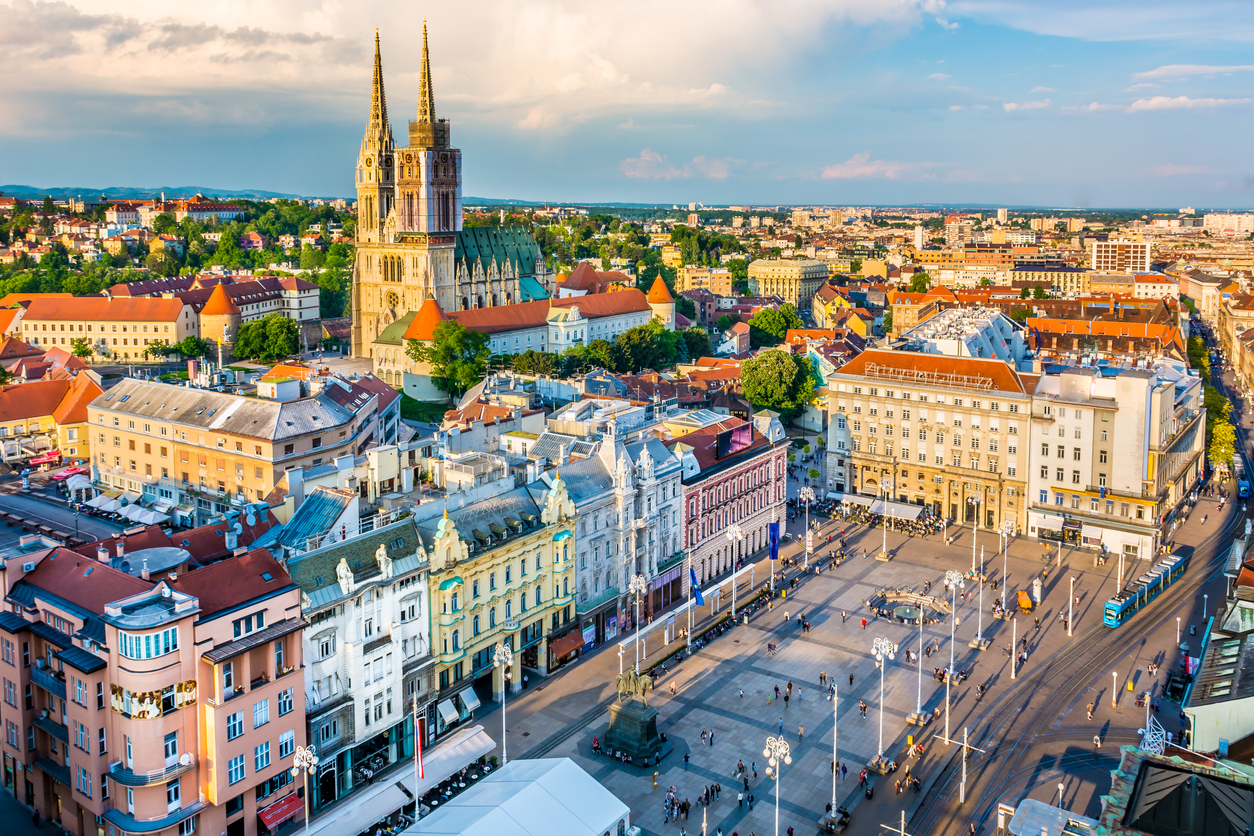
While Sarajevo's city core retains its essentially Ottoman character, the surrounding central area has a fine selection of grand Austro-Hungarian buildings.
7
A storybook neo-Moorish striped facade makes the triangular Vijećnica (1896) Sarajevo's most beautiful Austro-Hungarian–era building. Seriously damaged during the 1990s siege, it finally reopened in 2014 after laborious reconstruction. Its colourfully restored interior and stained-glass ceiling are superb. Your ticket also allows you to peruse the excellent Sarajevo 1914–2014 exhibition in the octagonal basement. This gives well-explained potted histories of the city's various 20th-century periods, insights into fashion and music subcultures, and revelations about Franz Ferdinand's love life.
Available languages
Guide guide
EN
ES
Important information
Public transportation options are available nearby
Infants are required to sit on an adult’s lap
Specialized infant seats are available
Suitable for all physical fitness levels
Meeting point
We offer pickup tourists from any accommodation place in Sarajevo.
Important notes
Only the person who bought the ticket must show an identification document.
About Mostar
Mostar is a historic city in Bosnia and Herzegovina, famous for its iconic Stari Most (Old Bridge), a 16th-century Ottoman bridge that spans the Neretva River. The city is a blend of Ottoman, Mediterranean, and European influences, offering rich history, vibrant culture, and stunning architecture. It's a must-visit for history buffs and architecture enthusiasts.
Top Attractions
Stari Most (Old Bridge)
A 16th-century Ottoman bridge that spans the Neretva River, symbolizing the city's rich history and cultural heritage.
Historical/Architecture
1-2 hours
Free
Koski Mehmed Pasha Mosque
A 17th-century mosque with a beautiful minaret and panoramic views of the city.
Religious/Architecture
1 hour
Free (small fee for minaret climb)
Blagaj
A picturesque village near Mostar, known for its Dervish monastery (Tekke) built into a cliff overlooking the Buna River.
Nature/Historical
2-3 hours
Free (small fee for monastery entry)
Must-Try Local Dishes
Ćevapi
Grilled minced meat sausages, typically served with somun (flatbread) and onions.
Main Dish
Contains meat
Burek
A flaky pastry filled with meat, cheese, or spinach.
Snack
Vegetarian options available
Begova Čorba
A rich, spicy soup made with vegetables, meat, and various spices.
Soup
Contains meat
Rakija
A traditional fruit brandy, often homemade and served as an aperitif.
Drink
Alcoholic
Popular Activities
Hiking
Rafting on the Neretva River
Diving from the Old Bridge
Coffee at a local cafe
Strolling through the Old Town
Picnicking by the river
Visiting museums and galleries
Attending local festivals
Best Time to Visit
May to September
This is the best time to visit Mostar due to pleasant weather and numerous outdoor activities. The city is lively with festivals and tourists.
20°C to 35°C
68°F to 95°F
Practical Information
Language
- Official: Bosnian
- Widely spoken: Croatian, Serbian, English
- English: Moderately spoken in tourist areas, limited elsewhere
Currency
Bosnia and Herzegovina Convertible Mark (BAM)
Time Zone
CET (UTC +1), CEST (UTC +2) during daylight saving time
Electricity
220VV, 50HzHz
Safety Information
Overall Safety Rating: Generally safe
Mostar is generally safe for tourists, but petty crime and scams can occur, especially in tourist areas. Be cautious of your surroundings and keep an eye on your belongings.
Important Precautions:
- • Use licensed taxis and insist on the meter
- • Keep valuables secure and out of sight
- • Be cautious of strangers offering unsolicited help or services
Getting there
By air
- Mostar International Airport • 10 km from city center
By bus
Mostar Bus Station
Getting around
Public transport
The bus system is affordable and covers most of the city. Buses are frequent but can be crowded during peak hours.
Taxis
Available • Apps: Yutong, Bingo
Rentals
Car, Bike, Scooter
Neighborhoods
Old Town (Stari Grad)
East Mostar
Day trips
Blagaj
8 km • Half day
A picturesque village known for its Dervish monastery and the Buna River spring.
Počitelj
25 km • Half day
A well-preserved Ottoman village with a fortress, mosques, and traditional houses.
Kravice Waterfalls
30 km • Full day
A stunning series of waterfalls and pools in a lush, green setting.
Festivals
Mostar Summer Festival • July
Winter Festival • December
Pro tips
- Visit the Old Bridge early in the morning or late in the afternoon to avoid crowds and heat
- Try the local coffee and pastries at a traditional cafe in the Old Town
- Take a day trip to Blagaj or Kravice Waterfalls for a break from the city
- Learn a few basic phrases in Bosnian to enhance your experience and connect with locals
- Bargain politely in the Old Bazaar, but be prepared to walk away if the price is too high
From $25
per person
Price varies by option
Secure booking
Free cancellation available