Get In: The Ultimate Berlin Club Tour
Active
3h
For a full refund, cancel at least 24 hours before the scheduled departure time.
Instant confirmation
Mobile or paper ticket accepted
About this experience
The only tour that helps you choose the perfect club – and takes you behind the scenes!
Berlin has over 100 clubs, each with its own music, vibe, and entry rules. This tour helps you navigate Berlin’s legendary club scene so you know exactly where to go for an unforgettable night out!
What makes this tour unique?
✅ Get exclusive behind-the-scenes access to a world-famous Berlin club (subject to availability).
✅ Discover Berlin’s club culture history, from WWII bunkers to the fall of the Berlin Wall.
✅ Find out which celebrities made it in – and which are banned for life!
✅ Understand how Berlin’s clubs were shaped by the LGBTQIA+ & BIPOC communities.
✅ Experience a multimedia tour with 200+ photos, videos, quotes, audio clips & Augmented Reality.
✅ Led by Jeff, a certified social scientist & Berlin nightlife journalist.
Book now and unlock the secrets of Berlin’s club scene!
Note: This tour takes place mostly outdoors, except for one club that we visit from the inside.
Available options
Get In: The Ultimate Berlin Club Tour
What's included
Exclusive behind-the-scenes access to a world-famous Berlin club (subject to availability)
Mixies: Take fun, personalized photos with Augmented Reality elements for lasting memories
Augmented Reality experience to see celebrities and clubs come to life
200+ photos, videos, quotes, and audio clips featuring Berlin’s club culture
Expert guide with deep knowledge of Berlin’s club history and culture
Detailed itinerary
1
The tour begins at SchwuZ, one of Berlin's most iconic LGBTQ+ clubs. Here, you’ll learn about the impact of the Berlin Wall on the city's nightlife and how Romy Haag, a trans pioneer, helped revolutionize the nightclub scene in the 1970s. You’ll hear how the gay community and clubs like Metropol set the stage for the Techno revolution that would later define Berlin. SchwuZ’s history is also deeply intertwined with activism, particularly during the AIDS crisis, and it remains a cultural hotspot for the LGBTQ+ community today.
2
Next, we’ll head to SO36, a club that embodies the spirit of West Berlin in the 1970s. We’ll discuss the economic struggles of the time, which helped shape the local club scene. SO36 became a hub for punk, feminism, and counterculture, and you’ll learn about the involvement of music legends like David Bowie and Iggy Pop. The club also played an important role in Berlin’s Turkish community and has diversified over the years, with events like Kreuzberg CSD and Mad & Disabled Pride. The club’s ongoing influence as a space of solidarity and inclusion continues today.
3
The tour continues with a visit to Tresor, a world-renowned techno club located in a former GDR power plant. We’ll explore the historical significance of clubs built in abandoned buildings after the fall of the Berlin Wall and how Tresor became a symbol of Berlin's techno movement. You’ll learn about the impact of Detroit’s Black techno DJs, who shaped the sound and culture of Berlin’s club scene, forever changing the global music landscape.
4
Stop 4
At the Kit Kat Club, you'll experience one of Berlin's most unique and provocative venues. While it has historical roots in Berlin's cabaret culture in the Roaring 1920s, today, it’s known for its bold approach to freedom and expression. The club is a haven for those exploring the boundaries of sexuality and identity, with a reputation for hosting avant-garde parties that challenge conventions. Whether it's the music, the atmosphere, or the club's diverse, open-minded crowd, Kit Kat continues to push the envelope, offering a space where anything goes—just like Berlin itself.
5
Stop 5
Next, we’ll visit the Club Commission, an organization dedicated to preserving the political and cultural role of Berlin's clubs. You’ll learn how Berlin’s nightclubs function as safer spaces for marginalized communities and how they’ve become centers of activism. From protests against the far-right AfD to support for LGBTQ+ rights, clubs in Berlin have long been at the heart of political and cultural movements, and the Club Commission continues to champion their importance as venues for artistic expression and social change.
6
The next stop is Kater Blau and Holzmarkt, an area fighting against gentrification and the loss of Berlin’s underground culture. We’ll discuss how these venues maintain their authenticity in a city increasingly dominated by commercial interests and explore their efforts to preserve the alternative spaces that make Berlin’s nightlife so unique. These clubs are at the forefront of a movement to protect Berlin’s creative community from the pressures of urban development.
7
At YAAM, you’ll learn about the role of the Black Caribbean community in Berlin's vibrant music scene, particularly the influence of reggae. YAAM has long been a space for cultural exchange and community building, and it also hosts initiatives aimed at promoting tolerance and youth empowerment. Discover how the club’s message of inclusion is reflected in its music, events, and advocacy for refugees and other marginalized groups.
8
Stop 8
Next, we’ll visit Berghain, the world-famous techno temple that has become an icon of Berlin’s nightlife. You’ll hear about the club’s history in a former bunker and its evolution into one of the most influential music venues in the world. We’ll discuss Berghain’s strict no-photo policy, which helps create a sense of freedom and anonymity on the dancefloor. The club is also known for its inclusive atmosphere, where sexual exploration and gender expression are celebrated, and we’ll discuss the influence of thinkers like Judith Butler and Michel Foucault on Berghain’s ethos. Learn how Berghain continues to push the boundaries of what a nightclub can be, offering a space for everyone to be themselves.
9
Stop 9
Finally, we’ll explore RAW Gelände, a sprawling site filled with clubs like Suicide Circus, Haubentaucher, and Astra Kulturhaus. The area has played a significant role in shaping Berlin’s alternative culture. We’ll discuss the impact of gentrification on RAW and other venues, the loss of clubs like Watergate and Grießmühle, and the struggles of other hotspots like ://aboutblank. This stop also highlights Berlin’s long history of open-air raves and how these events helped reclaim Berlin’s techno culture, which is still a driving force in the city’s nightlife today.
What's not included
Gratuities
Public transport ticket (please bring one to join the tour)
Available languages
Audio guide
EN
Guide guide
EN
Written guide
EN
Reviews breakdown
Tripadvisor
4.9
28 reviews
5★
27
4★
0
3★
0
2★
0
1★
1
Important information
Wheelchair accessible
Service animals allowed
Public transportation options are available nearby
Transportation options are wheelchair accessible
All areas and surfaces are wheelchair accessible
Suitable for all physical fitness levels
Meeting point
We will meet in front of the entrance of the club "SchwuZ" at Rollbergstraße 26 in Berlin-Neukölln.
About Berlin
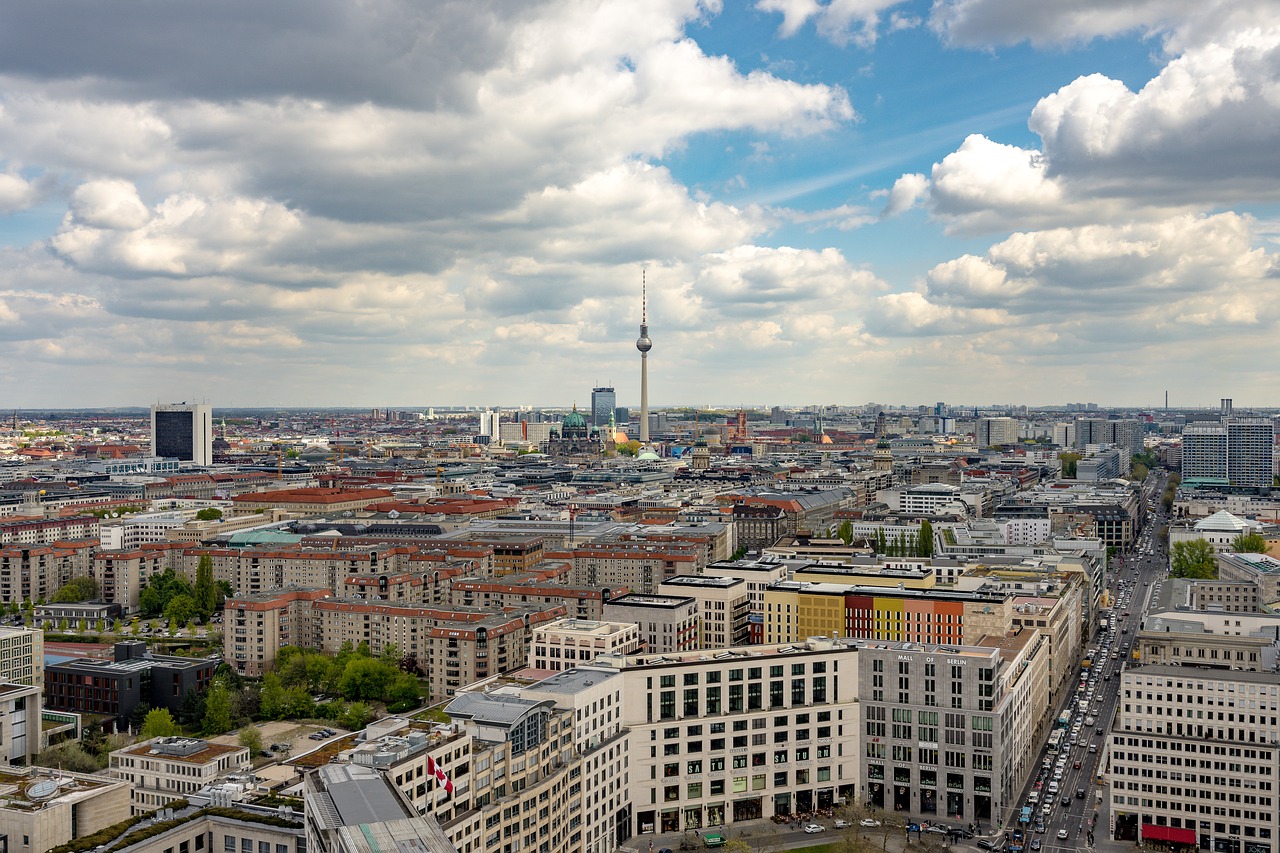
Berlin, Germany's capital and largest city, is a vibrant metropolis known for its rich history, diverse culture, and dynamic nightlife. The city's eclectic mix of modern and historic architecture, world-class museums, and thriving arts scene make it a must-visit destination in Europe.
Top Attractions
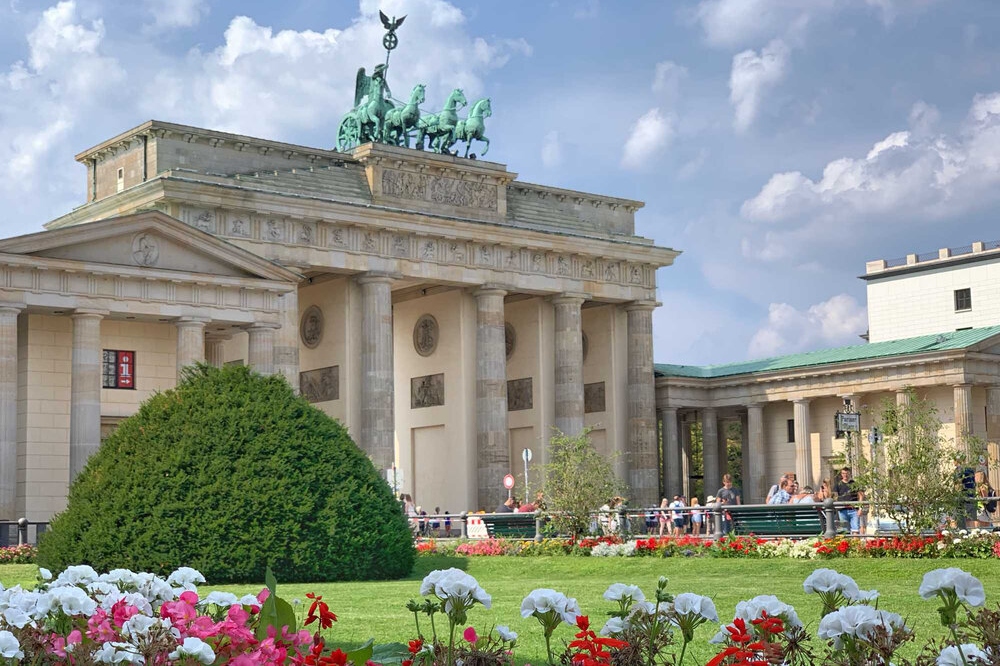
Brandenburg Gate
A neoclassical monument and one of Berlin's most iconic landmarks, the Brandenburg Gate was built in the 18th century and has been a symbol of the city's history and reunification.
Historical
30 minutes to 1 hour
Free
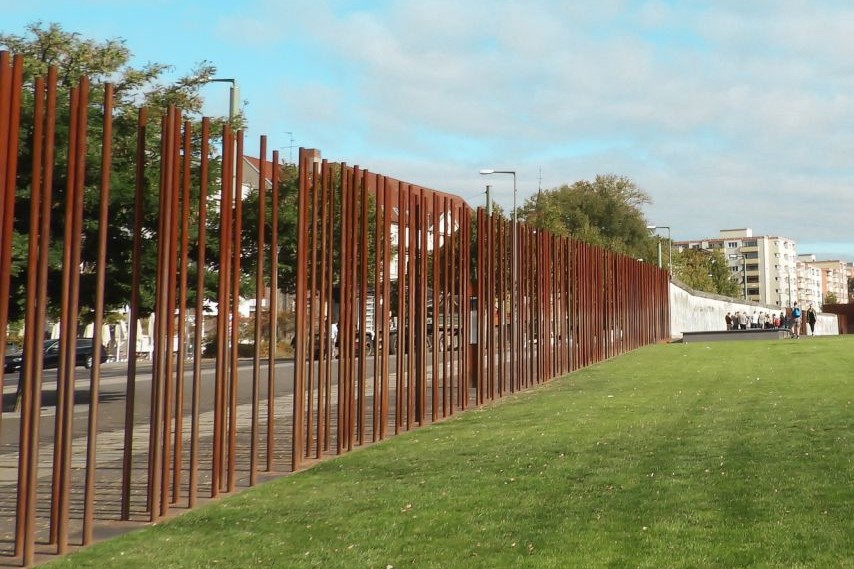
Berlin Wall Memorial and East Side Gallery
The Berlin Wall Memorial and the East Side Gallery are important historical sites that commemorate the division of Berlin during the Cold War and the fall of the Wall in 1989.
Historical
1-2 hours
Free
Museum Island
A UNESCO World Heritage site, Museum Island is home to five world-renowned museums, including the Pergamon Museum, the Neues Museum, and the Alte Nationalgalerie.
Museum
Half-day to full day
€19 (Museum Island Day Ticket) or individual museum tickets
Reichstag Building
The Reichstag Building is the seat of the German Bundestag (parliament) and a symbol of German democracy. The glass dome on top offers panoramic views of the city.
Historical
1-2 hours
Free (but advance registration is required)
Potsdamer Platz
Potsdamer Platz is a major public square and traffic intersection in the heart of Berlin. It is known for its modern architecture, shopping, and entertainment options.
Architecture
1-2 hours
Free to explore, costs vary for shopping and dining
Must-Try Local Dishes
Currywurst
A popular Berlin street food, currywurst is a sliced sausage served with a curry ketchup sauce and often topped with curry powder.
Snack
Contains pork, vegetarian and vegan options available
Boulette
A German-style meatball, usually served with potato salad or mashed potatoes and a creamy sauce.
Main Course
Contains beef or pork, vegetarian and vegan options available
Döner Kebab
A Turkish dish popularized in Berlin, consisting of seasoned meat (usually lamb, beef, or chicken) cooked on a vertical rotisserie and served in flatbread with vegetables and sauces.
Main Course
Contains meat, vegetarian and vegan options available
Berliner Pfannkuchen
A jelly-filled doughnut, similar to a Berlin-style donut, often eaten during Carnival season.
Dessert
Contains wheat, dairy, and egg, vegan options available
Popular Activities
Cycling
Hiking
Boat tours
Rock climbing
Spa and wellness
Picnicking in parks
Café hopping
Boat tours on the Spree River
Best Time to Visit
June to August
This is the warmest time of the year with long daylight hours, making it ideal for outdoor activities and festivals. The city is lively with tourists and locals enjoying the summer weather.
20°C to 25°C (68°F to 77°F)
68°F to 77°F
Practical Information
Language
- Official: German
- Widely spoken: English, French, Turkish, Arabic, Russian
- English: Widely spoken
Currency
Euro (EUR)
Time Zone
GMT+1 (CET), GMT+2 (CEST during daylight saving time)
Electricity
230VV, 50HzHz
Safety Information
Overall Safety Rating: Generally safe
Berlin is generally a safe city for travelers, with low crime rates and a welcoming atmosphere. However, as with any major city, it's important to be aware of your surroundings and take precautions to protect yourself and your belongings.
Important Precautions:
- • Be aware of your surroundings and keep an eye on your belongings, especially in crowded areas and on public transportation.
- • Use licensed taxis or ride-sharing services, and agree on the fare before starting your journey.
- • Keep your passport and valuables in a safe place, and carry a copy of your passport and important documents.
Getting there
By air
- Berlin Brandenburg Airport • 18 km (11 miles) from city center
By train
Berlin Hauptbahnhof
By bus
Berlin Central Bus Station (ZOB)
Getting around
Public transport
The U-Bahn is a fast and efficient way to get around Berlin, with 10 lines serving 173 stations. It operates from early morning to late at night.
Taxis
Available • Apps: Uber, FreeNow
Rentals
Car, Bike, Scooter
Neighborhoods
Mitte
Kreuzberg
Prenzlauer Berg
Friedrichshain
Charlottenburg
Day trips
Potsdam
35 km (22 miles) from Berlin • Half-day to full day
Potsdam is a charming city near Berlin, known for its stunning palaces, parks, and lakes. It was the former residence of Prussian kings and German emperors and is a UNESCO World Heritage site.
Spreewald
100 km (62 miles) from Berlin • Full day
Spreewald is a picturesque region of forests, lakes, and canals, known for its traditional wooden houses, pickles, and gondola rides. It is a popular destination for outdoor activities and relaxation.
Sachsenhausen Concentration Camp Memorial
35 km (22 miles) from Berlin • Half-day
The Sachsenhausen Concentration Camp Memorial is a somber and important historical site, dedicated to the victims of the Nazi regime. The memorial includes the preserved camp buildings, a museum, and a memorial cemetery.
Festivals
Berlin International Film Festival (Berlinale) • February
Berlin Carnival of Cultures (Karneval der Kulturen) • Late May to early June
Berlin Festival • September
Pro tips
- Learn a few basic phrases in German, as it's appreciated by locals and can enhance your travel experience.
- Consider purchasing a Berlin WelcomeCard for unlimited public transportation and discounts at attractions.
- Explore the city's diverse neighborhoods, each with its own unique character and attractions.
- Visit Berlin's many parks and green spaces, which offer a peaceful and relaxing escape from the bustling city.
- Be open to trying new foods and culinary experiences, as Berlin's diverse food scene offers something for everyone.
From $25
per person
Price varies by option
Secure booking
Free cancellation available
Instant confirmation