Leshan Giant Buddha and Huanglongxi Ancient Town Day Trip
Active
8h - 10h
For a full refund, cancel at least 24 hours before the scheduled departure time.
Instant confirmation
Mobile or paper ticket accepted
About this experience
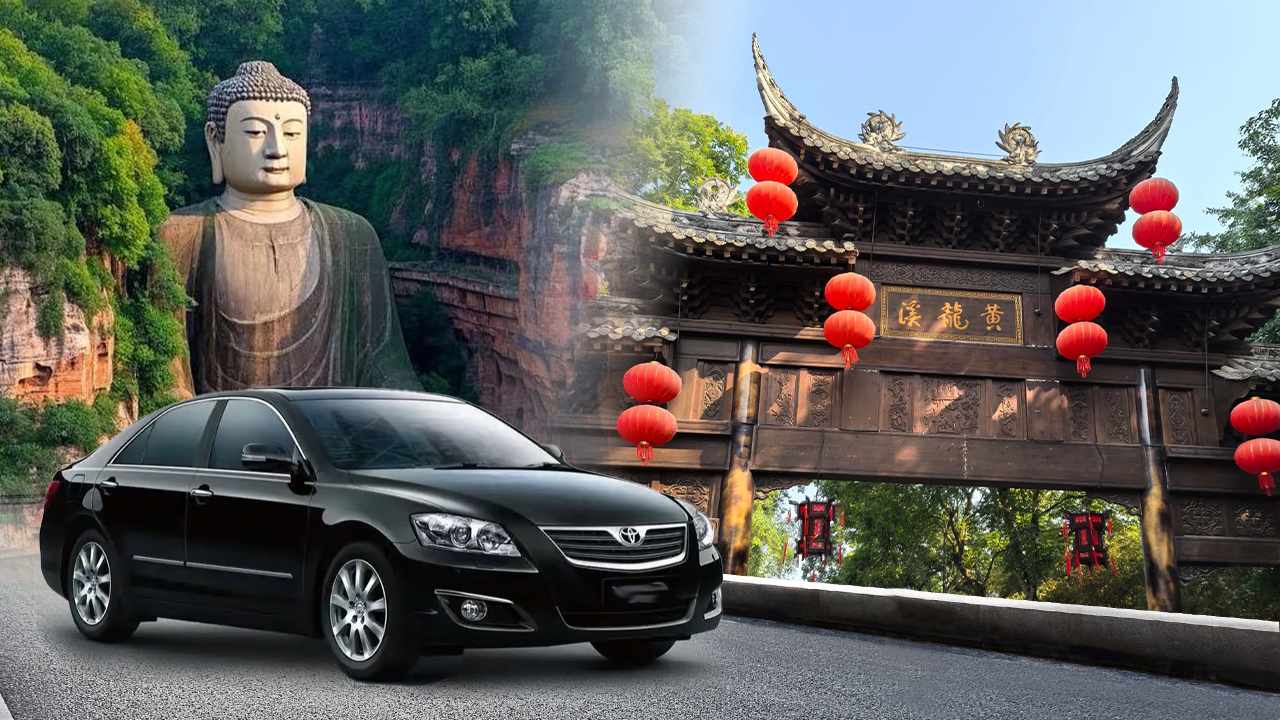
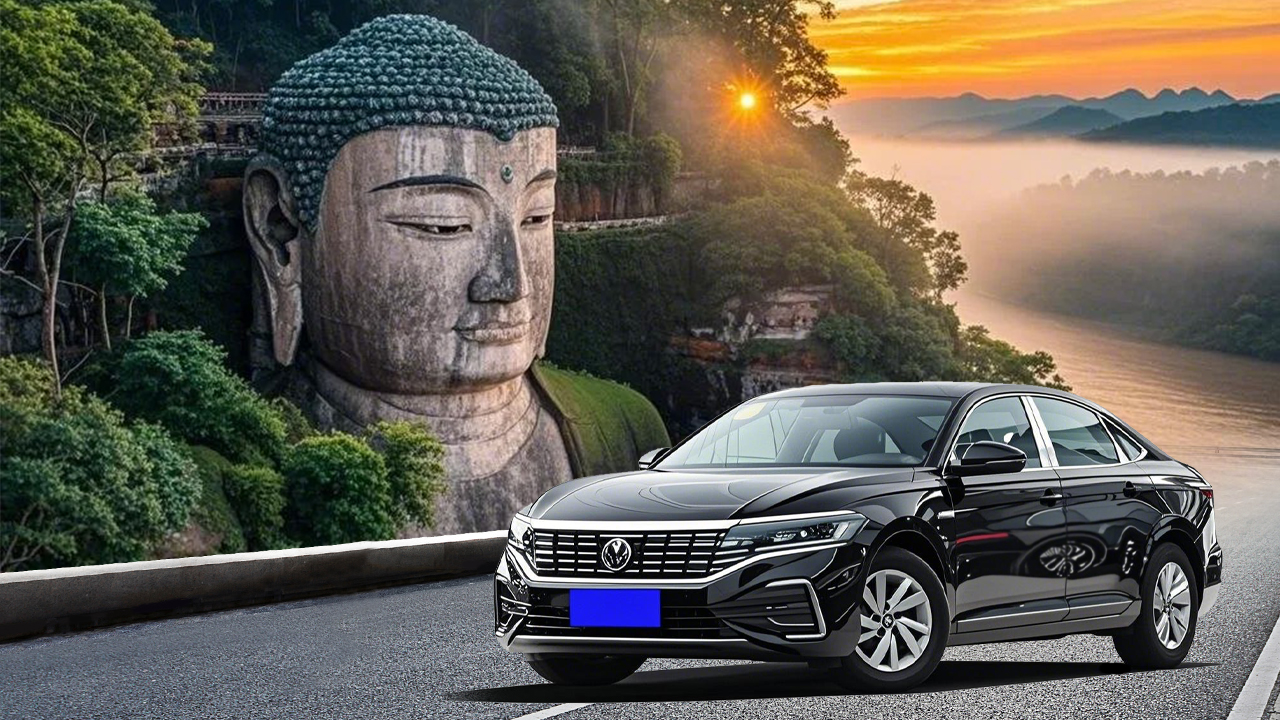
The personal drivers we provide are professional drivers who serve foreign tourists all year round. They will do a good job of safety and service!
This is a private travel event only for you and your family and friends.
In order to save your costs we do not include tickets, and some older guests do not need tickets, but please bring your passport.
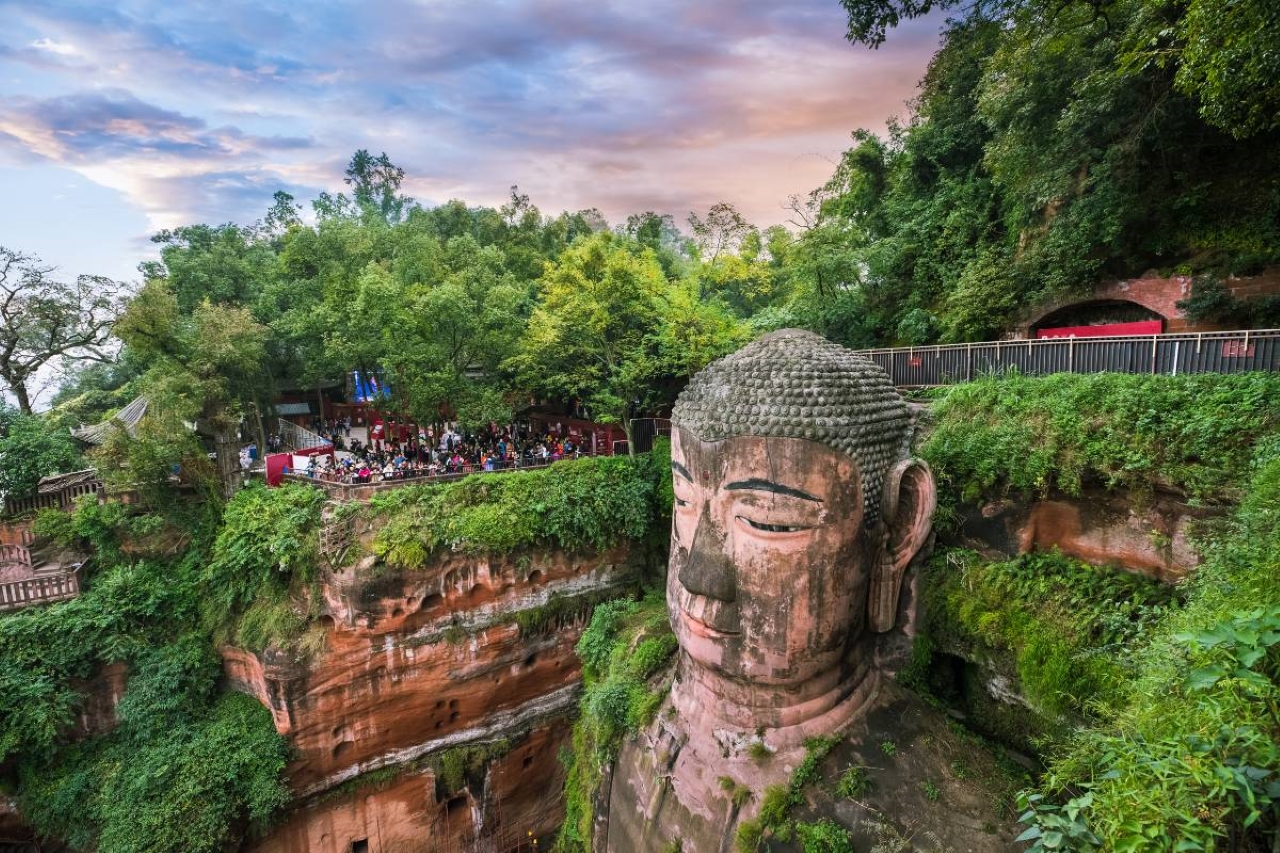
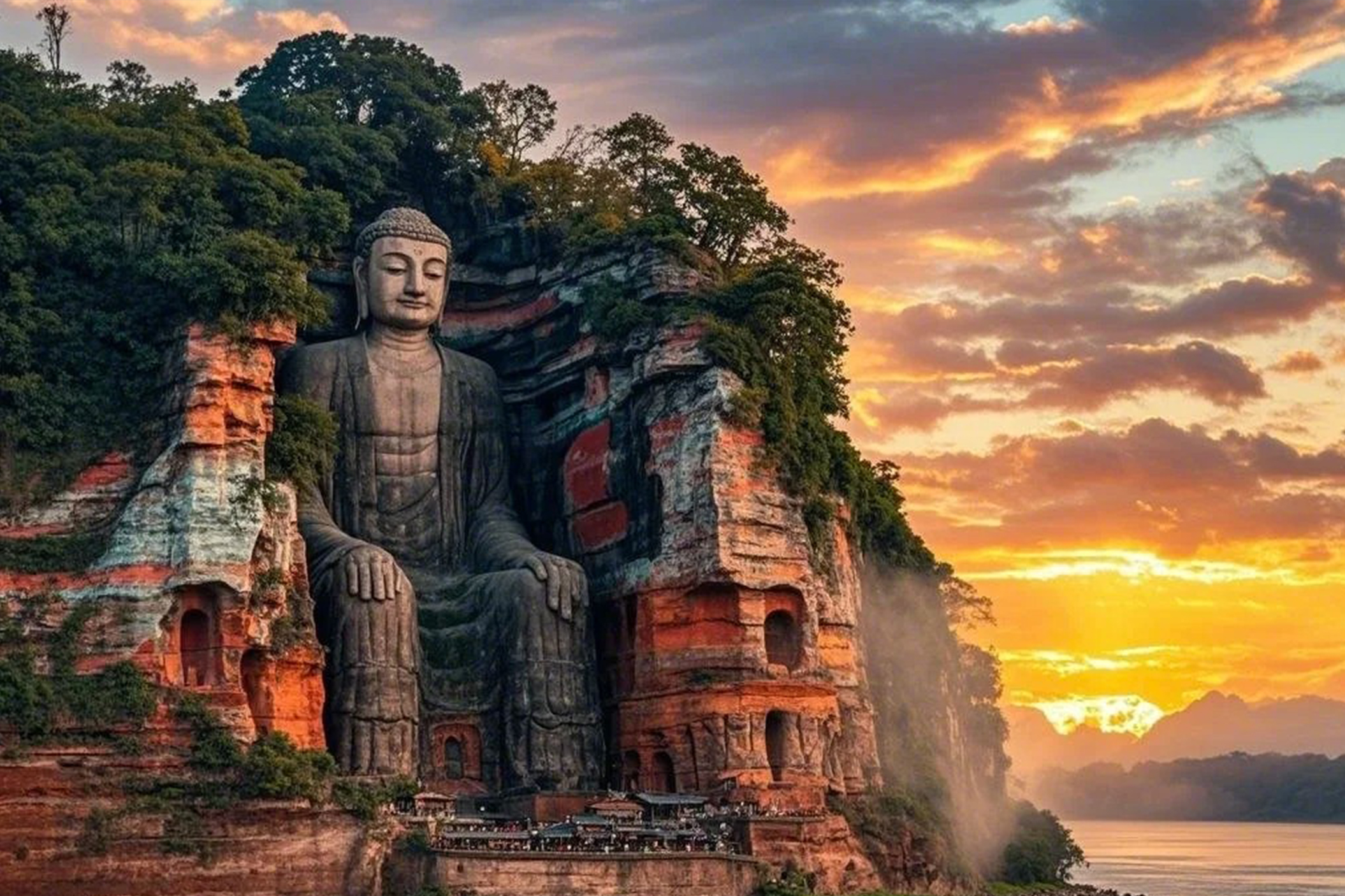
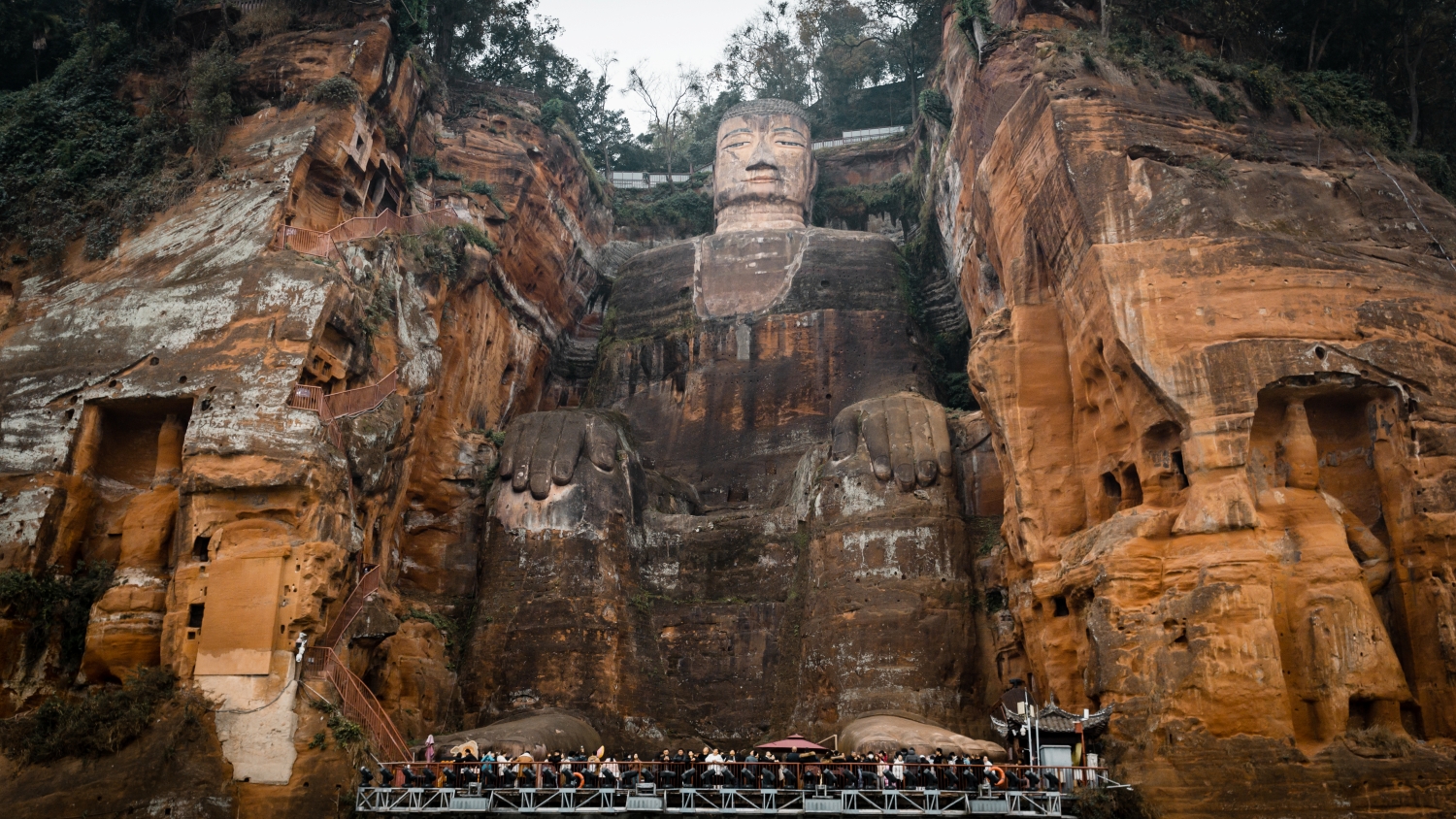
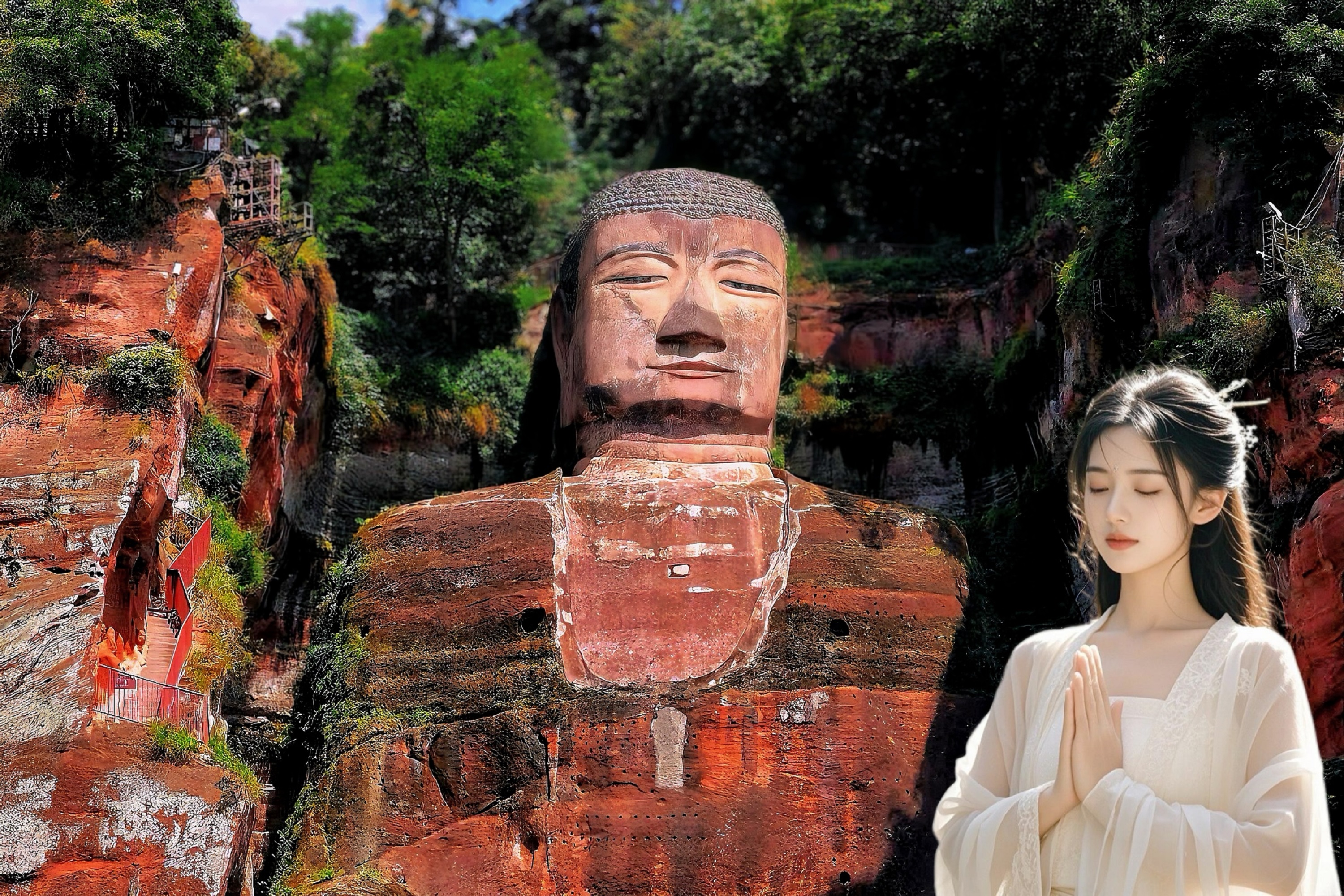
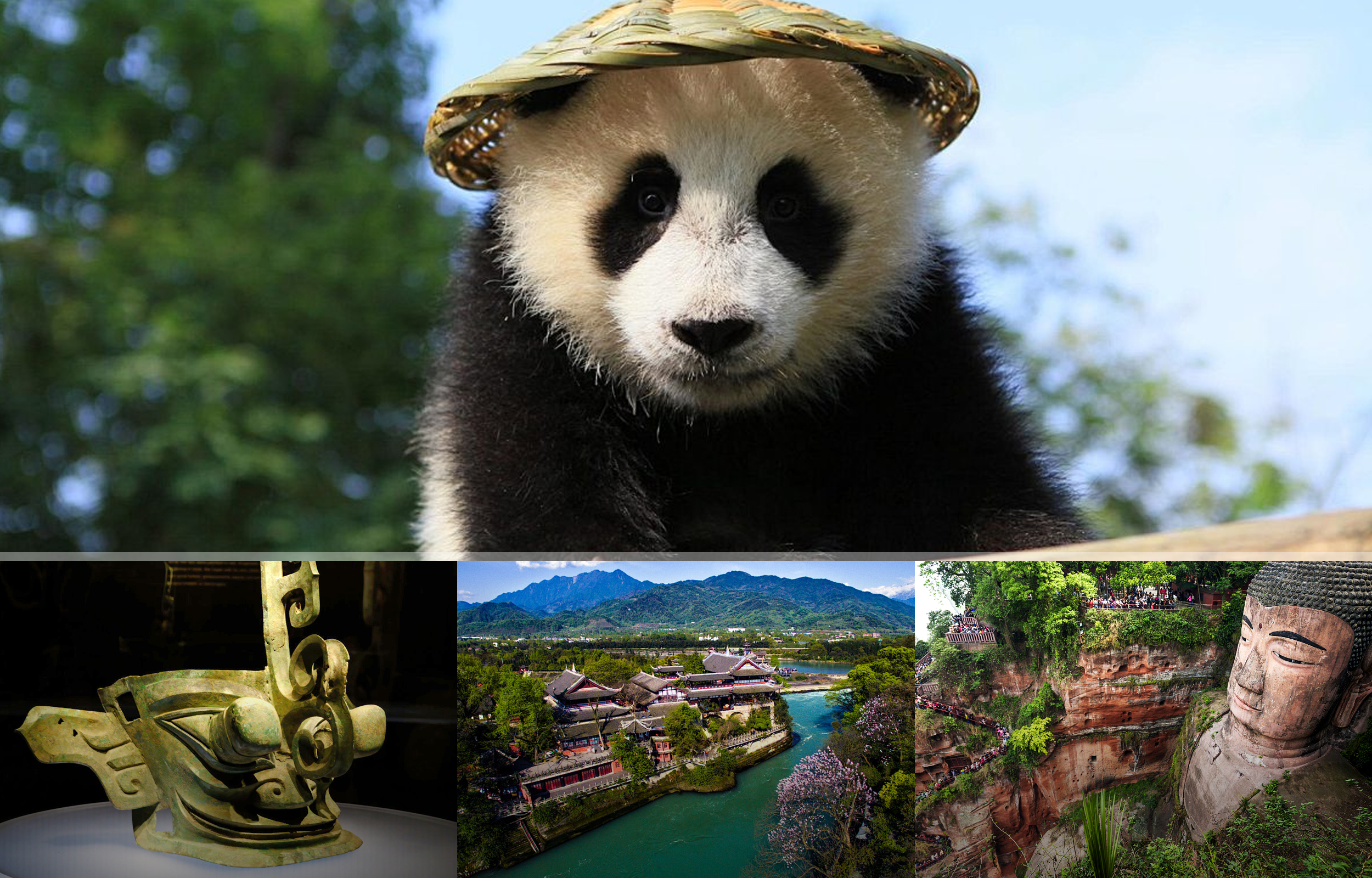
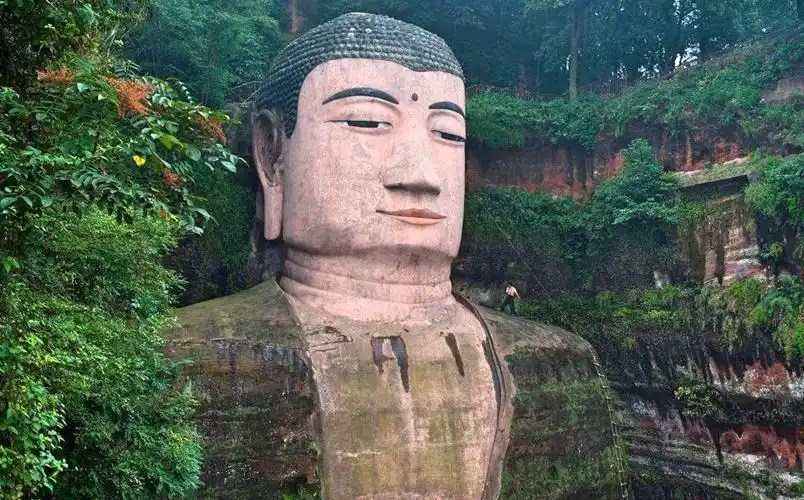
The Leshan Giant Buddha (simplified Chinese: 乐山大佛; traditional Chinese: 樂山大佛; pinyin: Lèshān Dàfó) is a 71-metre (233 ft) tall stone statue, built between 713 and 803 (during the Tang dynasty), depicting Maitreya.It is carved out of a cliff face of Cretaceous red bed sandstones that lies at the confluence of the Min River and Dadu River in the southern part of Sichuan province in China, near the city of Leshan.
Huanglongxi Ancient Town features its ancient culture of water culture, Buddhism culture, tea culture, ecologic farming culture integrated with colorful folklore culture, screen culture and cooking culture.
Available options
Leshan Giant Buddha and Huanglongxi Ancient Town Day Trip
Pickup included
What's included
Private transportation
Bottled water
Attractions text explanation(English)
All Fees and Taxes
Air-conditioned vehicle
Detailed itinerary
1
Stop 1
The Leshan Giant Buddha is a 71-metre (233 ft) tall stone statue, built between 713 and 803 (during the Tang dynasty), depicting Maitreya.It is carved out of a cliff face of Cretaceous red bed sandstones that lies at the confluence of the Min River and Dadu River in the southern part of Sichuan province in China, near the city of Leshan. The stone sculpture faces Mount Emei, with the rivers flowing below its feet. It is the largest and tallest stone Buddha statue in the world and it is by far the tallest pre-modern statue in the world.
The Mount Emei Scenic Area, including Leshan Giant Buddha Scenic Area has been listed as a UNESCOWorld Heritage Site since 1996.
History
Construction started in 713 AD, led by a Chinese monk named Hai Tong. He hoped that the Buddha would calm the turbulent waters that plagued the shipping vessels traveling down the river. When funding for the project was threatened, he is said to have gouged out his own eyes to show his piety and sincerity. After his death, however, the construction was stuck due to insufficient funding. About 70 years later, jiedushi Wei Gao decided to sponsor the project and the construction was completed by Hai Tong's disciples in 803.
Apparently, the massive construction resulted in so much stone being removed from the cliff face and deposited into the river below that the currents were indeed altered by the statue, making the water safe for passing ships.
A sophisticated drainage system was incorporated into the Leshan Giant Buddha when it was built. It is still in working order. It includes drainage pipes carved into various places on the body, to carry away the water after the rains so as to reduce weathering.
When the Giant Buddha was carved, a huge thirteen story wood structure (similar to the one at the Rongxian Giant Buddha) was built to shelter it from rain and sunshine. This structure was destroyed and sacked by the Mongols during the wars at the end of the Yuan dynasty. From then on, the stone statue was exposed to the elements.
2
Stop 2
Huanglongxi Ancient Town features its ancient culture of water culture, Buddhism culture, tea culture, ecologic farming culture integrated with colorful folklore culture, screen culture and cooking culture. For its rich natural landscape resources and humanistic and cultural tourism resources, it is famed as Historic & Cultural Town, the Hometown of Chinese Folk Art (Fire Dragon). And being a national film and television photography base, it is also called Film City and Chinese Hollywood. Besides, it was The Home of Tea and The Ancient Tea Horse Road in the ancient times on account of its long experience of growing tea.
Huanglongxi Ancient town still keeps the planning style and layouts as it was in Qing Dynasty which is made up of 7 streets and 9 allies on which 76 Western Sichuan style houses are scattered. In Zheng Street, the main street stands three temples. In addition, there are 6 over 1000-year-old banyans in Huanglongxi Ancient Town which make a unique view different from other ancient town.
What's not included
Tickets
The tour guide
Lunch
Available languages
Written guide
JA
EN
Reviews breakdown
Viator
4.7
51 reviews
5★
42
4★
6
3★
0
2★
2
1★
1
Tripadvisor
4.8
23 reviews
5★
20
4★
1
3★
2
2★
0
1★
0
Important information
Infants and small children can ride in a pram or stroller
Public transportation options are available nearby
Not recommended for travelers with poor cardiovascular health
Suitable for all physical fitness levels
About Chengdu
Chengdu, the capital of Sichuan province, is renowned as the home of the giant panda and famous for its rich history, spicy cuisine, and vibrant culture. This ancient city offers a unique blend of traditional charm and modern urban development, with lush tea houses, bustling markets, and stunning natural landscapes.
Top Attractions
Chengdu Research Base of Giant Panda Breeding
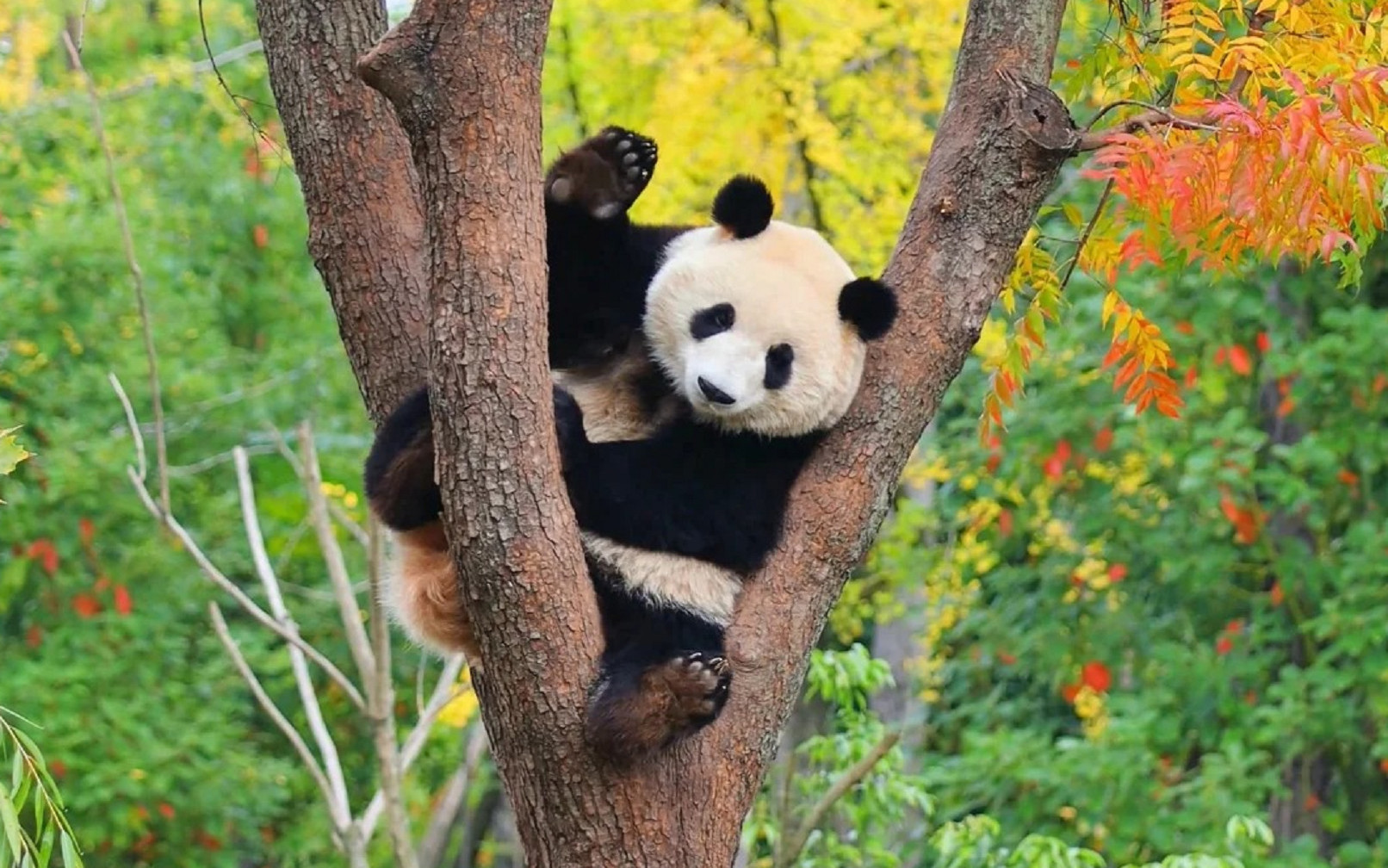
This world-renowned research base is home to over 120 giant pandas. Visitors can observe these adorable creatures up close and learn about conservation efforts.
Nature
2-3 hours
¥55
Jinli Ancient Street
A well-preserved ancient street with traditional architecture, local snacks, and cultural performances. It's a great place to experience Sichuan's rich history and culture.
Historical
1-2 hours
Free (shopping and food at additional cost)
Wenshu Monastery
One of the oldest and best-preserved Buddhist monasteries in China. It's known for its peaceful atmosphere, beautiful architecture, and vegetarian cuisine.
Religious
1-2 hours
Free (donations welcome)
Dujiangyan Irrigation System
An ancient irrigation system built over 2,000 years ago. It's a UNESCO World Heritage Site and a testament to ancient Chinese engineering.
Historical
Half day
¥80
Chengdu Panda Base
A research and breeding center for giant pandas. Visitors can see pandas in a natural setting and learn about conservation efforts.
Nature
2-3 hours
¥55
Must-Try Local Dishes
Mapo Tofu
A spicy tofu dish with minced meat, typically pork or beef, and fermented black beans. It's known for its numbing spiciness.
Dinner
Vegetarian versions available.
Dan Dan Noodles
Noodles topped with a spicy sauce made from chili oil, Sichuan pepper, minced pork, and scallions. It's a popular street food.
Lunch/Dinner
Can be made vegetarian.
Hot Pot
A communal dining experience where diners cook raw ingredients in a shared pot of boiling broth. Sichuan hot pot is known for its spicy broth.
Dinner
Vegetarian and non-vegetarian options available.
Sichuan Dumplings
Steamed or boiled dumplings filled with minced pork, shrimp, or vegetables. They're often served with a spicy dipping sauce.
Lunch/Dinner
Vegetarian options available.
Popular Activities
Hiking
Mountain biking
Rock climbing
Tea house visits
Spa treatments
Park picnics
Museum visits
Temple tours
Best Time to Visit
March to May, September to November
Spring and autumn offer pleasant weather, making it ideal for outdoor activities and sightseeing. The city is less crowded during these periods compared to summer.
15-25°C
59-77°F
Practical Information
Language
- Official: Mandarin
- Widely spoken: Sichuanese, English (limited)
- English: Limited
Currency
Renminbi (RMB) (CNY)
Time Zone
CST (UTC+8)
Electricity
220VV, 50HzHz
Safety Information
Overall Safety Rating: Generally safe
Chengdu is generally safe for travelers, with low crime rates. However, as with any major city, it's important to be aware of your surroundings and take precautions to protect yourself and your belongings.
Important Precautions:
- • Keep valuables secure
- • Use licensed taxis
- • Be cautious of strangers offering help or services
Getting there
By air
- Chengdu Shuangliu International Airport • 16 km from city center
- Chengdu Tianfu International Airport • 45 km from city center
By train
Chengdu Railway Station, Chengdu East Railway Station
By bus
Chengdu Long-Distance Bus Station, Chengdu North Long-Distance Bus Station
Getting around
Public transport
The metro system is efficient and covers most of the city. It's a convenient and affordable way to get around.
Taxis
Available • Apps: Didi Chuxing
Rentals
Car, Bike, Scooter
Neighborhoods
Jinli Ancient Street
Wuhou Shrine
Chunxi Road
Kuanzhai Alley
Day trips
Mount Qingcheng
60 km from Chengdu • Full day
A scenic mountain known for its beautiful landscapes, ancient temples, and hiking trails. It's a UNESCO World Heritage Site and a great escape from the city.
Leshan Giant Buddha
130 km from Chengdu • Full day
A massive stone statue of Buddha carved into a cliff face during the Tang Dynasty. It's a UNESCO World Heritage Site and a remarkable feat of ancient engineering.
Jiuzhaigou Valley
340 km from Chengdu • Overnight
A stunning national park known for its colorful lakes, waterfalls, and diverse wildlife. It's a UNESCO World Heritage Site and a popular destination for nature lovers.
Festivals
Sichuan Festival • Late August
Lantern Festival • February (Lunar calendar)
Chengdu International Non-violence Week • October
Pro tips
- Learn a few basic Mandarin phrases to enhance your experience and interact with locals.
- Try the local street food, but be cautious and choose busy stalls with high turnover.
- Visit the Chengdu Panda Base early in the morning to see the pandas at their most active.
- Explore the city's tea houses and experience the rich tea culture of Sichuan.
- Take a day trip to Mount Qingcheng or Jiuzhaigou Valley for a stunning natural experience.
From $25
per person
Price varies by option
Secure booking
Free cancellation available
Instant confirmation