E-Bike Tour Highlights Berlin - Shared Guide in Small Group
Active
3h
For a full refund, cancel at least 24 hours before the scheduled departure time.
Instant confirmation
Mobile or paper ticket accepted
About this experience
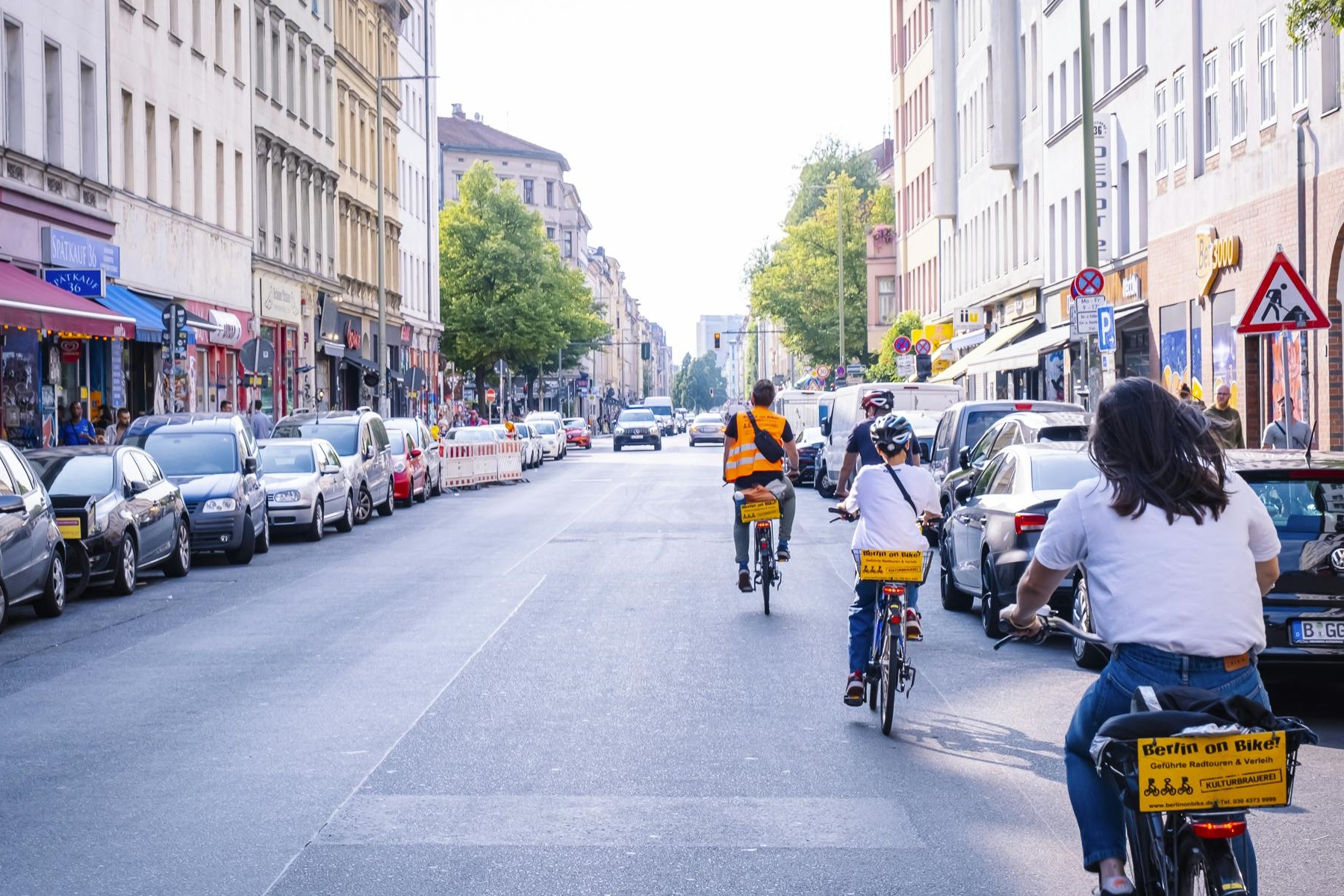
Experience the city up close on an e-bike provided by us.
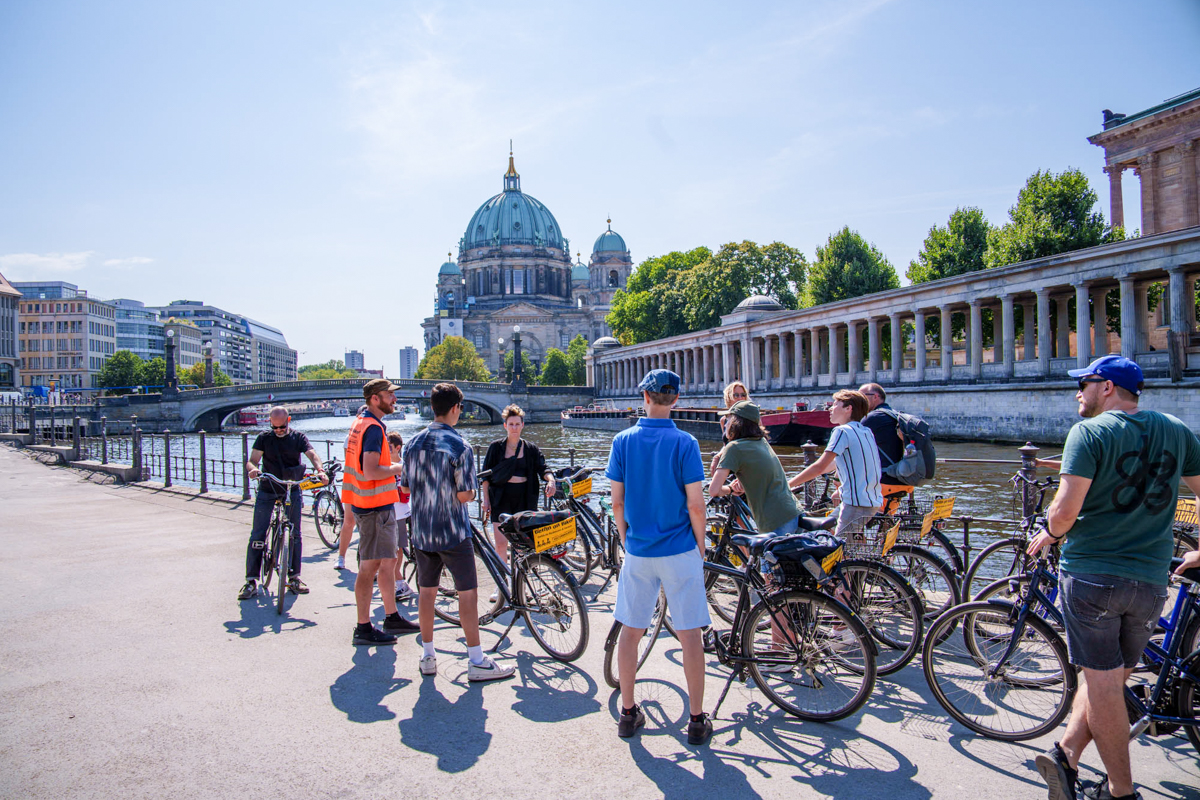
Explore Berlin with our fun and friendly e-bike tour, combined with different vehicles.
Perfect for families and friends of all ages and preferences vehicles.
Our e-bikes, scooters, and rickshaws combined tour allow your partner or grandparents or youngst family members to sit back and relax in the rickshaw while the youngsters ride along on their bikes and e-scooters (we drive max 10/15 Kmh).
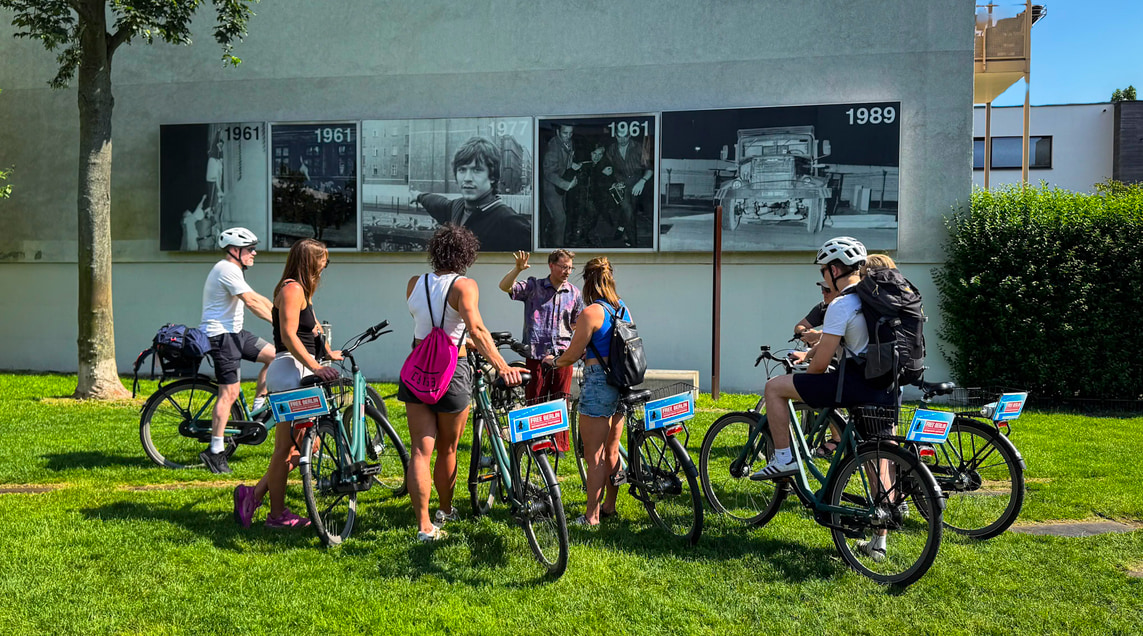
We offer small group tours that start at 10 a.m. and 2 p.m. If someone in your group prefers not to bike, they can choose either a rickshaw or an e-scooter. Our knowledgeable guides will share fascinating stories about Berlin’s history as you ride through beautiful paths and historic squares.
In just three and a half hours, you’ll discover both famous landmarks and hidden gems. Enjoy an enriching adventure in the city and create lasting memories. Join us for a unique experience in Berlin and see Berlin in a whole new way!
Available options
E-Bike public Tour Group
Duration: 3 hours 30 minutes<br/>E-bike
What's included
WiFi on board
Informative Friendly Tour Guide
Air-conditioned vehicle
Detailed itinerary
1
Stop 1
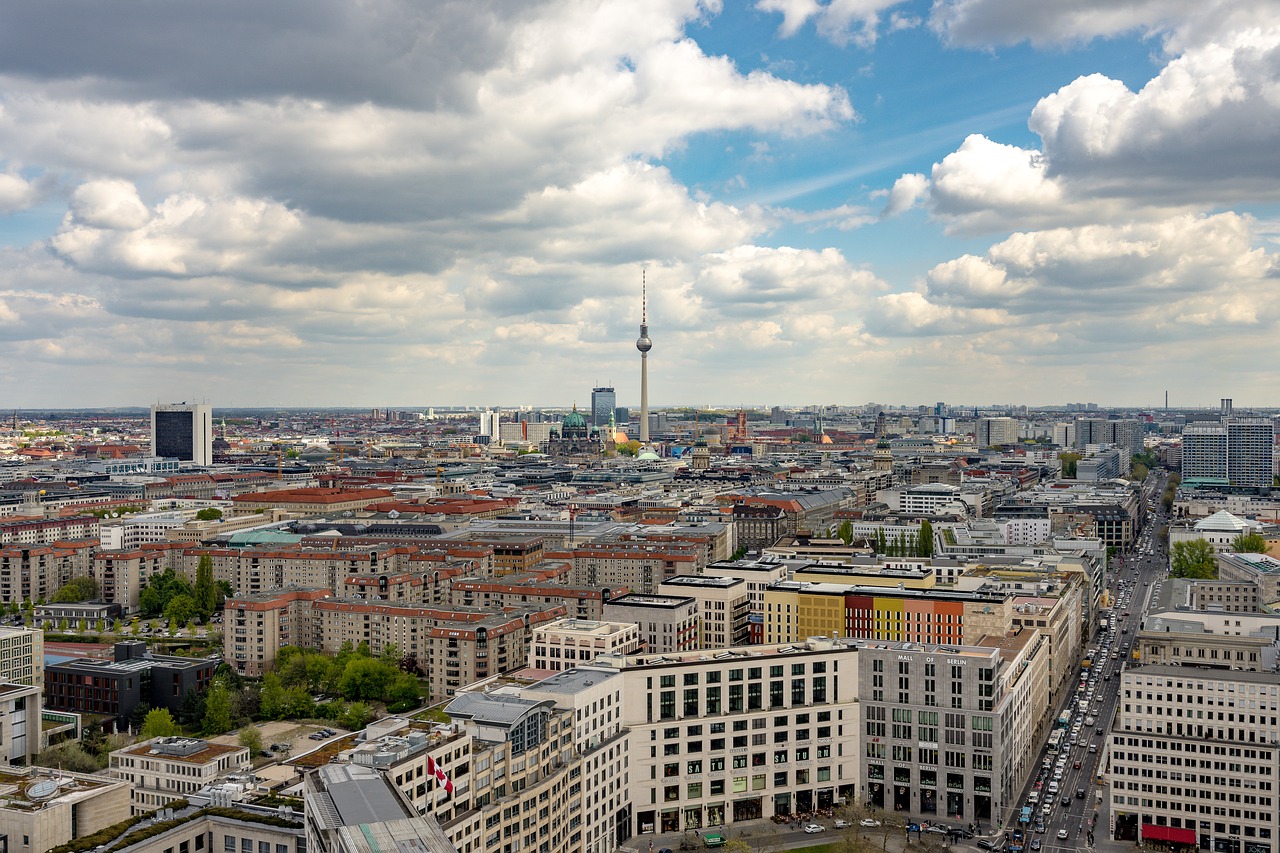
Meating Points is Berlin's tallest structure, a 365 meter high TV Tower with a restaurant viewing platform on top.The Berlin TV Tower, known as the "Berliner Fernsehturm" in German, is an iconic landmark that has played a significant role in the history and culture of Berlin.
Tourist Attraction:
Today, the Berlin TV Tower stands as one of the most visited attractions in the city. Its observation deck and the Sphere Restaurant offer visitors an opportunity to experience panoramic views of Berlin's urban landscape. The tower's historical significance, architectural design, and central location continue to attract tourists and locals alike.
The Berlin TV Tower's history encapsulates the changing political, cultural, and technological dynamics of the city. From its origins as a symbol of East Germany's achievements to its transformation into a unifying landmark, the TV Tower remains an enduring testament to Berlin's past and present.
2
The Stadtschloss Berlin, also known as the Berlin City Palace, is a historical and architectural icon in the heart of Berlin, Germany. Originally built in the 15th century, it served as a residence for royal and imperial families. With its lavish baroque façade and impressive dome, the palace stood as a symbol of grandeur. Over the years, it underwent various renovations and modifications while retaining its status as cultural heritage. Unfortunately, the palace suffered heavy damage during World War II and was later demolished by the former German Democratic Republic. However, in 2019, the reconstruction of the Stadtschloss was completed. Today, it rises anew as the Humboldt Forum, a center for arts and culture that harmoniously blends tradition and modernity. The Stadtschloss Berlin is a tangible reminder of Berlin's rich past and a symbol of the city's resilience and ongoing evolution.
3
Museum Island, located in the heart of Berlin, Germany, is a UNESCO World Heritage site renowned for its exceptional concentration of museums and cultural treasures. This unique complex is situated on the Spree River and showcases a collection of five renowned museums, each offering a diverse range of art, artifacts, and historical exhibits.
The Altes Museum, the Neues Museum, the Alte Nationalgalerie, the Bode Museum, and the Pergamon Museum collectively form the impressive ensemble of Museum Island. These institutions house a vast array of art and archaeological treasures from various periods and civilizations, spanning ancient civilizations, classical art, sculptures, paintings, and historical artifacts.
Museum Island is not only a testament to Berlin's rich cultural heritage but also reflects the city's commitment to preserving and sharing the world's artistic and historical achievements. The architecture of the buildings themselves is a blend of neoclassical and modern design.
4
Stop 4
Bebelplatz, situated in the heart of Berlin, is a historic square known for its cultural significance and poignant history. It gained international attention due to the infamous Nazi book burning that took place here in 1933, symbolizing suppression of intellectual freedom. The square is flanked by prominent institutions like Humboldt University and State Opera, creating a blend of academia and culture. An underground memorial designed by Micha Ullman commemorates the book burning, featuring empty bookshelves, symbolizing lost knowledge. Today, Bebelplatz stands as a reminder of the importance of preserving intellectual freedom and a site that reflects Berlin's complex historical narrative.
5
Stop 5
Gendarmenmarkt, located in the heart of Berlin, is one of the city's most picturesque squares, celebrated for its architectural elegance and historical significance. This symmetrical square is adorned by three impressive buildings: the German Cathedral, the French Cathedral, and the Konzerthaus (Concert Hall). These structures are a testament to Berlin's history and cultural influences, showcasing neoclassical and baroque architectural styles.
The German and French Cathedrals frame the square with impressive facades and elegant domes. The Konzerthaus, home to the Berlin Symphony Orchestra, adds a touch of cultural vibrancy. The square's open space, surrounded by these architectural marvels, creates a serene ambiance, making it a popular gathering place for locals and visitors.
6
Stop 6
Checkpoint Charlie, situated in the heart of Berlin, is a historic crossing point that once marked the boundary between East and West Berlin during the Cold War. This iconic checkpoint gained global recognition as a symbol of the ideological divide between the communist and capitalist worlds.
During the Cold War, Checkpoint Charlie was one of the few border crossings where diplomats, military personnel, and foreigners could cross between East and West Berlin. The checkpoint's wooden guardhouse became a powerful symbol of the tense relations between the United States and the Soviet Union.
Today, a replica of the guardhouse stands at the original location, serving as a poignant reminder of the city's divided history. The adjacent Checkpoint Charlie Museum chronicles the stories of those who attempted daring escapes from East to West, showcasing the creativity and resilience of individuals seeking freedom.
7
Stop 7
The Topography of Terror, located in Berlin, is an important historical site that documents the atrocities committed by the Nazi regime during World War II. This museum and documentation center is situated on the former grounds of the Gestapo and SS headquarters, making it a chilling reminder of the city's dark past.
The exhibition at the Topography of Terror offers comprehensive insights into the Nazi regime's machinery of repression, propaganda, and terror. Through photographs, documents, and historical accounts, visitors gain a deep understanding of the systematic persecution, genocide, and crimes against humanity that occurred during the Nazi era.
8
Stop 8
The Führerbunker, located in Berlin, is a historically significant underground complex that served as Adolf Hitler's last headquarters during the final days of World War II. This fortified bunker complex was constructed beneath the Reich Chancellery and became the epicenter of Nazi Germany's leadership during its downfall.
Hitler and key members of his inner circle took refuge in the Führerbunker as Allied forces closed in on Berlin in 1945. It was here that Hitler spent his final weeks, making crucial decisions as his regime crumbled. On April 30, 1945, Hitler died by suicide in the bunker, marking the end of an era of tyranny and oppression.
The Führerbunker's location remained largely hidden from the public after the war. The site was partially demolished, and the area was redeveloped. However, in recent years, efforts have been made to commemorate the historical significance of the site. An information panel now marks the location where the bunker once stood.
9
Stop 9
The Holocaust Memorial, officially known as the Memorial to the Murdered Jews of Europe, is a poignant and significant monument located in Berlin. Designed by architect Peter Eisenman, this memorial commemorates the six million Jewish victims of the Holocaust during World War II.
The memorial consists of 2,711 concrete slabs of varying heights, arranged in a grid-like pattern across a 19,000-square-meter area. As visitors move through the narrow pathways between the slabs, the uneven ground and towering structures create a sense of disorientation and contemplation, symbolizing the chaos and loss experienced by the victims.
Beneath the memorial, an underground information center offers detailed accounts of the Holocaust, personal stories, and historical context. The memorial seeks to honor the memory of those who suffered and perished while encouraging visitors to reflect on the devastating consequences of prejudice, intolerance, and hatred.
10
Stop 10
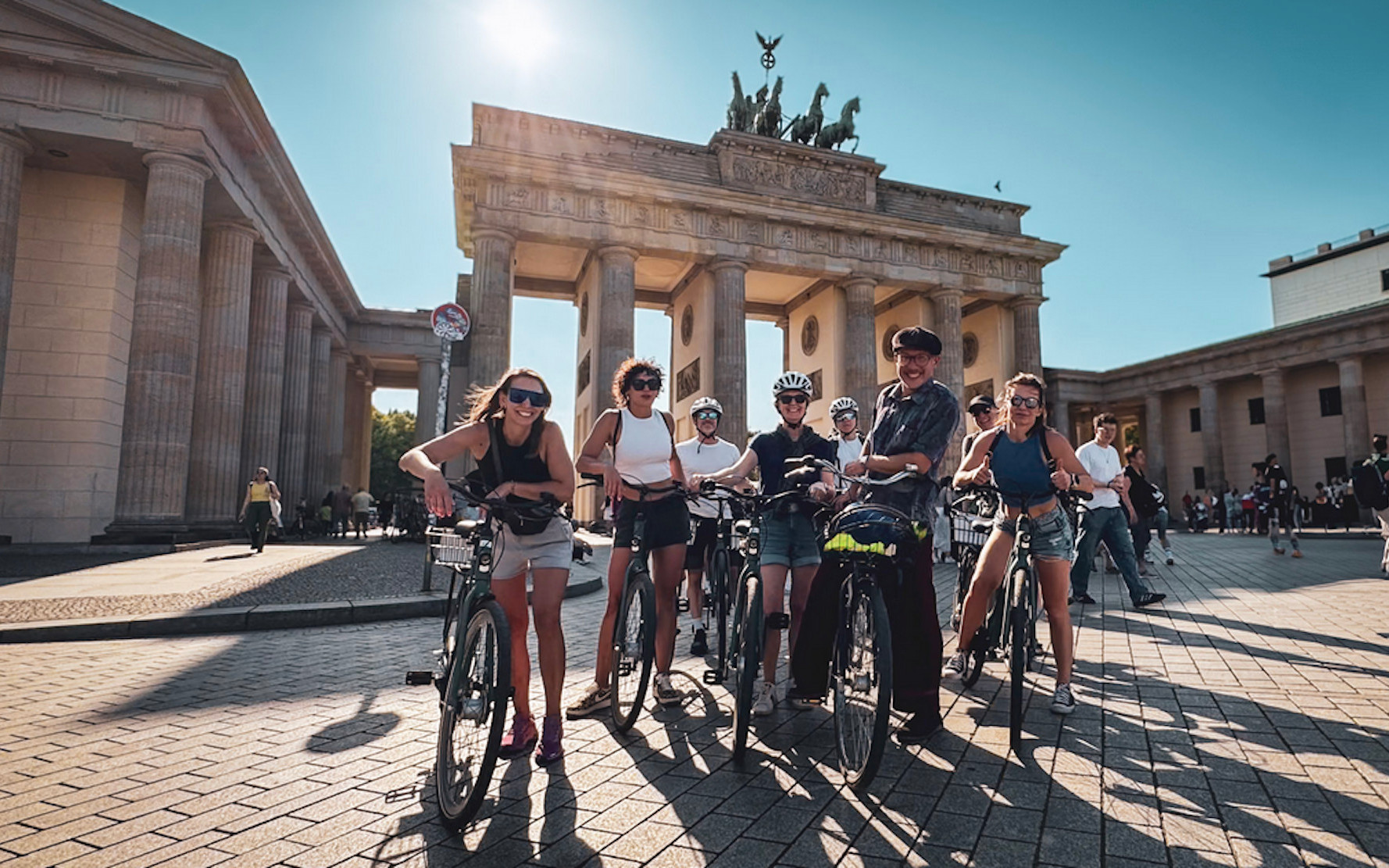
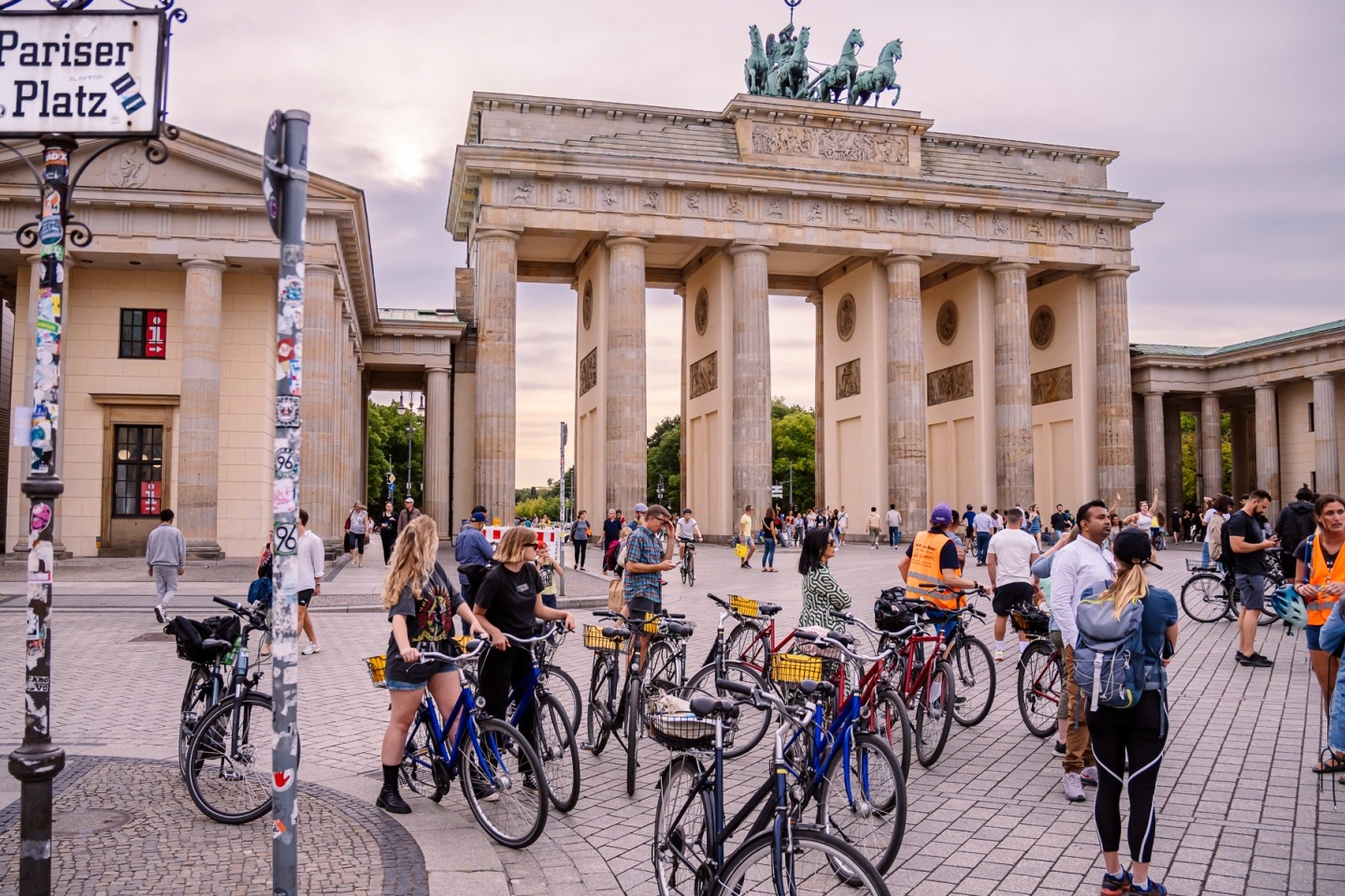
The Brandenburg Gate, located in Berlin, is a renowned historical landmark and symbol of both the city and Germany's history. This iconic neoclassical monument stands as a testimony to Berlin's past, its division, and eventual reunification.
Constructed in the late 18th century, the Brandenburg Gate originally marked the entrance to the city through the old city wall. Its design draws inspiration from ancient Greek architecture, featuring grand Doric columns and an imposing central gate flanked by pedestrian passages.
Throughout history, the Brandenburg Gate has witnessed significant events. It served as a backdrop to Napoleon's triumphal entry into Berlin and later bore witness to the city's division during the Cold War, when the Berlin Wall stood nearby. The Gate became a symbol of unity when the wall fell in 1989, marking the beginning of Berlin's reunification.
11
Stop 11
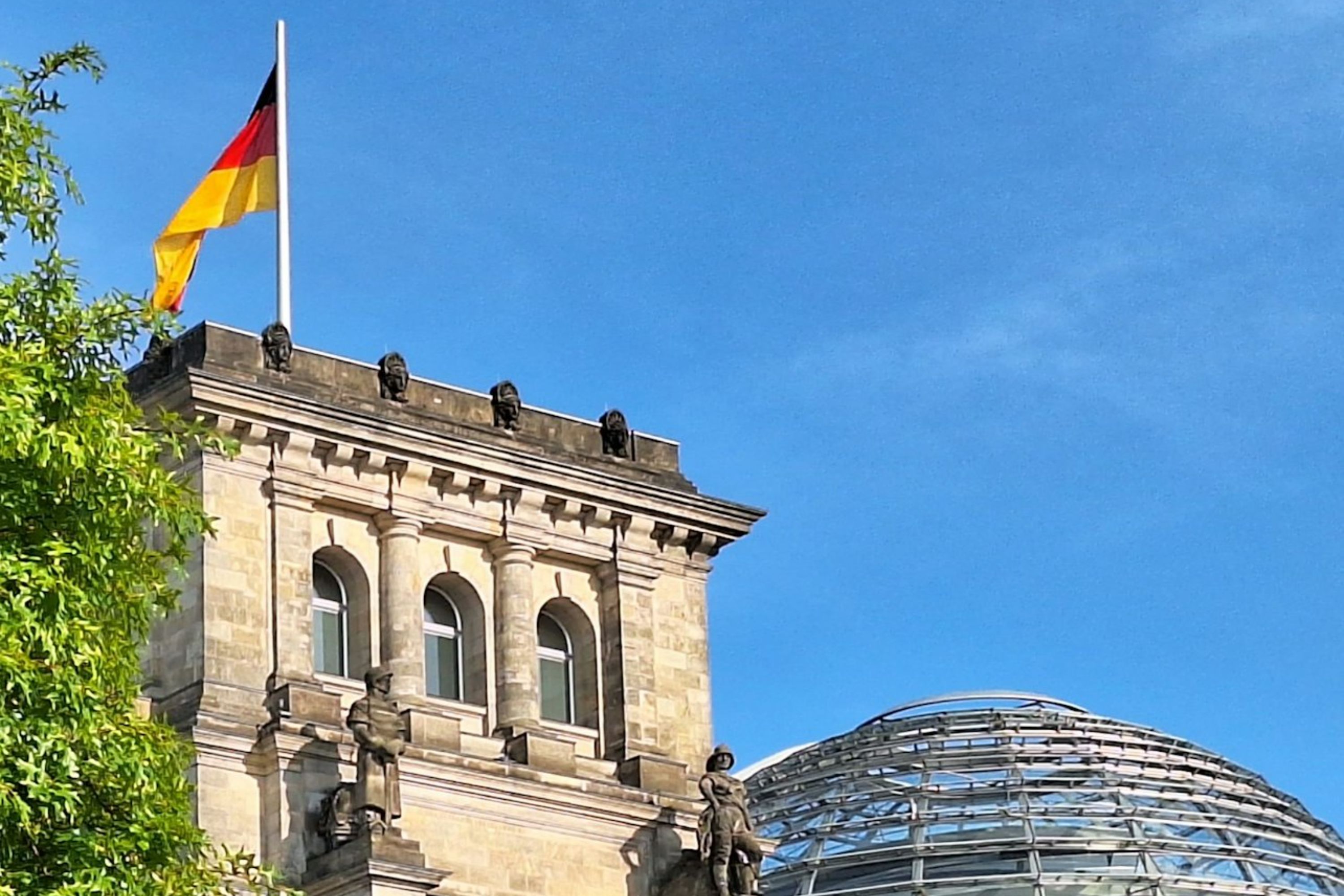
The Reichstag Building, located in Berlin, is an iconic symbol of Germany's political history and democracy. This historic structure has played a central role in shaping the country's governance and identity.
Constructed in the late 19th century, the Reichstag Building was originally designed to house the Imperial Diet of the German Empire. Its eclectic architectural style combines classical and Renaissance elements, and the distinctive glass dome crowning the building is a modern addition that symbolizes transparency and openness in government.
The Reichstag Building witnessed pivotal moments in German history. It was here that the Weimar Republic was declared in 1919, marking the birth of Germany's first democratic government. After surviving through tumultuous times, the building fell into disuse during the Nazi era and the division of Berlin.
What's not included
Food and Drinks
Tips
Available languages
Guide guide
DE
EN
NL
Audio guide
ES
Reviews breakdown
Viator
4.5
8 reviews
5★
6
4★
1
3★
0
2★
1
1★
0
Tripadvisor
2.0
1 reviews
5★
0
4★
0
3★
0
2★
1
1★
0
Important information
Public transportation options are available nearby
Suitable for all physical fitness levels
Also, this is an ideal tour for less mobile guests. In a few steps, you enter our Rickshaw. We can stop anywhere you'd like to take memorable pictures. Even without stepping out of the Rickshaw, you can come very close to the monuments; you can even touch them.
Meeting point
Weinbergsweg 6 Berlin 10119
Arround Museum Island,
Hakkische Markt, Hakkische höfe
U-Bahn rosentahler platz excit Weinbergsweg
About Berlin
Berlin, Germany's capital and largest city, is a vibrant metropolis known for its rich history, diverse culture, and dynamic nightlife. The city's eclectic mix of modern and historic architecture, world-class museums, and thriving arts scene make it a must-visit destination in Europe.
Top Attractions
Brandenburg Gate
A neoclassical monument and one of Berlin's most iconic landmarks, the Brandenburg Gate was built in the 18th century and has been a symbol of the city's history and reunification.
Historical
30 minutes to 1 hour
Free
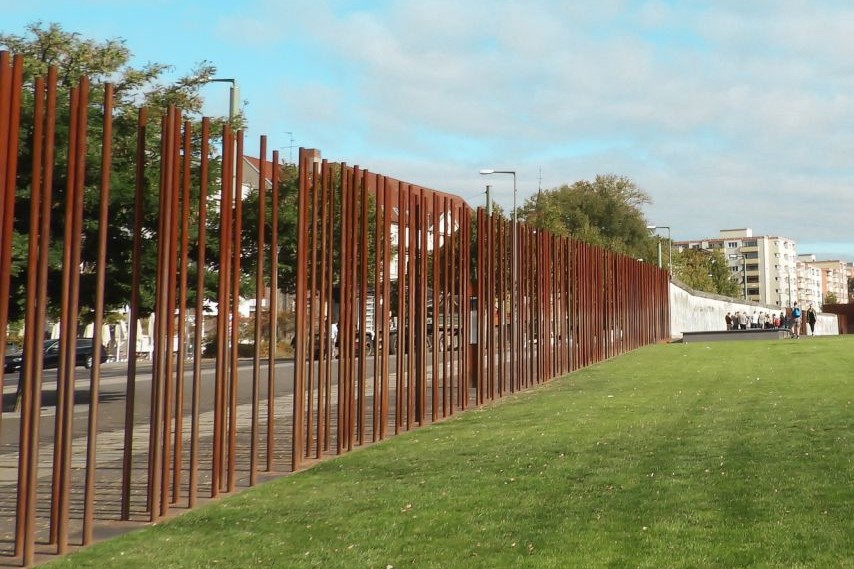
Berlin Wall Memorial and East Side Gallery
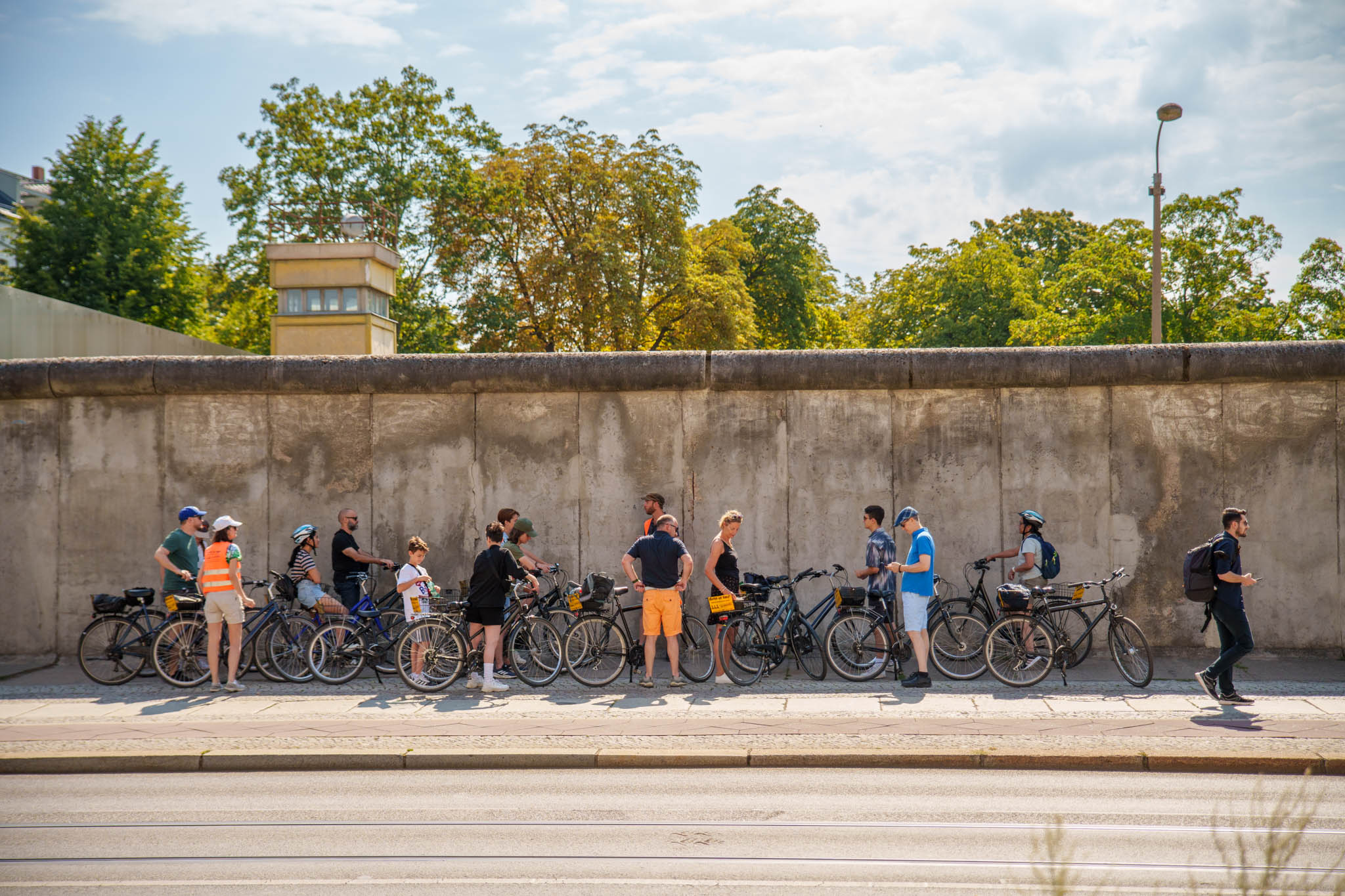
The Berlin Wall Memorial and the East Side Gallery are important historical sites that commemorate the division of Berlin during the Cold War and the fall of the Wall in 1989.
Historical
1-2 hours
Free
Museum Island
A UNESCO World Heritage site, Museum Island is home to five world-renowned museums, including the Pergamon Museum, the Neues Museum, and the Alte Nationalgalerie.
Museum
Half-day to full day
€19 (Museum Island Day Ticket) or individual museum tickets
Reichstag Building
The Reichstag Building is the seat of the German Bundestag (parliament) and a symbol of German democracy. The glass dome on top offers panoramic views of the city.
Historical
1-2 hours
Free (but advance registration is required)
Potsdamer Platz
Potsdamer Platz is a major public square and traffic intersection in the heart of Berlin. It is known for its modern architecture, shopping, and entertainment options.
Architecture
1-2 hours
Free to explore, costs vary for shopping and dining
Must-Try Local Dishes
Currywurst
A popular Berlin street food, currywurst is a sliced sausage served with a curry ketchup sauce and often topped with curry powder.
Snack
Contains pork, vegetarian and vegan options available
Boulette
A German-style meatball, usually served with potato salad or mashed potatoes and a creamy sauce.
Main Course
Contains beef or pork, vegetarian and vegan options available
Döner Kebab
A Turkish dish popularized in Berlin, consisting of seasoned meat (usually lamb, beef, or chicken) cooked on a vertical rotisserie and served in flatbread with vegetables and sauces.
Main Course
Contains meat, vegetarian and vegan options available
Berliner Pfannkuchen
A jelly-filled doughnut, similar to a Berlin-style donut, often eaten during Carnival season.
Dessert
Contains wheat, dairy, and egg, vegan options available
Popular Activities
Cycling
Hiking
Boat tours
Rock climbing
Spa and wellness
Picnicking in parks
Café hopping
Boat tours on the Spree River
Best Time to Visit
June to August
This is the warmest time of the year with long daylight hours, making it ideal for outdoor activities and festivals. The city is lively with tourists and locals enjoying the summer weather.
20°C to 25°C (68°F to 77°F)
68°F to 77°F
Practical Information
Language
- Official: German
- Widely spoken: English, French, Turkish, Arabic, Russian
- English: Widely spoken
Currency
Euro (EUR)
Time Zone
GMT+1 (CET), GMT+2 (CEST during daylight saving time)
Electricity
230VV, 50HzHz
Safety Information
Overall Safety Rating: Generally safe
Berlin is generally a safe city for travelers, with low crime rates and a welcoming atmosphere. However, as with any major city, it's important to be aware of your surroundings and take precautions to protect yourself and your belongings.
Important Precautions:
- • Be aware of your surroundings and keep an eye on your belongings, especially in crowded areas and on public transportation.
- • Use licensed taxis or ride-sharing services, and agree on the fare before starting your journey.
- • Keep your passport and valuables in a safe place, and carry a copy of your passport and important documents.
Getting there
By air
- Berlin Brandenburg Airport • 18 km (11 miles) from city center
By train
Berlin Hauptbahnhof
By bus
Berlin Central Bus Station (ZOB)
Getting around
Public transport
The U-Bahn is a fast and efficient way to get around Berlin, with 10 lines serving 173 stations. It operates from early morning to late at night.
Taxis
Available • Apps: Uber, FreeNow
Rentals
Car, Bike, Scooter
Neighborhoods
Mitte
Kreuzberg
Prenzlauer Berg
Friedrichshain
Charlottenburg
Day trips
Potsdam
35 km (22 miles) from Berlin • Half-day to full day
Potsdam is a charming city near Berlin, known for its stunning palaces, parks, and lakes. It was the former residence of Prussian kings and German emperors and is a UNESCO World Heritage site.
Spreewald
100 km (62 miles) from Berlin • Full day
Spreewald is a picturesque region of forests, lakes, and canals, known for its traditional wooden houses, pickles, and gondola rides. It is a popular destination for outdoor activities and relaxation.
Sachsenhausen Concentration Camp Memorial
35 km (22 miles) from Berlin • Half-day
The Sachsenhausen Concentration Camp Memorial is a somber and important historical site, dedicated to the victims of the Nazi regime. The memorial includes the preserved camp buildings, a museum, and a memorial cemetery.
Festivals
Berlin International Film Festival (Berlinale) • February
Berlin Carnival of Cultures (Karneval der Kulturen) • Late May to early June
Berlin Festival • September
Pro tips
- Learn a few basic phrases in German, as it's appreciated by locals and can enhance your travel experience.
- Consider purchasing a Berlin WelcomeCard for unlimited public transportation and discounts at attractions.
- Explore the city's diverse neighborhoods, each with its own unique character and attractions.
- Visit Berlin's many parks and green spaces, which offer a peaceful and relaxing escape from the bustling city.
- Be open to trying new foods and culinary experiences, as Berlin's diverse food scene offers something for everyone.
From $25
per person
Price varies by option
Secure booking
Free cancellation available
Instant confirmation