Private Guide 1 Rickshaw (E)Bikes & Scooters Up to 6 Person
Active
3h
For a full refund, cancel at least 24 hours before the scheduled departure time.
Instant confirmation
Mobile or paper ticket accepted
About this experience
"Experience the beauty of Berlin in a whole new way with our history and fun sightseeing tour!
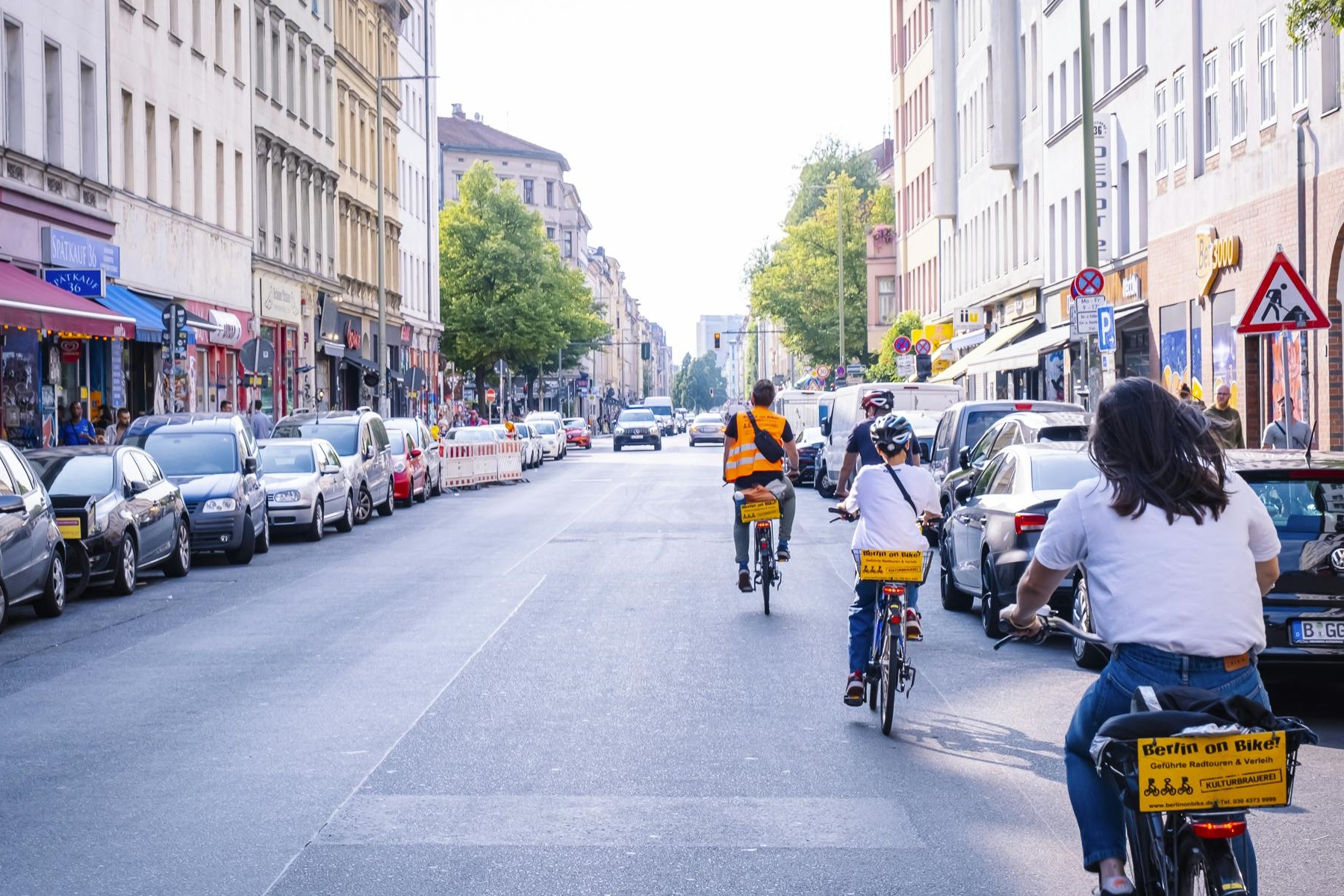
You can choose from different types of vehicles, making it an excellent option with friends, families, or work groups. There's something for everyone to enjoy, different vehicles but still together we stop and drive together get same informations at the stops
You you can choose only 1 rickshaw for 2 and rest you can choose from the following vehicles: e-bikes, regular bikes, E-scooters,.
Our rickshaws are incredibly empathic for anyone or a group who might have trouble getting around.
Our friendly guides will share exciting stories and facts about Berlin. You inform and we can picture most of the famous landmarks and discover hidden treasures Berlin Mitte. Make amazing memories together!
Available options
3 hours up to 6
Duration: 3 hours<br/>1 rickshaw (e)bikes e scooter : CHOOSE (e)bikes e scooter
6 HOURS up to 6 People
Duration: 6 hours<br/>More Time for Tour: For example, we can visit the East Side Gallery, the Hackescher Markt, and the Topography of Terror. <br/>1 rickshaw, (E)Bikes E Roller: 1 rickshaw free choice of (E)Bikes, E Roller and bikes.
4 Hours up to 6 Guests
Duration: 3 hours<br/>(e)Bikes-Rickshaw : Two bikes, tree e-bikes and 1 Rickshaw are included in the Price!
What's included
Informative Friendly Tour Guide
Bottled water
WiFi on board
up to 6 person 1 Rickhaw 2 scooters, 3 E-Bike,
Air-conditioned vehicle
Detailed itinerary
1
Stop 1
Pass by
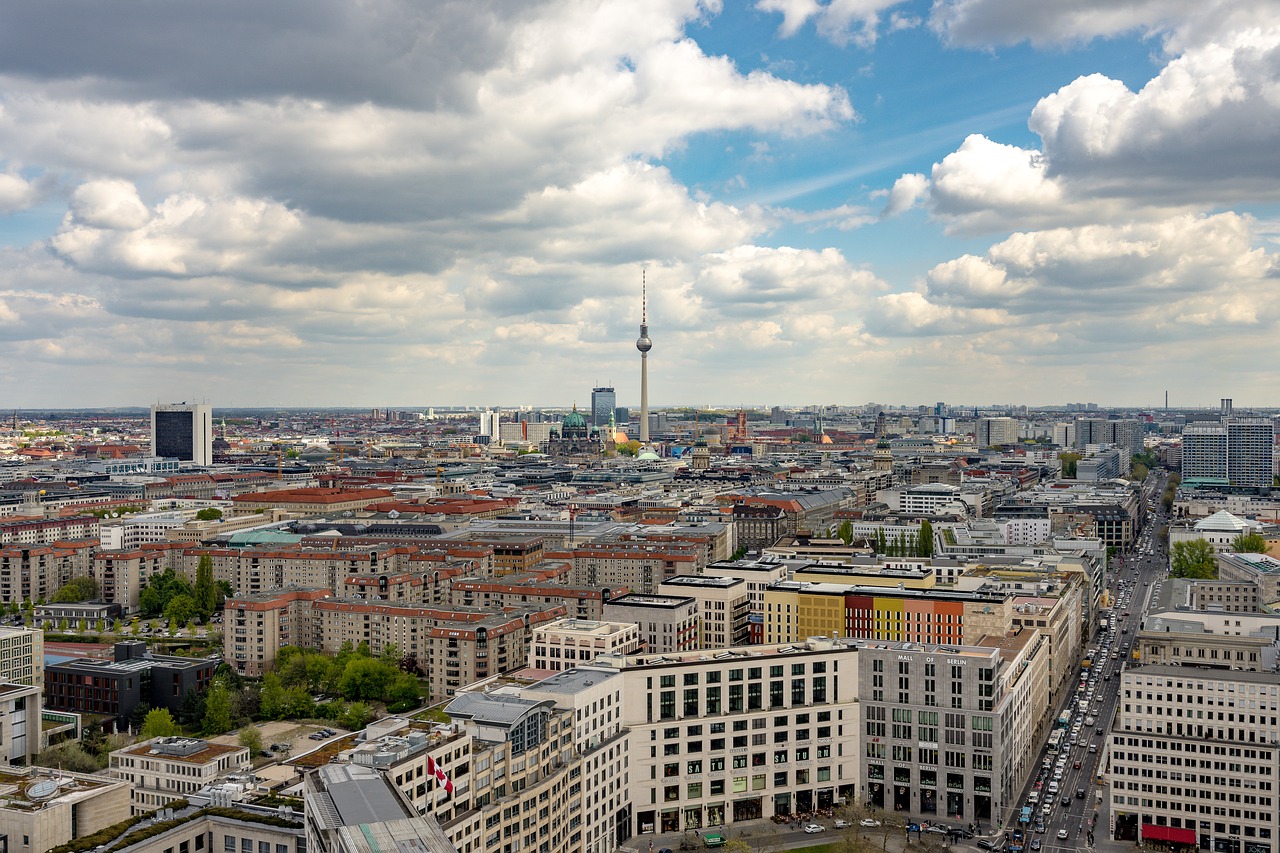
We meet at The TV Tower Berlin, for example, or Fernsehturm Berlin in German, which is an architectural marvel that graces the city's skyline with its impressive stature. Rising proudly above Alexanderplatz, this tower is not just a communication hub; it's a symbol of Berlin's resilience and modernity.
Key Features:
Height: The TV Tower is around 368 meters (1,207 feet), making it one of the tallest structures in Europe and a prominent landmark in Berlin.
Design: Its distinctive spherical top gives the tower a unique and futuristic appearance. The design was a collaborative effort by architects Hermann Henselmann, Jörg Streitparth, and Fritz Dieter.
360-Degree Views: Visitors to the tower are rewarded with breathtaking panoramic city views. The observation deck, located at around 203 meters (666 feet), offers an unobstructed view of Berlin's landmarks, urban sprawl, and historic sites.
2
Stop 2
Pass by
Berlin`s City Hall As a central hub of political activity and administration, the Rotes Rathaus plays a crucial role in shaping the course of Berlin's development and progress. Its impressive architecture, deep-rooted history, and pivotal role in governance make it a true cornerstone of the city's identity.
3
Stadtschloss Berlin, also known as the Berlin City Palace, holds a rich and complex history deeply intertwined with the city's past. Constructed in the 15th century as a royal residence, it saw the rise and fall of the Hohenzollern dynasty, shaping Berlin and Prussia. Destroyed during WWII, it became a symbol of resilience. After the Berlin Wall fell, a debate arose over its reconstruction. Ultimately, the Humboldt Forum project restored the palace, blending its Baroque façade with modern interiors for cultural purposes. Today, it is a testament to Berlin's resilience and commitment to its heritage, offering a bridge between history and the future.
4
Stop 4
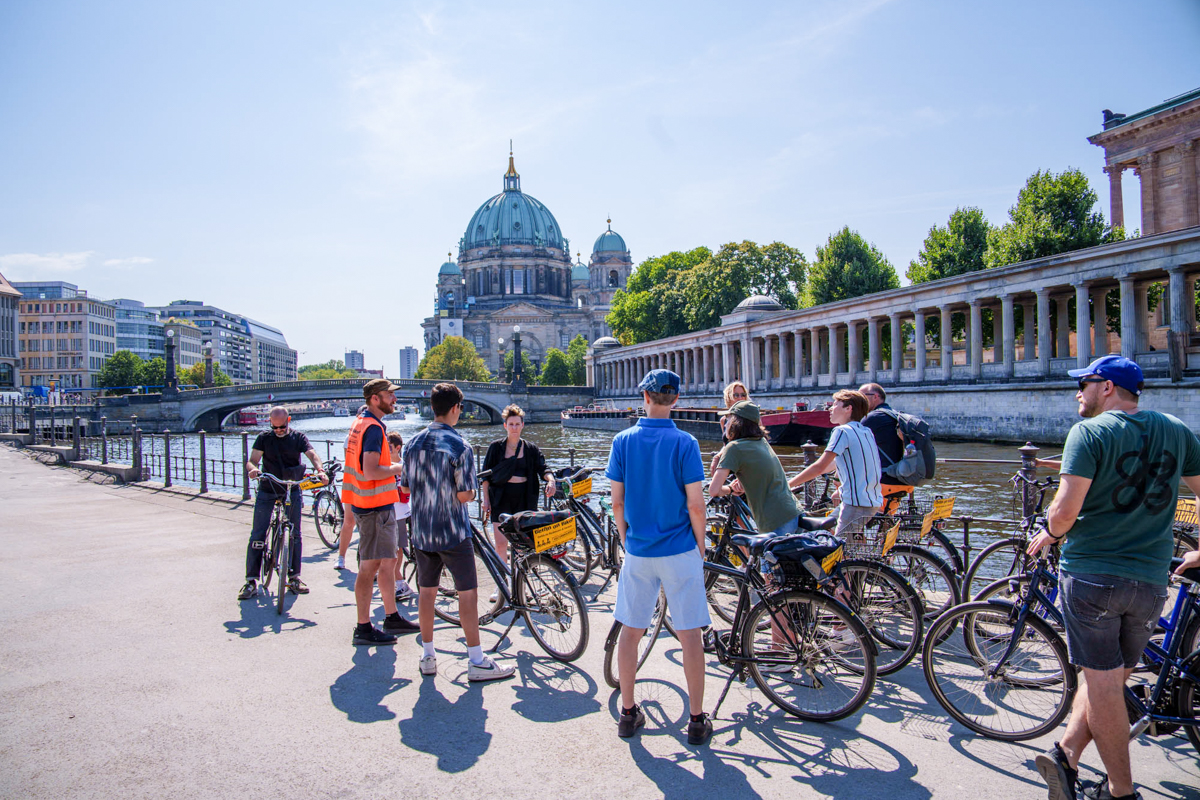
Museum Island in Berlin is a UNESCO World Heritage site and a cultural treasure trove that houses a collection of remarkable museums and historic artifacts. Here's an overview of Museum Island:
Museum Island is not just a collection of museums; it's a living testament to human creativity, innovation, and history. It showcases Berlin's commitment to preserving its heritage and sharing it with the world, making it a must-visit destination for art and culture enthusiasts.
5
Stop 5
: Along the boulevard, you'll find a mix of architectural styles, ranging from Baroque and Neoclassical to modernist. Notable landmarks include the Brandenburg Gate, the Berlin State Library, and the Kronprinzenpalais (Crown Prince's Palace).
6
Stop 6
Bebelplatz in Berlin, historically known as Opernplatz, carries a haunting legacy tied to book burning during the Nazi regime. In May 1933, thousands gathered here to incinerate books deemed "un-German." This tragic event symbolized intellectual suppression. Today, a memorial designed by Micha Ullman stands in the square—a glass plate on the ground revealing empty bookshelves below, a sad reminder of preserving knowledge and safeguarding intellectual freedom. Bebelplatz is a powerful testament to the enduring significance of literature and the consequences of censorship.
7
Stop 7
Gendarmenmarkt in Berlin is a splendid square renowned for its architectural beauty and historical significance. Dominated by three iconic buildings—the Konzerthaus, the French Cathedral, and the German Cathedral—it's a masterpiece of neoclassical design.
The Konzerthaus is a concert hall hosting world-class performances. Its grandeur and acoustic excellence make it a cultural hub, attracting music enthusiasts worldwide.
The French Cathedral, with its stunning dome, is a testament to Berlin's multicultural history. Built by Huguenot refugees in the 18th century, it symbolises tolerance and diversity.
Opposite the French Cathedral, the German Cathedral completes the trio. Its elegant facade and museum inside offer insights into Germany's history and culture.
Gendarmenmarkt also witnessed critical events like the 1848 Revolution and the fall of the Berlin Wall. Today, it's a vibrant place for concerts, markets, and cultural events, drawing locals and tourists.
8
Stop 8
Checkpoint Charlie, situated in the heart of Berlin, is an iconic historical landmark symbolizing the division and reunification of the city during the Cold War. Named after the third letter in the NATO phonetic alphabet, it was one of the most famous border crossing points between East and West Berlin.
During the Cold War, Checkpoint Charlie was a potent symbol of the Iron Curtain, separating the American and Soviet sectors. It was the site of numerous tense standoffs and encounters between American and Soviet military personnel.
Today, a replica of the original guardhouse stands at the site, manned by actors dressed as U.S. military police, offering tourists a glimpse into this pivotal historical period. The museum is now known as the Mauermuseum.
9
Stop 9
The "Topography of Terror" in Berlin, once the Nazi Gestapo and SS headquarters, is a museum that vividly recounts Nazi atrocities. Exhibits, documents, and remnants of the original buildings offer a stark reminder of the horrors of the Holocaust and the importance of vigilance against intolerance. It stands on historic ground, urging visitors to reflect, learn, and work toward a future rooted in human rights and justice.
10
Stop 10
The "Führerbunker" was the underground bunker complex in Berlin where Adolf Hitler, the leader of Nazi Germany, spent much of the final months of World War II. Here is some information about the Führerbunker:
Location: The Führerbunker was located in Berlin, near the Reich Chancellery, which was the official residence of Adolf Hitler during his time as Chancellor and later as Führer (Leader) of Nazi Germany. The bunker complex was constructed beneath the garden of the Reich Chancellery.
The site of the Führerbunker is located beneath a parking lot in modern Berlin, near the intersection of In den Ministergärten and Gertrud-Kolmar-Straße. There is no visible trace of the bunker today, as it was primarily removed after the war to prevent it from becoming a pilgrimage site for neo-Nazis.
11
Stop 11
The Holocaust Memorial in Berlin, officially known as the "Memorial to the Murdered Jews of Europe" or "Holocaust-Mahnmal," is a sad and evocative tribute to the six million Jewish victims of the Holocaust. Designed by architect Peter Eisenman, this memorial was inaugurated in 2005.
The memorial consists of 2,711 concrete slabs of varying heights arranged on a sloping field, creating a sense of disorientation and unease as visitors navigate through the maze-like structure. The grey, uniform slabs symbolize the vastness and anonymity of the Holocaust's victims, emphasizing the dehumanization and mass scale of the atrocities.
As you move deeper into the memorial, the ground beneath your feet descends, isolating you further from the bustling city outside. It's a profound and unsettling experience that encourages reflection on the enormity of the tragedy.
12
Stop 12
Berlin's most iconic landmarks symbolise the city's turbulent history, resilience, and reunification.
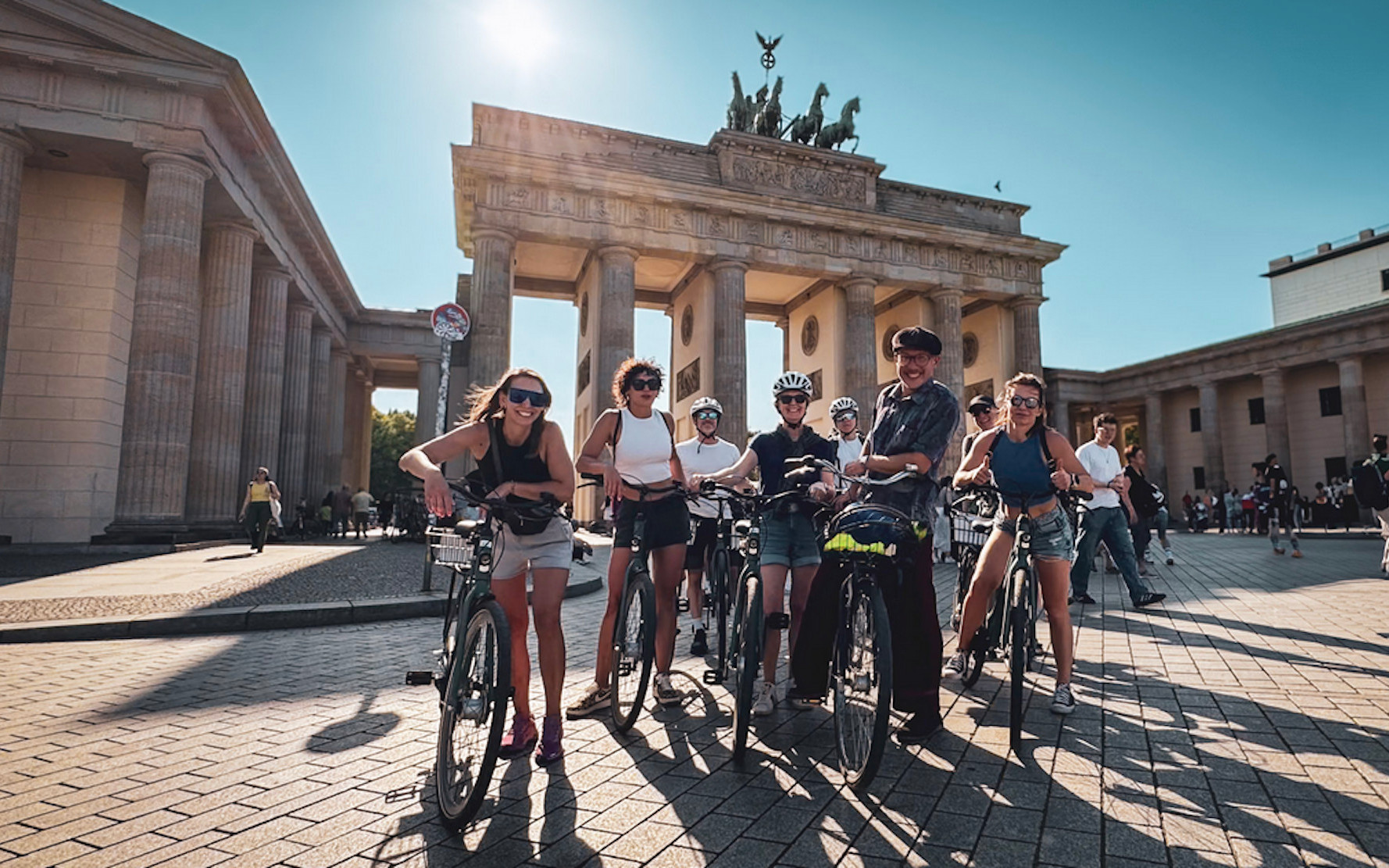
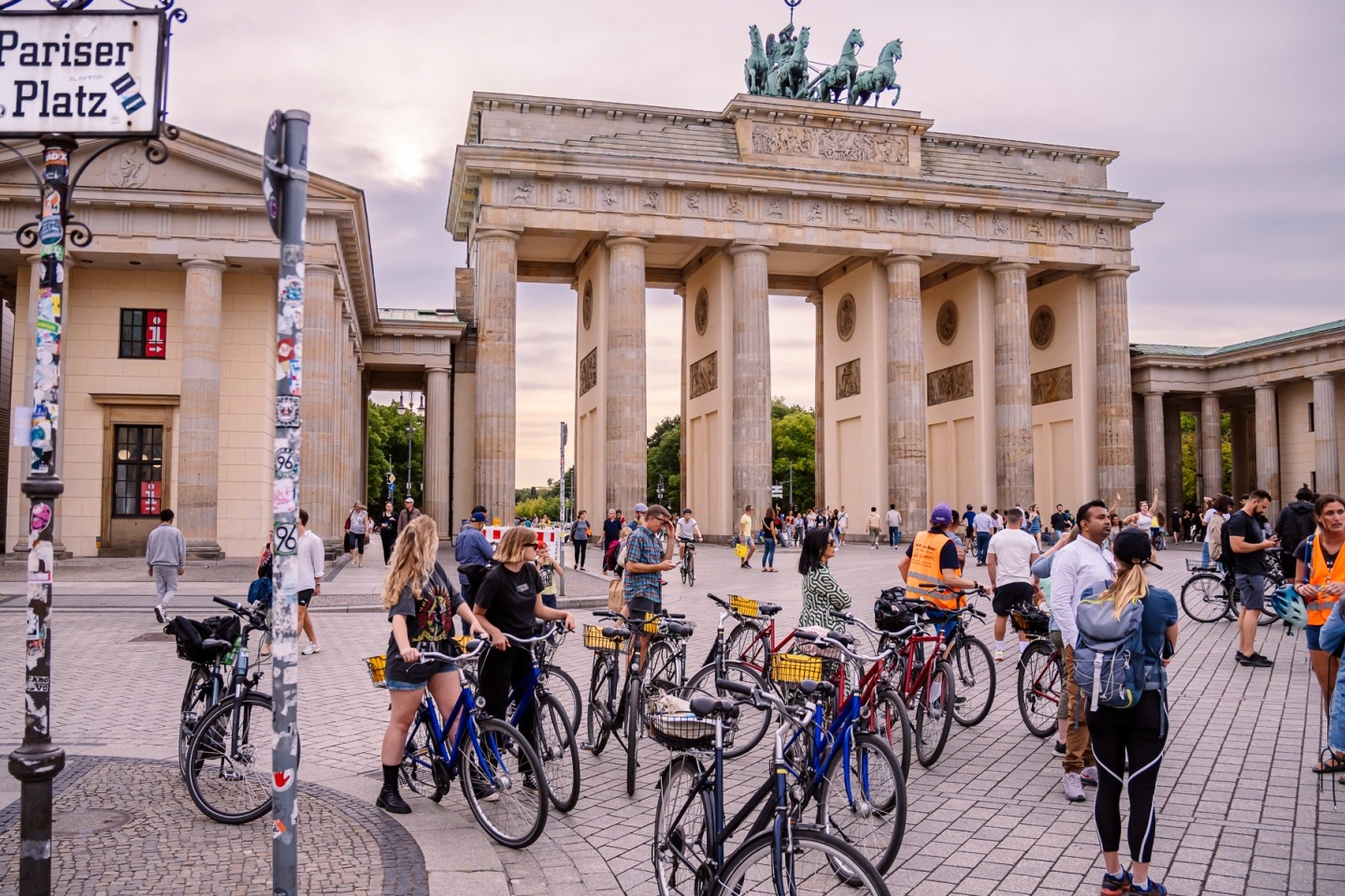
This neoclassical triumphal arch, designed by Carl Gotthard Langhans, was completed in 1791 and has since witnessed more than two centuries of profound historical events. It was commissioned by King Frederick William II of Prussia as a symbol of peace and marked the beginning of the grand boulevard Unter den Linden.
What's not included
Lunch
Available languages
Guide guide
DE
EN
TR
NL
Reviews breakdown
Tripadvisor
5.0
3 reviews
5★
3
4★
0
3★
0
2★
0
1★
0
Important information
Infants are required to sit on an adult’s lap
Public transportation options are available nearby
Suitable for all physical fitness levels
Also, this is an ideal tour for less mobile guests. In a few steps, you enter our Rickshaw. We can stop anywhere you'd like to take memorable pictures. Even without stepping out of the Rickshaw, you can come very close to the monuments; you can even touch them.
Meeting point
U-Bahn Rosentahler Platz excit Weinbergsweg
Meetingpoint: Weinbergsweg 4
Rosenthaler Platz, Berlin: In the heart of Berlin's Mitte district, Rosenthaler Platz is always buzzing, with cool cafes, bars, and shops. It's super easy to get anywhere from here with the well-connected public transport.
About Berlin
Berlin, Germany's capital and largest city, is a vibrant metropolis known for its rich history, diverse culture, and dynamic nightlife. The city's eclectic mix of modern and historic architecture, world-class museums, and thriving arts scene make it a must-visit destination in Europe.
Top Attractions
Brandenburg Gate
A neoclassical monument and one of Berlin's most iconic landmarks, the Brandenburg Gate was built in the 18th century and has been a symbol of the city's history and reunification.
Historical
30 minutes to 1 hour
Free
Berlin Wall Memorial and East Side Gallery
The Berlin Wall Memorial and the East Side Gallery are important historical sites that commemorate the division of Berlin during the Cold War and the fall of the Wall in 1989.
Historical
1-2 hours
Free
Museum Island
A UNESCO World Heritage site, Museum Island is home to five world-renowned museums, including the Pergamon Museum, the Neues Museum, and the Alte Nationalgalerie.
Museum
Half-day to full day
€19 (Museum Island Day Ticket) or individual museum tickets
Reichstag Building
The Reichstag Building is the seat of the German Bundestag (parliament) and a symbol of German democracy. The glass dome on top offers panoramic views of the city.
Historical
1-2 hours
Free (but advance registration is required)
Potsdamer Platz
Potsdamer Platz is a major public square and traffic intersection in the heart of Berlin. It is known for its modern architecture, shopping, and entertainment options.
Architecture
1-2 hours
Free to explore, costs vary for shopping and dining
Must-Try Local Dishes
Currywurst
A popular Berlin street food, currywurst is a sliced sausage served with a curry ketchup sauce and often topped with curry powder.
Snack
Contains pork, vegetarian and vegan options available
Boulette
A German-style meatball, usually served with potato salad or mashed potatoes and a creamy sauce.
Main Course
Contains beef or pork, vegetarian and vegan options available
Döner Kebab
A Turkish dish popularized in Berlin, consisting of seasoned meat (usually lamb, beef, or chicken) cooked on a vertical rotisserie and served in flatbread with vegetables and sauces.
Main Course
Contains meat, vegetarian and vegan options available
Berliner Pfannkuchen
A jelly-filled doughnut, similar to a Berlin-style donut, often eaten during Carnival season.
Dessert
Contains wheat, dairy, and egg, vegan options available
Popular Activities
Cycling
Hiking
Boat tours
Rock climbing
Spa and wellness
Picnicking in parks
Café hopping
Boat tours on the Spree River
Best Time to Visit
June to August
This is the warmest time of the year with long daylight hours, making it ideal for outdoor activities and festivals. The city is lively with tourists and locals enjoying the summer weather.
20°C to 25°C (68°F to 77°F)
68°F to 77°F
Practical Information
Language
- Official: German
- Widely spoken: English, French, Turkish, Arabic, Russian
- English: Widely spoken
Currency
Euro (EUR)
Time Zone
GMT+1 (CET), GMT+2 (CEST during daylight saving time)
Electricity
230VV, 50HzHz
Safety Information
Overall Safety Rating: Generally safe
Berlin is generally a safe city for travelers, with low crime rates and a welcoming atmosphere. However, as with any major city, it's important to be aware of your surroundings and take precautions to protect yourself and your belongings.
Important Precautions:
- • Be aware of your surroundings and keep an eye on your belongings, especially in crowded areas and on public transportation.
- • Use licensed taxis or ride-sharing services, and agree on the fare before starting your journey.
- • Keep your passport and valuables in a safe place, and carry a copy of your passport and important documents.
Getting there
By air
- Berlin Brandenburg Airport • 18 km (11 miles) from city center
By train
Berlin Hauptbahnhof
By bus
Berlin Central Bus Station (ZOB)
Getting around
Public transport
The U-Bahn is a fast and efficient way to get around Berlin, with 10 lines serving 173 stations. It operates from early morning to late at night.
Taxis
Available • Apps: Uber, FreeNow
Rentals
Car, Bike, Scooter
Neighborhoods
Mitte
Kreuzberg
Prenzlauer Berg
Friedrichshain
Charlottenburg
Day trips
Potsdam
35 km (22 miles) from Berlin • Half-day to full day
Potsdam is a charming city near Berlin, known for its stunning palaces, parks, and lakes. It was the former residence of Prussian kings and German emperors and is a UNESCO World Heritage site.
Spreewald
100 km (62 miles) from Berlin • Full day
Spreewald is a picturesque region of forests, lakes, and canals, known for its traditional wooden houses, pickles, and gondola rides. It is a popular destination for outdoor activities and relaxation.
Sachsenhausen Concentration Camp Memorial
35 km (22 miles) from Berlin • Half-day
The Sachsenhausen Concentration Camp Memorial is a somber and important historical site, dedicated to the victims of the Nazi regime. The memorial includes the preserved camp buildings, a museum, and a memorial cemetery.
Festivals
Berlin International Film Festival (Berlinale) • February
Berlin Carnival of Cultures (Karneval der Kulturen) • Late May to early June
Berlin Festival • September
Pro tips
- Learn a few basic phrases in German, as it's appreciated by locals and can enhance your travel experience.
- Consider purchasing a Berlin WelcomeCard for unlimited public transportation and discounts at attractions.
- Explore the city's diverse neighborhoods, each with its own unique character and attractions.
- Visit Berlin's many parks and green spaces, which offer a peaceful and relaxing escape from the bustling city.
- Be open to trying new foods and culinary experiences, as Berlin's diverse food scene offers something for everyone.
From $25
per person
Price varies by option
Secure booking
Free cancellation available
Instant confirmation