The Phlegraean Fields: Origins & History with your Local Archaeologist
Active
5h - 6h
For a full refund, cancel at least 24 hours before the scheduled departure time.
Instant confirmation
Mobile or paper ticket accepted
About this experience
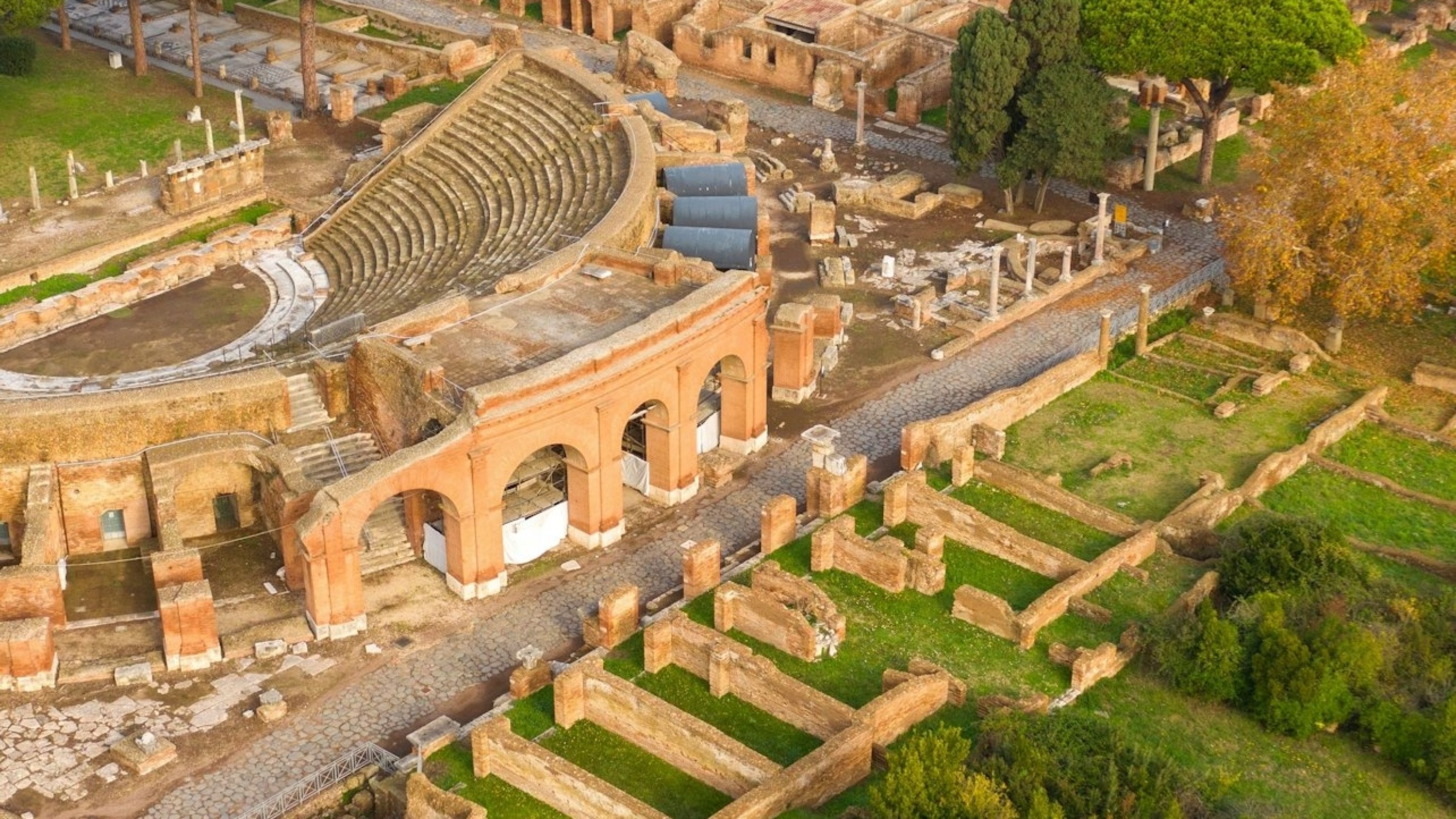
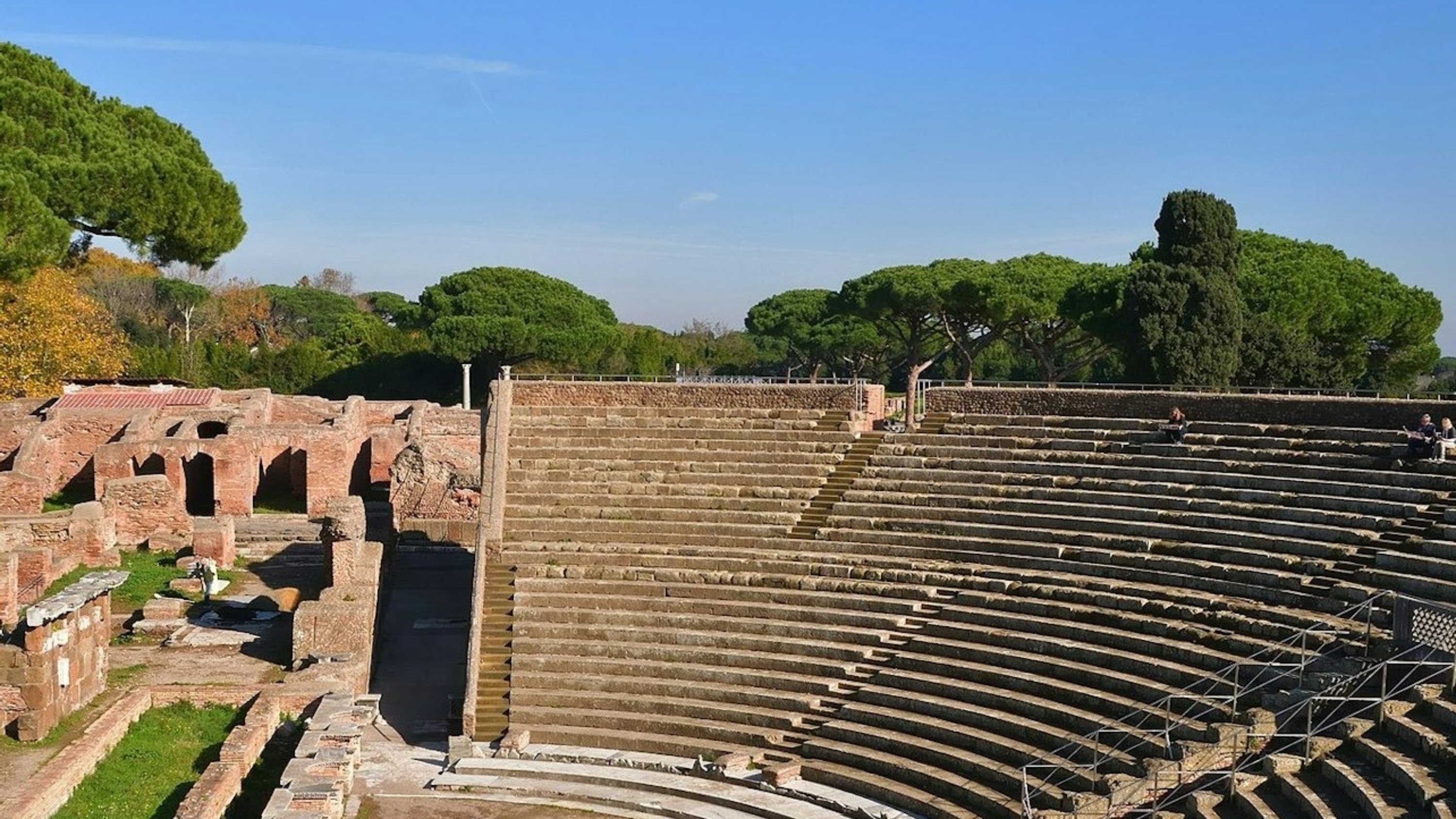
Cuma is one of the most valuable places in the whole territory of campi Flegrei, witness to the true origin of the settlements in that area. Involving a relatively small area, everything in Cuma will take you to the discovery of history. The city of Pozzuoli, a few kilometers away from the city of Naples, still retains much of its ancient grandeur. Walking through the historic center of the city, you will still encounter the traces of the great monumental buildings of the ancient city: you will have the feeling of walking in a "little Rome", among the ruins and remains of a wonderful and lively city. A wonderful walk through history, accompanied by the sound of the waves of the sea. The baths of Baia are a wonderful complex of buildings and spaces, gradually descending towards the sea. They do not present themselves as thermal systems, or lodgings, or villas or simple temples dedicated to deities: it is a set of all these things, unchanged over the centuries.
Available options
Tour in English
Tour in French
Tour in Spanish
Tour in Italiano
What's included
Guided tour with an archaeologist and licensed guide.
Detailed itinerary
1
Among the many precious Phlegraean archaeological sites, the Cuma Archaeological Park is perhaps the only site that tells the full story of the peoples who succeeded each other in the Phlegraean Fields: from "the Iron Age" to the Middle Ages. Many are used to thinking of Cuma as the first Greek settlement in the area, it's actually much more.
2
The Mirabilis Roman Cistern is the arrival point of the great Augustaque of the Serino: it is a large water tank, which guaranteed the supply to the nearby cities and also to the entire fleet allocated to Misenum bay
3
They are called a set of buildings and spaces equipped degrading to the sea, enlarged and enriched for a few centuries. They are not spas, hotels, villas, simple mansions or temples dedicated to the various deities, but all this put together.
What's not included
Admission ticket to Archaeological parks (combo tickets)
Available languages
Guide guide
EN
IT
FR
ES
Reviews breakdown
Tripadvisor
5.0
1 reviews
5★
1
4★
0
3★
0
2★
0
1★
0
Important information
Infants and small children can ride in a pram or stroller
Service animals allowed
Public transportation options are available nearby
Suitable for all physical fitness levels
Meeting point
The guide will wait for his host at the entrance of Cuma Archaeological Park.
Important notes
Entrance tickets are not included in the price.
About Sorrento
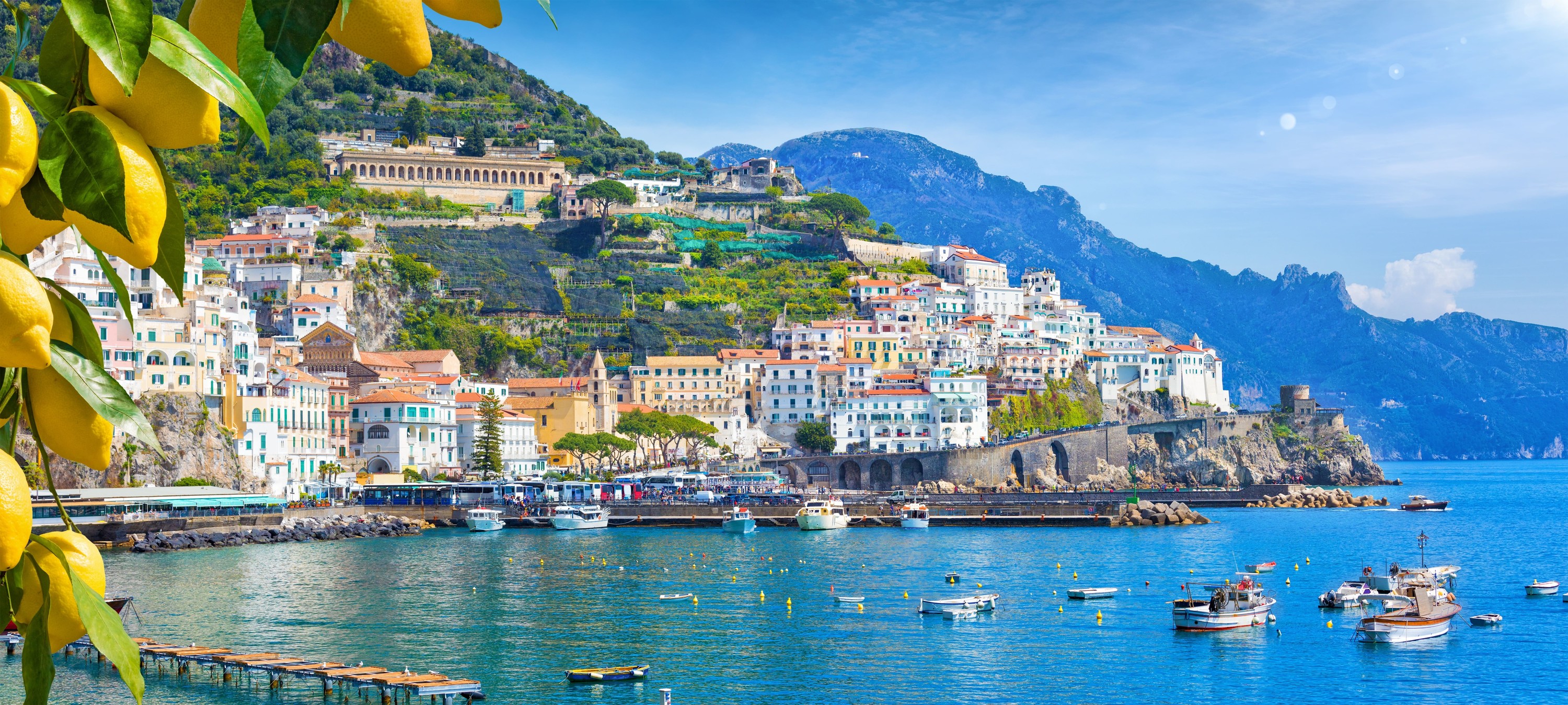
Sorrento is a charming coastal town on the Amalfi Coast, known for its stunning views, lemon groves, and historic center. It's a gateway to the Amalfi Coast and offers a mix of relaxation, culture, and adventure.
Top Attractions
Piazza Tasso
The main square of Sorrento, named after the famous poet Torquato Tasso. It's a lively spot with cafes, restaurants, and street performers.
Historical
30 minutes to a few hours
Free
Sorrento Cathedral
A beautiful 19th-century cathedral dedicated to Saint Mary of the Assumption. It features a mix of architectural styles and a stunning interior.
Religious
30 minutes
Free
Villa Tasso
A historic villa that once hosted the famous poet Torquato Tasso. It offers beautiful gardens and panoramic views of the coast.
Historical
1 hour
Free
Marina Grande
The main beach of Sorrento, offering a mix of sandy and pebbly shores. It's a popular spot for swimming, sunbathing, and enjoying seafood at nearby restaurants.
Beach
Half day
Free (beach clubs may charge)
Museo Correale di Terranova
A museum showcasing the history and culture of Sorrento, with exhibits on local crafts, art, and archaeology.
Museum
1-2 hours
€7
Must-Try Local Dishes
Spaghetti alle Vongole
Spaghetti with clams, a classic dish made with fresh clams, garlic, olive oil, and white wine.
Main Course
Contains seafood
Sfogliatella
A traditional Italian pastry filled with sweet ricotta cheese and candied fruit.
Dessert
Contains dairy
Limoncello
A lemon liqueur made from the local Sorrento lemons, typically served as a digestif.
Drink
Contains alcohol
Popular Activities
Hiking the Path of the Gods
Scuba diving
Boat tours
Beach activities
Spa treatments
Wine tasting
Visiting museums
Attending festivals
Best Time to Visit
June to August
The peak season offers the best weather for beach activities and exploring the town. However, it's also the most crowded and expensive time.
25°C to 35°C
77°F to 95°F
Practical Information
Language
- Official: Italian
- Widely spoken: English, French, German
- English: Moderately spoken
Currency
Euro (EUR)
Time Zone
GMT+1 (CET), GMT+2 (CEST) during daylight saving time
Electricity
230VV, 50HzHz
Safety Information
Overall Safety Rating: Generally safe
Sorrento is generally safe for tourists, with low crime rates. However, petty theft can occur in crowded areas.
Important Precautions:
- • Keep valuables secure in crowded areas
- • Use licensed taxis or rideshare services
- • Be cautious of strangers approaching you with petitions or surveys
Getting there
By air
- Naples International Airport • 50 km
By train
Sorrento Station
By bus
Sorrento Bus Terminal
Getting around
Public transport
Buses are the primary mode of public transport in Sorrento and connect to other towns on the Amalfi Coast.
Taxis
Available • Apps: MyTaxi
Rentals
Car, Bike, Scooter
Neighborhoods
Marina Grande
Town Center
Capo di Sorrento
Day trips
Amalfi Coast
10-30 km • Half day to full day
The Amalfi Coast is a stunning stretch of coastline with picturesque towns, beautiful beaches, and breathtaking views.
Capri
10 km (by boat) • Full day
A beautiful island known for its luxurious villas, stunning views, and the famous Blue Grotto.
Pompeii
30 km • Half day
An ancient Roman city preserved by volcanic ash from the eruption of Mount Vesuvius in 79 AD.
Festivals
Festa di San Paolo • June 29-30
Limoncello Festival • July
Sorrento Film Festival • September
Pro tips
- Visit the lemon groves for a unique and authentic experience
- Try a limoncello tasting to sample the local specialty
- Explore the Path of the Gods for stunning views and a challenging hike
- Take a boat tour to see the coastline from the water
- Visit during the shoulder season for fewer crowds and lower prices
From $25
per person
Price varies by option
Secure booking
Free cancellation available
Instant confirmation