Savor Tokyo After 5: Hidden Gems & Delicious Bites With Guide
Active
3h
For a full refund, cancel at least 24 hours before the scheduled departure time.
Instant confirmation
Mobile or paper ticket accepted
About this experience
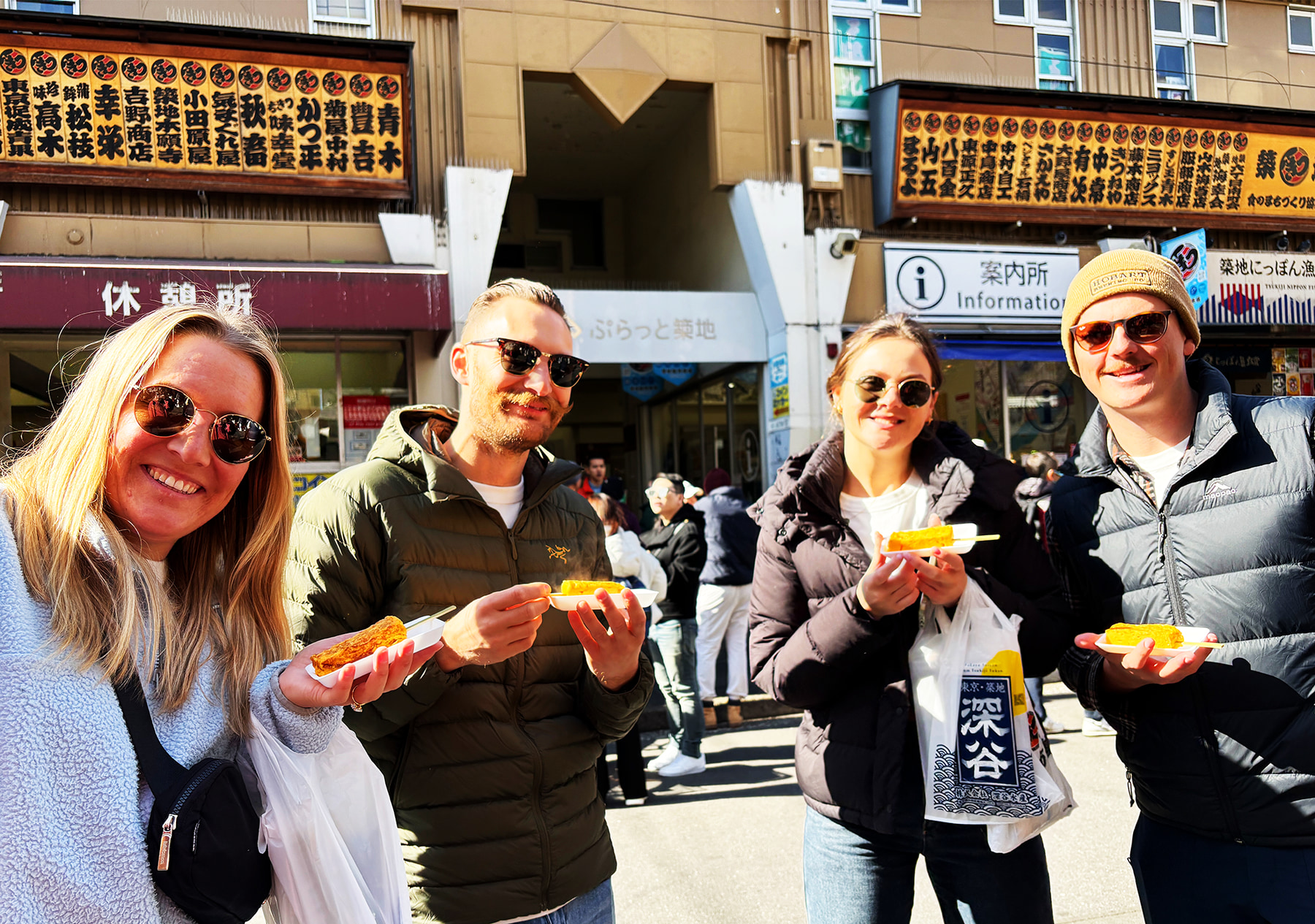
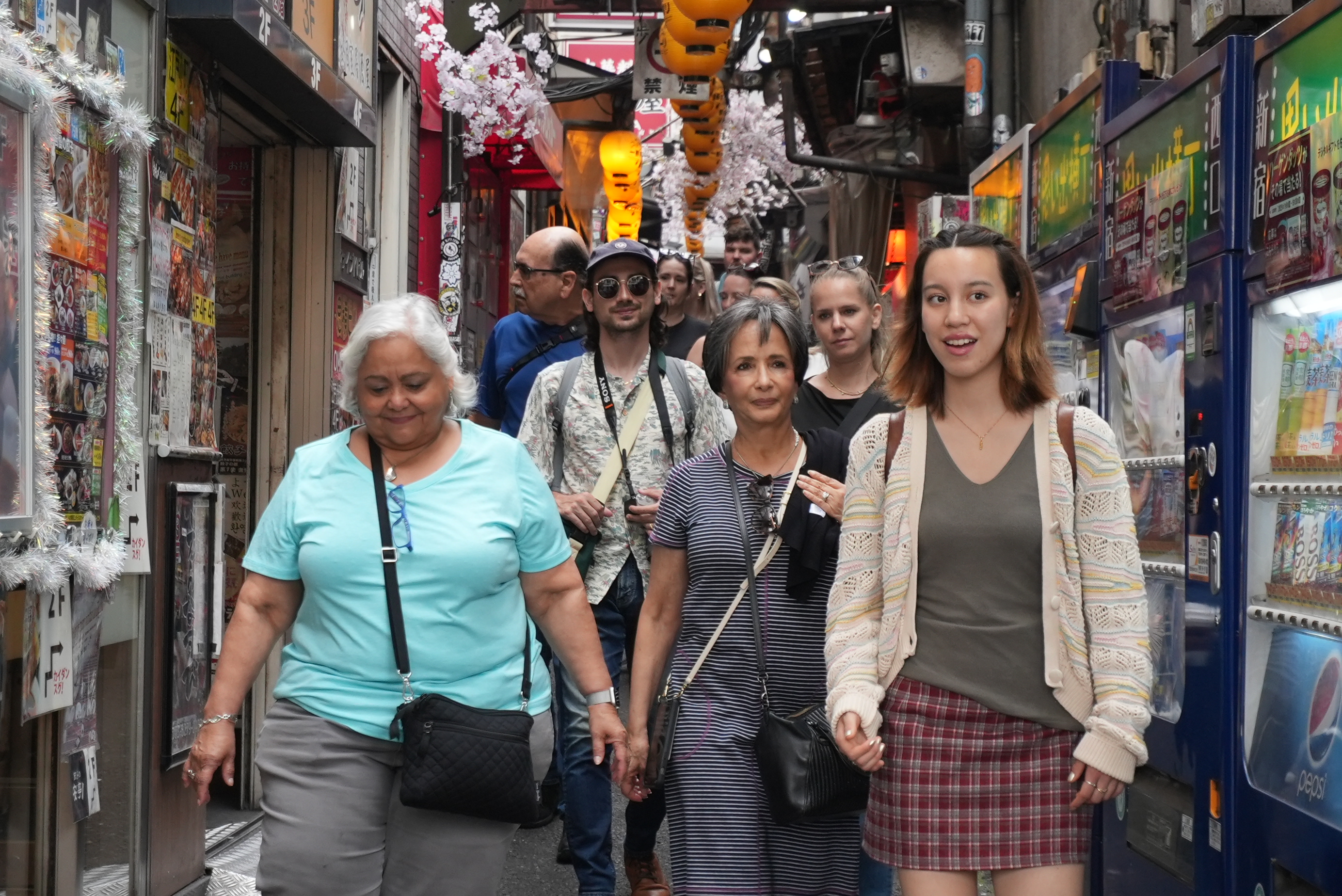
This is a great option for those who want to experience different Japanese food specialties in one night. You can avoid any language barriers in restaurants by joining a trouble-free tour with a guide who can translate and explain the dishes to you. The tour includes trying various dishes, such as grilled meat skewers (yakitori), savory pancakes (monjayaki), and sweets.
Available options
Savor Tokyo After 5: Hidden Gems & Delicious Bites With Guide
What's included
2 soft drinks & water
Enjoy 4 or 5 local food stops
Dessert
Local English speaking guide
Detailed itinerary
1
Stop 1
Department store offering designer apparel, housewares & cosmetics, plus a food hall & restaurants.
2
Stop 2
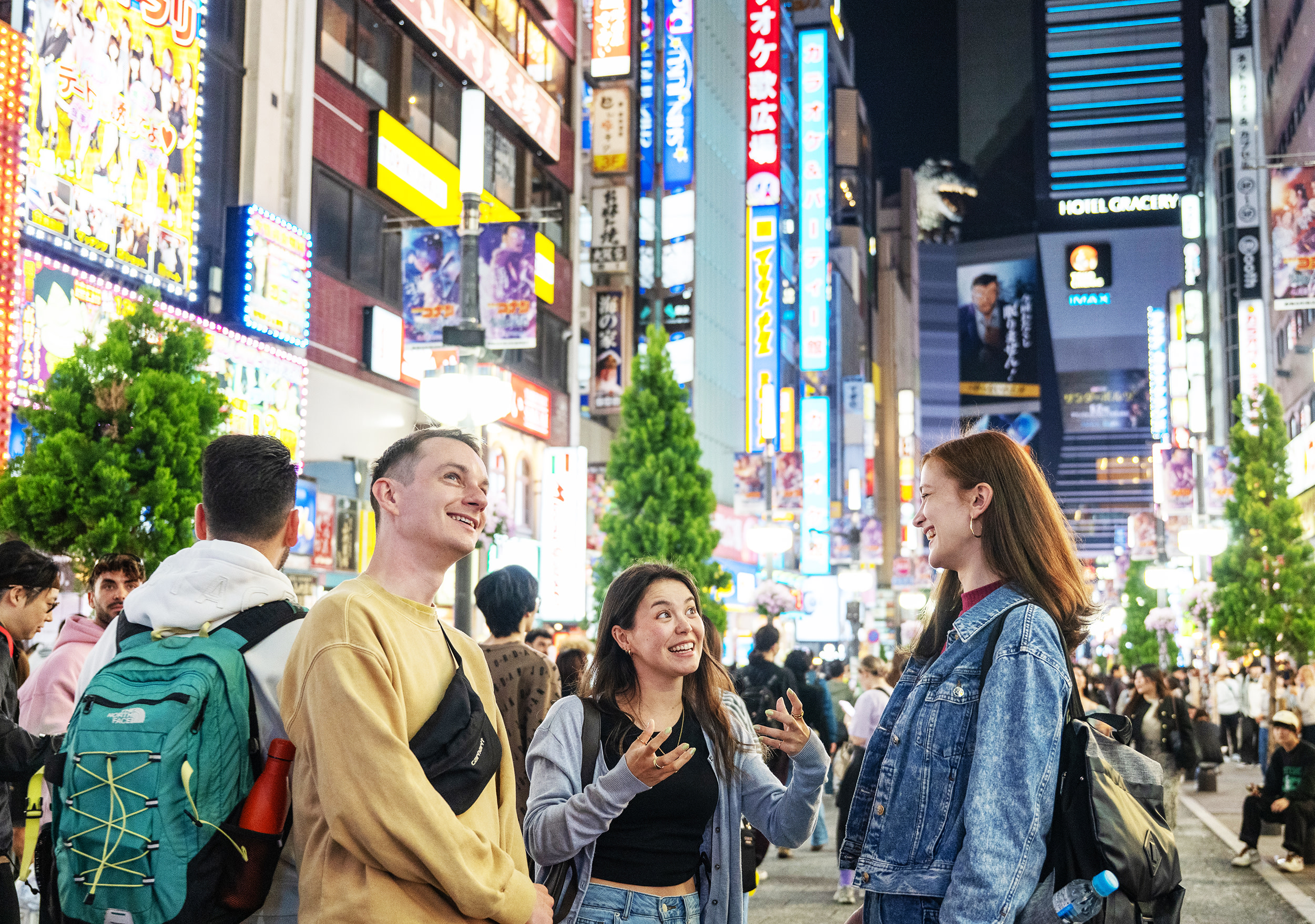
One of the city’s top shopping districts, Ginza is packed with upmarket boutiques and ritzy cocktail and sushi bars. Fine jewelry is sold in the 1930s Wako Honkan department store, while ultramodern Ginza Place specializes in high-tech electronics. On weekends, main drag Chuo Dori becomes a stylish pedestrian promenade. Traditional Japanese dance and drama is staged at the landmark Kabuki-za theater.
3
Stop 3
Foody street lined with outlets serving up battered, griddled monjayaki pancakes with toppings.
4
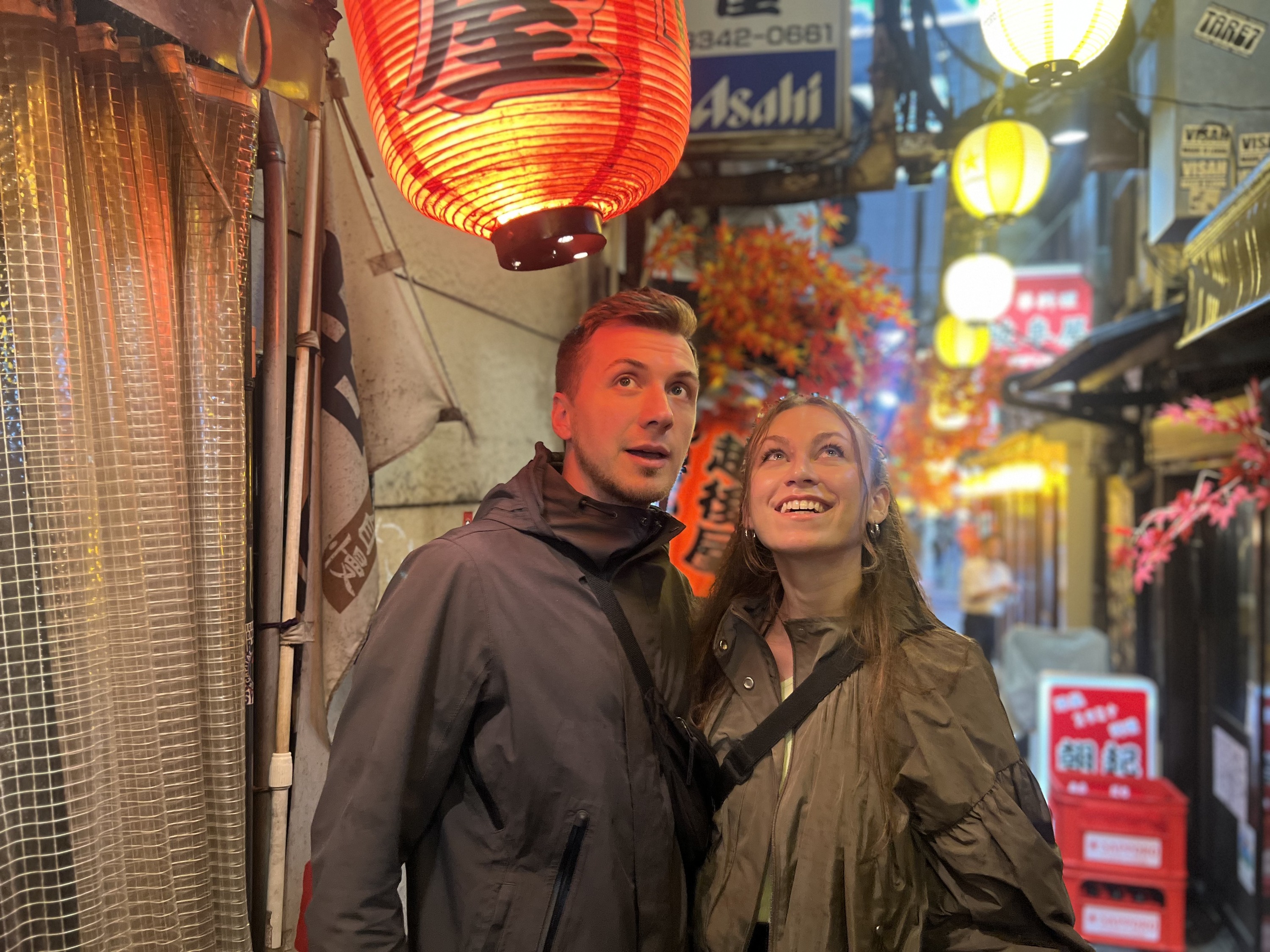
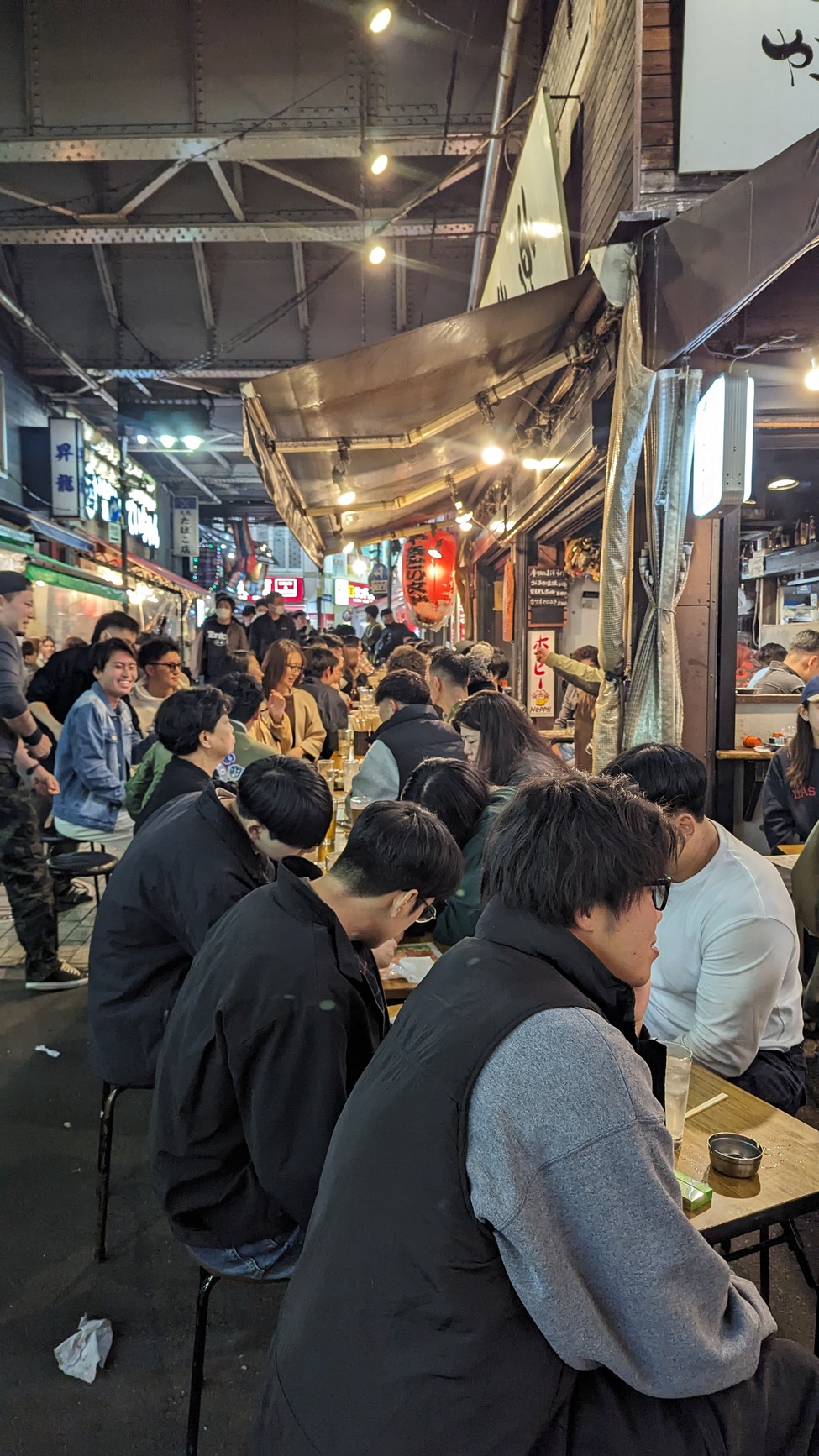
Yurakucho Yokocho is the favorite area for salarymen who flock to these small streets to eat and especially drink something after work.
There are mostly yakitori, but also restaurants specializing in fish, izakaya with a bit of everything, with Chinese cuisine and Korean barbeque.
They are not cheap places but you eat well and the atmosphere is goliaridca and really traditional.
It’s ideal to stop just to take some pictures because it’s very picturesque.
What's not included
Alcoholic drinks (available for purchase)+18 y.o
Gratuities
Hotel pickup and drop-off
Available languages
Guide guide
JA
EN
Important information
Public transportation options are available nearby
Infants are required to sit on an adult’s lap
Suitable for all physical fitness levels
Meeting point
our guide will hold a flag of the Washoku club
About Ginza
Ginza is Tokyo's upscale shopping district, known for its luxury boutiques, high-end dining, and vibrant nightlife. This area offers a blend of traditional and modern Japanese culture, with historic sites nestled among contemporary architecture.
Top Attractions
Ginza Six
Ginza Six is a high-end shopping complex with luxury brands, a rooftop garden, and various dining options. It's a great place to experience the latest in fashion and design.
Shopping/Mall
2-4 hours
Expensive
Kabukiza Theatre
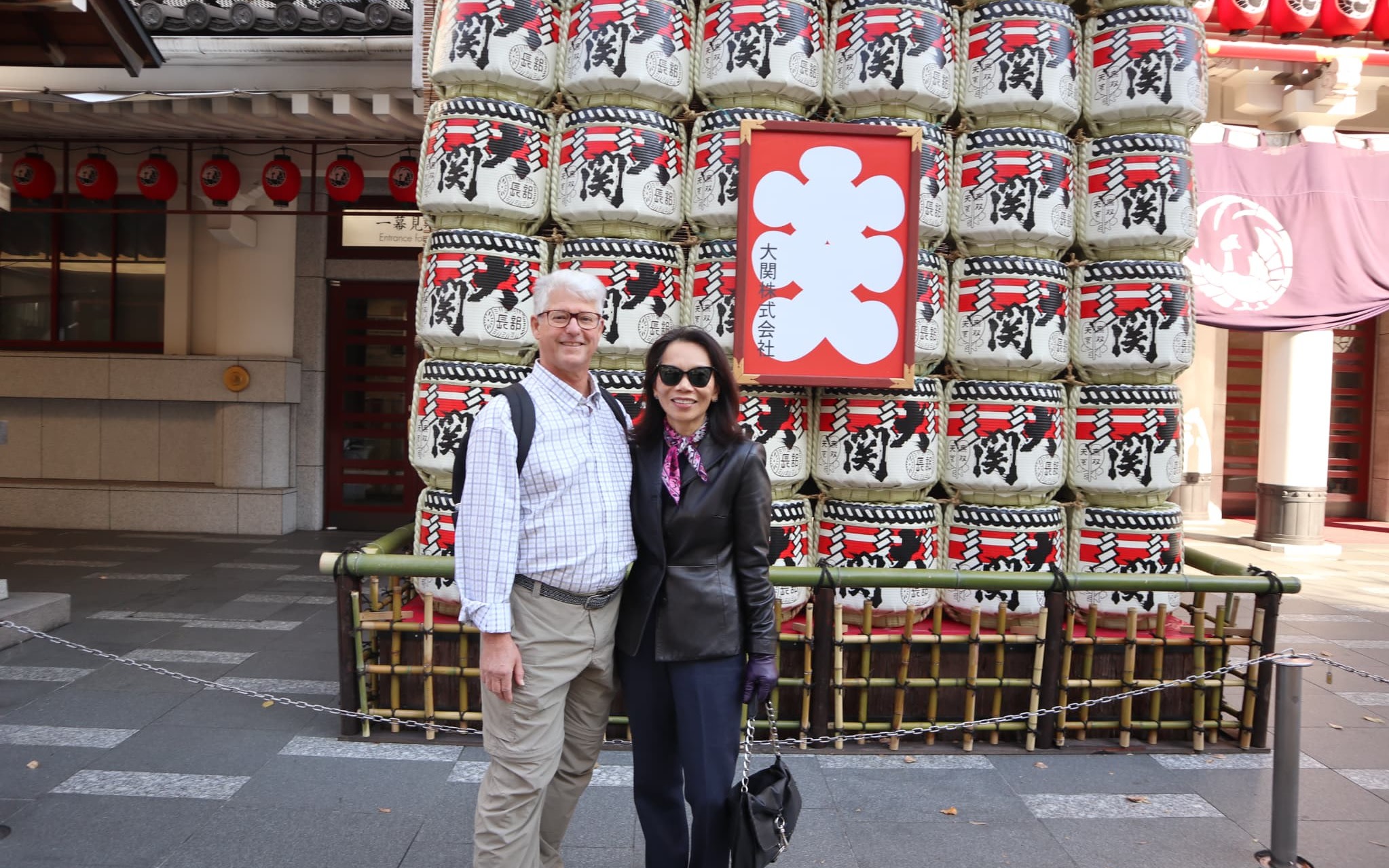
Kabukiza Theatre is one of the most famous theaters for traditional Japanese kabuki performances. It's a must-visit for those interested in traditional Japanese culture.
Cultural/Theater
2-3 hours for a performance
Moderate to Expensive
Tsukiji Outer Market
Tsukiji Outer Market is a bustling market known for its fresh seafood, sushi, and other Japanese delicacies. It's a great place to sample local cuisine and experience the vibrant atmosphere.
Food/Market
1-2 hours
Moderate
Must-Try Local Dishes
Sushi
Fresh, high-quality sushi made with the finest ingredients. Ginza is home to many renowned sushi restaurants.
Lunch/Dinner
Contains fish and seafood; some restaurants offer vegetarian options.
Tempura
Lightly battered and deep-fried seafood and vegetables, served with a dipping sauce. Tempura is a popular dish in Ginza.
Lunch/Dinner
Contains seafood; vegetarian options may be available.
Kaiseki
A traditional multi-course meal that showcases the seasons and the chef's skills. Kaiseki is a high-end dining experience.
Dinner
Contains various ingredients, including seafood and meat; vegetarian options may be available.
Popular Activities
Hiking in nearby parks and gardens
Biking around the city
Spa and wellness treatments
Tea ceremonies
Strolling through parks and gardens
Kabuki performances
Temple and shrine visits
Boat tours in Tokyo Bay
Best Time to Visit
March to May, September to November
Spring and autumn offer pleasant weather with mild temperatures and lower humidity, making it ideal for sightseeing and shopping. Cherry blossoms in spring and colorful foliage in autumn add to the charm.
10-25°C (50-77°F)
50-77°F
Practical Information
Language
- Official: Japanese
- Widely spoken: English (in tourist areas and hotels)
- English: Moderately spoken
Currency
Japanese Yen (JPY)
Time Zone
GMT+9
Electricity
100VV, 50/60HzHz
Safety Information
Overall Safety Rating: Very safe
Ginza is a very safe area with a low crime rate. Violent crime is rare, and petty crime, such as pickpocketing, is uncommon. However, travelers should still take basic precautions to protect their belongings.
Important Precautions:
- • Keep valuables secure and out of sight.
- • Be cautious of pickpockets in crowded areas.
- • Use licensed taxis and check the meter.
Getting there
By air
- Narita International Airport • 60 km (37 miles)
- Haneda Airport • 15 km (9 miles)
By train
Tokyo Station, Shimbashi Station
By bus
Tokyo Station Bus Terminal, Shimbashi Bus Terminal
Getting around
Public transport
The Tokyo Metro system is efficient, clean, and covers all major areas of Ginza. The Ginza Line is particularly useful for exploring the district.
Taxis
Available • Apps: Uber, JapanTaxi
Rentals
Car, Bike, Scooter
Neighborhoods
Central Ginza
Yurakucho
Shimbashi
Day trips
Asakusa
3 km (1.9 miles) • Half day
Asakusa is a historic district known for its traditional architecture, temples, and street food. It's a great place to experience old Tokyo.
Odaiba
6 km (3.7 miles) • Full day
Odaiba is a man-made island in Tokyo Bay, known for its futuristic architecture, shopping, and entertainment venues.
Kamakura
50 km (31 miles) • Full day
Kamakura is a historic city known for its temples, shrines, and the Great Buddha statue. It's a popular day trip from Tokyo.
Festivals
Ginza Festival • Late October to early November
Sanja Matsuri • Third weekend of May
Tokyo New Year's Countdown • December 31 - January 1
Pro tips
- Use an IC card like Suica or Pasmo for easy payments on public transportation and in some stores and vending machines.
- Learn a few basic Japanese phrases to enhance your experience and show respect for the local culture.
- Visit popular attractions early in the morning or late in the afternoon to avoid crowds.
- Try local street food and snacks for an authentic and budget-friendly dining experience.
- Explore the backstreets and alleys of Ginza to discover hidden gems and local shops.
From $25
per person
Price varies by option
Secure booking
Free cancellation available
Instant confirmation